Destination Overview
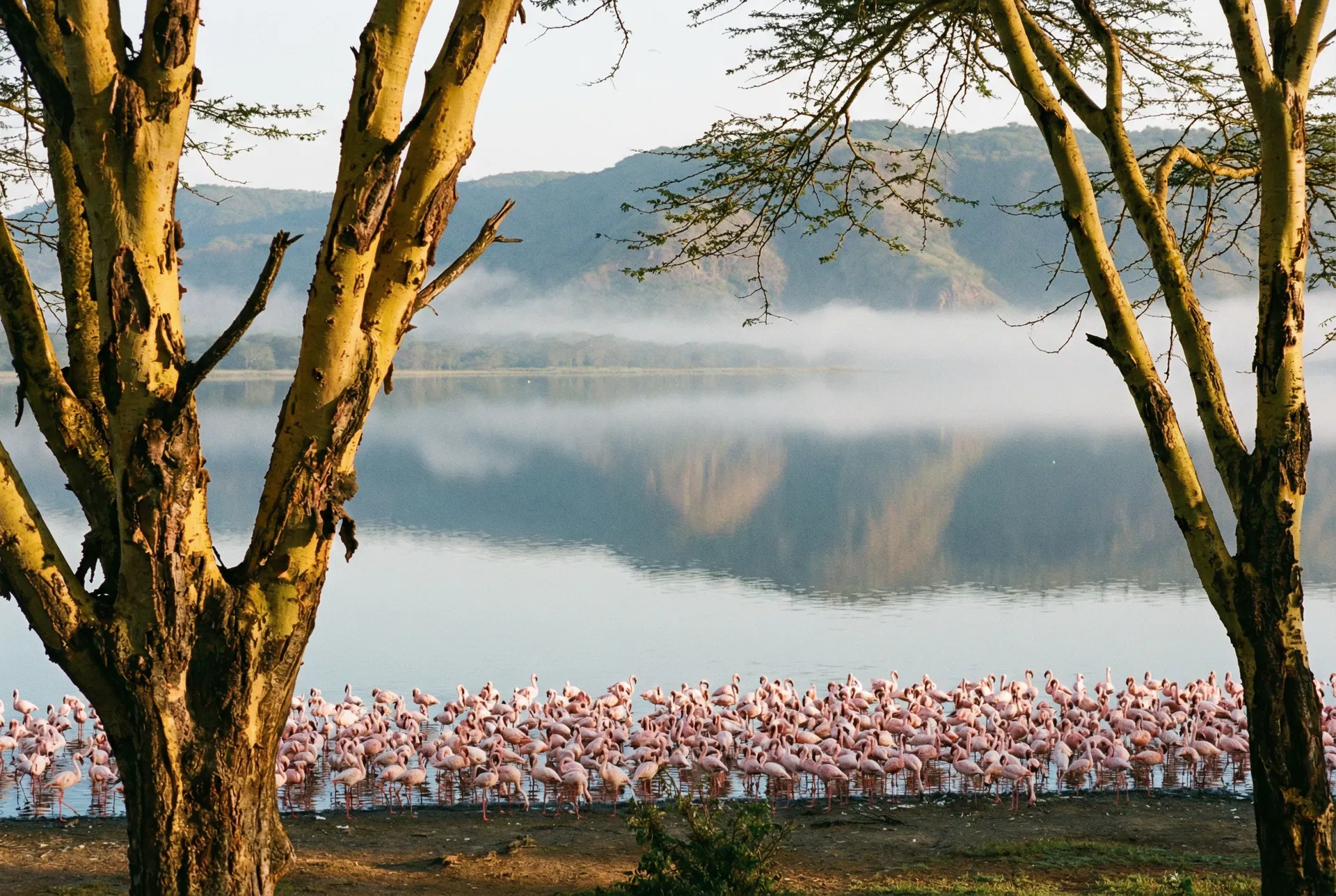
Nestled in the heart of the Great Rift Valley in Kenya, Lake Nakuru National Park is a world-renowned safari destination celebrated for its breathtaking landscapes and abundant wildlife. The park’s centerpiece is the shallow, alkaline Lake Nakuru, which was once famous for the vast flocks of lesser and greater flamingos that would gather along its shores, creating a mesmerizing sea of pink. While the flamingo populations have fluctuated in recent years due to changing water levels, the park remains a critical sanctuary for some of Africa’s most endangered species. Established as a national park in 1961, Lake Nakuru was expanded to become Kenya’s first rhino sanctuary and now provides a protected haven for both black and white rhinos. Its diverse habitats, ranging from the lake itself to acacia woodlands and rocky escarpments, support a remarkable variety of animal and bird life, making it a compact yet incredibly rewarding destination for wildlife enthusiasts.
Wildlife Highlights
Lake Nakuru National Park offers a spectacular concentration of wildlife within a relatively small area. The park is most famous for its role as a rhino sanctuary, and it is one of the best places in Kenya to see both the critically endangered black rhino and the more numerous white rhino. The success of the park’s conservation efforts has made it a stronghold for these magnificent animals, and sightings are common during game drives.
Beyond rhinos, the park is home to the rare and endangered Rothschild's giraffe, which was introduced to the park for its protection. These graceful giants can be seen moving through the acacia woodlands. Other notable herbivores include large herds of Cape buffalo, waterbuck, eland, and various antelope species such as impala and Thomson's gazelle. The park's predators are also well-represented, with a healthy population of lions, elusive leopards, and frequently spotted hyenas. Keep an eye out for the resident troops of olive baboons and vervet monkeys, as well as the occasional sighting of a large python.
For birdwatchers, Lake Nakuru is an ornithological paradise, boasting over 450 recorded bird species. While the massive flamingo flocks have become less predictable, the lake still attracts a stunning variety of water birds, including great white pelicans, cormorants, African fish eagles, Goliath herons, and a host of migratory waders. The surrounding woodlands and grasslands are also alive with birdlife, making it a premier destination for avian enthusiasts.
Best Time to Visit
Lake Nakuru National Park offers excellent wildlife viewing throughout the year, but the best time to visit is during the dry seasons, which run from June to October and from January to February. During these months, the weather is generally dry and sunny, making for comfortable safari conditions. The vegetation is less dense, and animals tend to congregate around the lake and other water sources, making them easier to spot during game drives. The roads within the park are also more accessible during the dry seasons.
The wet seasons—the long rains from March to May and the short rains from November to December—bring a different character to the park. The landscape becomes lush and green, and it is a fantastic time for birdwatching as migratory birds arrive. However, the rains can sometimes make roads challenging to navigate, and wildlife may be more dispersed due to the abundance of water. It is important to note that flamingo sightings have become less predictable in recent years due to fluctuating water levels in the lake. While they can be present at any time of year, their numbers are no longer guaranteed. For the best overall safari experience, the dry months remain the most popular and reliable choice.
Safari Experience
The safari experience at Lake Nakuru National Park is centered around game drives that explore the diverse landscapes and ecosystems within its compact boundaries. The park is fully fenced, which has allowed for the successful protection and management of its rhino populations, making it a unique and highly rewarding game-viewing destination. Game drives are typically conducted in the early morning and late afternoon when wildlife is most active. The well-maintained road network allows for excellent access to the lakeshore, acacia woodlands, and the rocky escarpments that offer panoramic views.
Unlike some of the larger, more sprawling parks in Kenya, the safari experience at Lake Nakuru is more contained and focused. The high density of wildlife means that animal encounters are frequent and varied. The open shores of the lake provide a stunning backdrop for photography, especially when herds of buffalo or rhino are seen against the water. The park’s smaller size also allows for a more intimate safari experience, where you can often enjoy wildlife sightings without the crowds found in other popular reserves. While walking safaris and night drives are not typically offered within the park, the sheer concentration of wildlife ensures that every game drive is filled with excitement and discovery.
Landscape and Ecosystem
Lake Nakuru National Park is a stunning mosaic of diverse landscapes and ecosystems, all centered around the shallow, alkaline lake from which it takes its name. The lake itself is a dynamic body of water, subject to significant fluctuations in size and depth, which in turn affects its chemistry and the wildlife it supports. The surrounding area is characterized by a mix of habitats that contribute to the park’s rich biodiversity.
The eastern and southern shores of the lake are fringed with acacia woodlands, which provide a crucial habitat for browsers like the Rothschild's giraffe and black rhino. These woodlands give way to areas of open grassland, where herds of buffalo, zebra, and waterbuck graze. The western side of the park is dominated by a rocky escarpment with dramatic cliffs and viewpoints, such as Baboon Cliff and Lion Hill. This rugged terrain is dotted with Euphorbia trees and provides a perfect habitat for leopards and rock hyraxes.
The park’s ecosystem is of immense ecological significance, not only as a rhino sanctuary but also as a vital part of the Great Rift Valley’s chain of soda lakes. It is a designated Ramsar site, recognizing its importance as a wetland of international value. The interplay between the alkaline lake, the freshwater springs, the woodlands, and the grasslands creates a unique and resilient ecosystem that supports an incredible density of wildlife.
Safari Activities
Lake Nakuru National Park offers a focused and rewarding range of safari activities centered on its exceptional wildlife viewing opportunities.
Game Drives: The primary activity in the park is game drives, which are conducted in safari vehicles with experienced guides. The park’s excellent road network allows for exploration of the diverse habitats, from the lakeshore to the acacia woodlands and rocky viewpoints. Game drives provide the best opportunities to see the park’s famous rhinos, as well as lions, leopards, giraffes, and a wide variety of other animals.
Birdwatching: With over 450 recorded bird species, Lake Nakuru is a world-class birdwatching destination. The lake attracts a stunning array of water birds, including pelicans, cormorants, and, at times, flamingos. The surrounding woodlands and grasslands are also home to a rich diversity of terrestrial birds. The park’s viewpoints, such as Baboon Cliff, offer excellent vantage points for birdwatching.
Viewpoints and Picnic Sites: The park features several stunning viewpoints that offer panoramic vistas of the lake and the surrounding landscape. Baboon Cliff, Lion Hill, and Out of Africa Hill are popular spots for taking in the scenery and enjoying a picnic lunch. These sites provide a wonderful opportunity to stretch your legs and appreciate the beauty of the Great Rift Valley.
Where It Is Located
Lake Nakuru National Park is conveniently located in the Great Rift Valley of Kenya, approximately 160 kilometers (100 miles) northwest of Nairobi, the nation's capital. This proximity to Nairobi makes it one of the most accessible of Kenya’s premier national parks, ideal for a short safari or as part of a longer itinerary.
The park lies just south of the city of Nakuru, the fourth-largest city in Kenya. The main access is via a well-maintained tarmac road from Nairobi (the A104 highway), with the journey typically taking around 2-3 hours by vehicle. There are several entrance gates to the park, including the Main Gate, Lanet Gate, and Nderit Gate.
For travelers arriving by air, the nearest major international airport is Jomo Kenyatta International Airport (NBO) in Nairobi. From there, visitors can either take a road transfer to the park or arrange a domestic flight to the Naishi Airstrip, which is located inside the park itself, offering convenient access to the various lodges and camps.
Who This Destination Is Best For
Lake Nakuru National Park is an excellent destination for a wide range of travelers, thanks to its accessibility, high concentration of wildlife, and stunning scenery.
First-Time Safari-Goers: Its proximity to Nairobi and the ease of spotting major wildlife species, including the iconic rhino, make it an ideal introduction to the African safari experience. The compact size of the park ensures that game drives are consistently rewarding.
Wildlife Photographers: The combination of dramatic landscapes, beautiful light, and abundant wildlife provides endless opportunities for stunning photography. The park is particularly famous for its rhino and bird photography.
Birdwatchers: As a designated Ramsar site and home to over 450 bird species, Lake Nakuru is a must-visit for any avian enthusiast. The sheer diversity of birdlife is staggering, from the water birds on the lake to the raptors soaring above the cliffs.
Families: The park offers a safe and engaging safari experience for families with children. The frequent wildlife sightings keep younger travelers captivated, and the relatively short travel time from Nairobi makes it a convenient option.
Travelers on a Shorter Itinerary: For those with limited time, Lake Nakuru provides a fantastic opportunity to experience a world-class safari without the need for long journeys or domestic flights. It can be visited as a long day trip from Nairobi or as part of a short 2-3 day safari.