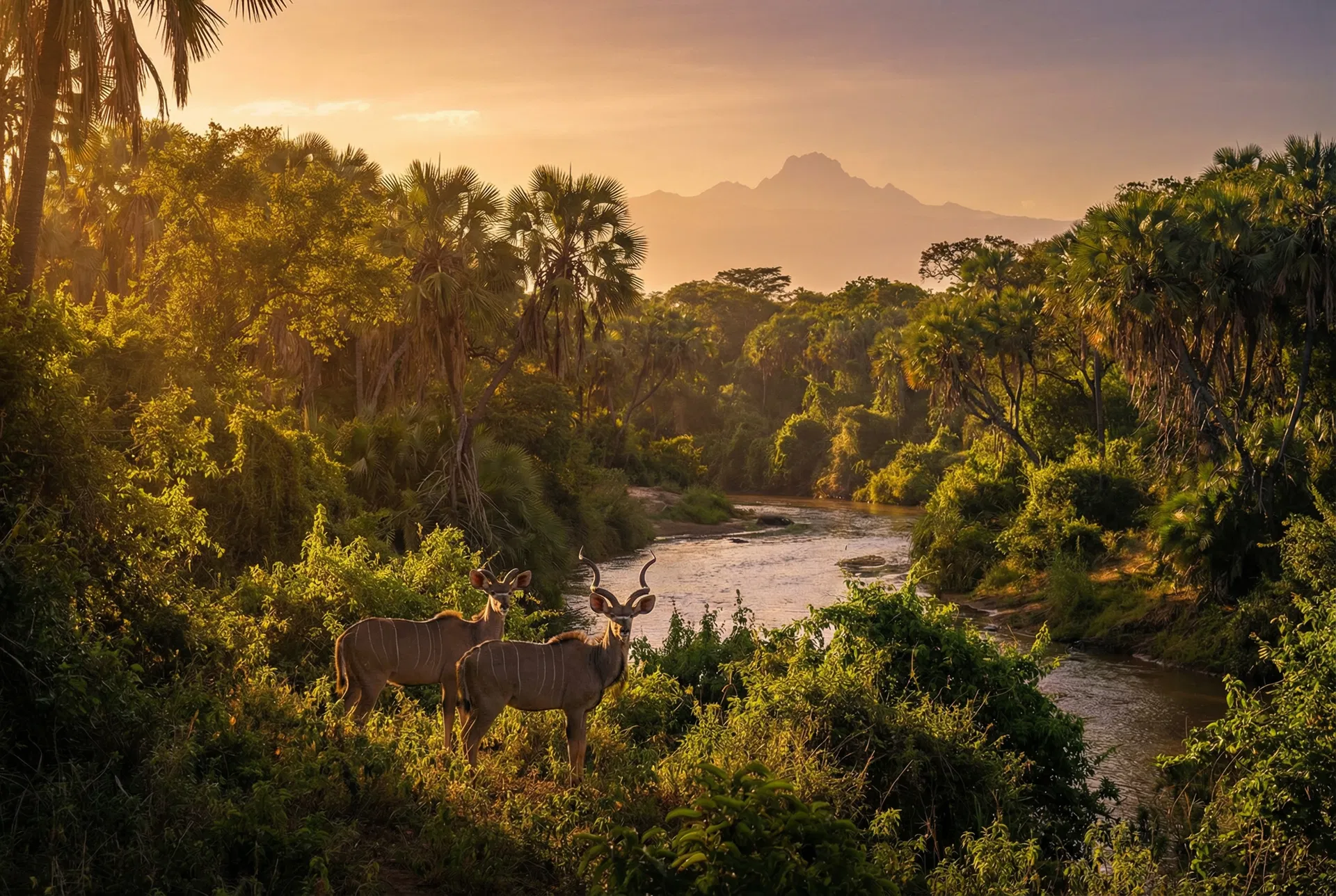
_Meru National Park, a gem in the heart of Kenya, offers a truly wild and exclusive safari experience. This guide provides an in-depth look at what makes Meru a unique and compelling destination for the discerning safari traveler._
Destination Overview
Meru National Park, located in the heart of Kenya, is a destination that embodies the untamed spirit of the African wilderness. A vast and rugged landscape, it was made famous by the conservationists George and Joy Adamson and their work with Elsa the lioness, as chronicled in the book and film "Born Free." Today, Meru stands as a testament to successful conservation efforts, having been revitalized from a state of near-ruin to a thriving wildlife haven. Its relative seclusion offers a more private and intimate safari experience, away from the more crowded parks in Kenya. Visitors are drawn to Meru for its dramatic scenery, diverse ecosystems, and the opportunity to see a wide array of wildlife, including some of the "Big Five" and rare northern species. [1]
Wildlife Highlights
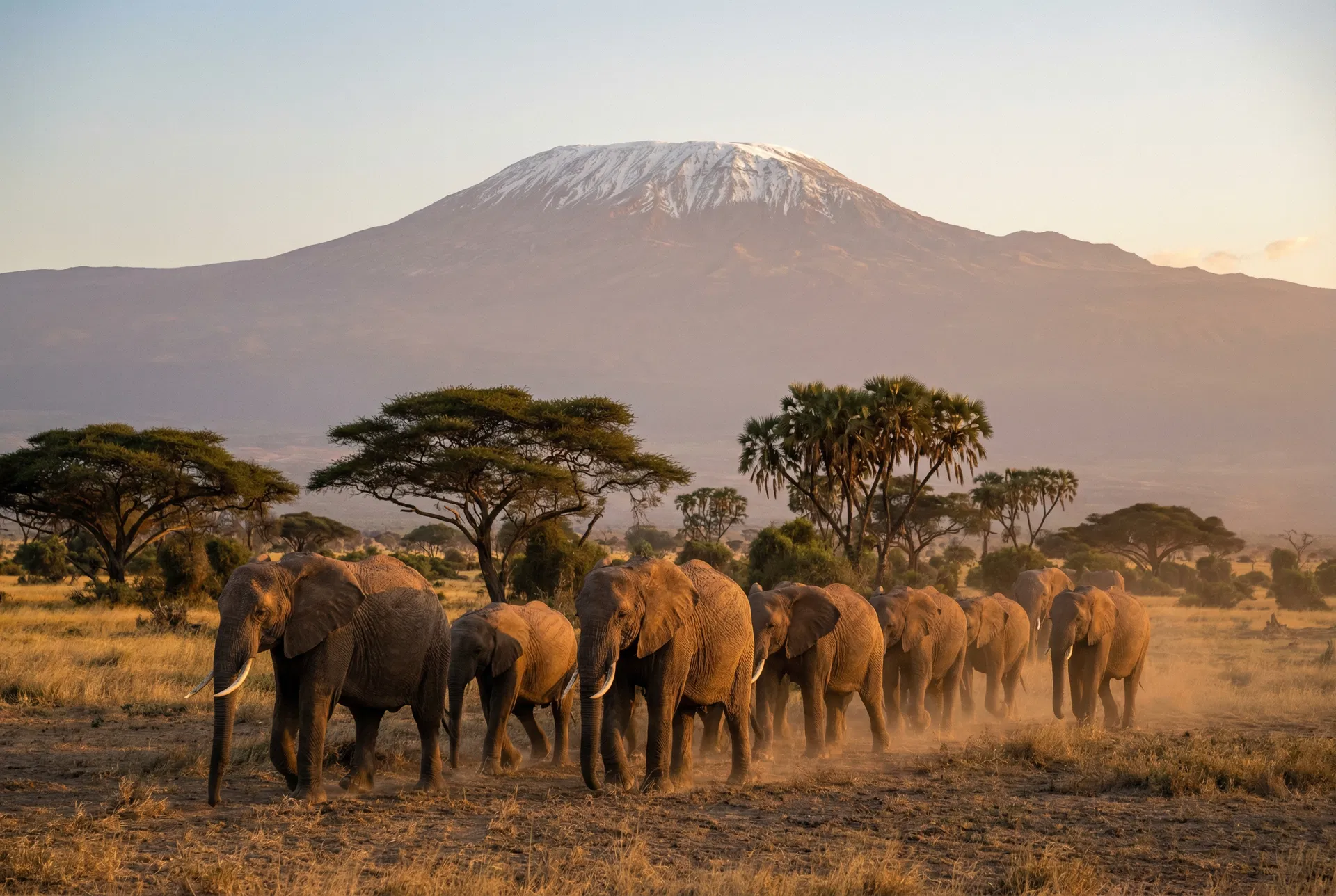
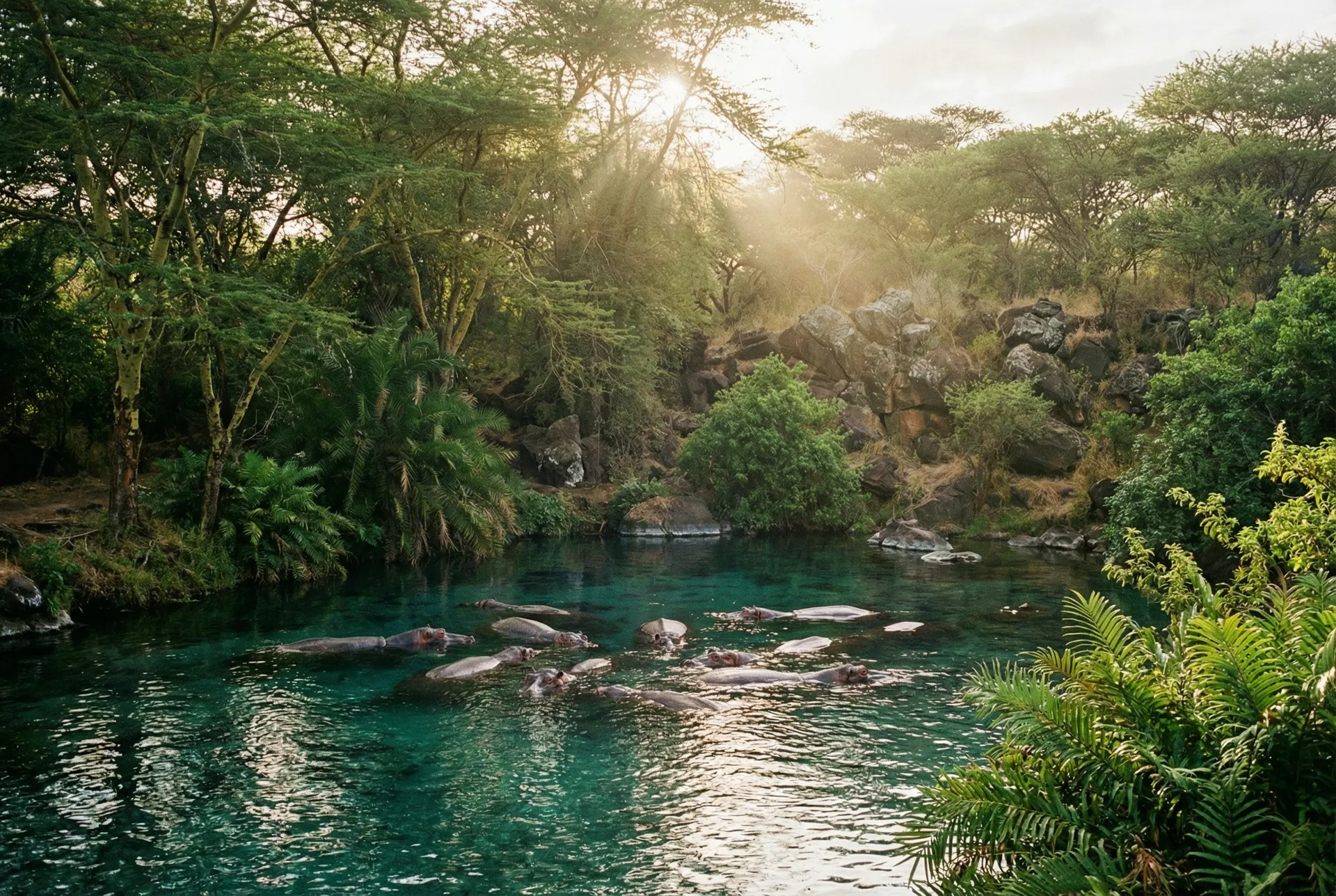
Meru National Park is a sanctuary for a remarkable diversity of wildlife, offering a unique blend of both southern and northern species. The park is one of the few places in Kenya where you can see the “Big Five”: African bush elephant, lion, African leopard, both eastern black and southern white rhinoceros, and Cape buffalo. Beyond these iconic animals, Meru is also a stronghold for some of the country's most unique and endangered species. Here, you can find the northern five: Grévy's zebra, the reticulated giraffe, the Somali ostrich, the gerenuk, and the Beisa oryx. The park's thirteen rivers and numerous streams are home to a healthy population of hippos and crocodiles. Birdlife is equally prolific, with over 400 recorded species, making it a paradise for ornithologists. [2]
Best Time to Visit
Meru National Park can be visited year-round, but the best wildlife viewing is during the dry seasons, from June to September and from December to March. During these months, the vegetation is less dense, and animals congregate around the rivers and waterholes, making them easier to spot. The long dry season from June to September is generally considered the best time to visit, with pleasant daytime temperatures and minimal rainfall. The short dry season from December to March is also excellent, though it can be hotter and more humid. The two rainy seasons are the long rains from April to June and the short rains from October to December. While the park is lush and green during the wet seasons, wildlife viewing can be more challenging due to the dense vegetation and dispersed animals. Some roads may also become impassable during heavy rains.
Safari Experience
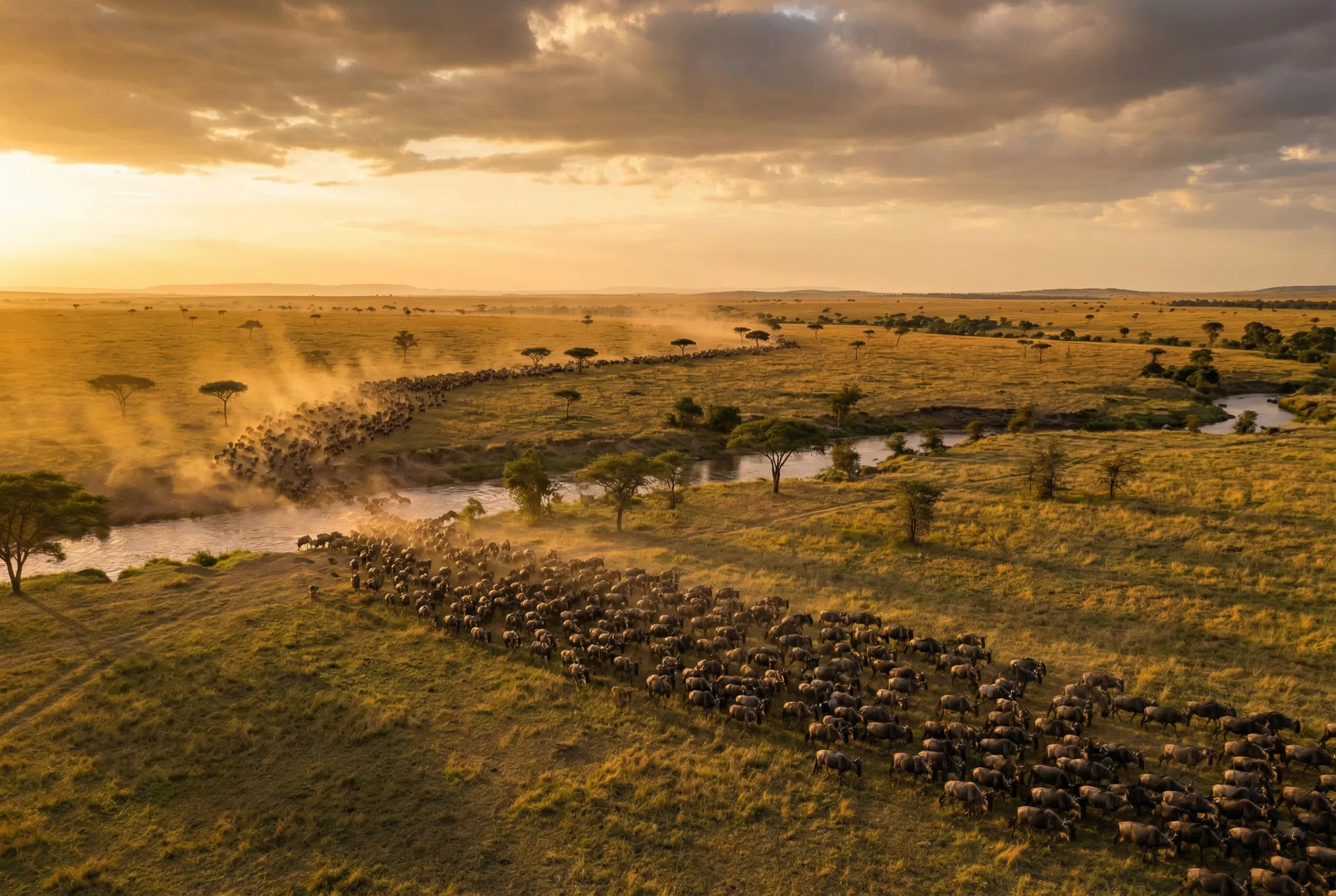
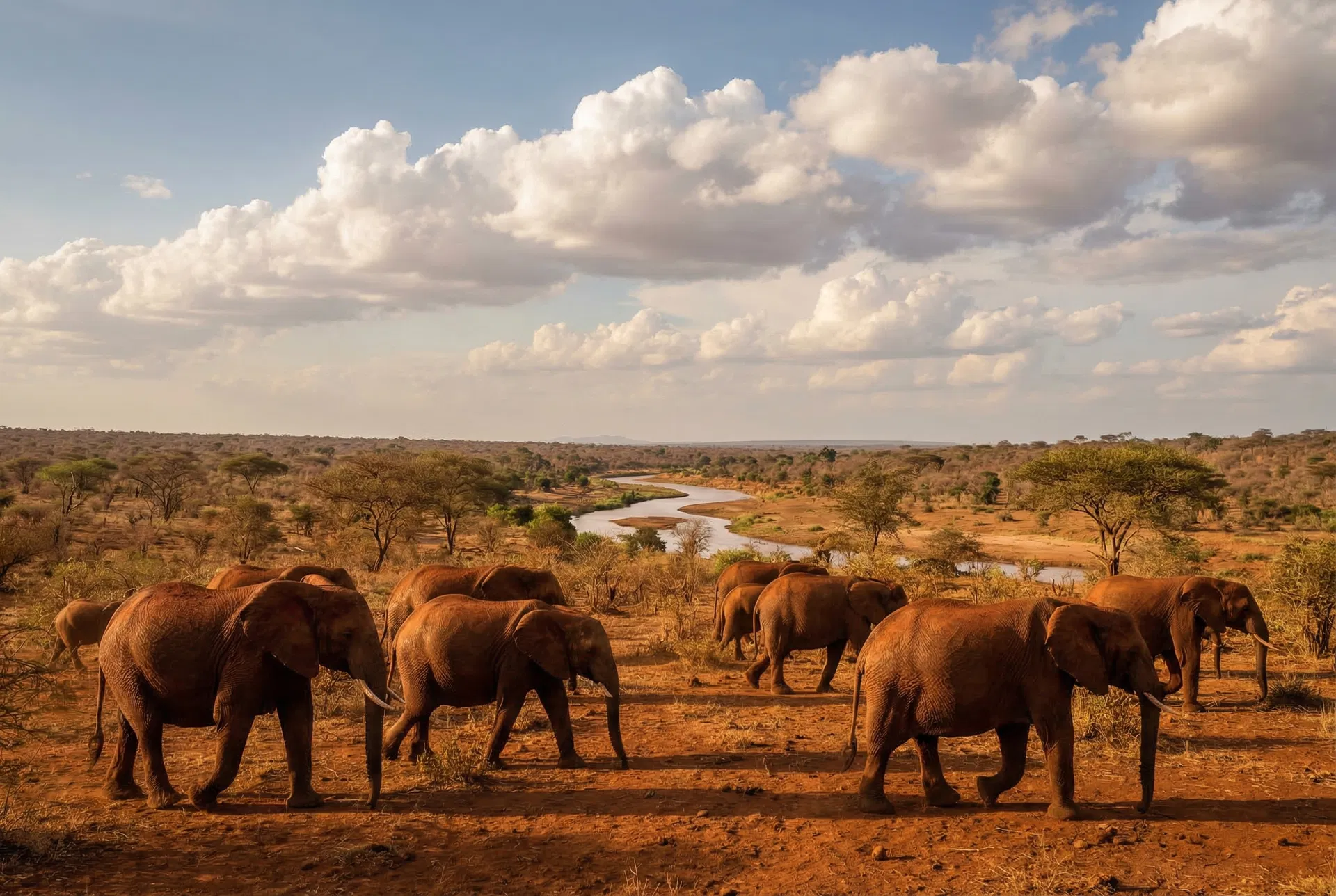
The safari experience in Meru National Park is characterized by its sense of solitude and adventure. With fewer visitors than Kenya's more famous parks, Meru offers a more exclusive and personal encounter with the African bush. Game drives are the primary way to explore the park's vast and varied landscapes, with knowledgeable guides leading you in search of its diverse wildlife. The park's rugged terrain and network of rivers make for exciting and unpredictable game drives, with the chance to encounter everything from large herds of elephants to elusive leopards. In addition to traditional vehicle safaris, some lodges in and around the park offer guided bush walks, providing an opportunity to experience the wilderness on a more intimate level. The legacy of Joy and George Adamson adds a unique historical and conservation-focused element to the safari experience in Meru.
Landscape and Ecosystem
Meru National Park boasts a remarkably diverse landscape, a key factor in its rich biodiversity. The park is defined by the numerous rivers and streams that flow from the nearby Nyambeni Hills, creating a mosaic of lush riverine forests, dense woodlands, and open grasslands. Towering doum palms and majestic baobab trees dot the landscape, giving it a prehistoric feel. The western part of the park receives higher rainfall, resulting in taller grasses and thicker bush, while the eastern section is more arid, characterized by acacia woodlands and scrubland. This variety of habitats supports a wide range of species, each adapted to its specific environment. The Tana River, which marks the park's southern boundary, is a major life source, attracting large concentrations of wildlife and contributing to the park's overall ecological significance.
Safari Activities
Meru National Park offers a range of activities that allow visitors to immerse themselves in its pristine wilderness. The primary activity is, of course, game viewing, with both morning and afternoon game drives providing opportunities to see the park's incredible wildlife. Birdwatching is another popular pursuit, with the park's diverse habitats attracting a vast array of bird species. For a more immersive experience, guided bush walks are available, offering a chance to learn about the smaller flora and fauna of the park. Fishing is possible in some of the rivers, with a permit. A visit to the former home of George and Joy Adamson, and the grave of Elsa the lioness, provides a fascinating insight into the history of conservation in the area. Finally, a visit to the Tana River offers the chance to see hippos and crocodiles, as well as a variety of water birds.
Where It Is Located
Meru National Park is situated in central Kenya, east of the town of Meru. It is approximately 350 kilometers (220 miles) northeast of Nairobi, the capital city. The park is accessible by road from Nairobi, a journey that takes around 5-6 hours. Alternatively, visitors can fly into one of the park's airstrips from Wilson Airport in Nairobi, a flight that takes approximately one hour. The park's location, straddling the equator, contributes to its unique climate and diverse ecosystems. [1]
Who This Destination Is Best For
Meru National Park is an ideal destination for travelers seeking an authentic and off-the-beaten-path safari experience. Its remote location and lower visitor numbers appeal to those who want to escape the crowds and immerse themselves in a truly wild environment. The park is particularly well-suited for seasoned safari-goers who have already visited the more popular parks and are looking for a new and different experience. Wildlife enthusiasts and photographers will appreciate the opportunity to see rare and unusual species, such as the northern five. The park's connection to the story of Elsa the lioness also makes it a compelling destination for those interested in the history of conservation. While Meru may not be the best choice for first-time safari visitors who want to see the "Big Five" in a short amount of time, it offers a deeply rewarding experience for those with a sense of adventure and a love for the untamed African wilderness.
References
[1] [Meru National Park - Wikipedia](https://en.wikipedia.org/wiki/Meru_National_Park)
[2] [Meru National Park | Kenya Wildlife Service](https://www.kws.go.ke/meru-national-park)