
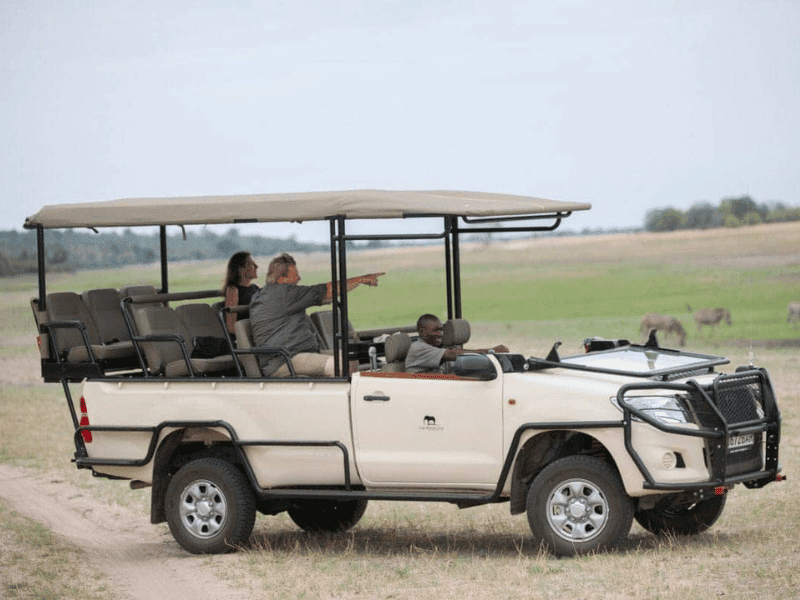
A comprehensive guide to Tanzania Safari Culture and Customs. Learn everything you need to know for your next safari adventure.
Introduction to Tanzania Safari Culture and Customs
Understanding tanzania safari culture and customs is essential for anyone planning a safari in Africa. This topic encompasses a range of considerations that can significantly impact your travel experience, from practical logistics to wildlife encounters that create lasting memories.
Key Details and Considerations
Delving deeper into tanzania safari culture and customs, travelers discover that Africa's safari industry has evolved significantly over the past decades. Modern safari experiences combine traditional wilderness exploration with contemporary comfort and conservation awareness. The key is finding the right balance for your travel style and budget, which our cost calculator can help you determine.
Still researching? Let us help.
Our advisory team has planned safaris across 9 African countries. We can turn your research into a real plan.
Talk to an AdvisorPractical Advice
Putting your knowledge of tanzania safari culture and customs into practice requires a systematic approach. Begin by defining your priorities and non-negotiables, then research destinations and operators that align with your vision. Our operator directory features thousands of safari companies across 17 African countries. Compare options carefully, read reviews, and don't hesitate to ask detailed questions before committing to a booking.
Expert Insights
Industry experts emphasize that tanzania safari culture and customs continues to evolve as safari tourism grows and adapts to new challenges. Conservation-focused tourism, community engagement, and sustainable practices are increasingly important considerations for discerning travelers. By choosing operators who prioritize these values, you contribute to the long-term preservation of Africa's wild places. Browse our operator directory to find companies committed to responsible tourism.
Planning Your Next Steps
In summary, tanzania safari culture and customs is a multifaceted topic that rewards careful study and thoughtful planning. Whether you're a first-time safari traveler or a returning enthusiast, staying informed about the latest developments and best practices ensures the best possible experience. Explore our destinations, consult our safari operators, and use our cost calculator to begin planning your African adventure today.
Done Reading? Let's Build Your Safari.
Skip the guesswork. Work with an advisor who has been on the ground across East and Southern Africa.
Plan With UsRespectful Greetings and Cultural Etiquette
In Tanzania, greetings are a cornerstone of social interaction and a sign of respect. While English is common in tourist areas, learning a few Swahili phrases will be warmly received. The most common greeting you'll hear is "Jambo," a friendly, informal hello. For a more respectful greeting, especially when addressing elders, use "Hujambo" (to one person) or "Hamjambo" (to a group). The expected response is "Sijambo" (I am fine).
A handshake is a customary greeting, but always use your right hand. The left hand is considered unclean in many local cultures. When receiving a gift or paying for goods, it is also polite to use your right hand, or both hands, to show gratitude and respect. Tanzanian culture places a high value on respecting elders, so always greet them first and speak to them with deference.
A Deeper Look: Engaging with Maasai Communities
One of the most memorable cultural experiences in Tanzania is an opportunity to interact with the Maasai people, who are iconic to the landscapes of Northern Tanzania, particularly around the Ngorongoro Conservation Area and the Serengeti ecosystem. The Maasai are a semi-nomadic people whose pastoralist lifestyle has coexisted with the region's wildlife for centuries.
Many safari itineraries offer a visit to a Maasai boma, or village. A well-managed cultural visit, arranged through a reputable operator, offers a genuine glimpse into their unique way of life. For example, upon arrival at a village near the Ngorongoro Crater, you might be greeted with a traditional welcome song and dance—the adumu, or "jumping dance," performed by the warriors. You may be invited into a home to see how the family lives and learn about their customs and social structure. It is crucial to ensure these visits are authentic and ethically managed, providing direct economic benefits to the community rather than being purely performative. A responsible advisory firm can connect you with operators who facilitate respectful and meaningful cultural exchanges.
Appropriate Dress for Safari and Beyond
While on a game drive in national parks like the Serengeti or Tarangire, neutral-colored, lightweight clothing is standard. However, understanding the cultural context of dress in Tanzania is crucial, especially when you step outside the safari vehicle. Tanzania is a conservative country, with a significant Muslim population, particularly on the island of Zanzibar. In towns, villages, and especially in Stone Town, Zanzibar, modesty is highly valued. Both men and women should ensure their shoulders and knees are covered. For women, this means avoiding tank tops, short shorts, and short skirts. A lightweight long-sleeved shirt or a pashmina to cover the shoulders is a practical item to carry. For men, shorts are generally acceptable, but long trousers are more respectful when visiting a local home or a religious site. Adhering to this dress code is a simple yet profound sign of respect for the local culture.
| Location | Recommended Attire | Not Recommended | | :------------------- | :------------------------------------------------------- | :-------------------------------------------------- | | Safari Game Drive | Neutral colors (khaki, green, brown), layers, sun hat | Bright colors (blue/black attract tsetse flies), camouflage | | Arusha/Moshi Town | Long trousers or skirts, t-shirts, casual shirts | Revealing clothing, very short shorts | | Stone Town, Zanzibar | Long skirts/trousers, tops covering shoulders | Tank tops, short skirts, beachwear away from the beach | | Local Village Visit | Conservative dress; women cover shoulders and knees | Anything flashy or revealing |
Navigating Tipping and Gift-Giving
Tipping is a customary practice in Tanzania's tourism industry and a vital part of the income for many service workers. While it is discretionary, it is highly expected for good service. It's best to tip directly to the individual in Tanzanian Shillings or US Dollars (notes from 2009 or newer are preferred). Our safari operators can provide the most current advice before your trip.
Here are some general guidelines for tipping:
- Safari Guide/Driver: This is your most important tip, as your guide is with you for the duration of your safari. A standard amount is $20-25 USD per guest, per day. For exceptional service, you can certainly offer more.
- Lodge/Camp Staff: Most lodges have a central "tip box" to ensure all staff members (kitchen, housekeeping, security) receive a share. A contribution of $10-15 USD per guest, per day is a good benchmark.
- Porters and Transfer Drivers: For carrying your luggage or providing a short transfer, a tip of $1-2 USD is appropriate.
- Cultural Village Visits: If you visit a Maasai boma, your tour operator has likely paid a fee. However, if you purchase crafts directly from the artisans, you are already contributing. If you feel compelled to give more, a direct donation to the village elder or a community project (like a school) is a thoughtful gesture.
When it comes to gift-giving, it is better to bring items that are useful for the community rather than individual handouts, which can encourage a culture of begging. School supplies, books, or basic medical supplies can be donated through your lodge or a local school. Always consult with your safari operator for the best way to contribute meaningfully.
Photography Ethics: A Sign of Respect
Capturing memories through photography is a highlight for many, but it comes with ethical responsibilities. In Tanzania, it is considered rude to take someone's picture without asking for their permission first. This is especially true for the Maasai, who are often the subject of tourist photography. Always ask your guide to help you communicate your request. Some individuals may ask for a small fee in exchange for a photo; this is a personal choice, but be prepared for this possibility.
Never take photos of children without the explicit consent of their parents. Be mindful in sensitive locations such as markets, places of worship, or near people's homes. A respectful photographer builds bridges, and a simple smile and a gesture towards your camera are often all that is needed to get a positive response. This approach fosters a more genuine and respectful interaction than a quickly stolen snapshot.
Need Expert Safari Guidance?
Get expert advisory support from a firm founded by a former safari guide — with real operational knowledge across 9 African countries and full-journey accountability.
Related Planning Guides
Recommended Reading
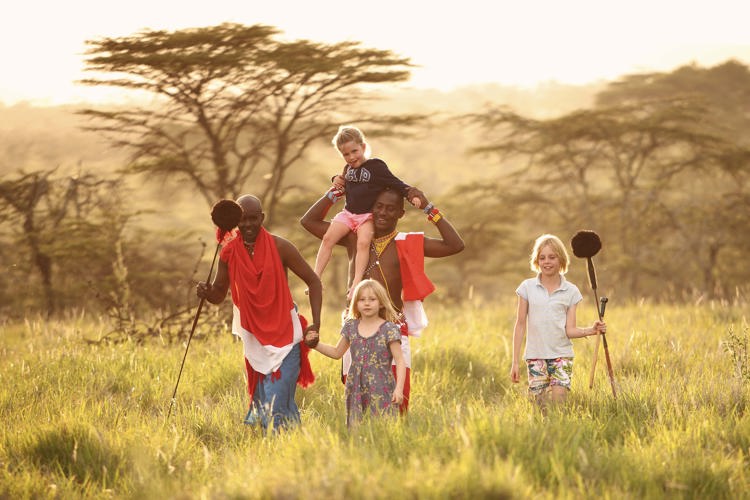 Country Guides
Kenya Safari Culture and Customs
A comprehensive guide to Kenya Safari Culture and Customs. Learn everything you need to know for your next safari adventure.
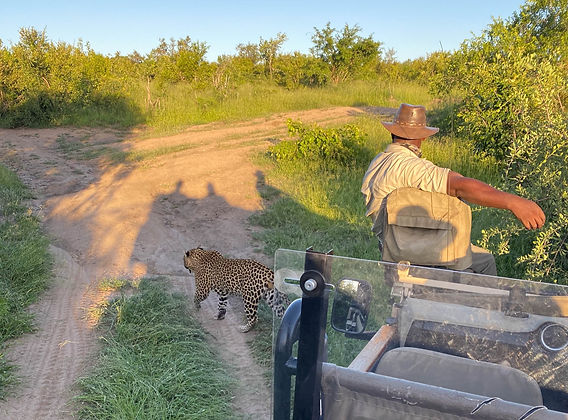 Country Guides
Botswana Safari Culture and Customs
A comprehensive guide to Botswana Safari Culture and Customs. Learn everything you need to know for your next safari adventure.
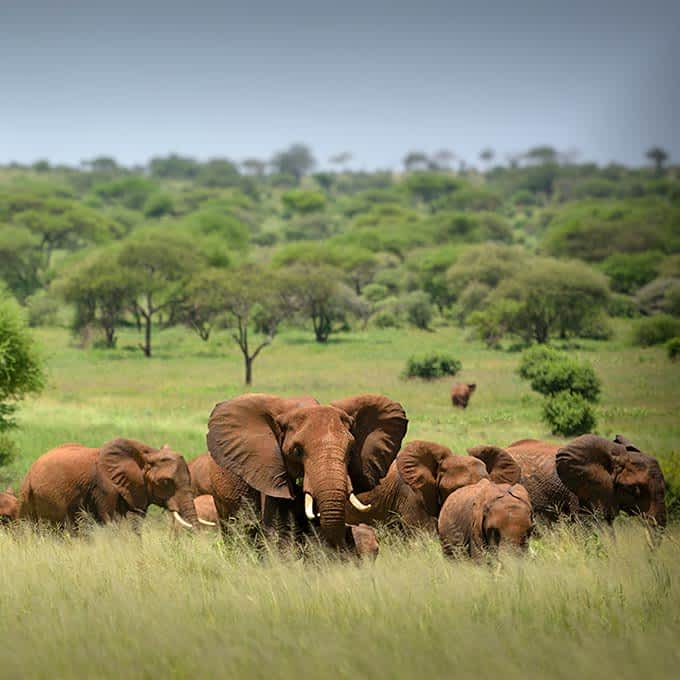 Country Guides
South Africa Safari Culture and Customs
A comprehensive guide to South Africa Safari Culture and Customs. Learn everything you need to know for your next safari adventure.
 Safari Planning Guides
How to Plan a 7-Day Safari in Tanzania
Discover how to plan your dream safari with our expert guide on How to Plan a 7-Day Safari in Tanzania. Get tips on destinations, costs, and more.
 Safari Cost Guides
How Much Does a Tanzania Safari Cost in 2026
Planning a safari? Learn about how much does a tanzania safari cost in 2026. Get expert advice and insights from Safari Intelligence to plan your perfect trip.
 Safari Comparison Articles
Tanzania vs Kenya – Which Country Is Better for Safari
Learn about tanzania vs kenya – which country is better for safari in this comprehensive safari guide covering key insights and practical advice.