
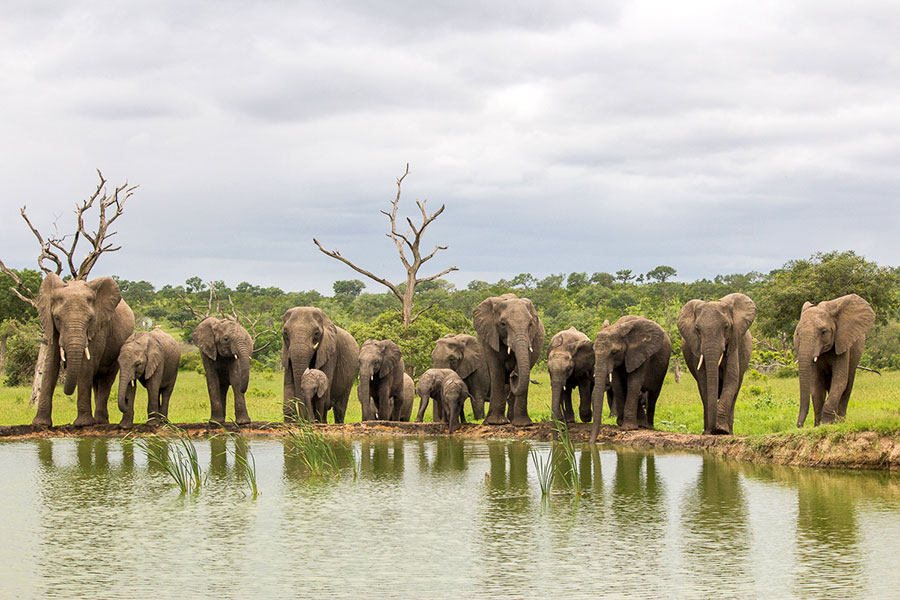
Learn about tanzania vs kenya – which country is better for safari in this comprehensive safari guide covering key insights and practical advice.
Overview
When comparing safari options, tanzania vs kenya – which country is better for safari is a question that many travelers wrestle with during the planning process. Each option offers distinct advantages, and the best choice depends on your priorities, travel style, and what you hope to experience. This detailed comparison examines the key differences to help you make an informed decision.
Detailed Analysis
When examining tanzania vs kenya – which country is better for safari in detail, several important factors come into play. The geographic diversity of African safari destinations means that conditions, pricing, and experiences vary considerably from one region to another. East Africa's open savannas present different considerations than Southern Africa's bushveld or the rainforests of Central Africa. Our destination guides provide region-specific information to help you understand these differences and plan accordingly.
Still researching? Let us help.
Our advisory team has planned safaris across 9 African countries. We can turn your research into a real plan.
Talk to an AdvisorPractical Guidance
The practical implications of tanzania vs kenya – which country is better for safari extend beyond the planning phase into the safari itself. Being well-informed allows you to make better real-time decisions, whether that means adjusting your itinerary based on wildlife movements, understanding the value proposition of different upgrade options, or knowing when to trust your guide's recommendations. Start with our planning resources for a structured approach to turning knowledge into action.
Expert Insights
Leading safari guides and travel professionals agree that tanzania vs kenya – which country is better for safari is an area where knowledge creates meaningful advantages. As the industry evolves and traveler expectations shift, staying informed helps you identify genuine value and avoid common pitfalls. Browse our operator directory to connect with companies that demonstrate transparency, quality, and commitment to responsible tourism.
Planning Your Next Steps
As you continue planning your African safari, keep the insights from tanzania vs kenya – which country is better for safari in mind as valuable reference points. The more thoroughly you understand the various dimensions of safari travel, the better positioned you'll be to create an experience that exceeds your expectations. Explore our destinations, browse the knowledge center, and connect with our safari operators to take the next confident step in your journey.
Done Reading? Let's Build Your Safari.
Skip the guesswork. Work with an advisor who has been on the ground across East and Southern Africa.
Plan With UsThe Great Migration: Two Perspectives
A primary factor for many travelers is witnessing the Great Wildebeest Migration, and the experience differs significantly between the two countries. In Tanzania, the Serengeti National Park hosts the migration for the majority of the year. From January to March, the southern plains near the Ngorongoro Conservation Area become a massive calving ground, where hundreds of thousands of wildebeest give birth. This spectacle of new life, and the attendant predator action, is a powerful and unique safari experience. As the herds move north, the sheer scale of the Serengeti's endless plains becomes apparent.
Kenya's chapter of the migration, typically from July to October, is defined by a singular, dramatic event: the Mara River crossing. The herds congregate on the banks of the crocodile-infested river before making the perilous plunge across into the Maasai Mara National Reserve. While this offers some of the most intense and sought-after wildlife viewing, it is a concentrated event in a smaller geographic area, often attracting significant crowds.
Safari Costs and Budget Considerations
Budget is a critical differentiator. Generally, Kenya offers a broader spectrum of pricing, making it more accessible for travelers on a tighter budget. The proximity of Nairobi to major parks like the Maasai Mara and Amboseli reduces transfer costs, and a wider variety of lodging—from public campsites to mid-range lodges—provides more flexibility. A mid-range lodge safari in Kenya might range from $400-$600 per person, per day.
Tanzania, particularly its famed Northern Circuit (Serengeti, Ngorongoro Crater, Tarangire), tends to be more expensive. Higher park fees, with the Ngorongoro Crater Conservation Area commanding a premium, contribute significantly to the cost. Furthermore, the circuit-style itineraries covering vast distances necessitate more complex logistics and transportation, driving up the price. A comparable mid-range safari in Northern Tanzania often starts at $600-$800 per person, per day. While Tanzania's southern parks like Ruaha and Nyerere National Park (formerly Selous) offer a more remote and exclusive experience, they also come with higher logistical costs.
Park Diversity and Landscape
Beyond the shared Serengeti-Mara ecosystem, both countries offer a stunning diversity of landscapes and wildlife experiences. A key difference lies in their flagship safari circuits.
Tanzania’s Northern Circuit is legendary, encompassing several distinct environments. Tarangire National Park, with its iconic baobab-studded landscape, is famous for its massive elephant herds, especially during the dry season (June to October). The Ngorongoro Crater, a UNESCO World Heritage Site, is a self-contained ecosystem within a massive volcanic caldera, offering an incredibly high density of wildlife, including the Big Five, in a relatively small area. A game drive here feels like descending into a lost world. Finally, the vast, seemingly endless plains of the Serengeti provide the classic, wide-open savanna experience that many imagine when they think of an African safari.
Kenya’s parks offer their own unique appeal. Amboseli National Park, in the south, is renowned for its large elephant populations and the breathtaking backdrop of a snow-capped Mount Kilimanjaro just across the border in Tanzania. Further north, the semi-arid landscapes of Samburu National Reserve provide a completely different safari experience, hosting unique species known as the “Samburu Special Five”: the Grevy’s zebra, reticulated giraffe, Somali ostrich, gerenuk, and beisa oryx. This makes Kenya an excellent choice for repeat visitors looking to see wildlife not found in the Mara.
Crowd Levels and Exclusivity
While both destinations can be busy during peak season (July-September), the structure of their safari industries creates different experiences regarding crowd levels. Kenya’s tourism infrastructure is more developed, with a higher density of lodges and camps in and around the Maasai Mara. This can lead to a higher concentration of vehicles at wildlife sightings, particularly during the river crossings. However, private conservancies bordering the main reserve, such as the Mara North or Naboisho Conservancies, offer a more exclusive experience with stricter limits on vehicle numbers, off-road driving, and night game drives—privileges not typically available inside the national reserve itself.
Tanzania, due to its larger park sizes and higher government-mandated park fees, often feels less crowded. The sheer scale of the Serengeti allows for a greater dispersal of visitors. For those seeking true remoteness, Tanzania’s Southern Circuit, including Ruaha National Park and Nyerere National Park (formerly Selous Game Reserve), offers a wilder, more untouched safari experience. These parks are more challenging and expensive to access, typically requiring fly-in safaris, but they reward visitors with a profound sense of solitude and adventure, with very few other vehicles in sight.
Head-to-Head Comparison: Kenya vs. Tanzania
To make the choice clearer, here is a direct comparison of the key factors for planning a safari in either country. This table provides a high-level overview to help you align your priorities with the right destination. For more detailed information, consult our destination guides or connect with our safari operators.
| Feature | Kenya | Tanzania | | :--- | :--- | :--- | | Primary Appeal | Dramatic Mara River crossings, iconic views of Kilimanjaro from Amboseli, cultural interactions with Maasai. | The sheer scale of the Serengeti, Ngorongoro Crater's unique ecosystem, wildebeest calving season. | | Key Parks | Maasai Mara, Amboseli, Samburu, Lake Nakuru. | Serengeti, Ngorongoro Crater, Tarangire, Lake Manyara. | | Wildlife Highlights | High density of predators, the “Samburu Special Five,” large elephant herds in Amboseli. | The Great Migration (most of the year), incredible predator density in the Crater, tree-climbing lions. | | Crowd Factor | Can be high in the Maasai Mara; private conservancies offer exclusivity. | Generally lower due to park size; Southern Circuit is very remote and uncrowded. | | Typical Mid-Range Cost | $400 - $700 per person/day. | $600 - $900 per person/day. | | Gateway Airports | Jomo Kenyatta International (NBO) in Nairobi. | Kilimanjaro International (JRO) for the Northern Circuit; Dar es Salaam (DAR) for the Southern Circuit. | | Visa & Logistics | Single-entry eVisa approx. $51 USD. Well-developed road network to major parks. | Single-entry eVisa approx. $100 USD for US citizens, $50 for others. Larger distances often require internal flights. |
Which is Right for You? Real-World Scenarios
Choose Kenya if:
- You are a first-time safari-goer on a relatively tighter budget.
- Your primary goal is to witness a dramatic Great Migration river crossing (July-October).
- You have a shorter time frame (7-8 days) and want to minimize travel time between parks.
- You are interested in seeing the unique species of the north, like the Grevy's zebra and reticulated giraffe.
Choose Tanzania if:
- You have a more flexible budget and can afford the higher park fees and logistical costs.
- You want to experience the vast, unfenced wilderness of the Serengeti and the unique Ngorongoro Crater.
- You wish to see the wildebeest calving season (January-March), a spectacle of new life.
- You prioritize lower crowd levels and a sense of remote, untouched Africa, especially in the Southern Circuit.
Need Expert Safari Guidance?
Get expert advisory support from a firm founded by a former safari guide — with real operational knowledge across 9 African countries and full-journey accountability.
Related Planning Guides
Recommended Reading
 Safari Comparison Articles
Serengeti vs Masai Mara – Which Is Better for Safari
Learn about serengeti vs masai mara – which is better for safari in this comprehensive safari guide covering key insights and practical advice.
 Safari Comparison Articles
Botswana vs Tanzania – Safari Comparison
Learn about botswana vs tanzania – safari comparison in this comprehensive safari guide covering key insights and practical advice.
 Safari Comparison Articles
South Africa vs Kenya – Safari Comparison
Learn about south africa vs kenya – safari comparison in this comprehensive safari guide covering key insights and practical advice.
 Country Guides
Complete Safari Guide to Tanzania
Your complete guide to Complete Safari Guide to Tanzania. Find the best destinations, planning tips, and more for your next safari adventure.
 Country Guides
Complete Safari Guide to Kenya
Your complete guide to Complete Safari Guide to Kenya. Find the best destinations, planning tips, and more for your next safari adventure.
 Country Guides
Tanzania Safari Currency and Money Guide
A comprehensive guide to Tanzania Safari Currency and Money Guide. Learn everything you need to know for your next safari adventure.