
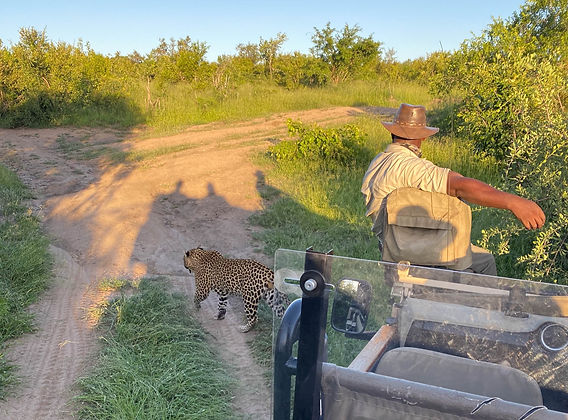
A comprehensive guide to Botswana Safari Culture and Customs. Learn everything you need to know for your next safari adventure.
Introduction to Botswana Safari Culture and Customs
When it comes to botswana safari culture and customs, experienced safari travelers know that preparation makes all the difference. Africa's diverse landscapes and ecosystems offer unique opportunities, and knowing what to expect helps you make the most of every moment on safari.
Key Details and Considerations
Delving deeper into botswana safari culture and customs, travelers discover that Africa's safari industry has evolved significantly over the past decades. Modern safari experiences combine traditional wilderness exploration with contemporary comfort and conservation awareness. The key is finding the right balance for your travel style and budget, which our cost calculator can help you determine.
Still researching? Let us help.
Our advisory team has planned safaris across 9 African countries. We can turn your research into a real plan.
Talk to an AdvisorPractical Advice
Putting your knowledge of botswana safari culture and customs into practice requires a systematic approach. Begin by defining your priorities and non-negotiables, then research destinations and operators that align with your vision. Our operator directory features thousands of safari companies across 17 African countries. Compare options carefully, read reviews, and don't hesitate to ask detailed questions before committing to a booking.
Expert Insights
Industry experts emphasize that botswana safari culture and customs continues to evolve as safari tourism grows and adapts to new challenges. Conservation-focused tourism, community engagement, and sustainable practices are increasingly important considerations for discerning travelers. By choosing operators who prioritize these values, you contribute to the long-term preservation of Africa's wild places. Browse our operator directory to find companies committed to responsible tourism.
Planning Your Next Steps
To wrap up, mastering botswana safari culture and customs is an investment that pays dividends throughout your safari journey. The more you understand about Africa's diverse ecosystems, wildlife, and tourism infrastructure, the better equipped you'll be to make decisions that lead to extraordinary experiences. Start your planning journey with our comprehensive knowledge center and connect with our team of experienced safari operators for personalized guidance.
Done Reading? Let's Build Your Safari.
Skip the guesswork. Work with an advisor who has been on the ground across East and Southern Africa.
Plan With UsThe Bedrock of Botswana's Safari: The "High-Value, Low-Impact" Model
Botswana’s approach to tourism is a masterclass in sustainable conservation, built on a philosophy of “High-Value, Low-Impact.” This model, championed by the government since the 1990s, deliberately favors a smaller number of visitors who pay a premium for exclusive, high-quality safari experiences. The core idea is to minimize the human footprint on the country's pristine wilderness areas while maximizing the economic benefits for conservation and local communities. This stands in stark contrast to the mass-market tourism models seen in other parts of the world, which can lead to overcrowding, environmental degradation, and a diminished wildlife experience.
For the traveler, this translates to a more intimate and authentic safari. Instead of sharing a wildlife sighting with a dozen other vehicles, you might be the only one there. Camps and lodges are typically small, unfenced, and designed to blend seamlessly into the environment. This exclusivity comes at a price—Botswana is one of Africa’s most expensive safari destinations. However, the investment directly supports one of the most successful conservation stories on the continent. A significant portion of the revenue generated from park fees and tourism levies is funneled back into anti-poaching patrols, habitat management, and community development projects. Our safari operators can help you understand the value proposition and find options that align with your budget and conservation values.
> Expert Insight: The Okavango Delta's photographic safaris are a prime example of the high-value model in action. Operators like Great Plains Conservation and Wilderness Safaris manage vast private concessions, ensuring that your game drives are uncrowded and the wildlife is undisturbed. This is the essence of a Botswana safari: quality over quantity.
Community-Based Tourism: A Partnership for People and Wildlife
Integral to Botswana's conservation success is its commitment to Community-Based Tourism (CBT). This isn't just a buzzword; it's a fundamental part of the national development strategy. CBT initiatives empower local communities, many of whom have coexisted with wildlife for centuries, to benefit directly from tourism. By leasing their ancestral lands to safari operators or running their own tourism enterprises, communities gain a tangible economic stake in the preservation of their natural heritage. This creates a powerful incentive to protect wildlife and combat poaching.
When you stay at a lodge that partners with a local community, you are contributing to a sustainable cycle of empowerment. These partnerships fund schools, healthcare clinics, and infrastructure projects. They also create jobs and provide skills training, offering alternative livelihoods to subsistence farming or poaching. Many lodges offer opportunities for guests to engage with the local community through village visits, cultural performances, or craft market shopping. These interactions, when managed responsibly, can be a rich and rewarding part of your safari experience, offering a deeper understanding of the local culture and way of life.
> Traveler's Tip: When considering a village visit, ask your safari operator about their relationship with the community. Reputable operators will have long-standing, respectful partnerships that ensure the visit is a positive experience for both guests and residents. Our knowledge center has more information on ethical travel practices.
Cultural Etiquette for Village Visits
A visit to a local village can be a highlight of your Botswana safari, offering a glimpse into a way of life that is both ancient and modern. To ensure these encounters are respectful and rewarding for everyone, it's important to be mindful of local customs.
- Dress Modestly: While safari attire is generally casual, it's a sign of respect to dress more conservatively when visiting a village. Women should ensure their shoulders and knees are covered, and men should wear long trousers and a shirt.
- Ask Before Photographing: Always ask for permission before taking someone's photograph, especially of children. Some people may be happy to be photographed, while others may not. Respect their wishes.
- Gift-Giving: If you wish to bring gifts, it's best to give them to the village headman or your guide to distribute appropriately. Avoid giving sweets or money directly to children, as this can encourage begging. Practical gifts like school supplies or medical essentials are often appreciated.
- Greetings: A simple greeting in the local language, Setswana, will be warmly received. "Dumela" (doo-MEH-lah) is a universal greeting for "hello."
By approaching these experiences with humility and a genuine desire to learn, you can foster a meaningful connection that transcends cultural boundaries. For more tips on preparing for your trip, explore our guide on planning your safari.
The Art of Tipping on Safari
Tipping is a customary way to show appreciation for good service on a Botswana safari, but it can also be a source of confusion for travelers. While never mandatory, tips are a significant part of the income for many safari staff, from guides and trackers to camp managers and housekeeping staff.
Here are some general guidelines to help you navigate the tipping culture:
| Recipient | Suggested Amount (per guest, per day) | | ------------------- | ----------------------------------------- | | Safari Guide | $15 - $20 USD | | Tracker | $10 - $15 USD | | General Camp Staff | $10 - $15 USD (placed in a communal box) | | Mokoro Poler | $5 - $10 USD (per excursion) |
> Traveler's Tip: It's best to tip at the end of your stay at each lodge. Most camps will have a communal tipping box for general staff, and you can tip your guide and tracker directly. It's a good idea to carry a supply of US dollars in small denominations for tipping. Our cost calculator can help you budget for these and other incidental expenses on your safari.
Need Expert Safari Guidance?
Get expert advisory support from a firm founded by a former safari guide — with real operational knowledge across 9 African countries and full-journey accountability.
Related Planning Guides
Recommended Reading
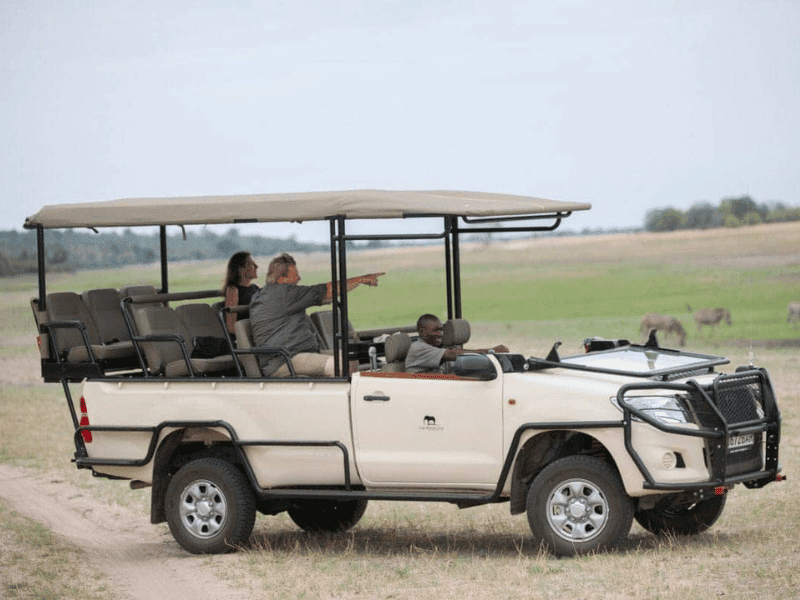 Country Guides
Tanzania Safari Culture and Customs
A comprehensive guide to Tanzania Safari Culture and Customs. Learn everything you need to know for your next safari adventure.
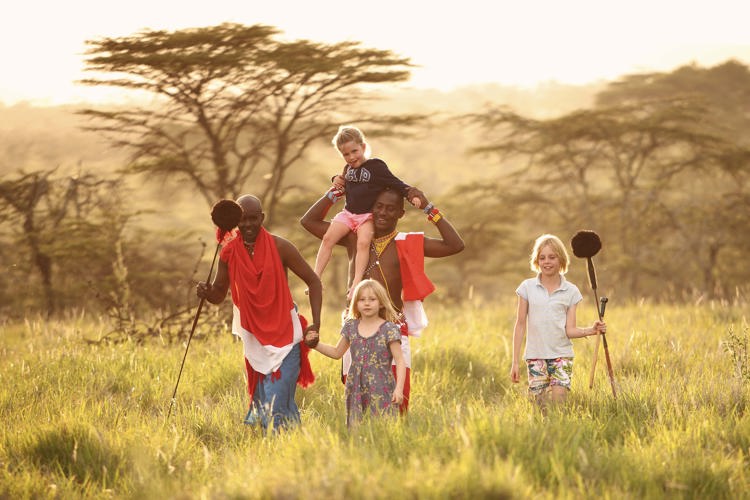 Country Guides
Kenya Safari Culture and Customs
A comprehensive guide to Kenya Safari Culture and Customs. Learn everything you need to know for your next safari adventure.
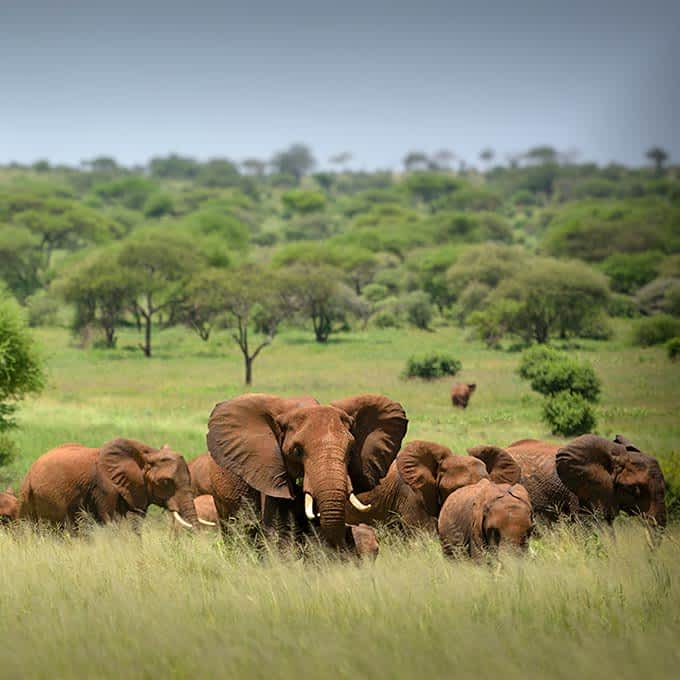 Country Guides
South Africa Safari Culture and Customs
A comprehensive guide to South Africa Safari Culture and Customs. Learn everything you need to know for your next safari adventure.
 Safari Comparison Articles
Guided Safari vs Self-Drive Safari in Botswana
An in-depth comparison of Guided Safari vs Self-Drive Safari in Botswana to help you choose the perfect safari experience. Explore the pros, cons, and key diffe
 Safari Cost Guides
How Much Does a Botswana Safari Cost in 2026
Planning a safari? Learn about how much does a botswana safari cost in 2026. Get expert advice and insights from Safari Intelligence to plan your perfect trip.
 Safari Comparison Articles
Botswana vs Tanzania – Safari Comparison
Learn about botswana vs tanzania – safari comparison in this comprehensive safari guide covering key insights and practical advice.