
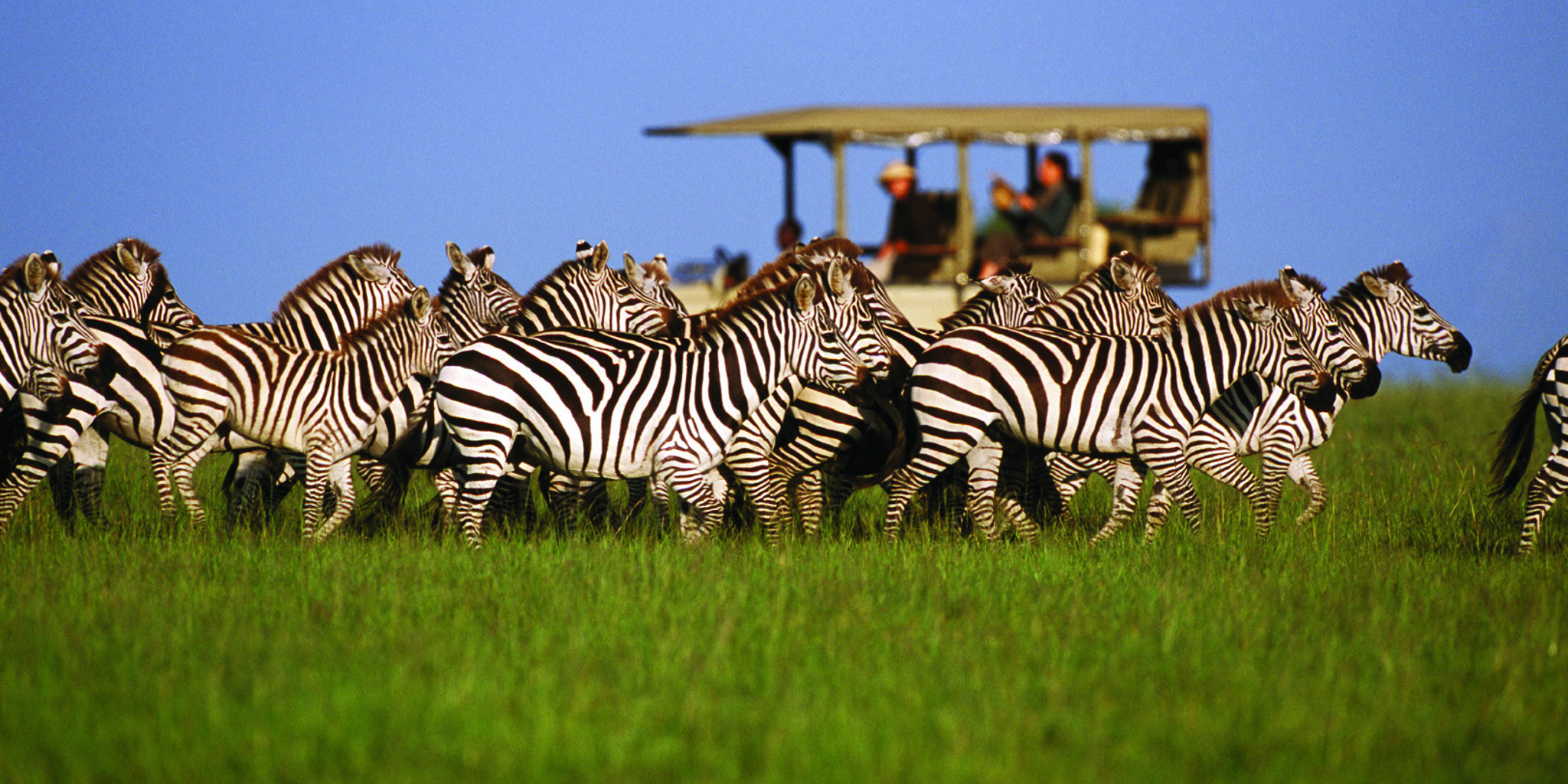
Discover how to plan your dream safari with our expert guide on How to Plan a 7-Day Safari in Tanzania. Get tips on destinations, costs, and more.
How to Plan a 7-Day Safari in Tanzania
This is a placeholder for the unique content of the article titled 'How to Plan a 7-Day Safari in Tanzania'. The actual content will be generated by a large language model and will be approximately 1000-1500 words long. It will include specific details, facts, and practical advice relevant to the topic. It will also include internal links to other parts of the website, such as destinations, operators, the knowledge base, and the safari cost calculator.
Deconstructing the Ideal 7-Day Tanzanian Safari
A week is a perfect amount of time to experience the highlights of Tanzania’s famed Northern Circuit. This classic route offers a condensed yet incredibly rewarding taste of East Africa’s iconic landscapes and wildlife. Our recommended 7-day itinerary is designed to maximize your game viewing opportunities while minimizing travel time, allowing you to immerse yourself in the magic of the bush.
This itinerary focuses on three core destinations: Tarangire National Park, the Serengeti National Park, and the Ngorongoro Crater. Each offers a unique ecosystem and a different cast of wildlife characters. While it may seem like a whirlwind tour, it’s a journey that has been perfected over decades to deliver a powerful and unforgettable safari experience. For those with more time, we highly recommend exploring our more extended destinations to see what else Tanzania has to offer.
---
Still researching? Let us help.
Our advisory team has planned safaris across 9 African countries. We can turn your research into a real plan.
Talk to an AdvisorDay 1: Arrival in Arusha & Safari Briefing
Your adventure begins the moment you land at Kilimanjaro International Airport (JRO). A representative from your chosen safari operator will meet you after you clear customs and transfer you to your lodge in or around Arusha. This bustling town is the gateway to the Northern Circuit and serves as the primary hub for safari operations.
Your first evening is a chance to settle in, acclimatize to the gentle pace of Tanzanian life, and meet your guide for a comprehensive safari briefing. This is a crucial step in your journey. Your guide will walk you through the day-by-day itinerary, answer any last-minute questions, and provide essential safety information. This is also an excellent opportunity to discuss your specific interests. Are you a keen birder? A passionate photographer? Let your guide know, and they can tailor the experience to your preferences.
> Expert Insight: Use this briefing to establish a good rapport with your guide. They are your most valuable resource on safari. Their knowledge of the parks, animal behavior, and local culture will be instrumental in shaping your experience. Don’t be shy about asking questions—the more you engage, the more you will learn.
For dinner, you might sample some local Tanzanian cuisine at your lodge or venture into Arusha for a taste of the town’s vibrant restaurant scene. A good night’s rest is essential, as your first full day of safari begins early the next morning.
Day 2: Tarangire National Park – The Land of Giants
After an early breakfast, you’ll depart from Arusha and head towards Tarangire National Park, a journey of approximately 2.5 hours. Tarangire is often overshadowed by its more famous neighbors, the Serengeti and Ngorongoro Crater, but it is a gem in its own right, especially during the dry season (June to October).
The park is named after the Tarangire River, which snakes its way through the landscape and becomes a vital lifeline for wildlife when other water sources dry up. This river is the park's defining feature and the reason for its incredible density of animals during the dry months.
Tarangire is known for its massive elephant herds, some of the largest in all of Africa. It’s not uncommon to see groups of 100 or more elephants gathering along the riverbanks. The park is also famous for its majestic baobab trees, ancient giants that dot the landscape and create a truly prehistoric feel. Beyond elephants, Tarangire is home to a wide variety of other wildlife, including lions, leopards, cheetahs, and a rich diversity of birdlife. Keep an eye out for the fringe-eared oryx and the long-necked gerenuk, two species that are not commonly found in other parts of the Northern Circuit.
> Traveler's Tip: The best game viewing in Tarangire is often found away from the main tracks. Don't be afraid to ask your guide to explore some of the park's quieter corners. The southern part of the park, in particular, is known for its wild and remote feel.
After a full day of game driving, you’ll head to your lodge or camp, either inside or just outside the park. A sundowner drink followed by dinner under the vast African sky is the perfect way to end your first day on safari. For those interested in the costs associated with such a trip, our safari cost calculator can provide a detailed breakdown.
Days 3 & 4: The Endless Plains of the Serengeti
Leaving Tarangire behind, your journey continues towards the legendary Serengeti National Park. The drive itself is a safari, taking you through the rich agricultural lands of the Great Rift Valley and up into the Ngorongoro Conservation Area. You’ll pass by Maasai villages and get a glimpse into the daily lives of the people who call this region home.
Upon entering the Serengeti, the landscape transforms into the vast, open plains that have made this park so famous. The name “Serengeti” is derived from the Maasai word “siringit,” which means “endless plains.” It’s a fitting description for this immense ecosystem, which covers over 14,000 square kilometers.
The Serengeti is, of course, best known for the Great Migration, the annual journey of over 1.5 million wildebeest and hundreds of thousands of zebras and gazelles in search of fresh grazing. The timing of your safari will determine where you are most likely to witness this incredible spectacle. Your safari operators can help you plan your trip to coincide with the migration's most dramatic moments, such as the dramatic river crossings in the north.
Your next two days will be spent exploring the Serengeti’s diverse habitats. Depending on the time of year and the location of the migration, your guide will choose the best areas for game viewing. You might explore the Seronera Valley in the central Serengeti, known for its high concentration of big cats, or head to the Western Corridor to search for the giant crocodiles of the Grumeti River. Each day will be a new adventure, with morning and afternoon game drives, a picnic lunch in the bush, and evenings spent relaxing at your camp or lodge, listening to the sounds of the African night.
> Expert Insight: The Serengeti is not just about the migration. It is a year-round destination with a staggering amount of resident wildlife. Even outside of the migration season, you are virtually guaranteed to see an incredible array of animals, including lions, leopards, cheetahs, elephants, giraffes, and so much more. Our knowledge center has more in-depth articles on the Serengeti's wildlife.
Done Reading? Let's Build Your Safari.
Skip the guesswork. Work with an advisor who has been on the ground across East and Southern Africa.
Plan With UsDay 5: The Ngorongoro Crater – A Natural Wonder
Today, you will descend into one of the most extraordinary wildlife habitats on the planet: the Ngorongoro Crater. This UNESCO World Heritage Site is the world’s largest intact and unfilled volcanic caldera. The crater floor, which is approximately 260 square kilometers, is a self-contained ecosystem with a staggering concentration of wildlife.
After an early breakfast, you will drive to the crater rim and begin your descent to the crater floor. The views from the rim are breathtaking, offering a panoramic vista of the vast grasslands, forests, and lakes below. As you make your way down the steep, winding road, you’ll feel as though you are entering a lost world.
The crater floor is home to an estimated 25,000 large animals, including a significant population of black rhinos, one of the most endangered species in Africa. This is one of the few places in Tanzania where you have a realistic chance of seeing the “Big Five” (lion, leopard, elephant, rhino, and buffalo) in a single day. The crater’s open grasslands are ideal for spotting lions, while the Lerai Forest is a good place to look for the elusive leopard. Herds of wildebeest, zebras, and gazelles graze on the plains, while hippos wallow in the pools and swamps.
> Traveler's Tip: The Ngorongoro Crater can get crowded, especially during the peak season. To make the most of your experience, it’s best to start your day as early as possible to be one of the first vehicles to enter the crater. This will give you a few hours of prime game viewing before the crowds arrive. When you're ready to start planning, you can plan your safari with our expert team.
After a picnic lunch on the crater floor, you will continue your game drive before ascending back to the crater rim in the late afternoon. You will spend the night at a lodge perched on the crater’s edge, offering spectacular views and a perfect end to an unforgettable day.
Day 6: Lake Manyara National Park & Return to Arusha
Your final day of safari takes you to Lake Manyara National Park, a small but incredibly diverse park located at the base of the Great Rift Valley escarpment. Lake Manyara is known for its stunning scenery, its vast soda lake teeming with flamingos, and its famous tree-climbing lions.
While the tree-climbing lions are the park’s main attraction, they can be elusive. However, Lake Manyara offers plenty of other wildlife viewing opportunities. The park’s groundwater forests are home to large troops of baboons and blue monkeys, while the acacia woodlands are a good place to spot elephants and giraffes. The lake itself is a birdwatcher’s paradise, with over 400 species of birds recorded here.
After a morning game drive in Lake Manyara, you will enjoy a picnic lunch in the park before beginning your journey back to Arusha. The drive will take you through the heart of Maasailand, offering one last chance to soak in the sights and sounds of rural Tanzania. You will arrive in Arusha in the late afternoon, where you will be transferred to your lodge for a final night of relaxation.
> Expert Insight: Lake Manyara is a great park for a half-day safari. Its compact size and diverse habitats make it a perfect final stop on your Northern Circuit adventure. It provides a different safari experience from the vast plains of the Serengeti and the unique environment of the Ngorongoro Crater.
Day 7: Departure
On your final day, you will enjoy a leisurely breakfast at your lodge before being transferred to Kilimanjaro International Airport (JRO) for your flight home. As you reflect on your incredible journey, you will carry with you the memories of Tanzania’s stunning landscapes, its abundant wildlife, and the warmth of its people. For those not ready for the adventure to end, consider extending your trip with a visit to the exotic spice island of Zanzibar, a perfect post-safari relaxation spot. Our team of safari operators can help you seamlessly integrate this into your itinerary.
Need Expert Safari Guidance?
Get expert advisory support from a firm founded by a former safari guide — with real operational knowledge across 9 African countries and full-journey accountability.
Related Planning Guides
Recommended Reading
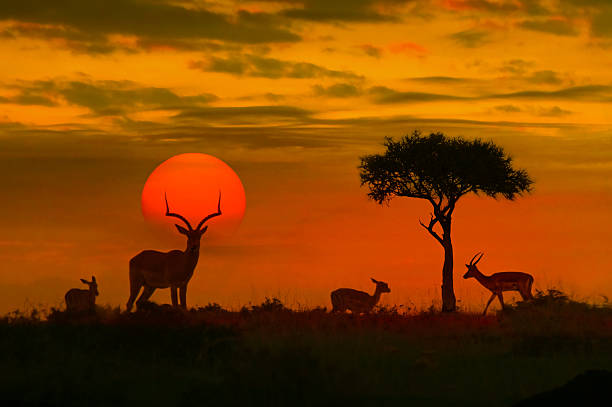 Safari Planning Guides
Safari Planning Guide for First-Time Travelers
Discover how to plan your dream safari with our expert guide on Safari Planning Guide for First-Time Travelers. Get tips on destinations, costs, and more.
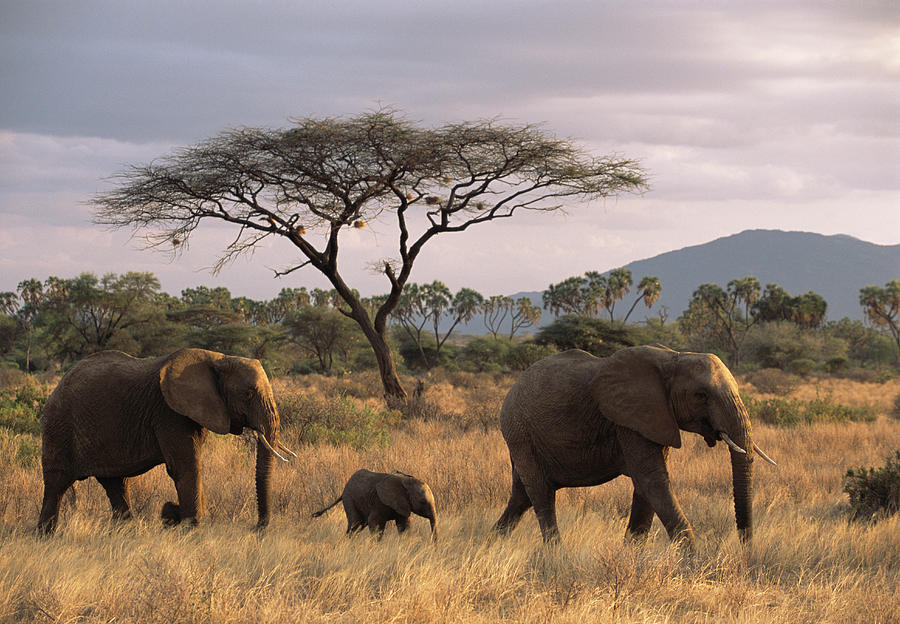 Safari Planning Guides
Safari Planning Guide for Returning Travelers
Discover how to plan your dream safari with our expert guide on Safari Planning Guide for Returning Travelers. Get tips on destinations, costs, and more.
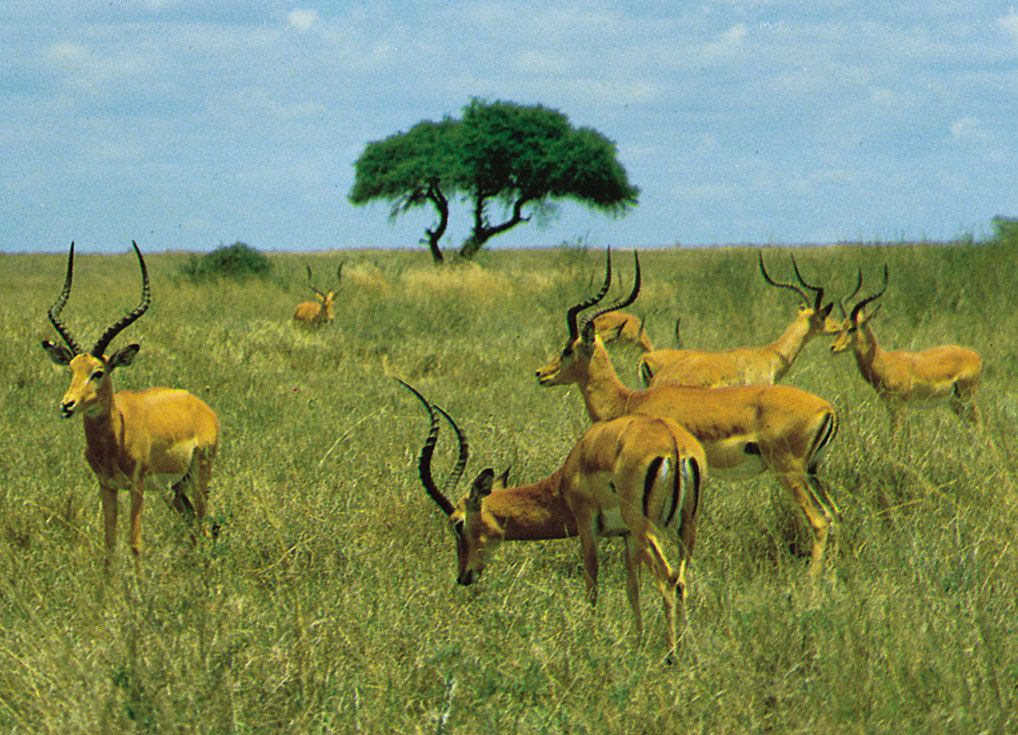 Safari Planning Guides
Safari Planning Guide for Luxury Travelers
Discover how to plan your dream safari with our expert guide on Safari Planning Guide for Luxury Travelers. Get tips on destinations, costs, and more.
 Country Guides
Complete Safari Guide to Tanzania
Your complete guide to Complete Safari Guide to Tanzania. Find the best destinations, planning tips, and more for your next safari adventure.
 Country Guides
Tanzania Safari Currency and Money Guide
A comprehensive guide to Tanzania Safari Currency and Money Guide. Learn everything you need to know for your next safari adventure.
 Country Guides
Tanzania Safari Food and Cuisine Guide
A comprehensive guide to Tanzania Safari Food and Cuisine Guide. Learn everything you need to know for your next safari adventure.