
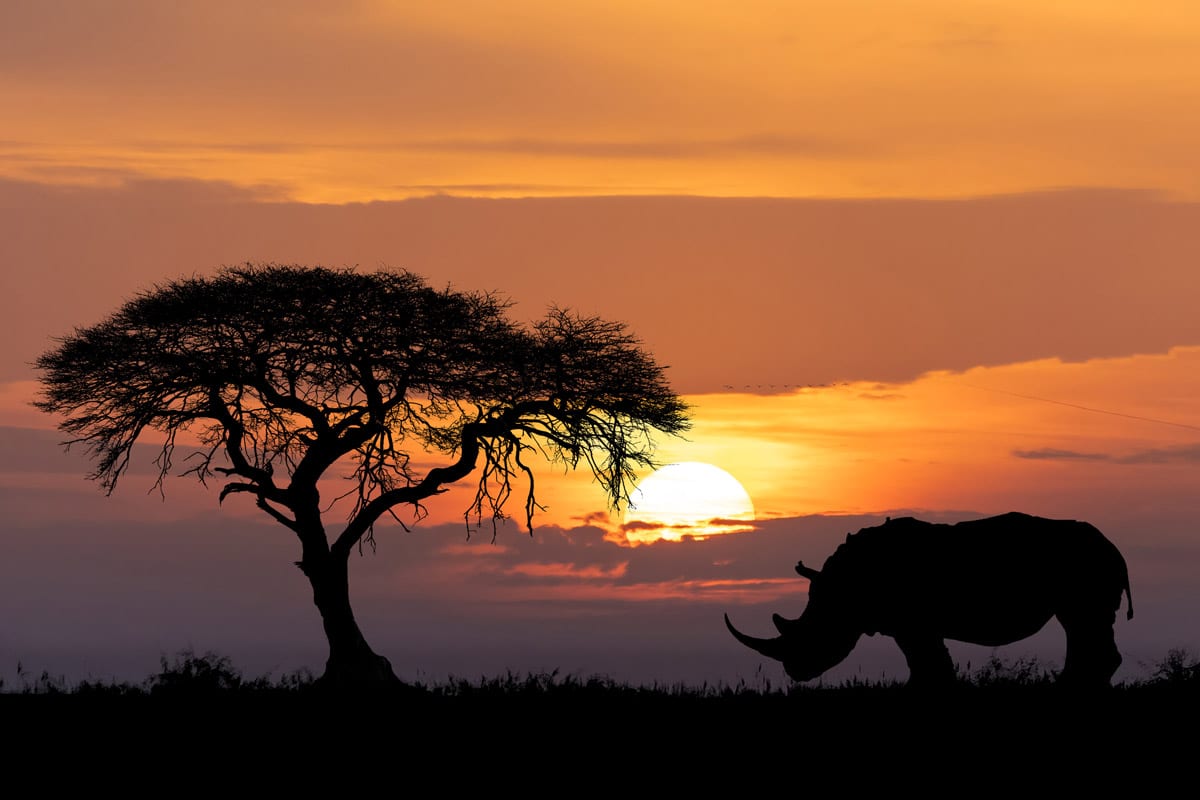
An overview of the road conditions and infrastructure in South Africa for safari travelers, including major highways, rural roads, and national park access.
Navigating South Africa's Roads
South Africa boasts a well-developed and extensive road network, particularly its national highways. These major routes are generally paved, well-maintained, and connect the main cities and towns, making long-distance travel relatively straightforward. For safari-goers, this means that reaching many of the country's premier wildlife destinations, such as Kruger National Park, is often a comfortable drive. However, it's important to be aware that road conditions can vary significantly once you venture off the national roads and into more rural or remote areas. For more on navigating the country, see our destinations page.
Rural and Gravel Roads
While the main highways are in excellent condition, the same cannot always be said for the secondary and rural roads. These can range from paved roads with potholes to gravel tracks that may require a 4x4 vehicle, especially during the rainy season. When planning a self-drive safari, it is crucial to research the specific road conditions for your intended route and choose a suitable vehicle. Many of the private game reserves and more remote sections of national parks are accessed via these gravel roads. Our safari operators can provide detailed information on what to expect for your chosen itinerary.
Still researching? Let us help.
Our advisory team has planned safaris across 9 African countries. We can turn your research into a real plan.
Talk to an AdvisorDriving in National Parks
Most of South Africa's national parks, including the world-renowned Kruger National Park, have a network of roads that are accessible to regular 2WD vehicles. These roads are a mix of paved (tarred) and gravel roads, and speed limits are strictly enforced to protect both wildlife and visitors. While a 4x4 is not typically necessary for the main tourist routes in these parks, it can provide an advantage for exploring some of the more remote tracks and trails. Always check the park's regulations and road status before your visit. To get an idea of the costs involved, check out our cost calculator.
A Case Study: The Drive from Johannesburg to Kruger National Park
A popular self-drive route for many safari enthusiasts is the journey from Johannesburg (O.R. Tambo International Airport) to the southern gates of Kruger National Park. This drive, primarily along the well-maintained N4 highway, typically takes between four to five hours. The route is a testament to South Africa's excellent primary road infrastructure, offering a smooth and straightforward passage for most of the way. Along the N4, you'll find modern service stations and rest stops, such as the Alzu Petroport, which has become a landmark with its unique feature of rhinos and buffalos visible from the coffee shop.
For those with more time, the scenic Panorama Route offers a breathtaking detour. This route winds through the dramatic landscapes of the Blyde River Canyon, the third-largest canyon in the world. Key viewpoints like God's Window, Bourke's Luck Potholes, and the Three Rondavels provide spectacular photo opportunities. While this detour adds significant time to your journey, it showcases a different side of South Africa's natural beauty and is highly recommended if your itinerary allows.
Renting the Right Vehicle for Your Safari
Choosing the appropriate rental vehicle is a critical decision that directly impacts the quality and safety of your self-drive safari. For travelers sticking to the main tarred roads within Kruger National Park, a standard 2WD sedan is generally sufficient. However, for those planning to explore the gravel roads or venture into private game reserves like Sabi Sands or Madikwe, a vehicle with higher clearance, such as an SUV, is highly recommended. These vehicles provide a more comfortable ride on uneven surfaces and offer better visibility for game viewing.
A 4x4 vehicle is often unnecessary unless you are planning to tackle particularly challenging off-road tracks or if your visit coincides with the peak of the rainy season when some gravel roads can become muddy and difficult to navigate. It's always best to consult with your safari planning guide about the specific conditions of the reserves you plan to visit during your travel dates to make an informed decision.
Done Reading? Let's Build Your Safari.
Skip the guesswork. Work with an advisor who has been on the ground across East and Southern Africa.
Plan With UsNight Driving and Other Safety Considerations
As a general rule, it is strongly advised to avoid driving long distances at night in South Africa, especially in rural areas and near wildlife reserves. The roads are often unlit, and the risk of encountering wildlife, such as antelope or even larger animals, is significantly higher after dark. Additionally, potholes can be harder to spot, and the risk of crime increases.
When driving, it's also wise to keep your car doors locked and windows up, particularly when passing through towns or stopping at intersections. Be mindful of your surroundings and avoid leaving valuables in plain sight. By taking these sensible precautions, you can ensure that your self-drive safari in South Africa is both a memorable and safe adventure.
Infrastructure Within Private Game Reserves
While national parks like Kruger offer an excellent self-drive experience, the infrastructure within South Africa's famed private game reserves, such as those in the Sabi Sands or Madikwe Game Reserve, operates very differently. Here, the road network is privately owned and maintained by the collective of luxury lodges. These roads are almost exclusively unpaved, rugged tracks designed to get as close to wildlife as possible and are not accessible to the public. You will not be driving your own vehicle here; instead, all game viewing is conducted in specialized open-sided 4x4 safari vehicles, driven by experienced guides.
This controlled environment allows guides to go off-road in pursuit of significant sightings, something strictly forbidden in national parks. The experience is more exclusive and intimate, with far fewer vehicles. Lodges such as MalaMala Camp or Singita Boulders Lodge manage their own extensive road networks, ensuring that game drives are productive and that the environmental impact is carefully managed. This distinction is a critical factor when choosing between a self-drive national park holiday and a fully-guided private reserve safari. Our team of safari operators can help you weigh the pros and cons for your specific trip.
Alternative Self-Drive Route: Cape Town to Addo Elephant National Park
Beyond the popular Kruger route, another exceptional self-drive journey is the trip from Cape Town to Addo Elephant National Park. This drive typically follows the N2 highway along the famed Garden Route, a scenic stretch of coastline renowned for its lush forests, tranquil lagoons, and charming towns like Knysna and Plettenberg Bay. The N2 is a world-class highway, making for a smooth and easy drive.
The journey itself is a destination, and most travelers take 3-5 days to cover the approximately 800 kilometers (500 miles). Once you reach the Addo region, the roads remain well-maintained. Inside Addo Elephant National Park, the road network is similar to Kruger's, with a mix of tarred and high-quality gravel roads suitable for a standard 2WD sedan. The park's compact size makes it easy to navigate, and the high density of elephants ensures rewarding game viewing even on a short visit. This route offers a perfect combination of coastal scenery, adventure activities, and Big Five safari.
Understanding Tolls and Fuel Logistics
When driving on South Africa's national highways (routes prefixed with 'N'), you will encounter a modern and efficient toll system. Major routes like the N1, N2, N3, and N4 are all toll roads. For the drive from Johannesburg to Kruger National Park along the N4, you can expect to pay approximately R300-R400 (around $15-20 USD) in total toll fees each way. Payments can be made with cash (South African Rand) or a credit card at the toll plazas. Some rental cars are fitted with an electronic e-TAG, with toll fees being billed to you by the rental company after your trip.
Fuel stations are plentiful along major highways and in towns, but they become less frequent in the deep rural areas surrounding safari destinations. It is a crucial rule of thumb to fill your tank whenever you have the opportunity, especially before entering a large park like Kruger, where driving distances between camps can be significant. Fuel is available inside the main rest camps in Kruger, but it's wise not to rely on it solely. Adopting this habit ensures you never have to worry about running out of fuel in a remote area.
Need Expert Safari Guidance?
Get expert advisory support from a firm founded by a former safari guide — with real operational knowledge across 9 African countries and full-journey accountability.
Related Planning Guides
Recommended Reading
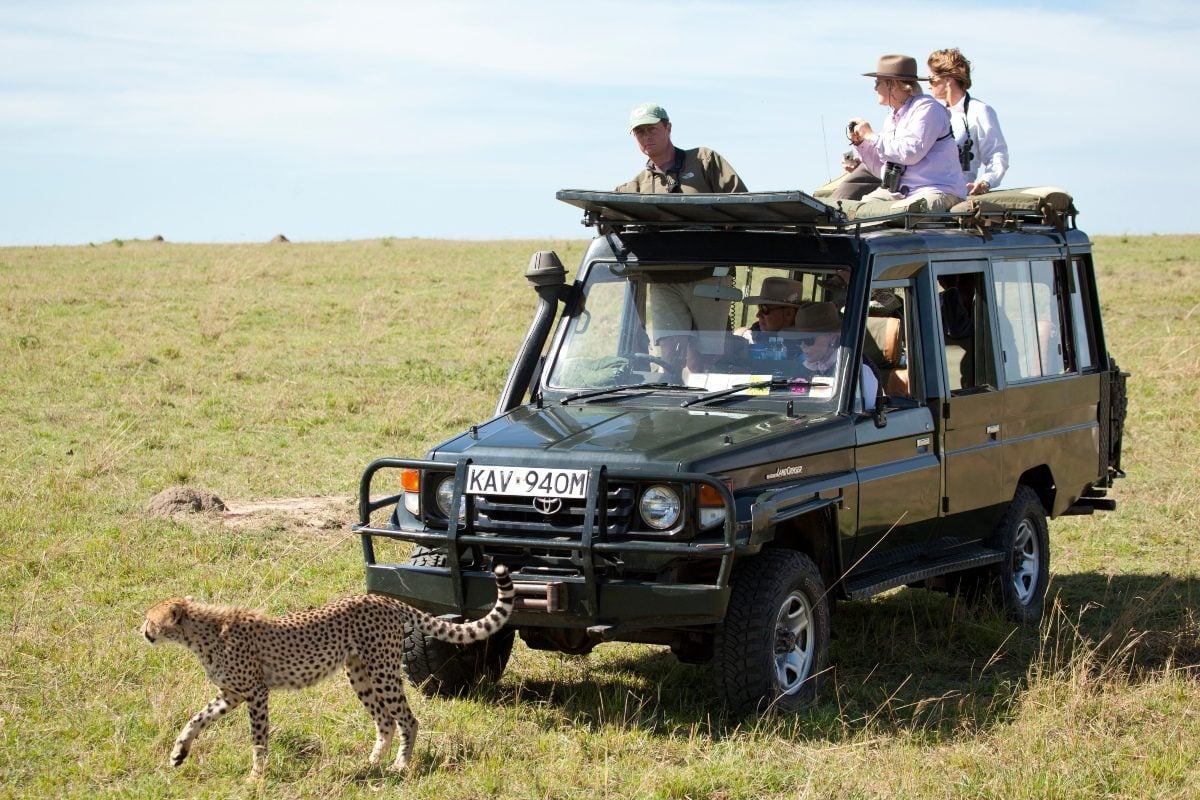 Country Guides
South Africa Safari Health and Safety Overview
A guide to staying healthy and safe on a South African safari, from malaria prevention and vaccinations to wildlife encounters and personal security.
 Country Guides
Complete Safari Guide to South Africa
Your complete guide to Complete Safari Guide to South Africa. Find the best destinations, planning tips, and more for your next safari adventure.
 Country Guides
South Africa Safari Entry Requirements and Visas
Your complete guide to South Africa Safari Entry Requirements and Visas. Find the best destinations, planning tips, and more for your next safari adventure.
 Safari Comparison Articles
Guided Safari vs Self-Drive Safari in South Africa
An in-depth comparison of Guided Safari vs Self-Drive Safari in South Africa to help you choose the perfect safari experience. Explore the pros, cons, and key d
 Safari Cost Guides
How Much Does a South Africa Safari Cost in 2026
Planning a safari? Learn about how much does a south africa safari cost in 2026. Get expert advice and insights from Safari Intelligence to plan your perfect trip.
 Safari Cost Guides
Safari Cost Comparison East Africa vs Southern Africa
Learn about safari cost comparison east africa vs southern africa in this comprehensive safari guide covering key insights and practical advice.