
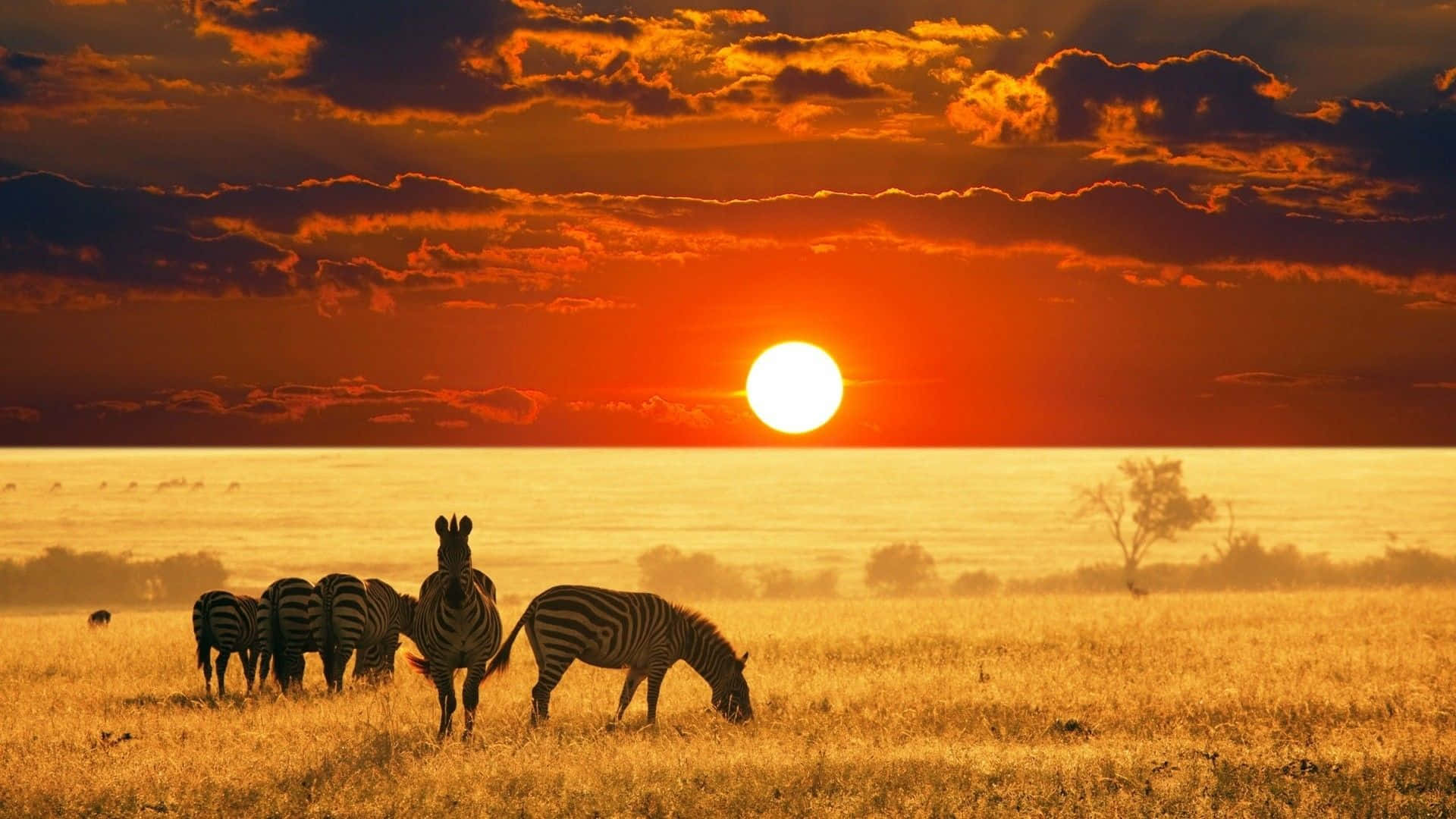
Your complete guide to South Africa Safari Entry Requirements and Visas. Find the best destinations, planning tips, and more for your next safari adventure.
South Africa Safari Entry Requirements and Visas
When it comes to south africa safari entry requirements and visas, there is no shortage of opinions. This evidence-based guide cuts through the noise to give you actionable, trustworthy information for your safari planning.
Regional Considerations Across Africa: South Africa Safari Entry Requirements and Visas
East African safaris, particularly in Kenya and Tanzania, have their own distinct approach to south africa safari entry requirements and visas. The Serengeti-Mara ecosystem, which hosts the Great Migration, requires specific planning considerations that differ from destinations like Amboseli or Ngorongoro. Understanding these regional differences is crucial for optimizing your experience.
Southern Africa presents a different landscape for south africa safari entry requirements and visas. Countries like Botswana, South Africa, Namibia, and Zimbabwe each have established infrastructure and practices that reflect their unique environments. The Okavango Delta, for instance, requires water-based considerations that land-based safaris in Kruger National Park do not.
Central and West African destinations, including Uganda, Rwanda, and the Congo, offer specialized experiences like gorilla trekking that bring their own set of requirements. These destinations often involve more challenging terrain and different logistical considerations compared to the classic savanna safari.
Still researching? Let us help.
Our advisory team has planned safaris across 9 African countries. We can turn your research into a real plan.
Talk to an AdvisorSeasonal Factors and Timing: South Africa Safari Entry Requirements and Visas
Peak season brings excellent wildlife viewing but also higher prices and more crowded parks. Shoulder seasons offer a balance of good conditions and fewer crowds. Understanding how seasonal factors affect south africa safari entry requirements and visas helps you choose the optimal time for your specific priorities.
The timing of your safari significantly impacts south africa safari entry requirements and visas. Dry season months, typically June through October in most East African destinations, offer different conditions than the green season months of November through May. Each period has distinct advantages and considerations.
Practical Planning Steps
Step two involves researching your options thoroughly. Compare different destinations, operators, and approaches to south africa safari entry requirements and visas. Read reviews from verified travelers, consult with safari operators, and cross-reference information from multiple sources.
Step three is creating a detailed plan that accounts for all aspects of south africa safari entry requirements and visas. This should include timelines, budgets, backup options, and contingency plans. The most successful safari travelers are those who plan thoroughly while remaining flexible enough to adapt to changing conditions.
Expert Recommendations
Working with a qualified safari planning guide can significantly improve your experience with south africa safari entry requirements and visas. Advisors who have personal experience in your chosen destinations can provide insights that no guidebook or website can match. They understand the subtle differences between properties, the best times to visit specific areas, and how to structure an itinerary that maximizes your time.
Safari advisors consistently recommend starting your planning process at least six to twelve months before your intended travel dates. This lead time allows you to secure preferred accommodations, take advantage of early booking rates, and properly prepare for all aspects of south africa safari entry requirements and visas.
Done Reading? Let's Build Your Safari.
Skip the guesswork. Work with an advisor who has been on the ground across East and Southern Africa.
Plan With UsUnderstanding the Fundamentals: South Africa Safari Entry Requirements and Visas
Experienced safari operators emphasize that preparation is the single most important factor in south africa safari entry requirements and visas. This means doing your research well in advance, consulting with knowledgeable advisors, and being willing to adapt your plans based on current conditions. The best safari experiences come from travelers who approach their journey with both enthusiasm and informed flexibility.
The foundation of south africa safari entry requirements and visas begins with understanding the basic principles. Safari environments across Africa present unique conditions that differ significantly from what most travelers are accustomed to. In East Africa, the vast savannas of Kenya and Tanzania create one set of considerations, while the dense forests of Uganda and Rwanda present entirely different challenges. Southern African destinations like Botswana and South Africa add yet another dimension.
Key Documentation: Passport and Visa Specifics
When preparing for your South African safari, meticulous attention to your travel documents is non-negotiable. Your passport must have at least two consecutive blank visa pages upon arrival and remain valid for at least 30 days beyond your intended departure date. South African immigration officials are strict about these requirements, and failure to comply can result in denied entry.
Citizens of many countries, including the United States, United Kingdom, Canada, Australia, and most European Union nations, are exempt from visas for tourist visits of up to 90 days. However, it is crucial to verify the latest regulations with your local South African embassy or consulate, as visa policies can change.
Navigating Entry with Minors: A Case Study
Traveling with children under 18 to South Africa requires additional documentation. To illustrate, consider the case of the Miller family, planning a safari in Kruger National Park. They were traveling with their two children, aged 10 and 14. In addition to their passports, they were required to present an unabridged birth certificate for each child, which lists the details of both parents.
Because Mrs. Miller had a different last name than her children, she also carried their marriage certificate as proof of parentage. In cases where only one parent is traveling with a child, a signed consent letter from the non-traveling parent is often required. These regulations are in place to prevent child trafficking and are strictly enforced. The Millers' preparation ensured a smooth entry into South Africa, allowing them to begin their safari adventure without any hitches.
The New Electronic Travel Authorization (ETA)
In a move to modernize its visa system, South Africa is rolling out an Electronic Travel Authorization (ETA) system. As of early 2026, travelers from several countries, including Kenya, India, and Pakistan, are required to obtain an ETA before their trip. The online application is designed to be straightforward, but it is an essential pre-travel step for citizens of eligible nations. Always check the Department of Home Affairs website for the most current list of countries requiring an ETA.
Related Resources
For more information on planning your safari, explore our destination guides, browse the safari operator directory, or connect with an experienced safari planning guide for personalized guidance.
Need Expert Safari Guidance?
Get expert advisory support from a firm founded by a former safari guide — with real operational knowledge across 9 African countries and full-journey accountability.
Related Planning Guides
Recommended Reading
 Country Guides
Tanzania Safari Entry Requirements and Visas
Your complete guide to Tanzania Safari Entry Requirements and Visas. Find the best destinations, planning tips, and more for your next safari adventure.
 Country Guides
Kenya Safari Entry Requirements and Visas
Your complete guide to Kenya Safari Entry Requirements and Visas. Find the best destinations, planning tips, and more for your next safari adventure.
 Country Guides
Botswana Safari Entry Requirements and Visas
Your complete guide to Botswana Safari Entry Requirements and Visas. Find the best destinations, planning tips, and more for your next safari adventure.
 Safari Planning
Visa Requirements for African Safaris
Learn about visa requirements for African safaris, including e-Visas, visas on arrival, and visa-free travel for popular safari destinations.
 Safari Comparison Articles
Guided Safari vs Self-Drive Safari in South Africa
An in-depth comparison of Guided Safari vs Self-Drive Safari in South Africa to help you choose the perfect safari experience. Explore the pros, cons, and key d
 Safari Cost Guides
How Much Does a South Africa Safari Cost in 2026
Planning a safari? Learn about how much does a south africa safari cost in 2026. Get expert advice and insights from Safari Intelligence to plan your perfect trip.