
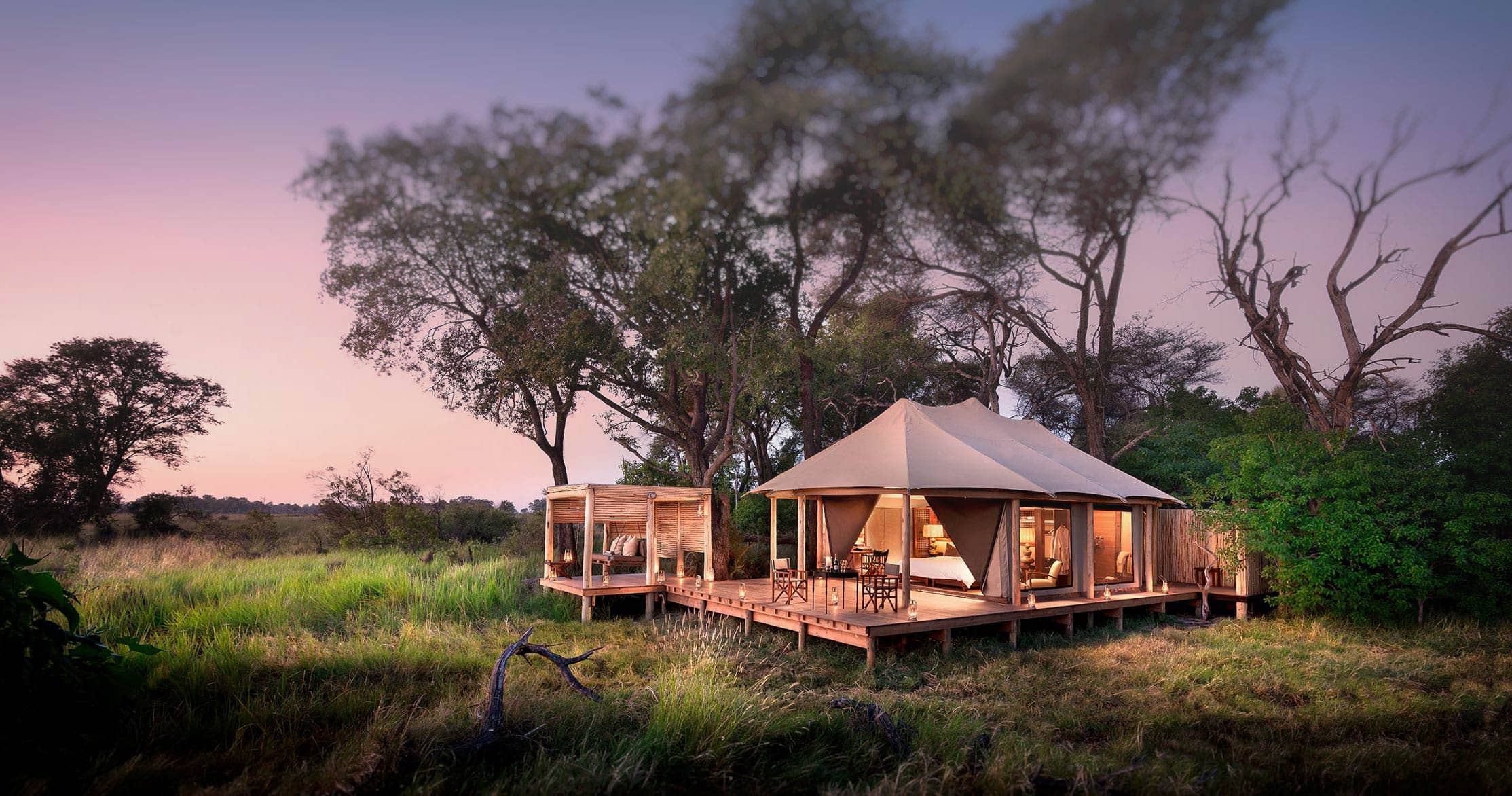
Planning a safari? Learn about cost of a big five safari. Get expert advice and insights from Safari Intelligence to plan your perfect trip.
What is the Big Five?
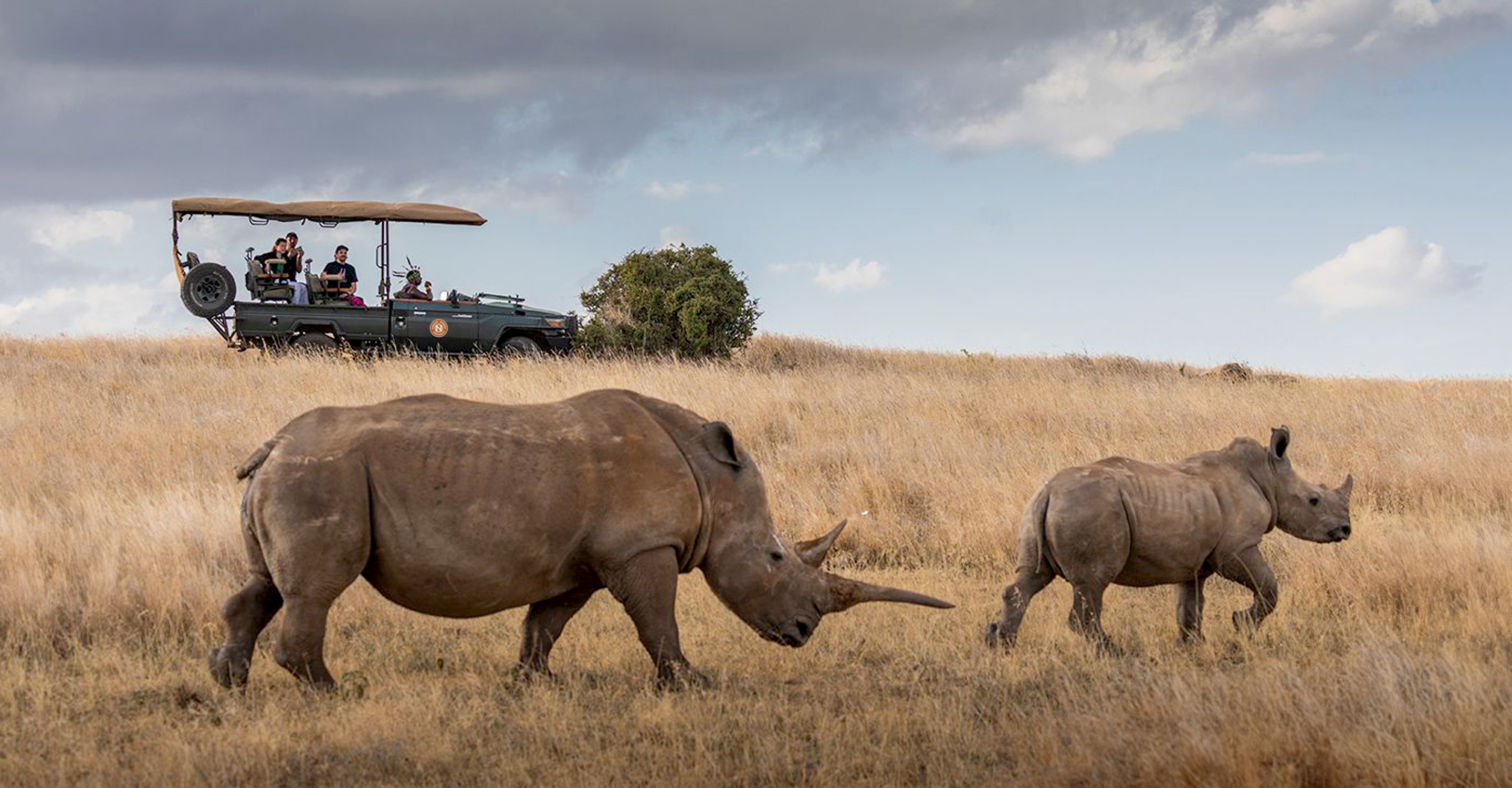
The Big Five refers to the five most difficult and dangerous animals to hunt on foot: the lion, leopard, elephant, rhino, and buffalo. Today, the term is used to refer to the five animals that are most sought-after on a safari. Seeing all five is a major highlight for many travelers. Our knowledge center has more on the Big Five.
Cost of a Big Five Safari
The cost of a Big Five safari will depend on the destination and the level of accommodation. Some of the best places to see the Big Five include the Sabi Sand Game Reserve in South Africa, the Ngorongoro Crater in Tanzania, and the Maasai Mara in Kenya. A safari in one of these prime locations can cost between $500 and $1,500 per person per day. Our safari operators can help you plan a Big Five safari.
Still researching? Let us help.
Our advisory team has planned safaris across 9 African countries. We can turn your research into a real plan.
Talk to an AdvisorIncreasing Your Chances of a Sighting
While there are no guarantees in the wild, you can increase your chances of seeing the Big Five by visiting a destination known for its high density of these animals and by spending more time on safari. Going on game drives with experienced guides will also improve your odds. Explore our destinations to find the best places to see the Big Five.
Deconstructing the Cost of a Big Five Safari
While a safari's price tag can seem opaque, the cost is a sum of several distinct components. Understanding these parts empowers you to make informed decisions and tailor a trip to your budget. A typical high-quality Big Five safari, which offers a strong chance of seeing lion, leopard, elephant, rhino, and buffalo, generally ranges from $750 to $1,500 per person per day. However, this can fluctuate significantly. Let's break down where that money goes.
| Cost Component | Typical Percentage of Total Cost | Description | | :--- | :--- | :--- | | Accommodation | 40-50% | This is the largest expense, covering your lodge or camp. Prices vary dramatically from rustic tented camps to ultra-luxurious lodges with private plunge pools. | | Park & Conservation Fees | 15-20% | These daily fees are essential for wildlife conservation, anti-poaching efforts, and community development. They are non-negotiable and are a direct investment in protecting the animals you've come to see. | | Guides & Vehicles | 10-15% | The cost of a private, expert guide and a well-maintained 4x4 safari vehicle. A top-tier guide is worth their weight in gold, transforming your experience from a simple sightseeing trip into a deep wildlife immersion. | | Internal Flights & Transfers | 10-15% | This includes bush flights between parks and ground transfers from airstrips to your lodge. These are often necessary in large countries like Tanzania or Zambia to maximize your time on the ground. | | Meals & Drinks | 5-10% | Most safaris are all-inclusive, covering all meals and most drinks. The quality of the culinary experience often correlates with the accommodation level. |
> Expert Insight: When evaluating safari costs, look beyond the nightly rate. A seemingly expensive lodge might include park fees, all activities, meals, and drinks, offering better value than a cheaper option that adds these on separately. Our safari operators can help you compare options on a like-for-like basis.
Cost Variation by Destination: A Regional Comparison
The cost of a Big Five safari is not uniform across Africa. The country you choose to visit plays a significant role in the overall expense, driven by factors like park fee structures, logistical complexity, and the exclusivity of the experience. Here’s a comparative look at the top Big Five destinations.
South Africa: Accessibility and Value
South Africa, particularly the Greater Kruger National Park area, offers some of the most accessible and budget-friendly Big Five safaris. The Sabi Sand Game Reserve, a private reserve bordering Kruger, is world-renowned for its leopard sightings.
- Typical Cost: $600 - $1,200 per person per day.
- Why the Cost: Excellent infrastructure, a high density of lodges, and competitive pricing make it a great value proposition. Self-driving is also an option in the national park for the most budget-conscious travelers, though this is not a Big Five-focused experience.
- Best For: First-time safari-goers, families, and those looking for a high-quality experience without the highest price tag.
Tanzania: The Great Migration and Iconic Parks
Tanzania is home to the iconic Serengeti National Park and the Ngorongoro Crater, offering a classic East African safari experience. The sheer scale of these parks and the drama of the Great Migration come at a premium.
- Typical Cost: $800 - $1,800 per person per day.
- Why the Cost: Higher park fees, especially for the Ngorongoro Crater, and the logistical costs of operating in vast, remote areas contribute to the higher price. The demand for lodges during the Great Migration also drives up prices.
- Best For: Witnessing the Great Migration, classic landscapes, and those wanting to experience iconic parks.
Botswana: Exclusivity and Wilderness
Botswana has adopted a high-cost, low-impact tourism model, focusing on exclusive experiences in pristine wilderness areas like the Okavango Delta and Chobe National Park. This is where you will find some of the most remote and luxurious safari experiences on the continent.
- Typical Cost: $1,000 - $2,500+ per person per day.
- Why the Cost: The government's strategy limits the number of tourists, leading to higher prices for accommodation and activities. The logistics of operating in the Okavango Delta, a UNESCO World Heritage Site, are also complex and expensive.
- Best For: Seasoned safari travelers, photographers, and those seeking an exclusive, crowd-free wilderness experience.
> Traveler's Tip: Don't let the high sticker price of Botswana deter you. The "shoulder seasons" (April-May and November) can offer significant savings while still providing excellent game viewing. Connect with our safari operators to learn more about seasonal specials.
Done Reading? Let's Build Your Safari.
Skip the guesswork. Work with an advisor who has been on the ground across East and Southern Africa.
Plan With UsThe Tipping Point: Factoring in Gratuities
One of the most frequently asked questions from travelers is about tipping on safari. While gratuities are discretionary, they are a customary way to show appreciation for excellent service and are a significant part of the income for safari staff. It's essential to budget for these additional costs to avoid any awkwardness at the end of your trip.
Here is a general guideline for tipping, though lodges will often provide their own recommendations:
- Safari Guide: $15 - $25 per guest per day. Your guide is the single most important person for your safari experience. Their knowledge, passion, and ability to find wildlife are what make the trip memorable.
- Tracker: $10 - $15 per guest per day. In many reserves, especially in South Africa, a tracker accompanies the guide, focusing on spotting tracks and signs of animal activity. They are an invaluable part of the team.
- General Camp/Lodge Staff: $15 - $20 per guest per day. This is typically placed in a communal tipping box and is distributed among the entire team, including housekeeping, kitchen staff, and maintenance workers who contribute to your comfortable stay.
- Transfers & City Guides: $5 - $10 per transfer.
> Traveler's Tip: Carry a mix of US dollars (small bills are useful) or local currency for tipping. Some lodges now allow you to add tips to your credit card at checkout, but this is not always the case. It's best to plan ahead. Our plan your safari resources offer more practical tips for your trip.
Planning Your Big Five Safari: Next Steps
Now that you have a comprehensive understanding of the costs involved in a Big Five safari, you can begin the exciting process of planning your adventure. The key to a successful safari is aligning your budget with your expectations and choosing a destination that best suits your interests.
- Define Your Priorities: Are you focused on seeing a specific member of the Big Five, like the elusive leopard? Or is the overall wilderness experience more important? Answering these questions will help narrow down your destination choices.
- Use Our Cost Calculator: For a more personalized estimate, use our interactive cost calculator. This tool allows you to input your travel dates, group size, and preferred comfort level to generate a tailored budget.
- Consult a Safari Planning Guide: The most valuable step you can take is to speak with an expert. Our safari operators have decades of on-the-ground experience and can provide personalized recommendations based on your budget and interests. They can help you navigate the complexities of booking, ensure you get the best value, and create a seamless itinerary.
- Explore Our Knowledge Center: For more in-depth information on specific destinations, packing lists, and travel tips, visit our knowledge center. The more you know before you go, the more you will get out of your safari experience.
A Big Five safari is an investment in a once-in-a-lifetime experience. By planning carefully and leveraging expert advice, you can ensure that your investment yields unforgettable memories. Plan your safari with us today!
Need Expert Safari Guidance?
Get expert advisory support from a firm founded by a former safari guide — with real operational knowledge across 9 African countries and full-journey accountability.
Related Planning Guides
Recommended Reading
 Safari Comparison Articles
Big Five Safari vs Big Cat Safari
An in-depth comparison of Big Five Safari vs Big Cat Safari to help you choose the perfect safari experience. Explore the pros, cons, and key differences to mak
 Safari Cost Guides
How Much Does a Tanzania Safari Cost in 2026
Planning a safari? Learn about how much does a tanzania safari cost in 2026. Get expert advice and insights from Safari Intelligence to plan your perfect trip.
 Safari Cost Guides
How Much Does a Kenya Safari Cost in 2026
Planning a safari? Learn about how much does a kenya safari cost in 2026. Get expert advice and insights from Safari Intelligence to plan your perfect trip.
 Safari Cost Guides
How Much Does a Botswana Safari Cost in 2026
Planning a safari? Learn about how much does a botswana safari cost in 2026. Get expert advice and insights from Safari Intelligence to plan your perfect trip.
 Safari Costs
Budget Safari vs Luxury Safari Costs
Discover the key cost differences between budget and luxury safaris, from accommodation and guiding to game drives and locations, to choose the right trip for you.
 Safari Costs
How Much Does an African Safari Cost?
Learn how much an African safari costs and what factors influence the price. Our guide breaks down safari costs by destination, accommodation, and travel style.