
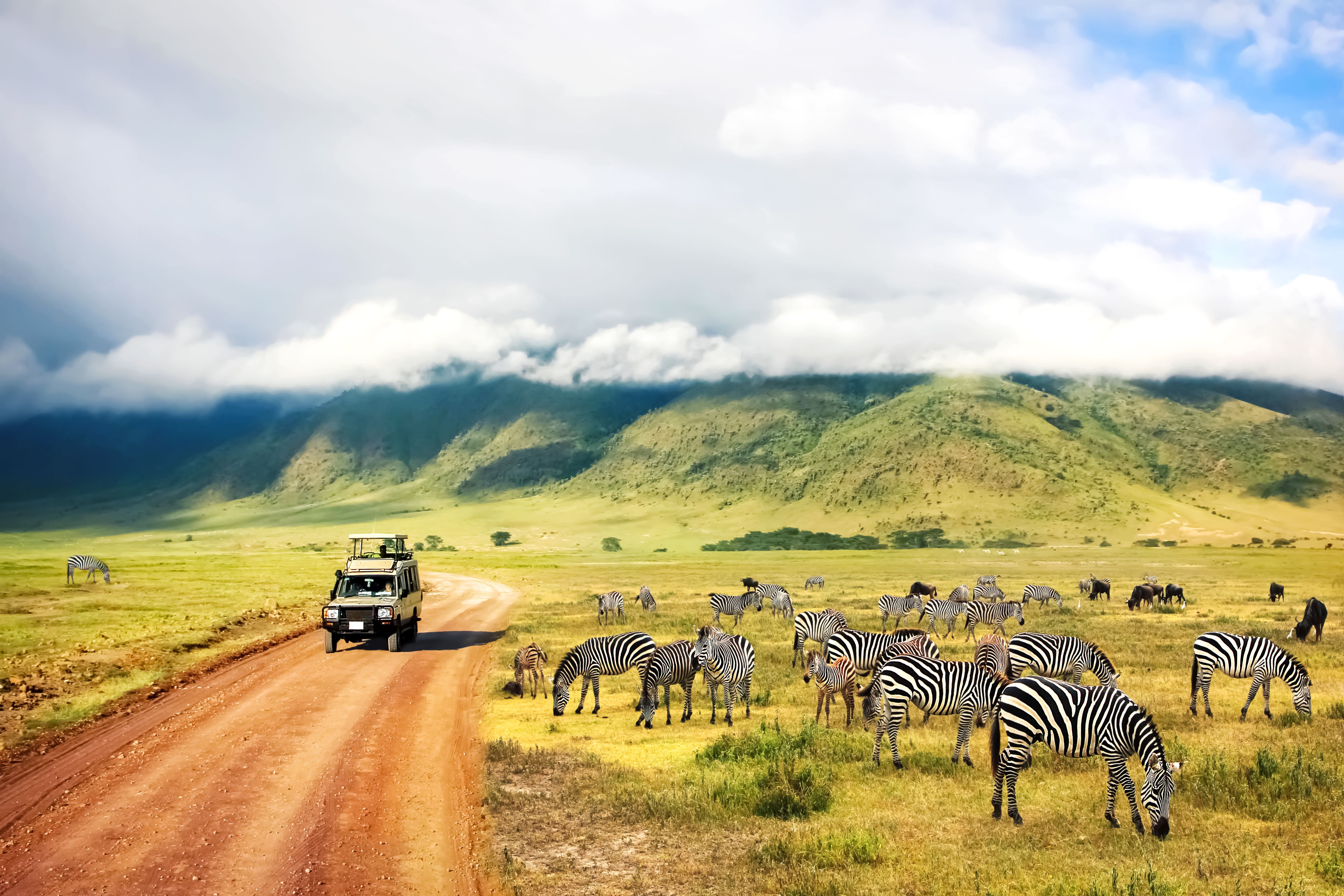
Your complete guide to Botswana Safari Infrastructure and Roads. Find the best destinations, planning tips, and more for your next safari adventure.
Botswana Safari Infrastructure and Roads
When it comes to botswana safari infrastructure and roads, there is no shortage of opinions. This evidence-based guide cuts through the noise to give you actionable, trustworthy information for your safari planning.
Common Mistakes to Avoid
One of the most frequent mistakes travelers make with botswana safari infrastructure and roads is waiting too long to start planning. Popular safari destinations and lodges book up months in advance, especially during peak season. Last-minute planning often results in limited options and higher costs.
Another common error is relying solely on online reviews without consulting experienced professionals. While traveler reviews provide valuable perspectives, they often lack the context and expertise that a qualified safari planning guide can offer. The best approach combines both sources of information.
Underestimating the importance of botswana safari infrastructure and roads is perhaps the biggest mistake of all. Travelers who give this aspect of their safari proper attention consistently report more satisfying experiences than those who treat it as an afterthought.
Still researching? Let us help.
Our advisory team has planned safaris across 9 African countries. We can turn your research into a real plan.
Talk to an AdvisorMaking the Most of Your Experience: Botswana Safari Infrastructure and Roads
Finally, remember that a safari is more than just wildlife viewing. The cultural experiences, landscapes, and personal connections you make along the way are equally valuable. Approaching botswana safari infrastructure and roads with this broader perspective will enrich your entire journey.
Photography enthusiasts should pay special attention to botswana safari infrastructure and roads as it relates to their equipment and technique. The lighting conditions, distances, and movement patterns of African wildlife create unique challenges and opportunities that benefit from advance preparation.
To truly optimize botswana safari infrastructure and roads, approach your safari with an open mind and realistic expectations. Africa has a way of surprising even the most experienced travelers, and some of the best moments come from unexpected encounters and unplanned detours.
Regional Considerations Across Africa
East African safaris, particularly in Kenya and Tanzania, have their own distinct approach to botswana safari infrastructure and roads. The Serengeti-Mara ecosystem, which hosts the Great Migration, requires specific planning considerations that differ from destinations like Amboseli or Ngorongoro. Understanding these regional differences is crucial for optimizing your experience.
Central and West African destinations, including Uganda, Rwanda, and the Congo, offer specialized experiences like gorilla trekking that bring their own set of requirements. These destinations often involve more challenging terrain and different logistical considerations compared to the classic savanna safari.
Understanding the Fundamentals: Botswana Safari Infrastructure and Roads
Experienced safari operators emphasize that preparation is the single most important factor in botswana safari infrastructure and roads. This means doing your research well in advance, consulting with knowledgeable advisors, and being willing to adapt your plans based on current conditions. The best safari experiences come from travelers who approach their journey with both enthusiasm and informed flexibility.
The foundation of botswana safari infrastructure and roads begins with understanding the basic principles. Safari environments across Africa present unique conditions that differ significantly from what most travelers are accustomed to. In East Africa, the vast savannas of Kenya and Tanzania create one set of considerations, while the dense forests of Uganda and Rwanda present entirely different challenges. Southern African destinations like Botswana and South Africa add yet another dimension.
Done Reading? Let's Build Your Safari.
Skip the guesswork. Work with an advisor who has been on the ground across East and Southern Africa.
Plan With UsNavigating Botswana: Fly-In vs. Self-Drive
Botswana’s safari infrastructure is a tale of two distinct travel styles: fly-in safaris, which are essential for accessing the pristine wilderness of the Okavango Delta, and self-drive adventures, which offer flexibility for exploring the country's more accessible national parks and reserves. Understanding the difference is key to planning a successful Botswana safari.
The Fly-In Safari: Accessing the Okavango Delta
For many travelers, the quintessential Botswana safari experience is a fly-in safari to the Okavango Delta. This unique ecosystem, a UNESCO World Heritage Site, is largely inaccessible by road, especially during the flood season. The primary gateway to the Delta is the town of Maun, where travelers connect with small charter aircraft, such as Cessna Caravans, for flights to remote lodges and camps. These flights offer breathtaking aerial views of the Delta's intricate network of channels and islands. This mode of transport is not just a logistical necessity but an integral part of the safari experience, providing a unique perspective on the vastness of the wilderness. For example, a flight from Maun to a camp in the Moremi Game Reserve might take only 30-45 minutes, a journey that could take a full day of challenging driving.
The Self-Drive Adventure: A Test of Skill and Preparation
Self-driving in Botswana is a rewarding but challenging option, best suited for experienced and adventurous travelers. The main roads connecting major towns like Gaborone, Francistown, and Maun are generally well-maintained tarred roads. However, once you venture into the national parks and reserves, the conditions change dramatically. Here, you'll encounter deep sand tracks, river crossings, and rugged terrain, making a fully-equipped 4x4 vehicle an absolute necessity. A classic self-drive route is the journey from Maun to Kasane, passing through Moremi Game Reserve and Chobe National Park. This route is famous for its incredible wildlife but also for its demanding driving conditions, particularly the sandy sections between North Gate and Xakanaxa in Moremi. Proper planning, including carrying extra fuel, water, and recovery gear, is essential for a safe and successful self-drive safari.
Related Resources
For more information on planning your safari, explore our destination guides, browse the safari operator directory, or connect with an experienced safari planning guide for personalized guidance.
Deep Dive into Botswana's Travel Logistics
While the choice between flying and driving is fundamental, understanding the specific logistics of each is crucial for a seamless safari. Botswana's commitment to a low-volume, high-value tourism model means that infrastructure is intentionally managed to preserve the wilderness experience, which has direct implications for how you travel.
Fly-In Safari Specifics: Weight Limits and Key Hubs
The convenience of a fly-in safari comes with important rules, primarily concerning luggage. Charter airlines like Mack Air and Wilderness Air, the primary carriers operating out of Maun and Kasane, have strict weight restrictions. Passengers are typically limited to a total of 20 kg (44 lbs), including both checked luggage and hand-carry items. Crucially, all bags must be soft-sided, with no wheels or rigid frames, to fit into the small aircraft's luggage pods. This is a non-negotiable rule that can lead to costly delays or the need to repack and store luggage in Maun if ignored.
Flights are not just transport; they are a scenic experience. A flight from Maun to a remote airstrip like Xakanaxa (serving camps in the Moremi Game Reserve) or Savuti (serving lodges in Chobe's interior) provides an unparalleled perspective of the landscape. These flights are an integral part of the safari's cost, often adding $200-$400 per person for each leg of the journey.
Self-Drive Logistics: Vehicle, Costs, and Seasonal Challenges
A self-drive safari offers ultimate freedom but demands meticulous preparation. A rental for a fully-equipped 4x4 (including a rooftop tent, long-range fuel tank, satellite phone, and recovery gear) can range from $150 to $250 per day. On top of this, you must budget for park entry fees (around $10-$20 per person per day) and campsite fees (around $30-$50 per person per night). Fuel is another major consideration, as it is only available in major towns like Maun and Kasane. Traveling through remote areas like the Central Kalahari Game Reserve requires carrying all your fuel for the entire duration.
The season dramatically impacts road conditions. During the wet season (November to April), many tracks in Moremi and Chobe become flooded and impassable. River crossings, like the one at Third Bridge in Moremi, can become too deep for even the most capable vehicles. Conversely, the dry season (May to October) presents its own challenges, with deep, soft sand on routes like the one to Savuti Camp in Chobe, which can easily trap inexperienced drivers. For a deeper dive into regional travel, explore our destination guides or connect with our safari operators for tailored advice.
Need Expert Safari Guidance?
Get expert advisory support from a firm founded by a former safari guide — with real operational knowledge across 9 African countries and full-journey accountability.
Related Planning Guides
Recommended Reading
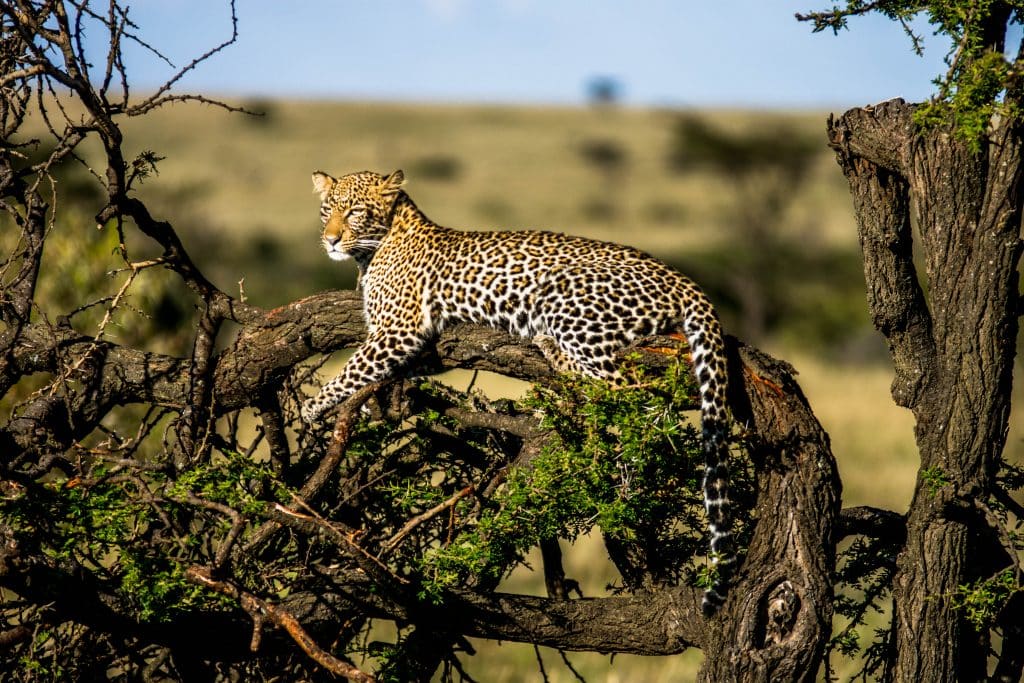 Country Guides
Tanzania Safari Infrastructure and Roads
Your complete guide to Tanzania Safari Infrastructure and Roads. Find the best destinations, planning tips, and more for your next safari adventure.
 Country Guides
Kenya Safari Infrastructure and Roads
Your complete guide to Kenya Safari Infrastructure and Roads. Find the best destinations, planning tips, and more for your next safari adventure.
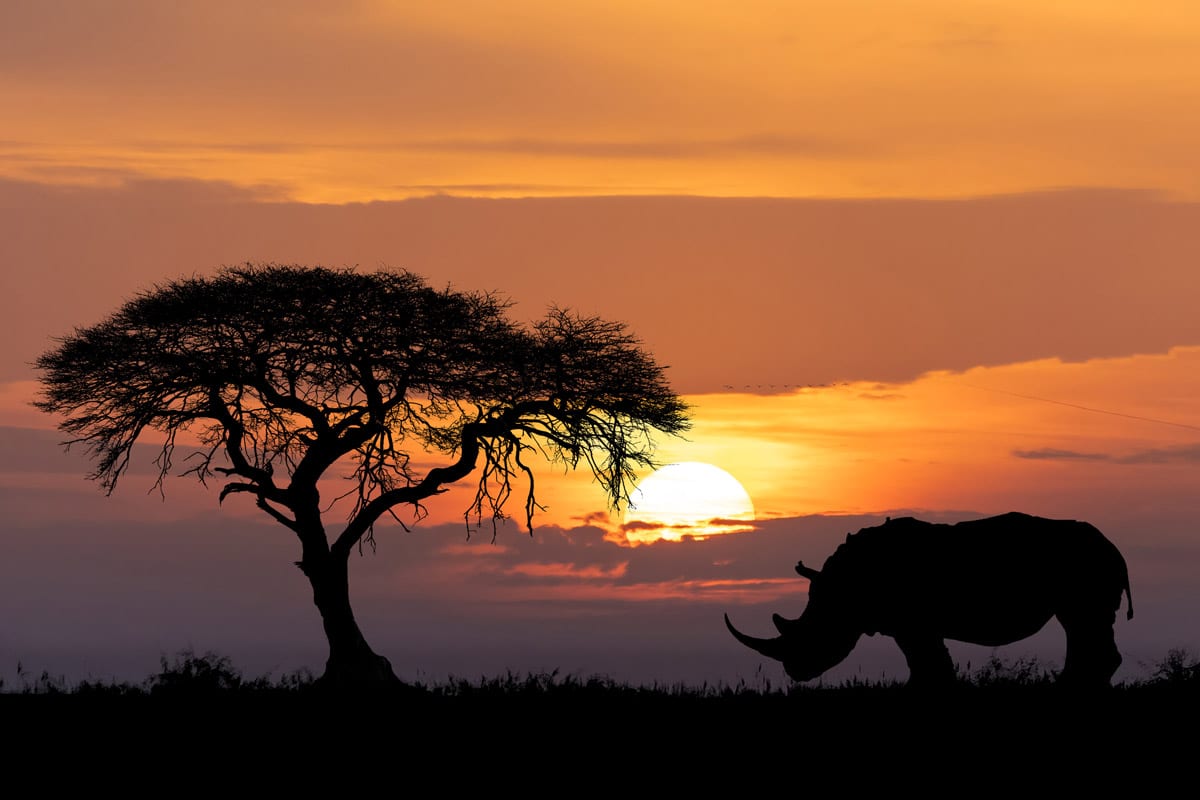 Country Guides
South Africa Safari Infrastructure and Roads
An overview of the road conditions and infrastructure in South Africa for safari travelers, including major highways, rural roads, and national park access.
 Safari Comparison Articles
Guided Safari vs Self-Drive Safari in Botswana
An in-depth comparison of Guided Safari vs Self-Drive Safari in Botswana to help you choose the perfect safari experience. Explore the pros, cons, and key diffe
 Safari Cost Guides
How Much Does a Botswana Safari Cost in 2026
Planning a safari? Learn about how much does a botswana safari cost in 2026. Get expert advice and insights from Safari Intelligence to plan your perfect trip.
 Safari Comparison Articles
Botswana vs Tanzania – Safari Comparison
Learn about botswana vs tanzania – safari comparison in this comprehensive safari guide covering key insights and practical advice.