
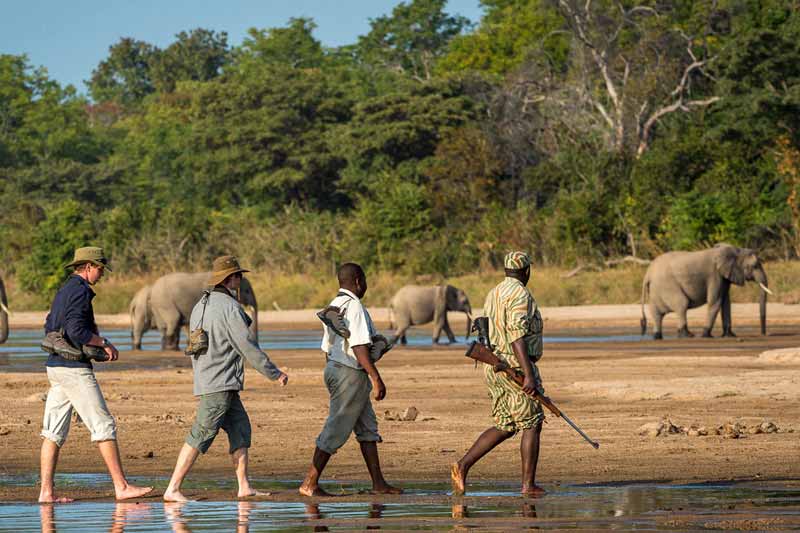
An in-depth comparison of Solo Safari vs Couple Safari to help you choose the perfect safari experience. Explore the pros, cons, and key differences to make an
Solo Safari vs Couple Safari
Africa offers some of the most incredible wildlife experiences on Earth, and getting solo safari vs couple safari right is essential to making the most of your journey. Here is what experienced safari guides and advisors recommend.
Regional Considerations Across Africa
East African safaris, particularly in Kenya and Tanzania, have their own distinct approach to solo safari vs couple safari. The Serengeti-Mara ecosystem, which hosts the Great Migration, requires specific planning considerations that differ from destinations like Amboseli or Ngorongoro. Understanding these regional differences is crucial for optimizing your experience.
Central and West African destinations, including Uganda, Rwanda, and the Congo, offer specialized experiences like gorilla trekking that bring their own set of requirements. These destinations often involve more challenging terrain and different logistical considerations compared to the classic savanna safari.
Southern Africa presents a different landscape for solo safari vs couple safari. Countries like Botswana, South Africa, Namibia, and Zimbabwe each have established infrastructure and practices that reflect their unique environments. The Okavango Delta, for instance, requires water-based considerations that land-based safaris in Kruger National Park do not.
Still researching? Let us help.
Our advisory team has planned safaris across 9 African countries. We can turn your research into a real plan.
Talk to an AdvisorPractical Planning Steps
Step one in addressing solo safari vs couple safari is to clearly define your priorities and expectations. Are you focused on specific wildlife sightings, cultural experiences, photography opportunities, or a combination? Your answer will shape every subsequent decision.
Step three is creating a detailed plan that accounts for all aspects of solo safari vs couple safari. This should include timelines, budgets, backup options, and contingency plans. The most successful safari travelers are those who plan thoroughly while remaining flexible enough to adapt to changing conditions.
Understanding the Fundamentals
Experienced safari operators emphasize that preparation is the single most important factor in solo safari vs couple safari. This means doing your research well in advance, consulting with knowledgeable advisors, and being willing to adapt your plans based on current conditions. The best safari experiences come from travelers who approach their journey with both enthusiasm and informed flexibility.
The foundation of solo safari vs couple safari begins with understanding the basic principles. Safari environments across Africa present unique conditions that differ significantly from what most travelers are accustomed to. In East Africa, the vast savannas of Kenya and Tanzania create one set of considerations, while the dense forests of Uganda and Rwanda present entirely different challenges. Southern African destinations like Botswana and South Africa add yet another dimension.
Seasonal Factors and Timing
Peak season brings excellent wildlife viewing but also higher prices and more crowded parks. Shoulder seasons offer a balance of good conditions and fewer crowds. Understanding how seasonal factors affect solo safari vs couple safari helps you choose the optimal time for your specific priorities.
Weather patterns across Africa are becoming less predictable due to climate change, which adds another layer of consideration to solo safari vs couple safari. Working with operators who have current, on-the-ground knowledge of conditions is more important than ever.
Done Reading? Let's Build Your Safari.
Skip the guesswork. Work with an advisor who has been on the ground across East and Southern Africa.
Plan With UsCommon Mistakes to Avoid
Another common error is relying solely on online reviews without consulting experienced professionals. While traveler reviews provide valuable perspectives, they often lack the context and expertise that a qualified safari planning guide can offer. The best approach combines both sources of information.
One of the most frequent mistakes travelers make with solo safari vs couple safari is waiting too long to start planning. Popular safari destinations and lodges book up months in advance, especially during peak season. Last-minute planning often results in limited options and higher costs.
Cost Dynamics: Single Supplements and Shared Economies
A significant practical difference between a solo and a couple's safari lies in the cost structure. Most safari lodges and mobile camps price their accommodations on a per-person sharing basis. When a solo traveler occupies a room, operators often charge a "single supplement" to compensate for the lost revenue from a second occupant. This supplement can range from 25% to as high as 100% of the per-person rate, significantly increasing the total cost. For example, a high-end lodge in Botswana's Okavango Delta priced at $1,500 per person per night could cost a solo traveler $2,250 for the same room. Couples, by sharing the room, inherently avoid this extra fee, making the per-person cost lower. However, savvy solo travelers can mitigate this by traveling in the shoulder seasons (April-May or November), when some operators waive single supplements to attract business.
Itinerary Pacing and Shared Interests
The pacing of a safari is another key distinction. A solo traveler has complete autonomy over their schedule and interests. If their passion is wildlife photography, they can choose to spend three hours waiting for a leopard to descend from a tree in Zambia's South Luangwa National Park without needing to consult anyone. This flexibility allows for a deeply personal and immersive experience tailored to one's specific goals. In contrast, a couple must navigate shared interests. One partner may be a passionate birder, while the other is focused on seeing the Big Five. A successful couple's safari requires communication and compromise, often resulting in a more varied itinerary that blends different activities, such as balancing morning game drives with afternoon bush walks or cultural visits.
Related Resources
For more information on planning your safari, explore our destination guides, browse the safari operator directory, or connect with an experienced safari planning guide for personalized guidance.
Key Differences at a Glance: Solo vs. Couple Safari
To make the best decision, it helps to see the trade-offs side-by-side. While both travel styles offer incredible experiences, they cater to different priorities and expectations.
| Dimension | Solo Traveler | Couple Travelers | | :--- | :--- | :--- | | Cost & Budgeting | Often higher per-person cost due to single supplements. Budget is self-determined. | Lower per-person cost with shared rooms. Budgeting requires mutual agreement. | | Itinerary & Pacing | Complete autonomy. Can focus on niche interests (e.g., 6 hours of birding). | Requires compromise to balance shared interests (e.g., wildlife vs. relaxation). | | Flexibility | High. Can change daily plans spontaneously based on wildlife sightings or mood. | Lower. Changes require discussion and agreement, making spontaneity a joint decision. | | Social Experience | More opportunities to connect with guides and other guests. Can be introspective or highly social. | A shared, intimate journey. Social focus is primarily on the partner experience. | | Safety & Support | Relies on the guide and lodge staff for support. Requires greater personal vigilance. | Built-in support system with a partner. Shared responsibility for logistics and safety. |
Real-World Scenarios: Putting Theory into Practice
Abstract comparisons are helpful, but real-world examples illustrate the differences most clearly. Consider two distinct safari scenarios.
Scenario 1: The Solo Photographer in Tanzania
A passionate amateur photographer wants to capture images of cheetahs and the Great Migration calving season. They book a 10-day solo safari focused entirely on Tanzania's Southern Serengeti (the Ndutu region) in February. By traveling alone, they have the freedom to dictate the entire schedule. They spend over eight hours a day on game drives, waiting patiently for a cheetah to hunt or for wildebeest to cross a river. Their evenings are spent at a small, intimate camp like Kusini Kopjes Kambi, where they dine with the guide and other guests, sharing stories and reviewing photos. While they paid a 25% single supplement, the complete control over their itinerary and photographic goals made it a worthwhile investment.
Scenario 2: The Couple's Anniversary in Kenya
A couple is celebrating their anniversary and seeks a blend of iconic wildlife, romance, and relaxation. They choose an 8-day safari in Kenya, combining the elephant-filled plains of Amboseli with the classic savanna of the Maasai Mara. They stay at a lodge like Elewana Tortilis Camp Amboseli, which offers stunning views of Mount Kilimanjaro. Their days are a compromise: early morning game drives to satisfy his desire for wildlife action, followed by afternoons enjoying the lodge pool and a sundowner cocktail, which she prefers. A highlight is a private hot-air balloon ride over the Mara—a quintessential shared experience. By sharing costs, they can afford a higher-end lodge and create a balanced trip that meets both their needs.
Social Dynamics and Safety Considerations
For solo travelers, safety and social interaction are primary considerations. Reputable safari operators create a secure and welcoming environment. You are not "alone" in a dangerous sense; you are constantly with a professional guide, and camps are well-staffed. Communal dining at lodges like Asilia's Dunia Camp (the first all-female-run camp in the Serengeti) is an excellent way to connect with fellow travelers. Many solo travelers find they form strong bonds with their guides and other guests, creating a rich social experience.
For couples, the safari becomes a powerful shared context for your relationship. It's an opportunity to navigate challenges together, from bumpy roads to unexpected wildlife encounters, and to share moments of profound beauty. The key is communication—discussing priorities before the trip ensures the itinerary reflects both partners' interests. A private safari vehicle, while more expensive, can be a great investment for couples, offering ultimate privacy and control over your daily schedule.
Need Expert Safari Guidance?
Get expert advisory support from a firm founded by a former safari guide — with real operational knowledge across 9 African countries and full-journey accountability.
Related Planning Guides
Recommended Reading
 Safari Costs
Safari Cost for Couples
Planning a safari for two? This guide breaks down the average safari cost for couples, from budget to luxury, and explains the key factors that influence the price.
 Safari Planning Guides
How to Plan a Safari for Solo Female Travelers
Discover how to plan your dream safari with our expert guide on How to Plan a Safari for Solo Female Travelers. Get tips on destinations, costs, and more.
 Safari Planning Guides
How to Plan a Safari for Retired Couples
Learn about how to plan a safari for retired couples in this comprehensive safari guide covering key insights and practical advice.
 Safari Cost Guides
Cost of a Solo Traveler Safari
Planning a safari? Learn about cost of a solo traveler safari. Get expert advice and insights from Safari Intelligence to plan your perfect trip.
 Safari Operator Articles
Safari Operators That Specialize in Solo Travelers
A guide to choosing a safari operator that specializes in solo travelers for a safe, enjoyable, and sociable African adventure.
 Safari Comparison Articles
Walking Safari vs Driving Safari Comparison
An in-depth comparison of Walking Safari vs Driving Safari Comparison to help you choose the perfect safari experience. Explore the pros, cons, and key differen