
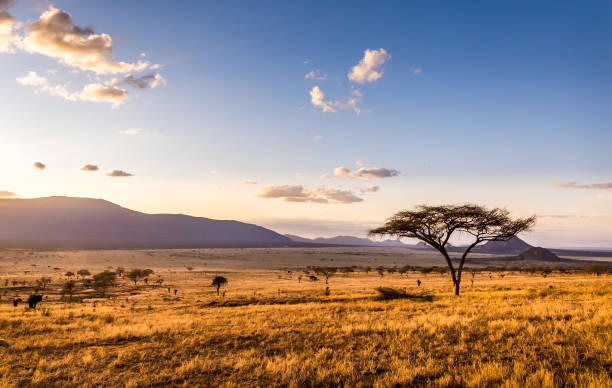
Planning a safari? Learn about cost of a solo traveler safari. Get expert advice and insights from Safari Intelligence to plan your perfect trip.
Understanding Cost of a Solo Traveler Safari
Safari costs can vary dramatically depending on destination, accommodation level, season, and trip duration. Cost of a Solo Traveler Safari breaks down the financial aspects of safari travel so you can plan a trip that fits your budget without sacrificing quality. Knowledge is power when it comes to safari budgeting.
Price Ranges and What to Expect
African safaris range from budget-friendly camping experiences at $150-250 per person per day to ultra-luxury lodges exceeding $2,000 per person per day. Mid-range options typically fall between $400-800 per person per day and offer excellent value with comfortable accommodations and quality guiding. Understanding what's included in these prices is crucial, as most safari rates are fully inclusive of meals, activities, and park fees. Use our cost calculator for personalized estimates.
Still researching? Let us help.
Our advisory team has planned safaris across 9 African countries. We can turn your research into a real plan.
Talk to an AdvisorHidden Costs to Watch For
Beyond the headline safari price, several additional costs can catch travelers off guard. International flights, travel insurance, visa fees, vaccinations, tips for guides and camp staff, and personal purchases all add up. Internal charter flights between camps can also be significant. Budget an additional 15-25% above your core safari cost for these extras. Our detailed safari planning guides help you account for every expense.
How to Get Better Value
Several strategies can help you get more safari for your money. Traveling during shoulder season (just before or after peak season) offers good wildlife viewing at lower prices. Combining popular and lesser-known destinations can reduce costs while maintaining quality. Group departures are typically cheaper than private safaris. And booking well in advance often secures better rates at premium lodges.
Budgeting Tools and Resources
Our cost calculator provides detailed estimates based on your specific preferences. You can also browse our operator directory to compare pricing across different companies and destinations. For personalized budget advice, connect with one of our safari operators who can help optimize your itinerary for the best value.
_This content is designed to be appended to the existing article, providing expert-level insights for solo safari travelers._
Done Reading? Let's Build Your Safari.
Skip the guesswork. Work with an advisor who has been on the ground across East and Southern Africa.
Plan With UsDecoding the Single Supplement: A Deeper Look
The term "single supplement" is one of the most significant cost factors for a solo safari traveler. But what is it, really? In essence, it is a surcharge levied on a single traveler who occupies a room or tent that is priced for two people. Lodge and camp pricing is almost always based on double occupancy, meaning the per-person rate assumes two people are sharing the cost of the room, the vehicle, and the guide. When only one person occupies that space, the operator needs to recover the potential revenue from the "missing" person. This is why single supplements exist.
However, not all single supplements are created equal. They can range from as low as 10% to as high as 100% of the per-person sharing rate. The percentage often depends on the seasonality and the exclusivity of the camp. During peak season (July-September in East Africa or June-October in Southern Africa), when demand is highest, lodges are less likely to waive or reduce the supplement. Conversely, during the "green" or shoulder seasons, you will find more operators willing to offer lower single supplements to attract business.
> Expert Insight: The single supplement doesn't just cover the empty bed. It also accounts for the single traveler's exclusive use of a seat on a game drive vehicle (which might otherwise take 6-8 guests) and the undivided attention of a guide on a private safari. It’s a cost of exclusivity.
How it Breaks Down: A Real-World Example
Let's consider a mid-range tented camp in Tanzania's Serengeti National Park. The nightly rate per person sharing is $600.
- Cost for a Couple: $600/person x 2 people = $1,200 per night.
- Cost for a Solo Traveler (with a 30% single supplement):
- Base rate: $600
- Single Supplement: $600 x 30% = $180
- Total Solo Traveler Cost: $780 per night.
Over a 7-night safari, this supplement adds up to a significant $1,260. This is the core financial challenge for solo travelers that requires strategic planning to overcome. Our safari operators are experts at finding properties with the lowest supplements for your desired travel dates.
Strategic Approaches to Minimize Solo Safari Costs
While the single supplement is a reality, it is not an insurmountable barrier. With the right strategy, a solo safari can be surprisingly affordable. The key is flexibility and insider knowledge.
1. Choose Your Destination Wisely
Some safari destinations are inherently more solo-friendly than others. Countries with a greater number of smaller, owner-operated camps or those with a well-developed circuit of scheduled small-group departures can offer better value.
- Kenya: The Maasai Mara and surrounding conservancies have a high density of camps, leading to more competition and a greater willingness to cater to solo travelers. Many camps have smaller, single-occupancy rooms available.
- Zambia: Known for its incredible walking safaris and intimate bushcamps, Zambia is a fantastic destination for solo travelers seeking an authentic and immersive experience. Many camps here have a more relaxed policy on single supplements, especially in the shoulder seasons (May-June and November).
- South Africa: The private reserves bordering Kruger National Park, like Sabi Sands and Timbavati, often have "solo traveler" deals, particularly if you book within 30-60 days of travel.
2. Embrace the Small-Group Safari
A private safari is the ultimate luxury, but for a solo traveler, it is also the most expensive option. Joining a scheduled, small-group safari is the most effective way to eliminate the single supplement entirely. These trips gather a handful of individuals (usually 4-7) into a single vehicle with a dedicated guide. You share the costs of the vehicle and guide, and you are often paired with another traveler of the same gender to share a twin room, thus avoiding the supplement.
This option not only saves money but also provides a wonderful social dynamic. You get to share the excitement of a sighting and enjoy meals with like-minded travelers from around the world. Check our knowledge center for articles comparing private vs. group safari experiences.
> Traveler's Tip: When considering a group safari, ask about the group size and the vehicle type. A smaller group in an open-sided vehicle offers a much more intimate and high-quality experience than a large group in a minibus.
3. Travel During the Shoulder Seasons
We mentioned this earlier, but it bears repeating with more detail. The "shoulder seasons"—the months just before and after peak season—offer a sweet spot of great wildlife viewing, lower crowds, and significantly better pricing.
- East Africa (Kenya & Tanzania): Consider traveling in April-May or November. You might experience some "short rains," but you'll also witness the vibrant green landscapes, newborn animals, and dramatic skies. Many camps waive single supplements entirely during this time.
- Southern Africa (Botswana, Zambia, Zimbabwe): The period from April to May is excellent. The floodwaters in the Okavango Delta are rising, the vegetation is lush, and temperatures are pleasant. It's a photographer's dream, and the value is exceptional.
Planning a safari during these times requires careful logistical planning, something our plan your safari tool can help you navigate.
Beyond the Lodge: Alternative Accommodations for Solo Travelers
Your choice of accommodation is the single biggest lever on your safari budget. While luxury lodges are appealing, a solo traveler can find immense value and a more authentic experience by exploring other options.
1. Mobile Tented Camps
For the adventurous solo traveler, a mobile tented camp offers an unparalleled connection to the wilderness. These camps move with the wildlife, particularly during the Great Migration in the Serengeti and Maasai Mara. Because they are, by nature, more rustic, they often have more flexible pricing and a communal atmosphere that is perfect for individuals. You'll share stories around the campfire with your guide and fellow guests, forging a strong sense of camaraderie.
2. Fly Camping
Fly camping is a stripped-down, immersive experience where you sleep in a simple, comfortable tent under the stars, accompanied by an expert guide and a small crew. It's often offered as a one or two-night add-on to a longer safari in places like Zambia's South Luangwa or Tanzania's Ruaha National Park. For a solo traveler, this is a profound way to experience the bush without the high cost of a permanent lodge. The focus is on walking, tracking, and understanding the ecosystem on an intimate level.
3. Owner-Run Guesthouses & Small Lodges
In safari hubs like Arusha, Tanzania, or near parks like South Africa's Addo Elephant National Park, you can find charming, owner-run guesthouses. These establishments offer a warm, personal touch and are priced far more competitively than larger, corporate-owned lodges. They provide a comfortable base from which to launch day trips or shorter multi-day safaris, giving you more control over your budget.
> Expert Insight: When booking, explicitly ask if the operator has any special arrangements for solo travelers. Some lodges have a designated "single tent" or room that is smaller and priced without a supplement. These are rarely advertised and are often reserved for those who ask directly. Our safari operators have a curated list of such properties.
Case Study: A Tale of Two Solo Safaris
To illustrate the impact of these strategies, let's compare two hypothetical 7-night solo safaris in Tanzania.
| Feature | Safari A: The High-End Private Journey | Safari B: The Strategic Value Journey | | ------------------------ | --------------------------------------------------------------------------- | --------------------------------------------------------------------------- | | Timing | August (Peak Season) | May (Green Season) | | Itinerary | Private vehicle, luxury lodges in Tarangire, Ngorongoro Crater, Serengeti. | Small-group scheduled safari, mid-range camps, and a fly-camping night. | | Single Supplement | 50% on lodge accommodation ($2,500+) | Waived or significantly reduced ($0 - $500) | | Accommodation Cost | Approx. $8,000 - $10,000 | Approx. $4,500 - $6,000 | | Experience | Maximum exclusivity and flexibility, but at a premium price. | Social dynamic, diverse experiences, and exceptional value for money. | | Estimated Total Cost | $12,000 - $15,000 | $5,500 - $7,500 |
As you can see, by traveling in the shoulder season and opting for a small-group itinerary with more diverse lodging, the solo traveler in Safari B cut their costs by nearly 50% without compromising on the quality of the wildlife experience. This is the power of strategic planning. You can model your own costs using our interactive cost calculator.
Final Considerations for the Solo Adventurer
Beyond cost, a solo safari is a deeply personal journey. It's a chance for introspection, connection with nature, and pure adventure on your own terms. Safety is paramount, and by booking with reputable operators, you are in the hands of expert guides whose primary job is your well-being. The camaraderie of the safari community—from the camp staff to fellow travelers—ensures you'll never truly feel alone unless you want to be.
Ready to take the next step? Explore our destinations page for inspiration or connect with a safari planning guide to start crafting your perfect solo journey.
Need Expert Safari Guidance?
Get expert advisory support from a firm founded by a former safari guide — with real operational knowledge across 9 African countries and full-journey accountability.
Related Planning Guides
Recommended Reading
 Safari Cost Guides
Safari Travel Insurance Costs Explained
Planning a safari? Learn about safari travel insurance costs explained. Get expert advice and insights from Safari Intelligence to plan your perfect trip.
 Safari Cost Guides
Safari Cost Comparison Direct Booking vs Travel Agent
Learn about safari cost comparison direct booking vs travel agent in this comprehensive safari guide covering key insights and practical advice.
 Safari Costs
Hidden Safari Costs Travelers Should Know
Discover the hidden costs of an African safari. Our guide covers unexpected expenses like flights, visas, tips, and optional activities to help you budget.
 Safari Planning Guides
How to Plan a Safari for Solo Female Travelers
Discover how to plan your dream safari with our expert guide on How to Plan a Safari for Solo Female Travelers. Get tips on destinations, costs, and more.
 Safari Operator Articles
Safari Operators That Specialize in Solo Travelers
A guide to choosing a safari operator that specializes in solo travelers for a safe, enjoyable, and sociable African adventure.
Safari Cost GuidesHow Much Does a Tanzania Safari Cost in 2026
Planning a safari? Learn about how much does a tanzania safari cost in 2026. Get expert advice and insights from Safari Intelligence to plan your perfect trip.