
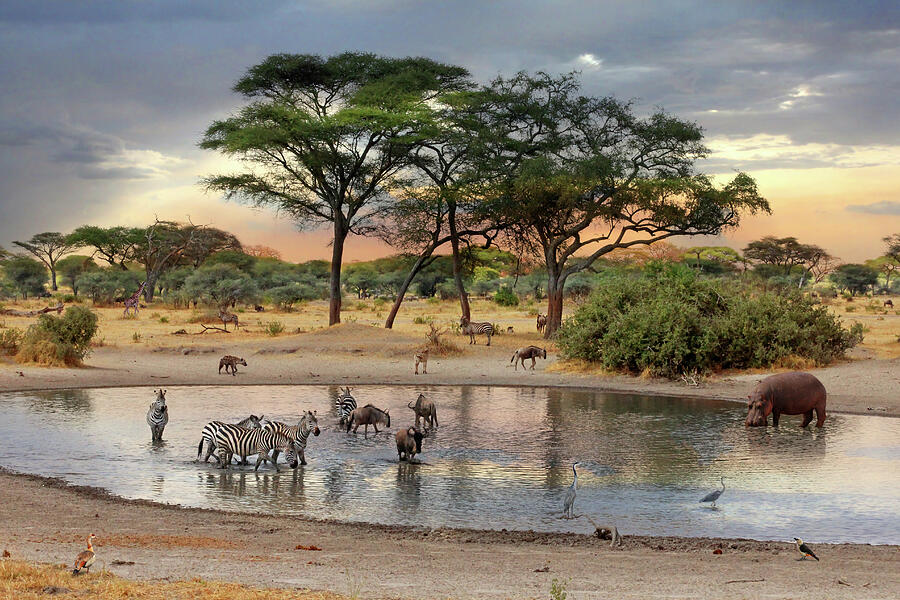
Learn about how to plan a safari for retired couples in this comprehensive safari guide covering key insights and practical advice.
Overview
Planning a safari involves many moving parts, and how to plan a safari for retired couples is one of the most important considerations. Whether you're a first-time visitor or a seasoned Africa traveler, this guide provides the practical knowledge you need to make informed decisions and create an unforgettable experience.
What You Need to Know
The nuances of how to plan a safari for retired couples become apparent when you consider the range of experiences available across Africa's safari destinations. From the iconic Serengeti to the remote wilderness of Zambia's South Luangwa, each location brings its own perspective to this topic. Consulting with experienced safari operators helps you understand which options best match your preferences and expectations.
Still researching? Let us help.
Our advisory team has planned safaris across 9 African countries. We can turn your research into a real plan.
Talk to an AdvisorPractical Considerations
Implementing your understanding of how to plan a safari for retired couples means taking concrete steps during the planning process. Research thoroughly using reliable sources, compare multiple options, and don't rush your decisions. The best safari experiences are built on careful preparation and realistic expectations. Our team of safari operators can review your plans and offer suggestions based on decades of combined experience in African travel.
Expert Perspective
The safari industry's leading voices agree that how to plan a safari for retired couples is an area where knowledge truly makes a difference. As conservation challenges evolve and tourism patterns shift, staying informed helps travelers make choices that benefit both their experience and the destinations they visit. Browse our operator directory to connect with companies that share this commitment to informed, responsible travel.
Next Steps
As you continue planning your African safari, keep how to plan a safari for retired couples in mind as an important piece of the puzzle. The more you understand about the various aspects of safari travel, the better positioned you'll be to create an experience that exceeds your expectations. Explore our destinations, browse the knowledge center, and connect with our safari operators to take the next step in your journey.
Done Reading? Let's Build Your Safari.
Skip the guesswork. Work with an advisor who has been on the ground across East and Southern Africa.
Plan With UsChoosing Your Safari Style: Comfort and Pace
For retired couples, the style of safari you choose can make all the difference. While younger travelers might opt for rustic camping and long, dusty drives, your priorities may lean toward comfort, relaxation, and a more measured pace. This is where the value of a well-planned, premium safari becomes evident.
Accommodation: Instead of basic tents, consider lodges and camps that offer a higher level of comfort. Look for amenities such as:
- Spacious, well-appointed tents or suites: Many modern safari camps offer canvas tents with solid flooring, en-suite bathrooms with flushing toilets and hot showers, and comfortable king-sized beds.
- Private verandas: A private deck or veranda is the perfect spot to relax between game drives, read a book, and watch wildlife that may wander through the unfenced camp.
- Swimming pools: A refreshing dip in a pool is a welcome luxury during the heat of the African afternoon.
- Accessibility: If mobility is a concern, inquire about camps with paved pathways, fewer stairs, and accessible rooms.
> Expert Insight: Many high-end safari lodges in destinations like Botswana's Okavango Delta or South Africa's Sabi Sands Game Reserve specialize in providing a luxurious experience that doesn't sacrifice authenticity. These properties often have fewer rooms, ensuring a more intimate and personalized stay.
Pacing Your Itinerary: A common mistake is trying to pack too much into a single trip. A rushed safari can be exhausting. For a more enjoyable experience, consider:
- Longer stays in fewer locations: Instead of moving every two nights, consider staying three or four nights in each camp. This allows you to fully explore the area, get to know your guide, and enjoy a more relaxed pace.
- Fly-in safaris: In vast countries like Tanzania or Botswana, light aircraft flights between camps can save you long, tiring days on the road. These flights also offer spectacular aerial views of the landscape.
- Building in downtime: Don't feel pressured to go on every single game drive. A morning spent relaxing at the lodge, enjoying a leisurely breakfast, or even indulging in a spa treatment can be just as rewarding.
Health and Safety on Safari
Health and safety are paramount for any traveler, and it’s wise to take extra precautions when on safari. Consulting with your doctor before you travel is essential.
Medical Check-ups and Vaccinations: Schedule a visit with your doctor or a travel clinic 4-6 months before your departure. Discuss your itinerary and any pre-existing health conditions. Recommended vaccinations may include Yellow Fever (required for some countries), Hepatitis A and B, Typhoid, and a Tetanus booster.
Malaria Prevention: Many prime safari destinations are in malaria zones. Your doctor will advise on the best anti-malarial medication for you. It's also crucial to prevent mosquito bites by using insect repellent with DEET, wearing long sleeves and pants in the evenings, and sleeping under a mosquito net.
Travel Insurance: Comprehensive travel insurance is non-negotiable. Ensure your policy includes:
- Emergency medical evacuation: This is critical in remote safari locations. Ensure your coverage is sufficient to transport you to a major hospital in a city like Nairobi or Johannesburg, or even back to your home country.
- Trip cancellation and interruption: This protects your investment in case of unforeseen circumstances.
- Coverage for pre-existing conditions: Be transparent with your insurance provider about any health concerns.
> Traveler's Tip: Pack a small medical kit with essentials like pain relievers, antihistamines, antiseptic wipes, bandages, and any personal medications. Keep this in your carry-on luggage. Our safari operators can provide a more detailed packing list.
The Best Safari Destinations for Retired Couples
While almost any safari destination can be adapted for retired travelers, some are particularly well-suited due to their infrastructure, wildlife viewing opportunities, and overall experience.
Botswana: Often considered the pinnacle of luxury safaris, Botswana offers exclusive, low-impact tourism in pristine wilderness areas like the Okavango Delta and Chobe National Park. The emphasis is on high-quality, intimate camps and exceptional guiding. Fly-in itineraries are the norm, making it easy to get around.
South Africa: With its excellent infrastructure, malaria-free reserves (like Madikwe and parts of the Eastern Cape), and world-class lodges in the Sabi Sands, South Africa is a fantastic choice. You can easily combine a safari with a visit to Cape Town and the Winelands for a diverse and comfortable trip.
Tanzania: For iconic landscapes and the Great Migration, Tanzania is unparalleled. While the Northern Circuit can be busy, a well-planned itinerary focusing on private concessions and luxury mobile camps can provide an exclusive experience. Consider a longer stay to explore the less-visited southern parks like Ruaha and Nyerere National Park.
Kenya: The birthplace of the safari, Kenya offers a classic experience. The Maasai Mara is a must-see, but consider private conservancies bordering the main reserve for more exclusive game viewing and activities like night drives and walking safaris. Pair this with a visit to Amboseli for its stunning views of Mount Kilimanjaro.
By carefully considering your travel style, health, and destination, you can create a safari experience that is not only thrilling but also comfortable, safe, and perfectly paced. To start crafting your ideal journey, plan your safari with one of our expert advisors.
Need Expert Safari Guidance?
Get expert advisory support from a firm founded by a former safari guide — with real operational knowledge across 9 African countries and full-journey accountability.
Related Planning Guides
Recommended Reading
 Safari Planning Guides
Safari Planning Guide for First-Time Travelers
Discover how to plan your dream safari with our expert guide on Safari Planning Guide for First-Time Travelers. Get tips on destinations, costs, and more.
 Safari Planning Guides
Safari Planning Guide for Returning Travelers
Discover how to plan your dream safari with our expert guide on Safari Planning Guide for Returning Travelers. Get tips on destinations, costs, and more.
 Safari Planning Guides
Safari Planning Guide for Luxury Travelers
Discover how to plan your dream safari with our expert guide on Safari Planning Guide for Luxury Travelers. Get tips on destinations, costs, and more.
 Safari Comparison Articles
Solo Safari vs Couple Safari
An in-depth comparison of Solo Safari vs Couple Safari to help you choose the perfect safari experience. Explore the pros, cons, and key differences to make an
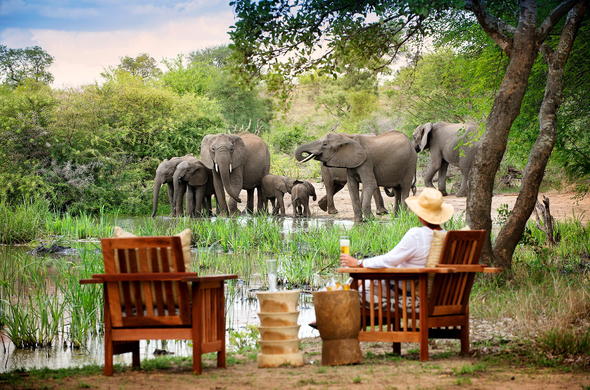 Safari Planning
Step-by-Step Guide to Planning an African Safari
Learn how to plan your first African safari with our step-by-step guide. We cover everything from choosing a destination to booking your trip and packing.
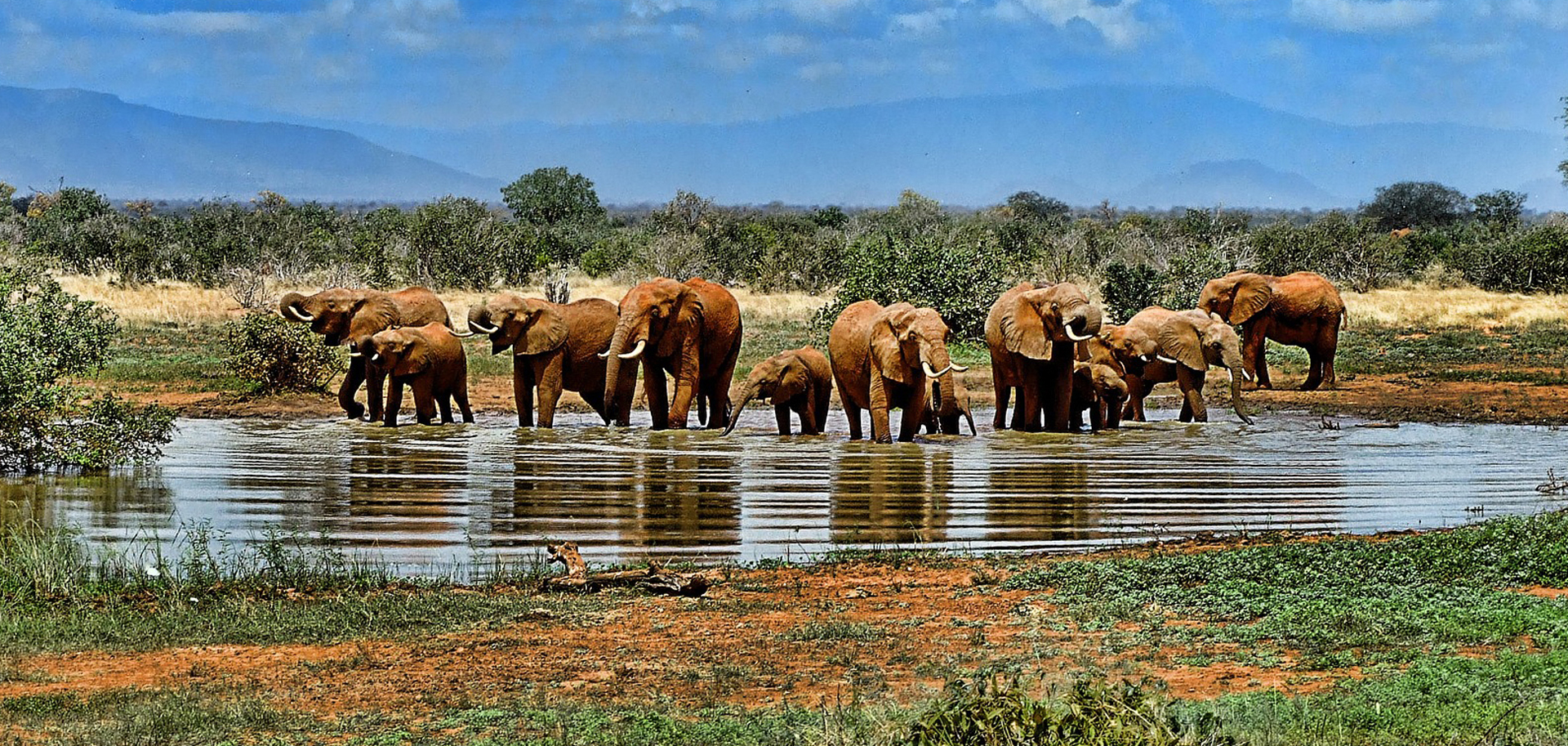 Safari Costs
Safari Cost for Couples
Planning a safari for two? This guide breaks down the average safari cost for couples, from budget to luxury, and explains the key factors that influence the price.