
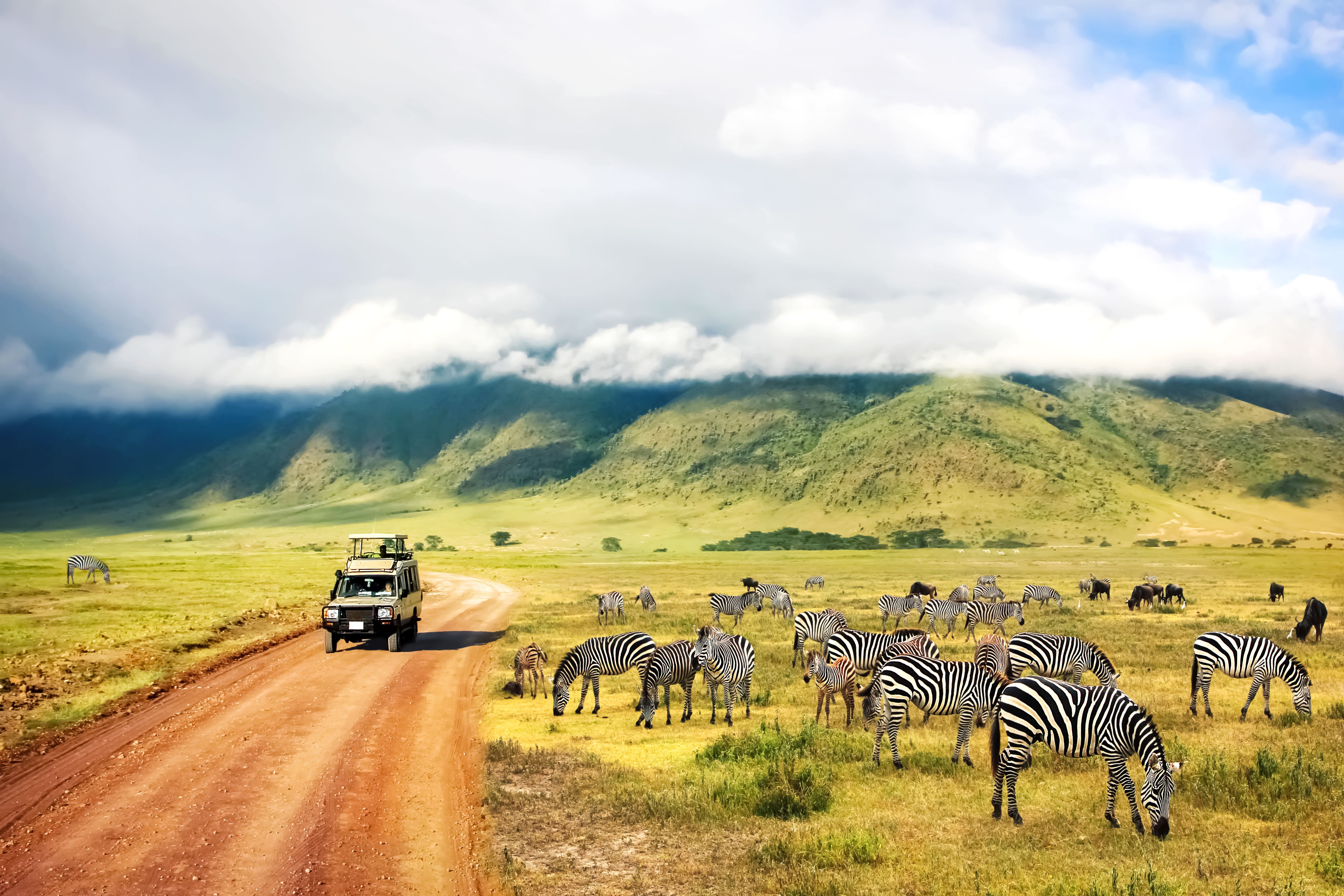
A well-stocked first aid kit is a must-have for any safari. Our guide to first aid kit essentials will help you be prepared for minor injuries and ailments.
About Safari First Aid Kit Essentials
This in-depth guide explores safari first aid kit essentials, providing essential information for anyone planning an African safari. Understanding this topic thoroughly will help you make informed decisions and have a more rewarding safari experience. Africa's safari industry continues to evolve, and staying informed about the latest developments ensures you get the best possible experience.
Why This Matters for Your Safari
Safari First Aid Kit Essentials is an important consideration for safari travelers. Whether you're a first-time visitor or a returning enthusiast, understanding the nuances of this topic can significantly impact your trip. From choosing the right destinations to selecting appropriate operators, every decision builds on foundational knowledge. Our safari operators can provide personalized guidance based on your specific needs.
Still researching? Let us help.
Our advisory team has planned safaris across 9 African countries. We can turn your research into a real plan.
Talk to an AdvisorKey Insights and Recommendations
Based on extensive industry experience and traveler feedback, several key insights emerge. First, research is your best investment, as the more you know before booking, the better your experience will be. Second, flexibility in timing and destinations often leads to better value and fewer crowds. Third, working with experienced professionals, whether guides, operators, or advisors, consistently produces superior outcomes. Explore our knowledge center for more detailed articles on related topics.
Practical Applications
Putting this knowledge into practice starts with your planning process. Begin by identifying your priorities, whether that's specific wildlife encounters, landscape preferences, or cultural experiences. Then use resources like our destination guides, cost calculator, and operator directory to build an itinerary that aligns with your goals. Don't rush the planning process, as a well-planned safari is almost always more rewarding than a hastily arranged one.
Further Reading
To deepen your understanding, explore related articles in our knowledge center. Each guide is written by safari industry professionals with firsthand experience across Africa's top destinations. For personalized advice, our safari planning guidey team is available to answer your questions and help refine your plans.
Done Reading? Let's Build Your Safari.
Skip the guesswork. Work with an advisor who has been on the ground across East and Southern Africa.
Plan With UsBeyond the Basics: Building a Comprehensive Safari Medical Kit
While a basic first-aid kit covers minor scrapes and pains, the remote nature of an African safari demands a more thorough approach to medical preparedness. Your personal medical kit should be viewed as a crucial piece of gear, customized to your health needs and the specific environment you'll be visiting. Think of it not just as a reactive tool for injuries, but a proactive resource for managing your health while away from familiar medical support.
Expert Insight: Before your departure, schedule a consultation with your doctor or a travel medicine specialist. Discuss your itinerary, planned activities, and any personal health concerns. This is the best way to get professional advice on necessary vaccinations, prescription medications like malaria prophylactics, and other health considerations for your specific destinations.
Advanced Medical and Wound Care Supplies
For a truly self-sufficient kit, consider adding items that go beyond simple adhesive bandages. In the bush, a small cut can become a serious problem if not properly managed. We recommend including:
- Sterile Saline Solution: For thoroughly flushing and cleaning wounds or irritants from eyes.
- Butterfly Closures and Steri-Strips: To close deeper cuts and promote better healing.
- Antiseptic Wipes & Ointment: Pack more than you think you'll need. These are essential for preventing infection. Look for single-use wipes for convenience and sterility.
- Blister Treatment: Moleskin or specialized blister pads are a lifesaver after a long walking safari or gorilla trek.
- Trauma Shears: A small pair of shears can cut through clothing or bandages easily in an emergency.
- Digital Thermometer: Essential for accurately diagnosing a fever, which can be an early symptom of malaria or other infections.
Managing Prescription and Over-the-Counter Medications
Properly managing your medications is one of the most critical aspects of safari preparation. Running out of a necessary prescription in the middle of the Serengeti is not a situation you want to face.
Planning Your Prescriptions:
- Bring Extra Supply: Pack at least a week's extra supply of all prescription medications. Delays happen, and having a buffer provides peace of mind.
- Keep Medications in Original Bottles: This helps with identification and avoids any issues with customs officials. The labels clearly state the medication, dosage, and your name.
- Carry a Doctor's Note: For any controlled substances or injectable medications, carry a letter from your doctor explaining their necessity.
- Split Your Medications: Do not pack all your essential medications in one bag. Keep a full supply in your carry-on luggage and a backup supply in your checked bag. This mitigates the risk of loss or theft.
Traveler's Tip: Before you travel, take a photo of your prescriptions and the doctor's note with your smartphone. This creates a digital backup that can be invaluable if your physical copies are lost.
Essential Over-the-Counter Additions
Beyond your prescriptions, a well-stocked kit should include remedies for common travel ailments:
- Oral Rehydration Salts (ORS): Crucial for treating dehydration caused by traveler's diarrhea or excessive sweating.
- Anti-Diarrhea Medication: Loperamide (Imodium) can be essential for managing symptoms during long travel days.
- Antihistamines: For allergic reactions to insect bites, plants, or dust. Consider both a non-drowsy formula for daytime and one that can help you sleep if needed.
- Pain Relievers: Ibuprofen or acetaminophen for headaches, muscle soreness, or fever.
- Hydrocortisone Cream: To soothe skin irritation and insect bites.
When Your First-Aid Kit Isn't Enough
Your first-aid kit is your first line of defense, but it's vital to recognize its limitations. For any serious injury, illness, or a fever that persists, you must seek professional medical help immediately. Inform your safari guide or the lodge manager at once. They are trained to handle emergencies and are in contact with local medical services, including the Flying Doctors service in many regions.
This is where comprehensive travel insurance becomes non-negotiable. Ensure your policy includes robust medical evacuation coverage. In the remote corners of Africa, an airlift to a well-equipped hospital in a major city like Nairobi can be a life-saving measure. Before you plan your safari, our safari operators can recommend insurance providers that specialize in remote travel.
Ultimately, a well-prepared safari traveler is a safe and confident one. By investing time in assembling a comprehensive medical kit, you empower yourself to handle minor issues independently, allowing you to focus on the incredible wildlife and landscapes around you. For more expert advice on safari logistics, visit our knowledge center or use our cost calculator to start budgeting for your adventure.
Need Expert Safari Guidance?
Get expert advisory support from a firm founded by a former safari guide — with real operational knowledge across 9 African countries and full-journey accountability.
Related Planning Guides
Recommended Reading
 Travel Logistics
Safari Snake Bite First Aid
Snake bites are rare on safari, but it\
 Safari Advisor Content
How to Prepare for Your First Safari Advisor Consultation
Learn how to prepare for your first safari advisor consultation. This guide covers what information to gather, questions to ask, and how to communicate effectively.
 Safari Planning
How to Plan Your First African Safari
Learn how to plan your first African safari with expert tips on destinations, timing, costs, and choosing the right operator.
 Safari Planning
What to Expect on Your First Safari
Prepare for your first African safari with our expert guide. Learn what to expect from game drives, accommodations, wildlife viewing, and daily safari life.
 Safari Planning Guides
How to Plan a Safari for the First Time Without an Agent
Discover how to plan your dream safari with our expert guide on How to Plan a Safari for the First Time Without an Agent. Get tips on destinations, costs, and more.
 Safari Planning Guides
Safari Planning Guide for First-Time Travelers
Discover how to plan your dream safari with our expert guide on Safari Planning Guide for First-Time Travelers. Get tips on destinations, costs, and more.