

Learn about safari wifi availability at lodges in this comprehensive safari guide.
Introduction
Exploring safari wifi availability at lodges reveals the depth and complexity of African safari travel. Whether you're drawn to the vast savannas of East Africa or the lush waterways of Southern Africa, this knowledge will serve you well throughout your journey.
Key Details and Considerations
Several critical factors influence safari wifi availability at lodges in the African safari context. Geographic location, time of year, and the specific activities you're interested in all play important roles. The diversity of Africa's safari destinations means that no two experiences are alike, and understanding these nuances helps you plan more effectively. Our destination guides provide detailed information for each region.
Still researching? Let us help.
Our advisory team has planned safaris across 9 African countries. We can turn your research into a real plan.
Talk to an AdvisorPractical Advice
Putting your knowledge of safari wifi availability at lodges into practice requires a systematic approach. Begin by defining your priorities and non-negotiables, then research destinations and operators that align with your vision. Our operator directory features thousands of safari companies across 17 African countries. Compare options carefully, read reviews, and don't hesitate to ask detailed questions before committing to a booking.
Expert Insights
Industry experts emphasize that safari wifi availability at lodges continues to evolve as safari tourism grows and adapts to new challenges. Conservation-focused tourism, community engagement, and sustainable practices are increasingly important considerations for discerning travelers. By choosing operators who prioritize these values, you contribute to the long-term preservation of Africa's wild places. Browse our operator directory to find companies committed to responsible tourism.
Planning Your Next Steps
To wrap up, mastering safari wifi availability at lodges is an investment that pays dividends throughout your safari journey. The more you understand about Africa's diverse ecosystems, wildlife, and tourism infrastructure, the better equipped you'll be to make decisions that lead to extraordinary experiences. Start your planning journey with our comprehensive knowledge center and connect with our team of experienced safari operators for personalized guidance.
_This article has been updated to provide a more comprehensive overview of what to expect regarding internet access during your safari._
Done Reading? Let's Build Your Safari.
Skip the guesswork. Work with an advisor who has been on the ground across East and Southern Africa.
Plan With UsThe Spectrum of Safari Connectivity: From Digital Detox to High-Speed Hubs
When planning a safari, it's crucial to understand that internet access is not a one-size-fits-all amenity. The level of connectivity varies dramatically depending on the type of accommodation, its location, and the operator's philosophy. Understanding this spectrum will help you set realistic expectations and choose a lodge or camp that aligns with your needs.
No Connectivity: The True Digital Detox
Many remote and exclusive camps, particularly in pristine wilderness areas like Botswana’s Okavango Delta or Tanzania’s Selous Game Reserve, offer no guest WiFi or cellular service. This is often a deliberate choice, designed to encourage a deeper immersion in the natural environment. These camps believe that a true safari experience is about disconnecting from the digital world to reconnect with nature. It’s an opportunity to trade screen time for unfiltered moments watching elephants at a waterhole or listening to the sounds of the African night.
Expert Insight: Lodges in this category, such as Sanctuary Chief's Camp in Botswana, often provide exceptional levels of service and guiding to enrich the offline experience. Instead of checking emails, you’ll spend your evenings gathered around the campfire, sharing stories with fellow travelers and expert guides.
Communal Area WiFi: The Balanced Approach
The most common scenario in safari lodges across Africa is limited WiFi available only in the main communal areas—the lounge, library, or dining area. This approach offers a practical compromise, allowing guests to check in with family, upload a few photos, or handle urgent matters without making the internet a constant presence. The connection is typically satellite-based, which means it can be slower and less reliable than what you’re accustomed to at home, and may be turned off during certain hours (e.g., overnight or during game drives).
This model is prevalent in many lodges within national parks and conservancies, such as the Serena Lodges in Kenya and Tanzania. It strikes a balance between providing a necessary service and preserving the safari atmosphere. You can share your adventures with the outside world, but once you retreat to your tent or room, the focus returns to the wilderness around you.
In-Room WiFi: The Luxury of Convenience
At the high end of the spectrum, you'll find luxury lodges and city-based hotels that offer reliable, high-speed WiFi in individual rooms. These properties are often located in more accessible areas or are designed to cater to travelers who need to stay connected for business or personal reasons. Think of safari lodges on the outskirts of national parks or those in private reserves with more developed infrastructure, like many properties in South Africa’s Sabi Sand Game Reserve.
Traveler's Tip: If in-room WiFi is a must-have, be sure to confirm this with your safari planning guide before booking. While properties like Singita Boulders Lodge in South Africa are known for excellent connectivity, it remains the exception rather than the rule in the safari world. Don’t assume that a high price tag automatically guarantees high-speed internet.
The Technology Behind Safari WiFi: Satellite, Cellular, and Dongles
Understanding the technology that powers internet access in the bush can help you appreciate both its availability and its limitations. The remote locations of most safari camps mean that standard broadband infrastructure is non-existent. Instead, lodges rely on a combination of innovative solutions to bring the digital world to the wilderness.
Satellite Internet: The Lifeline of the Bush
The vast majority of safari lodges with WiFi depend on satellite internet. A dish at the lodge communicates with a satellite orbiting the Earth, which in turn relays the signal to a ground station connected to the global internet. This technology can provide access in the most isolated corners of Africa, but it comes with inherent limitations:
- Latency: The long distance the signal travels results in high latency (delay), making real-time applications like video calls or online gaming challenging.
- Bandwidth: Satellite bandwidth is expensive and limited. Lodges must share this connection among all guests and staff, which is why speeds can be slow, especially during peak usage times in the evening.
- Weather Dependence: Heavy rain, cloud cover, or even dense foliage can interfere with the satellite signal, leading to intermittent or complete loss of connection.
Cellular Networks: An Expanding but Imperfect Web
In areas closer to towns or major roads, some lodges can leverage cellular networks for internet access. Mobile network coverage is expanding rapidly across Africa, and in countries like Kenya and South Africa, it’s often surprisingly robust. Lodges in these areas may use 4G/LTE routers to provide WiFi to guests. This can offer faster speeds and lower latency than satellite, but it is far from universal.
Traveler's Tip: If you plan to rely on cellular data, it's wise to purchase a local SIM card upon arrival. Your home provider’s roaming plan may be expensive and less reliable. A local SIM from a provider like Safaricom in Kenya or Vodacom in Tanzania can offer a more affordable and stable connection in areas with coverage. You can use this in your phone or a portable MiFi device.
WiFi Dongles and Personal Hotspots
For travelers who require a more reliable or private connection, carrying a personal WiFi dongle or MiFi hotspot with a local SIM card is a viable option. This gives you your own bubble of connectivity, independent of the lodge’s shared network. However, its effectiveness is entirely dependent on the availability of a cellular signal. In a remote camp with no cell service, a dongle will be of no use. Our safari operators can provide guidance on which parks and regions have reliable enough cellular coverage to make this a worthwhile investment.
Managing Your Digital Workflow on Safari
For photographers, content creators, or professionals who need to manage digital files while traveling, the limited connectivity of a safari requires a specific workflow. Relying on cloud backups in real-time is often not feasible. Instead, a robust offline backup strategy is essential.
The 3-2-1 Backup Rule in the Bush
A best practice for data management, the 3-2-1 rule, is especially relevant on safari:
- Three copies of your data.
- Two different media types.
- One off-site backup.
In a safari context, this means having your original files on your camera’s memory card, a second copy on a laptop or tablet, and a third copy on a portable external hard drive (SSD drives are more durable for travel). Each evening, you should dedicate time to transferring and backing up your files. Do not wait until the end of the trip to do this.
Expert Insight: Invest in a high-capacity portable hard drive like the LaCie Rugged or SanDisk Extreme Portable SSD. These are designed to withstand the bumps and dust of safari travel. For photographers, bringing multiple lower-capacity memory cards and treating them as a backup once full is a safer strategy than relying on a single large card.
The Cost of Connectivity
While many lodges offer WiFi as a complimentary amenity, this is not always the case. In some high-end or very remote camps, internet access may come at an additional cost. This is due to the high expense of satellite bandwidth. If a lodge does charge for WiFi, it is typically sold in blocks of data (e.g., 500MB) or time (e.g., 24 hours). Be sure to clarify the lodge’s policy and pricing beforehand to avoid surprises. This information can be found on their website or by asking your safari planning guide.
| Connectivity Tier | Typical Cost | Best For | Common Locations | | ------------------------- | ------------------- | ---------------------------------------------- | ------------------------------------------------- | | Digital Detox | None | Full immersion, disconnecting from technology | Remote camps in Botswana, Tanzania, Zambia | | Communal Area WiFi | Usually Included | Casual check-ins, light email | Most lodges in national parks and conservancies | | In-Room WiFi | Included or Extra Fee | Business needs, heavy usage, streaming | Luxury lodges, city hotels, South African reserves | | Local SIM/Cellular | ~$10-30 USD | Independent connection, work, social media | Areas with good network coverage (e.g., near towns) |
Ultimately, the decision of how much connectivity you need on safari is a personal one. By understanding the landscape of safari WiFi, you can make informed choices that enhance your journey, whether that means staying in touch or embracing the quiet of the African wilderness. To start crafting your ideal safari experience, explore our destinations or begin with our safari cost calculator to align your budget and expectations.
Need Expert Safari Guidance?
Get expert advisory support from a firm founded by a former safari guide — with real operational knowledge across 9 African countries and full-journey accountability.
Related Planning Guides
Recommended Reading
 Travel Logistics
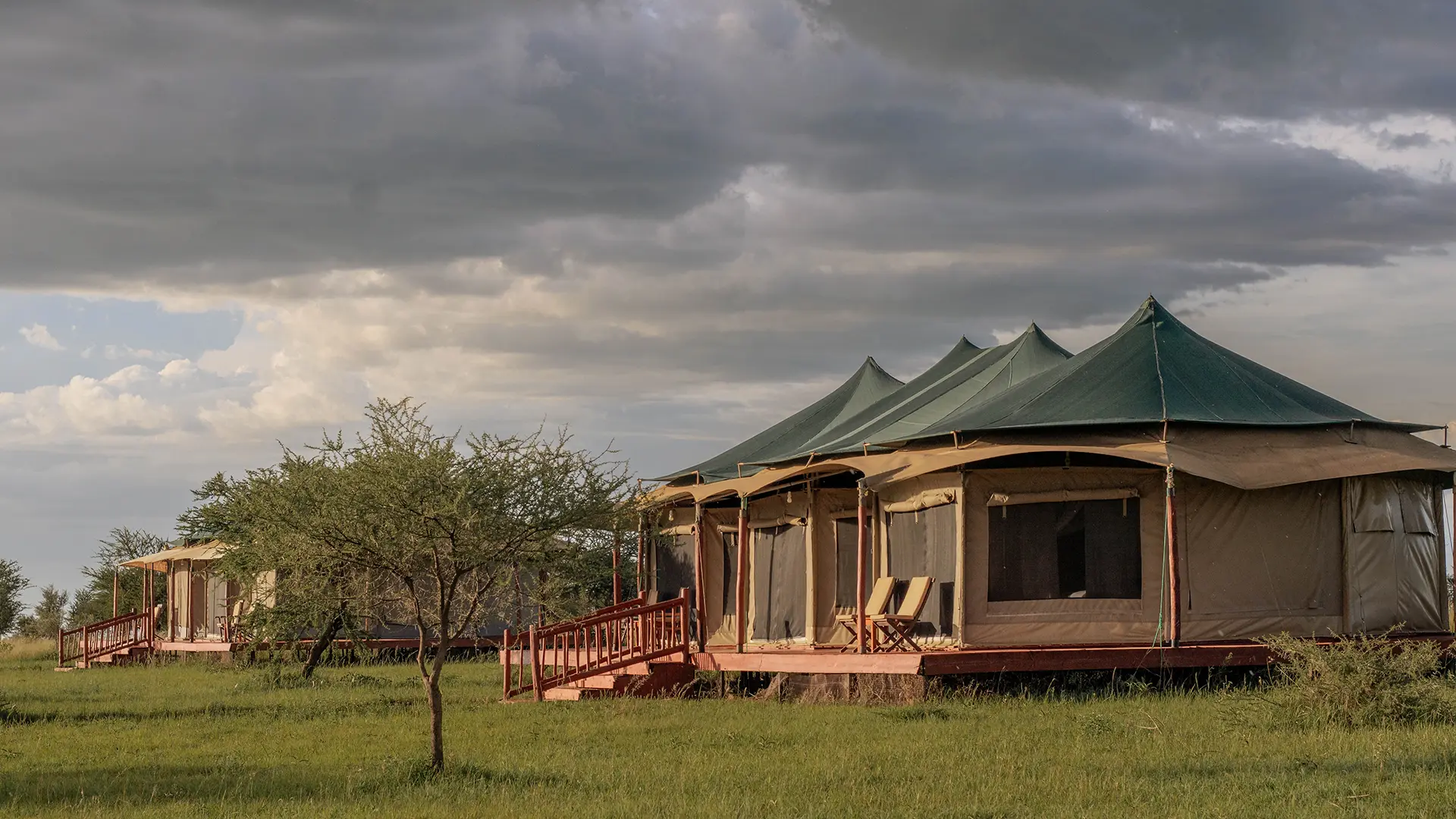
Safari Lodge Amenities Guide
From plunge pools to pizza ovens, safari lodges offer a surprising range of amenities. Our guide will help you know what to expect at your home in the bush.
 Travel Logistics
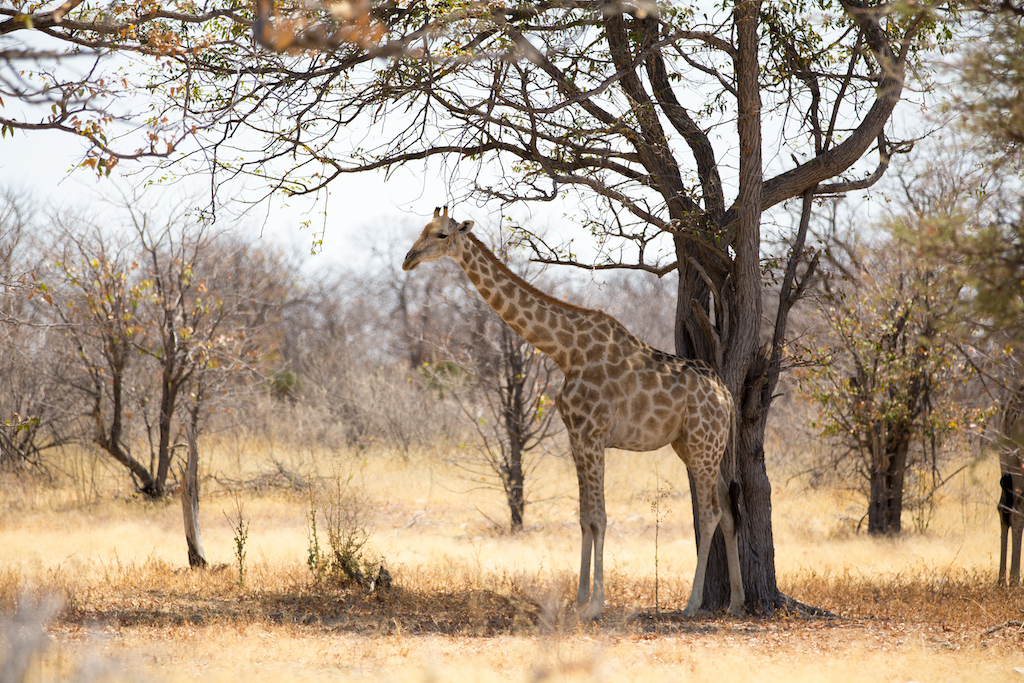
Safari Fuel Availability by Country
Running out of fuel on safari is not an option. Our guide to fuel availability by country will help you plan your refueling stops and avoid getting stranded.
 Travel Logistics
Safari Laundry Services at Lodges
Packing light for a safari is easy when you can do laundry along the way. Our guide to laundry services at safari lodges will help you keep your clothes fresh a
 Safari Planning Guides
How to Choose Between a Lodge Safari and Camping Safari
Discover how to plan your dream safari with our expert guide on How to Choose Between a Lodge Safari and Camping Safari. Get tips on destinations, costs, and more.
 Safari Comparison Articles
Lodge Safari vs Tented Camp Safari
An in-depth comparison of Lodge Safari vs Tented Camp Safari to help you choose the perfect safari experience. Explore the pros, cons, and key differences to ma
 Safari Comparison Articles
Tree House Safari vs Ground Lodge Safari
An in-depth comparison of Tree House Safari vs Ground Lodge Safari to help you choose the perfect safari experience. Explore the pros, cons, and key differences