
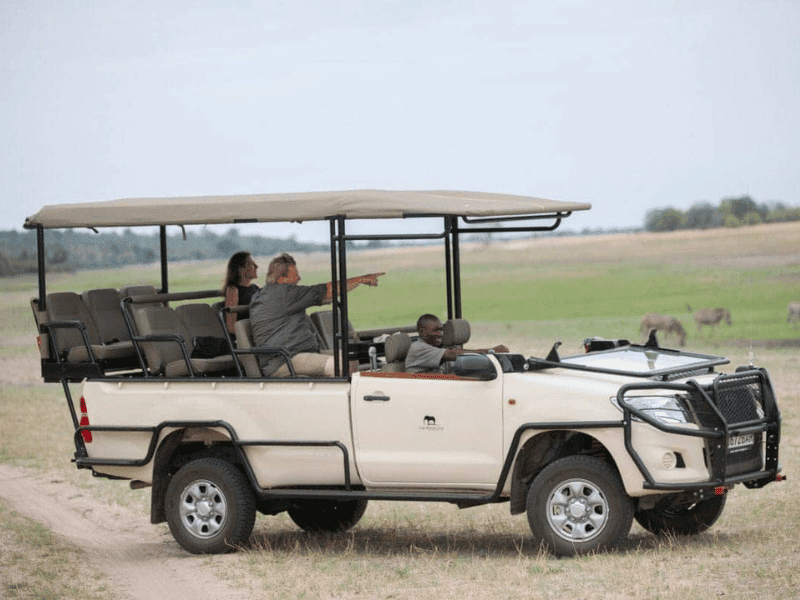
Learn about safari road conditions by country in this comprehensive safari guide.
Introduction
Understanding safari road conditions by country is essential for anyone planning a safari in Africa. This topic encompasses a range of considerations that can significantly impact your travel experience, from practical logistics to wildlife encounters that create lasting memories.
Key Details and Considerations
Delving deeper into safari road conditions by country, travelers discover that Africa's safari industry has evolved significantly over the past decades. Modern safari experiences combine traditional wilderness exploration with contemporary comfort and conservation awareness. The key is finding the right balance for your travel style and budget, which our cost calculator can help you determine.
Still researching? Let us help.
Our advisory team has planned safaris across 9 African countries. We can turn your research into a real plan.
Talk to an AdvisorPractical Advice
Putting your knowledge of safari road conditions by country into practice requires a systematic approach. Begin by defining your priorities and non-negotiables, then research destinations and operators that align with your vision. Our operator directory features thousands of safari companies across 17 African countries. Compare options carefully, read reviews, and don't hesitate to ask detailed questions before committing to a booking.
Expert Insights
Safari professionals with decades of experience note that understanding safari road conditions by country gives travelers a significant advantage. The difference between a good safari and an exceptional one often comes down to the details, from choosing the right accommodation to timing your game drives for optimal wildlife viewing. Our safari operators bring this expertise to every consultation, helping you avoid common pitfalls and discover hidden gems.
Planning Your Next Steps
In summary, safari road conditions by country is a multifaceted topic that rewards careful study and thoughtful planning. Whether you're a first-time safari traveler or a returning enthusiast, staying informed about the latest developments and best practices ensures the best possible experience. Explore our destinations, consult our safari operators, and use our cost calculator to begin planning your African adventure today.
_This article is a living document, and we continuously update it with the latest information. This section was last updated on March 25, 2026, to reflect current road conditions and traveler feedback._
Done Reading? Let's Build Your Safari.
Skip the guesswork. Work with an advisor who has been on the ground across East and Southern Africa.
Plan With UsA Region-by-Region Road Analysis
While the romance of a safari often involves images of vast, open plains, the reality on the ground is a network of roads that can range from smooth tarmac to rugged, muddy tracks. Understanding these variations is key to setting the right expectations and planning a comfortable journey. Below, we break down what to expect in Africa's primary safari regions.
East Africa: Kenya, Tanzania, Uganda & Rwanda
East Africa is the heartland of the classic safari, but its road networks are a study in contrasts. While major highways connecting cities are often paved and well-maintained, the roads within national parks and reserves are almost entirely unpaved.
Kenya & Tanzania: The main arteries, such as the road from Nairobi to the Maasai Mara or Arusha to the Ngorongoro Crater, are generally paved. However, once you enter the park gates, you transition to dirt and gravel roads. During the long rains (April to May) and short rains (November), these roads can become incredibly challenging.
- Maasai Mara National Reserve: The black cotton soil of the Mara is notorious. When wet, it becomes a thick, sticky mud that can easily bog down a vehicle. An experienced driver-guide is not just a luxury here; it's a necessity. They are experts at navigating these conditions and are in constant communication with other guides to avoid the worst areas.
- Serengeti National Park: The Serengeti's vastness means you'll cover long distances on unpaved roads. The southern plains are relatively flat, but the central Seronera region and the northern corridors have more varied terrain. Expect bumpy "African massages" as your vehicle navigates the corrugated surfaces.
> Expert Insight: The Great Migration & Road Conditions > Planning to witness the Great Migration? Remember that the timing of the rains dictates the herds' movements and the state of the roads. In the southern Serengeti (Ndutu) from December to March, the ground is typically firm. However, as the rains begin in April and May, the herds move north, and the roads become progressively more difficult to navigate. Our safari operators can help you align your travel dates with both optimal game viewing and manageable road conditions.
Uganda & Rwanda: These countries are mountainous, and their road conditions reflect the challenging topography. While both have invested heavily in their infrastructure, expect winding, steep roads, especially when heading to see the mountain gorillas.
- Bwindi Impenetrable Forest (Uganda): The roads leading to the gorilla trekking trailheads are steep, narrow, and often slick with mud, particularly in the rainy seasons. A reliable 4x4 vehicle is non-negotiable. The drive itself is part of the adventure, offering stunning views of the terraced hillsides.
- Volcanoes National Park (Rwanda): Rwanda boasts some of the best roads in East Africa. The main route to Volcanoes National Park is smooth and paved. However, the final tracks to the trekking starting points are rougher volcanic terrain, requiring a capable vehicle and a skilled driver.
Southern Africa: Botswana, Zambia, Namibia & South Africa
Southern Africa offers a different safari experience, and its road infrastructure is just as diverse. From the desolate, sandy tracks of Namibia to the water-logged channels of the Okavango Delta, this region presents its own unique set of challenges.
Botswana: Famous for its low-impact tourism model, Botswana's wild areas are truly wild. Paved roads are rare outside of the main transit routes between cities like Maun and Kasane.
- Okavango Delta & Moremi Game Reserve: This is 4x4 territory, pure and simple. The roads are a mix of deep sand and seasonal water crossings. During the flood season (roughly June to August), many roads become impassable, and travel is often done by mokoro (traditional canoe) or motorboat. Driving here requires specialized skills and a well-equipped vehicle.
- Chobe National Park: The riverfront roads in Chobe are notorious for deep sand, especially in the dry season (May to October). It is not uncommon to see vehicles stuck. Tire pressure management is a critical skill for any driver in this environment.
Namibia: A land of dramatic deserts and gravel plains, Namibia is a popular self-drive destination. The country has a well-maintained network of gravel roads, but they demand respect.
- Etosha National Park: The internal roads are gravel and can be corrugated, leading to a bumpy ride. The main risk here is dust and the potential for sharp stones to cause tire damage. It's essential to carry at least one, preferably two, spare tires.
- Skeleton Coast & Damaraland: These remote regions involve driving on vast, empty gravel roads and sandy tracks. Distances are long, and services are few and far between. A satellite phone is a highly recommended safety precaution for self-drivers.
> Traveler's Tip: The C-Roads of Namibia > Namibia's road network is classified with letters. While the 'B' roads are paved highways, the 'C' and 'D' roads are gravel. While generally well-graded, their condition can change quickly after a rare rainstorm. Always check local conditions before setting out and maintain a steady, moderate speed to avoid losing control on the loose surface.
South Africa: As the most developed country in the region, South Africa has an excellent network of paved national highways. Even premier parks like Kruger are highly accessible.
- Kruger National Park: Kruger boasts a unique mix of paved and unpaved roads. The main arterial routes are tarred, allowing for comfortable travel over long distances. A network of smaller gravel roads branches off, offering a more intimate game-viewing experience. This makes Kruger one of the few major parks where a standard sedan can be used, although a vehicle with higher clearance is always recommended.
The Right Vehicle for the Job: 4x4 vs. Safari Minibus
Your safari vehicle is more than just transportation; it's your mobile wildlife-viewing platform. The type of vehicle used often depends on the country and the style of safari.
- Open-Sided 4x4s: Common in Southern Africa (Botswana, Zambia, South Africa) and on private conservancies in East Africa. These are typically modified Toyota Land Cruisers or Land Rovers, offering unparalleled visibility and a sense of immersion. They are the gold standard for photography.
- Closed 4x4s with Pop-Top Roofs: The workhorse of Kenya and Tanzania. These are usually Land Cruisers with a roof that can be raised for 360-degree viewing and photography. They offer better protection from the elements and are ideal for the long-distance driving common in the Serengeti and Maasai Mara ecosystems.
- Safari Minibuses: Often seen in Kenya on more budget-oriented safaris. While they can handle the main park roads, they lack the off-road capability of a true 4x4 and can struggle in wet conditions or on sandy tracks. For a premium experience, we always recommend a dedicated 4x4 vehicle.
Planning a safari involves many details, from choosing the right destinations to understanding the logistics on the ground. Our team of safari operators is here to demystify the process and build a journey that's right for you. Use our cost calculator to get a preliminary budget, and then plan your safari with the experts.
Need Expert Safari Guidance?
Get expert advisory support from a firm founded by a former safari guide — with real operational knowledge across 9 African countries and full-journey accountability.
Related Planning Guides
Recommended Reading
 Travel Logistics
Safari Passport Requirements by Country
Learn about safari passport requirements by country and how it can impact your safari experience. Get expert advice and start planning your dream safari today.
 Travel Logistics
Safari Credit Card Acceptance by Country
Planning to use your credit card on safari? Our guide breaks down credit card acceptance rates by country, helping you prepare for a seamless financial experience.
 Travel Logistics
Safari Driving Rules by Country
Planning a self-drive safari? Our guide to driving rules by country will help you navigate the roads of Africa safely and legally.
 Packing & Preparation
Safari Adapter and Plug Guide by Country
Learn all about Safari Adapter and Plug Guide by Country in this comprehensive guide.
 Safari Cost Guides
Safari Lodge Costs by Country Comparison
Planning a safari? Learn about safari lodge costs by country comparison. Get expert advice and insights from Safari Intelligence to plan your perfect trip.
 Safari Cost Guides
Safari Camp Costs by Country Comparison
Planning a safari? Learn about safari camp costs by country comparison. Get expert advice and insights from Safari Intelligence to plan your perfect trip.