

Learn about safari operator guide qualification standards and how it can impact your safari experience. Get expert advice and start planning your dream safari today.
Safari Operator Guide Qualification Standards
This is the content for the article: Safari Operator Guide Qualification Standards.
This article is in the category: Safari Operator Articles.
Here are some internal links:
The Anatomy of a Professional Safari Guide
A truly exceptional safari experience hinges on the quality of your guide. While the stunning landscapes and iconic wildlife of Africa are the main attractions, it is the guide who interprets the environment, unveils its secrets, and ensures your journey is not just a sightseeing trip, but a profound educational adventure. But what separates a mere driver from a world-class professional guide? The answer lies in a rigorous combination of formal training, deep-rooted knowledge, and a specific set of personal attributes.
At Safari Intelligence, we believe in empowering travelers with the knowledge to discern quality. Understanding the qualification standards for safari guides is the first step in ensuring your adventure is safe, enriching, and ethically sound. This guide delves into the comprehensive standards, certifications, and skills that define a top-tier safari professional.
Still researching? Let us help.
Our advisory team has planned safaris across 9 African countries. We can turn your research into a real plan.
Talk to an AdvisorFormal Certification: The Bedrock of a Guide's Authority
In the premier safari destinations of Africa, guiding is a formal profession with established standards and governing bodies. These organizations ensure that guides possess a verified level of knowledge and adhere to a strict code of conduct. When vetting a safari operator, inquiring about their guides' certifications is a critical step.
Kenya: The Kenya Professional Safari Guides Association (KPSGA)
The KPSGA is the gold standard for guide certification in Kenya. It uses a tiered system to rank guides based on their examination results and field experience:
- Bronze Level: This is the entry-level certification. A Bronze-certified guide has passed a comprehensive written exam covering topics like Kenyan geography, history, culture, and natural history, including basic knowledge of flora and fauna.
- Silver Level: To achieve Silver status, guides must have at least three years of professional guiding experience and pass a more rigorous set of written and practical exams. Their knowledge of animal behavior, ecology, and botany is significantly deeper. They are also tested on their practical skills, such as communication and vehicle positioning for photography.
- Gold Level: The pinnacle of the profession, a Gold-certified guide is a master of their craft. This level requires a minimum of five years of experience and passing an exhaustive, multi-day practical evaluation in the field. Gold guides possess an encyclopedic knowledge of the ecosystem, exceptional tracking abilities, and unparalleled storytelling skills. They are not just guides; they are respected naturalists and mentors.
South Africa: The Field Guides Association of Southern Africa (FGASA)
FGASA is one of the most respected guide training and certification bodies in Africa. Its qualifications are recognized across the southern part of the continent. The primary qualifications include:
- Apprentice Field Guide (formerly FGASA Level 1): This foundational course covers a broad curriculum, including ecology, animal behavior, conservation management, and guest relations. It involves both theoretical exams and a practical assessment.
- Field Guide (formerly FGASA Level 2): This requires more advanced knowledge and practical skills, with a deeper focus on specialized topics and the ability to conduct guided walks.
- Professional Field Guide (formerly FGASA Level 3): This top-tier qualification is for highly experienced guides who have mastered complex subjects like habitat management, advanced tracking, and have a comprehensive understanding of the entire ecosystem.
Tanzania and Beyond
Tanzania has its own set of standards, often enforced by the Tanzania National Parks Authority (TANAPA). Guides are required to undergo specific training and licensing to operate within national parks like the Serengeti and Ngorongoro Crater. Similarly, countries like Botswana, Zambia, and Zimbabwe have their own rigorous training programs, often with a strong emphasis on walking safaris and specialized skills like poling a mokoro in the Okavango Delta.
> Expert Insight: When booking a safari, don't hesitate to ask your operator for the specific certification level of your guide. A reputable company will be proud to highlight the qualifications of their team. A guide with a KPSGA Gold or FGASA Professional Field Guide certification is a strong indicator of a high-quality operation.
Core Knowledge: Beyond the “Big Five”
A professional guide’s knowledge extends far beyond simply identifying the most famous animals. They are trained naturalists who can interpret the entire ecosystem. Key areas of expertise include:
- Ecology and Animal Behavior: Understanding the intricate relationships between species, their life cycles, and their behavior is what allows a guide to anticipate animal movements and provide deep insights. Why is that elephant stripping bark from an acacia tree? What does a specific bird call signify? A great guide can answer these questions.
- Botany and Traditional Uses of Plants: The flora of the African bush is as fascinating as its fauna. Guides learn to identify key plant species and often have knowledge of their traditional medicinal or practical uses, adding a rich cultural layer to the experience.
- Tracking and Spoor Identification: The ability to read the landscape for signs of animal activity is a thrilling part of any safari. A skilled guide can identify tracks, dung, and other signs to locate wildlife, turning a simple drive into a detective story.
- Ornithology: With over 2,000 bird species in Africa, birding is a major component of any safari. A qualified guide can identify a vast number of birds by sight and sound, from the majestic eagles to the colorful, flitting bee-eaters.
Practical Skills for a Seamless Experience
Classroom knowledge is only half the equation. A guide must also be a master of practical skills to ensure the safety, comfort, and success of a safari.
- Driving and Vehicle Maintenance: Navigating challenging bush tracks requires expert driving skills. Guides are also trained in basic vehicle mechanics to handle common issues like flat tires or engine trouble, ensuring you are never left stranded.
- Safety and First Aid: All certified guides are trained in wilderness first aid and emergency procedures. They know how to react calmly and effectively in any situation, from a close wildlife encounter to a medical issue.
- Navigation and Radio Communication: Expert navigation skills, using both GPS and traditional methods, are essential. Guides are also proficient in using long-range radios to communicate with other guides and park authorities, sharing information about sightings and safety conditions.
> Traveler's Tip: The quality of the safari vehicle is often a reflection of the operator's standards. A well-maintained, customized 4x4 Land Cruiser or Land Rover with features like a pop-up roof, charging ports, and a refrigerator is a sign of a professional operation. Learn more at our knowledge center.
Done Reading? Let's Build Your Safari.
Skip the guesswork. Work with an advisor who has been on the ground across East and Southern Africa.
Plan With UsThe Intangibles: What Makes a Guide Truly Great?
Beyond certifications and technical skills are the personal attributes that elevate a guide from good to legendary. These "soft skills" are what create a truly memorable and personal journey.
- Passion and Enthusiasm: The best guides have an infectious love for the wilderness and a genuine desire to share it with others.
- Communication and Storytelling: A guide’s ability to weave together facts, stories, and personal anecdotes into a compelling narrative is what brings the safari to life.
- Patience and Adaptability: The bush is unpredictable. A great guide is patient, knowing when to wait for an animal to emerge, and adaptable, ready to change plans based on weather or animal movements.
- Hospitality: Top guides are also exceptional hosts. They are attentive to your needs, manage group dynamics, and ensure everyone feels comfortable and included.
By understanding these qualification standards, you can make a more informed decision when choosing a safari operator. Investing in a highly qualified guide is an investment in the quality, safety, and richness of your African adventure. To connect with our team of safari operators and start planning your journey, visit our plan your safari page.
Need Expert Safari Guidance?
Get expert advisory support from a firm founded by a former safari guide — with real operational knowledge across 9 African countries and full-journey accountability.
Related Planning Guides
Recommended Reading
 Safari Operator Articles
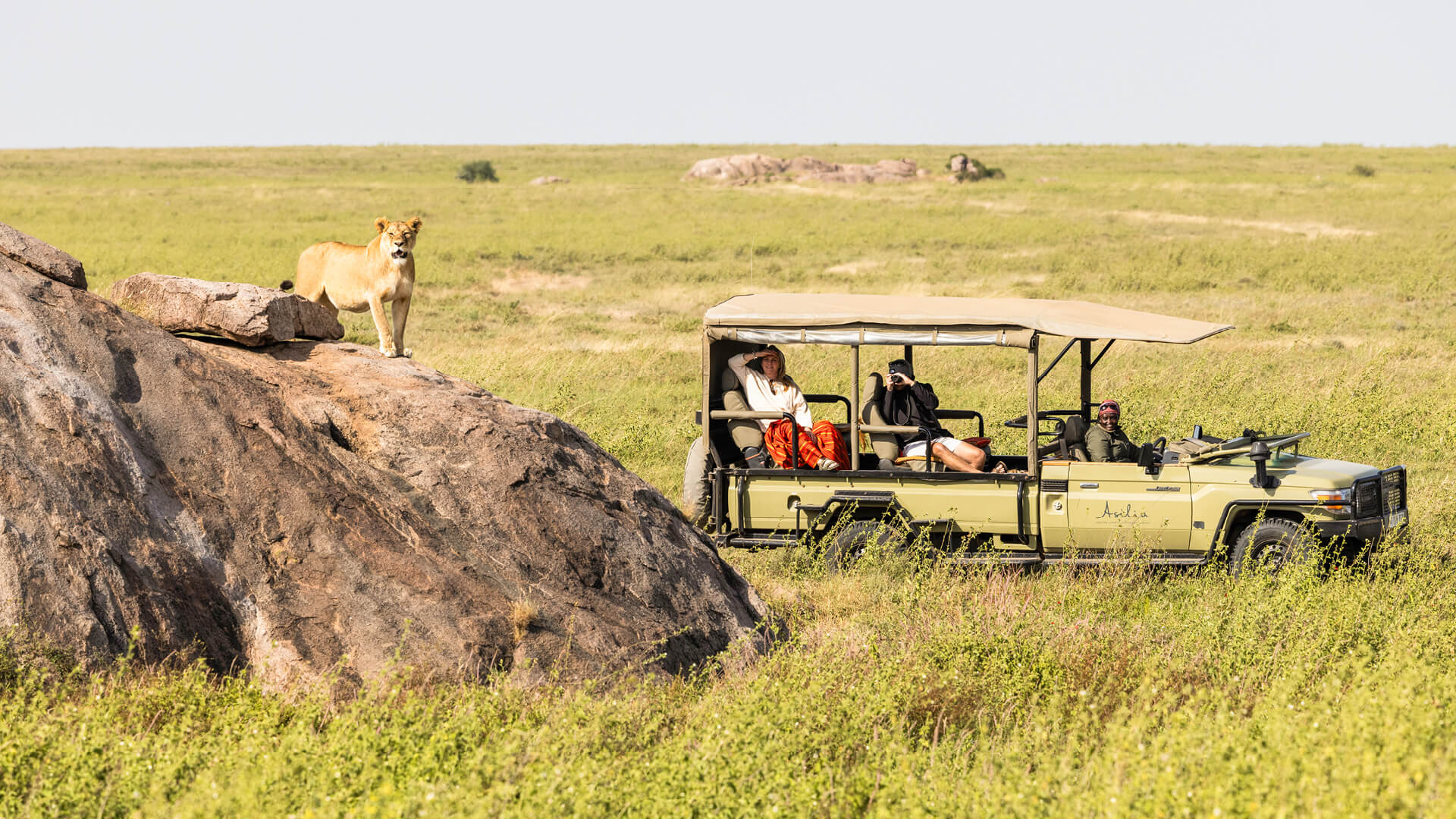
Safari Operator Safety Standards Explained
Learn about safari operator safety standards explained and how it can impact your safari experience. Get expert advice and start planning your dream safari today.
 Safari Operator Articles
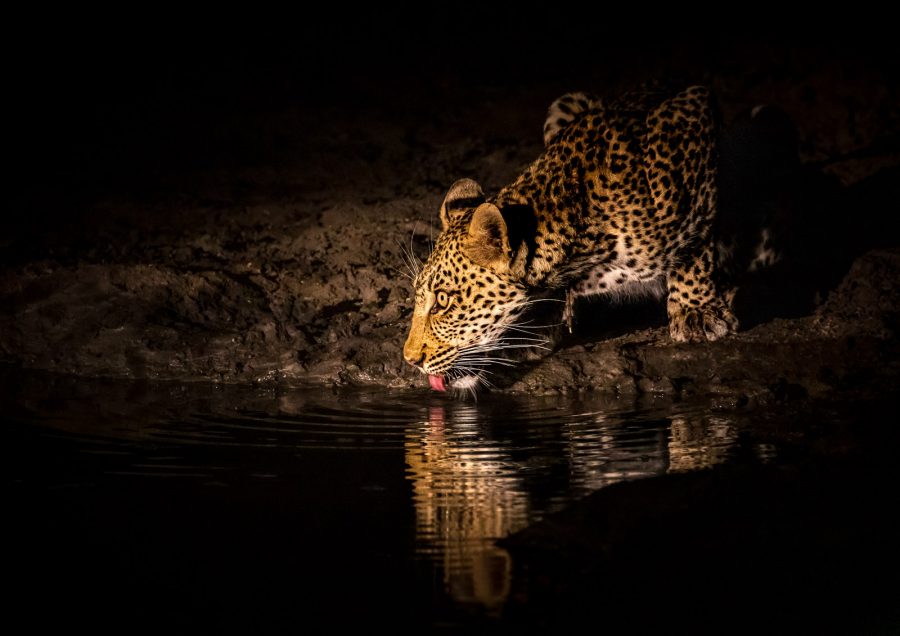
Safari Operator Vehicle Standards Explained
Learn about safari operator vehicle standards explained and how it can impact your safari experience. Get expert advice and start planning your dream safari today.
 Safari Operator Articles
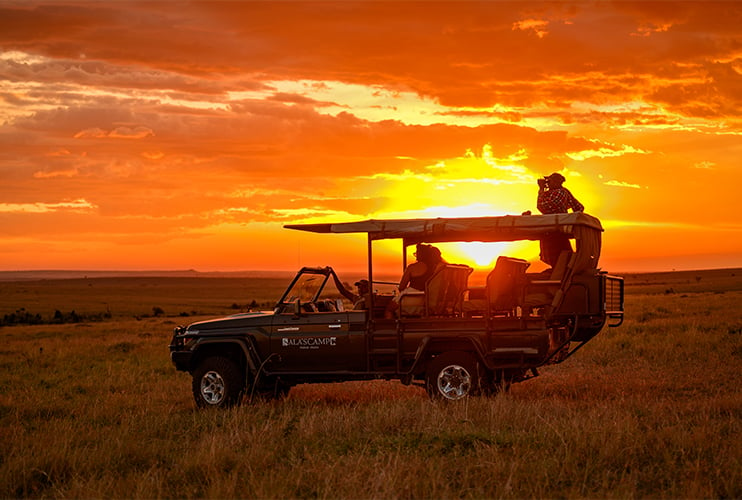
Safari Operator Communication Standards
Learn about safari operator communication standards and how it can impact your safari experience. Get expert advice and start planning your dream safari today.
 Safari Intelligence Insights
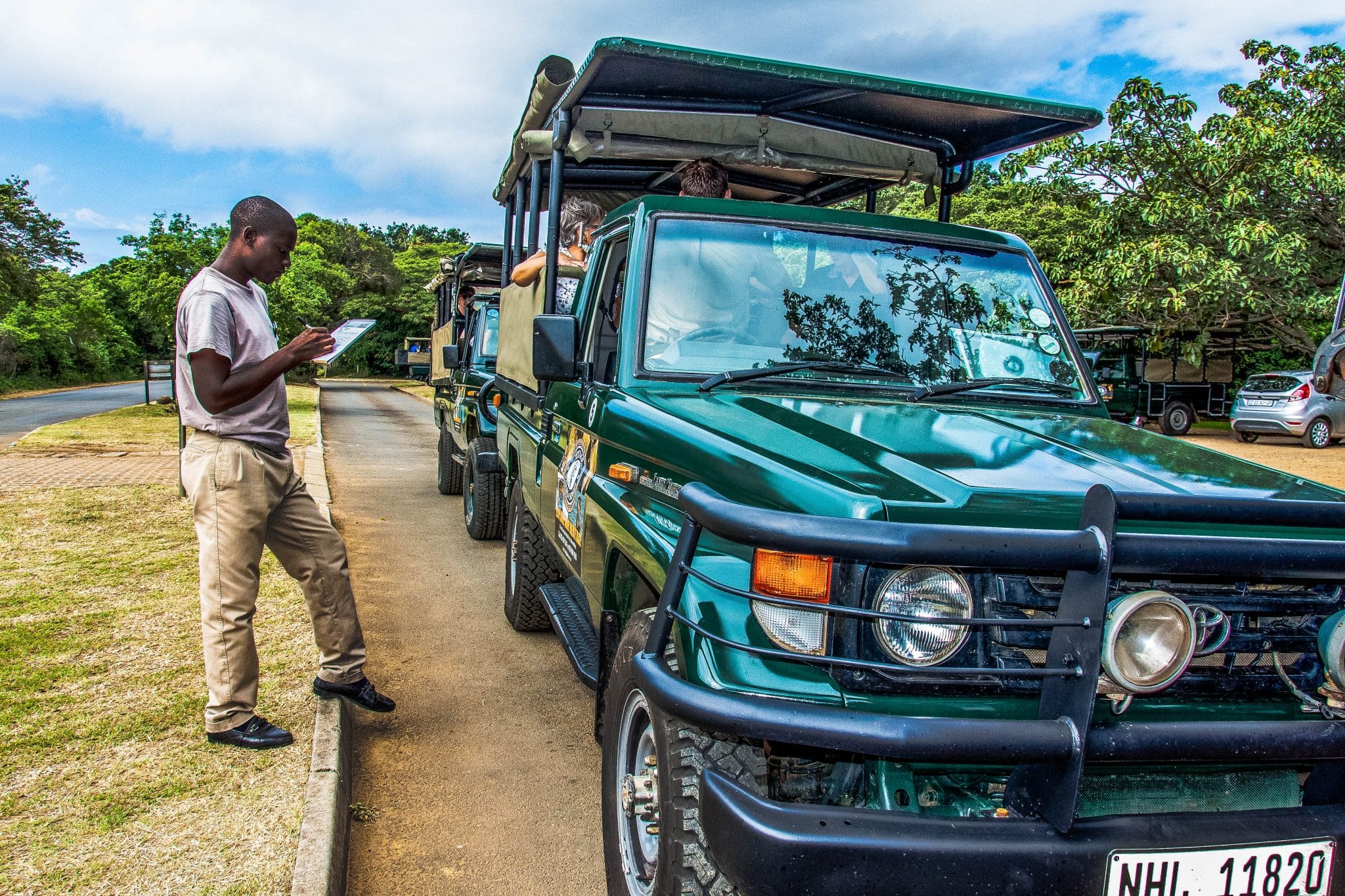
Safari Guide Training Standards
Learn about the rigorous training and certification standards for safari guides in Africa, and what to look for when choosing a guide for your safari.
 Safari Planning
Step-by-Step Guide to Planning an African Safari
Learn how to plan your first African safari with our step-by-step guide. We cover everything from choosing a destination to booking your trip and packing.
 Luxury Safaris
Luxury Safari vs Standard Safari
Wondering whether to book a luxury or standard safari? Our guide breaks down the key differences in accommodation, guiding, and cost to help you choose.