
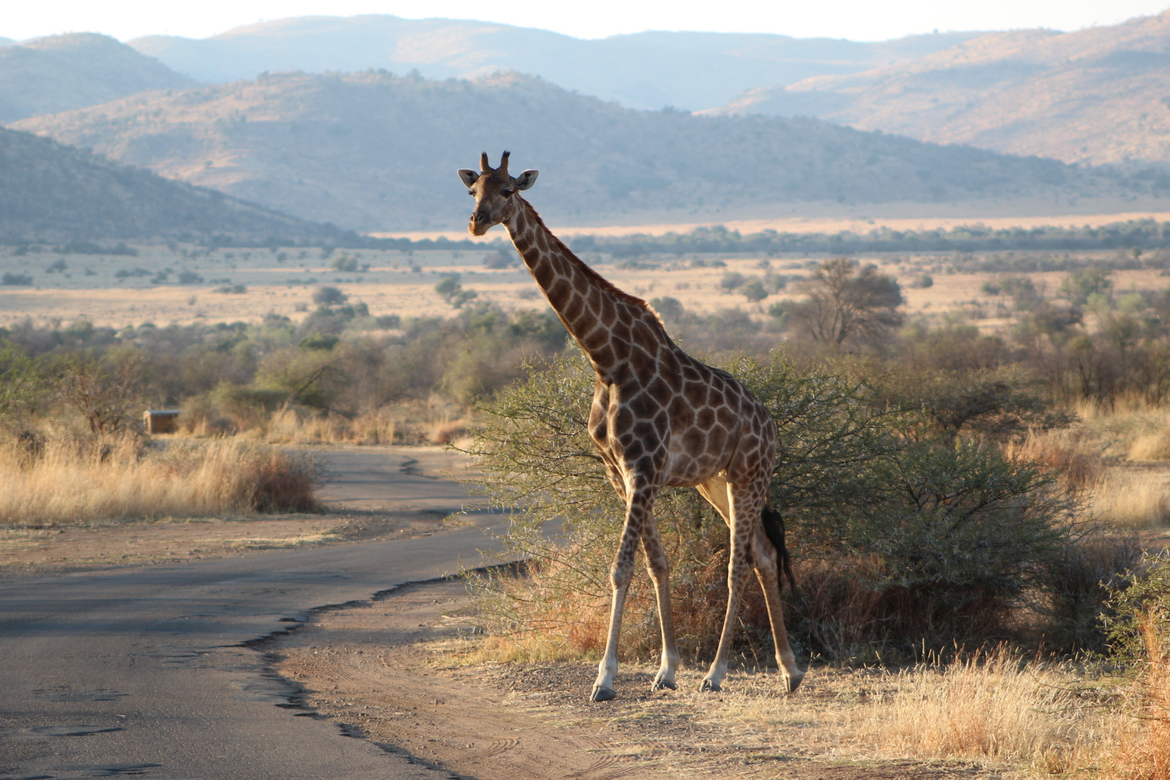
Learn all about Safari Medication and Prescription Guide in this comprehensive guide.
Understanding the Climate and Terrain in Africa
When packing for a safari in Africa, it's essential to consider the local climate and terrain. Africa has a diverse landscape, from vast plains to dense forests. Temperatures can fluctuate significantly, with warm days and cool evenings. Lightweight, breathable fabrics are your best friend. For more on planning your trip, see our destination guide for Africa.
Essential Clothing Items
Neutral-colored clothing is highly recommended to blend in with the environment and avoid startling the wildlife. Think khaki, olive, and brown. You'll want to pack a mix of short-sleeved shirts and long-sleeved shirts for sun protection. A lightweight waterproof jacket is also a must, as rain showers can be unpredictable. For personalized packing advice, consider consulting with one of our safari operators.
Still researching? Let us help.
Our advisory team has planned safaris across 9 African countries. We can turn your research into a real plan.
Talk to an AdvisorFootwear for All Activities
Comfortable, broken-in walking shoes are non-negotiable. Whether you're on a walking safari or just exploring your lodge, you'll be on your feet a lot. A pair of sandals or flip-flops is also great for relaxing at the lodge. If you're planning any strenuous hikes, be sure to bring appropriate hiking boots. Our safari cost calculator can help you budget for any specialized gear you may need to purchase.
Sun and Insect Protection
A wide-brimmed hat, sunglasses, and high-SPF sunscreen are crucial for protecting yourself from the African sun. Insect repellent is also a must, especially in the evenings. Look for a repellent containing DEET for the most effective protection against mosquitoes and other biting insects. For more health and safety tips, visit our knowledge base.
Evening and Lodge Attire
Evenings on safari can be a mix of casual and smart-casual. Most lodges have a relaxed dress code, but it's always a good idea to pack a slightly nicer outfit for dinner. A pashmina or wrap is perfect for adding a touch of warmth and style. Before you book, be sure to research safari operators in Africa to understand the specific dress codes at their lodges.
Done Reading? Let's Build Your Safari.
Skip the guesswork. Work with an advisor who has been on the ground across East and Southern Africa.
Plan With UsAdvanced Malaria Prevention Strategies
While your doctor is the ultimate authority, understanding your anti-malarial options is a crucial step in safari preparation. The most common prescription options include Atovaquone/Proguanil (Malarone), Doxycycline, and Mefloquine (Lariam).
- Malarone: This is often favored due to its effectiveness and minimal side effects for most people. It's a daily tablet you start taking 1-2 days before entering a malaria zone and continue for 7 days after leaving. It is generally the most expensive option, but for many, the peace of mind is worth the cost. You can discuss pricing and options with your safari operators.
- Doxycycline: A daily antibiotic that also prevents malaria. It's more affordable but can increase sun sensitivity, requiring diligent use of high-SPF sunscreen. It must be taken for 28 days after your trip, a commitment some travelers forget.
- Mefloquine (Lariam): This is a weekly medication, which some travelers find more convenient. However, it has been associated with neuropsychiatric side effects in a small percentage of users and is less commonly prescribed today. A thorough consultation with your doctor is essential if considering this option.
> Expert Insight: Always discuss your travel itinerary with a travel medicine specialist at least 4-6 weeks before departure. The specific strain of malaria and drug resistance patterns can vary by region, from Kruger National Park in South Africa to the Serengeti in Tanzania. Your doctor will prescribe the best option for you based on your destination and personal health profile.
Building Your Essential Safari Medical Kit
Beyond your personal prescriptions, a well-stocked medical kit is non-negotiable. While safari lodges and vehicles have first-aid supplies, your personal kit is for immediate and convenient access. We recommend packing the following in a waterproof bag:
| Medication/Supply | Purpose & Safari-Specific Notes | |---|---| | Pain Relievers | Ibuprofen or Acetaminophen for headaches, muscle soreness, or fever. | | Antihistamines | For allergic reactions to insect bites, dust, or pollen. Non-drowsy formula is best for daytime. | | Anti-Diarrhea Meds | Loperamide (Imodium) is essential for managing traveler's diarrhea, which can quickly lead to dehydration. | | Oral Rehydration Salts | Crucial for restoring electrolytes if you experience diarrhea or vomiting. The African sun is dehydrating on its own. | | Antiseptic Wipes & Cream | For cleaning minor cuts and scrapes from thorns or rough vehicle surfaces. Prevents infection in a remote setting. | | Band-Aids & Moleskin | Assorted sizes for cuts, and moleskin for blisters from new walking shoes. | | Hydrocortisone Cream | To soothe insect bites, rashes, or skin irritations. | | Motion Sickness Pills | For small bush flights between parks or long, bumpy game drives. |
For a complete packing list, including clothing and gear, visit our knowledge center.
Managing Prescription Medications While Traveling
Traveling with personal prescription medication requires careful planning. Never pack essential medications in your checked luggage; always carry them in your hand luggage.
- Keep Medications in Original Containers: This avoids confusion and is a requirement in many countries. The labels clearly state the medication, dosage, and your name.
- Carry a Doctor's Note: Obtain a letter from your doctor on official letterhead that lists your prescribed medications and the conditions they treat. This is invaluable for customs officials or if you need medical assistance.
- Pack Extra Supply: Always pack more than you need for the planned duration of your trip. This covers you in case of travel delays, lost medication, or an extended stay.
- Time Zone Adjustments: If you take medication at a specific time each day, discuss a plan with your doctor for adjusting to new time zones. This is particularly important for medications like insulin.
> Traveler's Tip: Before you plan your safari, take a photo of your prescriptions and your doctor's letter and save it to your phone and a secure cloud service. This digital backup can be a lifesaver if your documents are lost.
Required & Recommended Vaccinations
Vaccination requirements vary by country and can change. The U.S. Centers for Disease Control and Prevention (CDC) is the most reliable source for up-to-date information. However, some common vaccinations to discuss with your travel clinic include:
- Yellow Fever: This is the most critical one to verify. Some African nations require proof of vaccination for entry, especially if you are arriving from another country where Yellow Fever is endemic. Your 'yellow card' (International Certificate of Vaccination) is your proof.
- Hepatitis A & B: Recommended for most travelers as they can be transmitted through contaminated food, water, or bodily fluids.
- Typhoid: Also spread through contaminated food and water, this is another vaccination highly recommended for travel in developing countries.
- Tetanus: Ensure your routine tetanus booster is up to date. A safari environment includes plenty of opportunities for minor cuts and scrapes.
Planning a safari involves many details, from medication to estimating expenses with a cost calculator. Our team of safari operators is here to guide you through every step, ensuring a safe and unforgettable journey.
Need Expert Safari Guidance?
Get expert advisory support from a firm founded by a former safari guide — with real operational knowledge across 9 African countries and full-journey accountability.
Related Planning Guides
Recommended Reading
 Packing & Preparation
Safari Footwear Guide
Learn all about Safari Footwear Guide in this comprehensive guide.
 Packing & Preparation
Safari Hat and Sun Protection Guide
Learn all about Safari Hat and Sun Protection Guide in this comprehensive guide.
 Packing & Preparation
Safari Sunscreen and Skincare Guide
Learn all about Safari Sunscreen and Skincare Guide in this comprehensive guide.
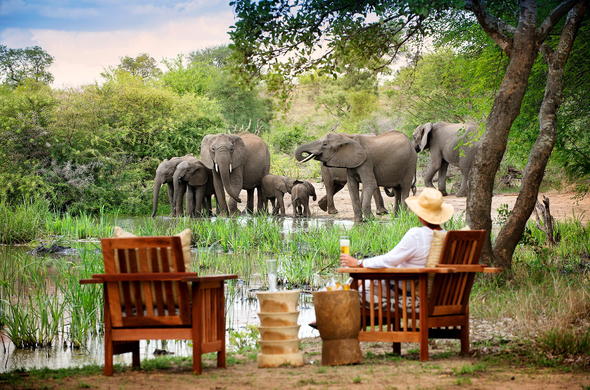 Safari Planning
Step-by-Step Guide to Planning an African Safari
Learn how to plan your first African safari with our step-by-step guide. We cover everything from choosing a destination to booking your trip and packing.
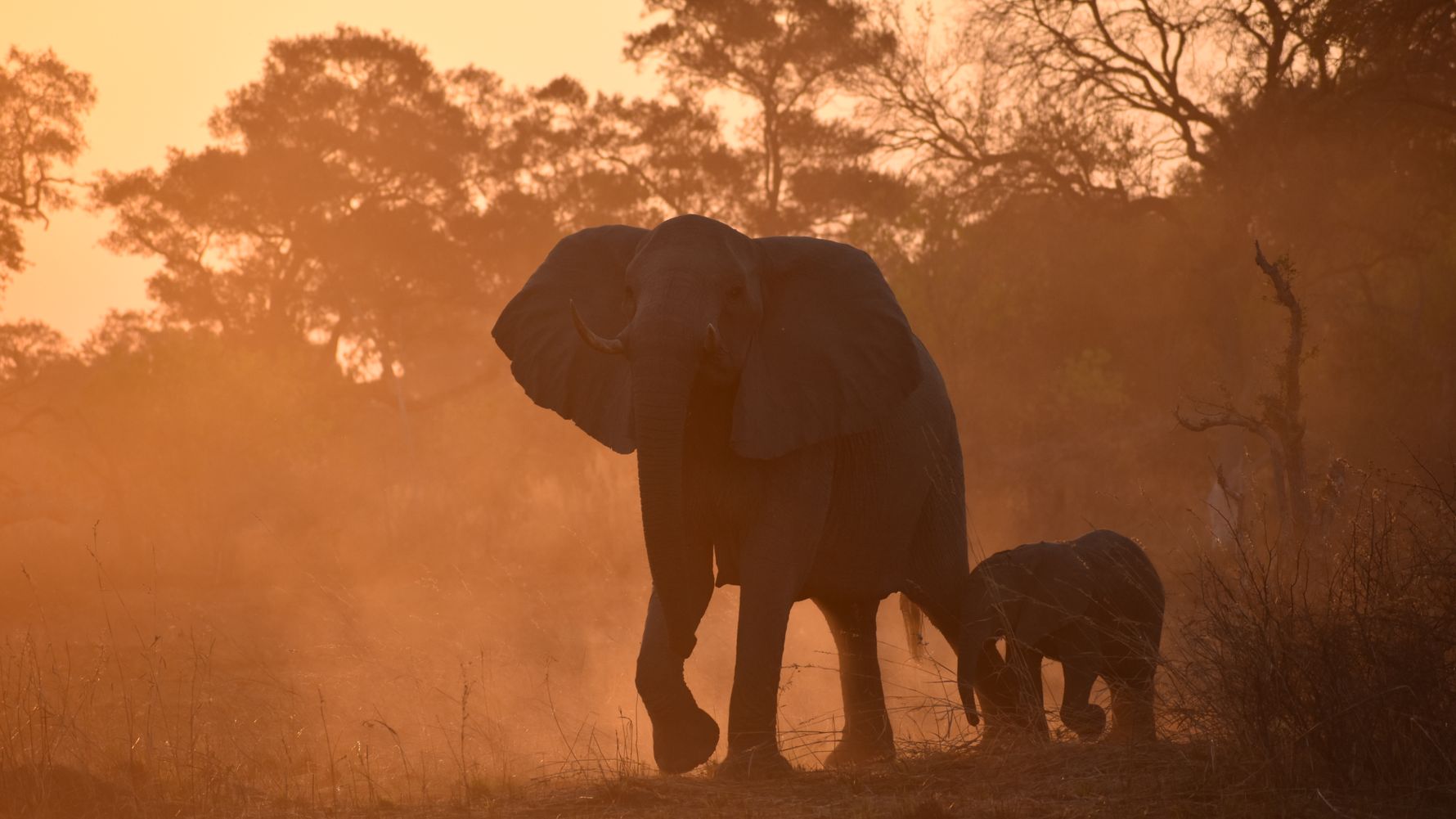 Safari Planning
Self-Drive Safari vs Guided Safari
Deciding between a self-drive safari and a guided safari? This guide breaks down the pros, cons, costs, and key differences to help you choose the right trip.
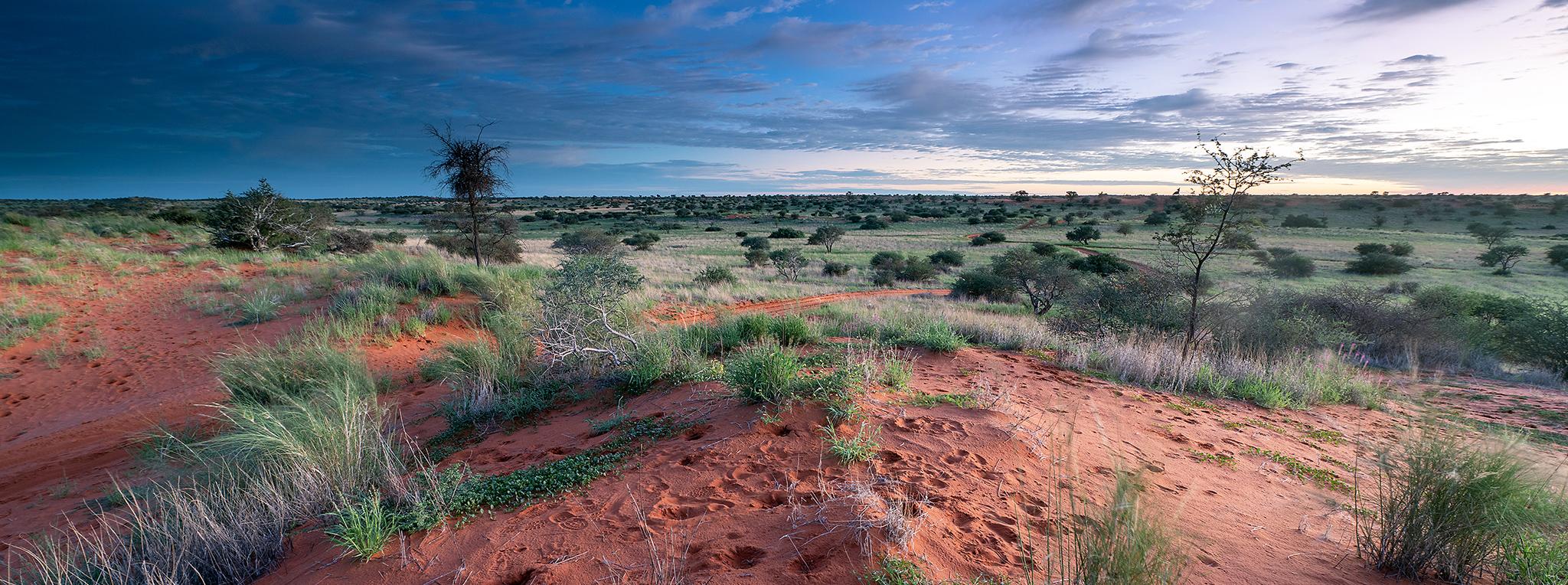 Safari Costs
Luxury Safari Pricing Guide
Discover the real cost of a luxury African safari. Our guide breaks down pricing by country, what\