
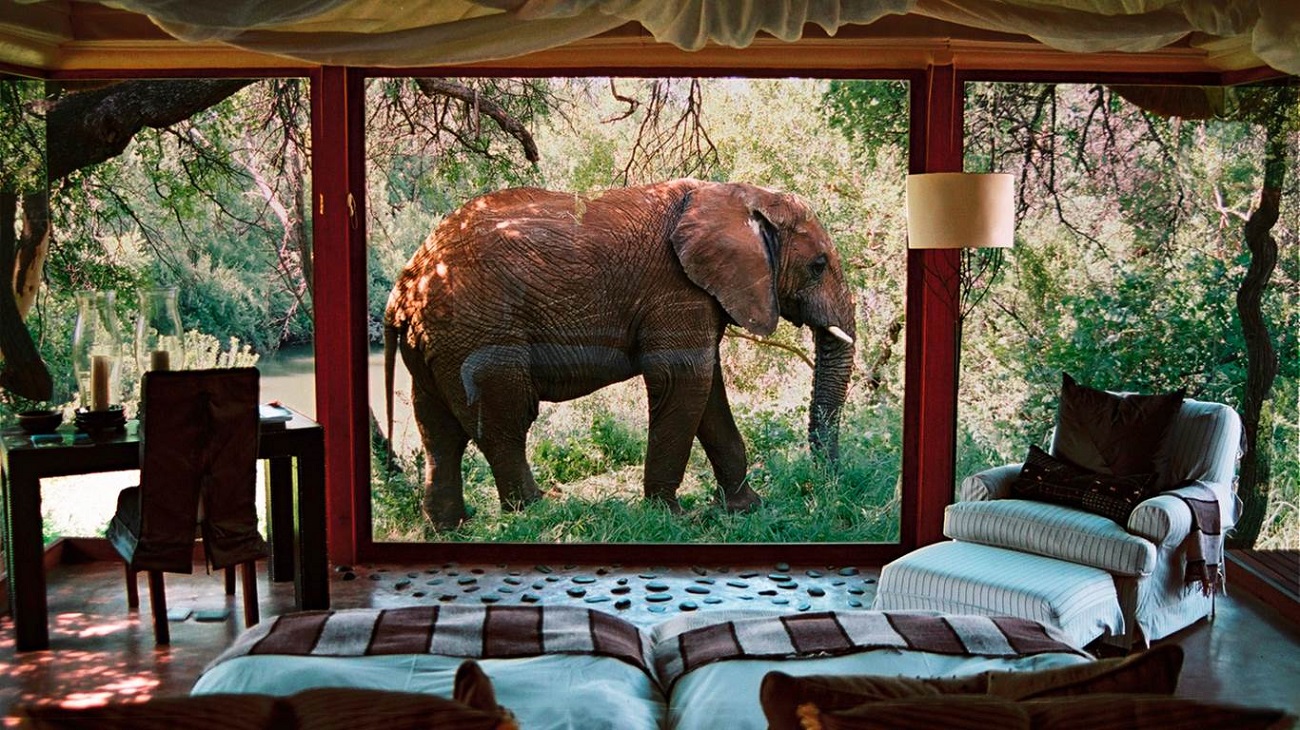
Learn all about Safari Eye Care and Glasses Tips in this comprehensive guide.
Understanding the Climate and Terrain in Africa
When packing for a safari in Africa, it's essential to consider the local climate and terrain. Africa has a diverse landscape, from vast plains to dense forests. Temperatures can fluctuate significantly, with warm days and cool evenings. Lightweight, breathable fabrics are your best friend. For more on planning your trip, see our destination guide for Africa.
Essential Clothing Items
Neutral-colored clothing is highly recommended to blend in with the environment and avoid startling the wildlife. Think khaki, olive, and brown. You'll want to pack a mix of short-sleeved shirts and long-sleeved shirts for sun protection. A lightweight waterproof jacket is also a must, as rain showers can be unpredictable. For personalized packing advice, consider consulting with one of our safari operators.
Still researching? Let us help.
Our advisory team has planned safaris across 9 African countries. We can turn your research into a real plan.
Talk to an AdvisorFootwear for All Activities
Comfortable, broken-in walking shoes are non-negotiable. Whether you're on a walking safari or just exploring your lodge, you'll be on your feet a lot. A pair of sandals or flip-flops is also great for relaxing at the lodge. If you're planning any strenuous hikes, be sure to bring appropriate hiking boots. Our safari cost calculator can help you budget for any specialized gear you may need to purchase.
Sun and Insect Protection
A wide-brimmed hat, sunglasses, and high-SPF sunscreen are crucial for protecting yourself from the African sun. Insect repellent is also a must, especially in the evenings. Look for a repellent containing DEET for the most effective protection against mosquitoes and other biting insects. For more health and safety tips, visit our knowledge base.
Evening and Lodge Attire
Evenings on safari can be a mix of casual and smart-casual. Most lodges have a relaxed dress code, but it's always a good idea to pack a slightly nicer outfit for dinner. A pashmina or wrap is perfect for adding a touch of warmth and style. Before you book, be sure to research safari operators in Africa to understand the specific dress codes at their lodges.
Done Reading? Let's Build Your Safari.
Skip the guesswork. Work with an advisor who has been on the ground across East and Southern Africa.
Plan With UsChoosing the Right Sunglasses for Safari
When preparing for a safari, selecting the right pair of sunglasses is not merely a fashion choice; it is a critical decision for both your comfort and your long-term eye health. The intense African sun, especially in equatorial regions like Kenya and Tanzania, emits strong ultraviolet (UV) radiation that can be damaging to your eyes. Therefore, investing in high-quality sunglasses is as important as choosing the right safari boots or camera.
Key Features to Look For:
- 100% UV Protection: Ensure your sunglasses offer 100% protection against both UVA and UVB rays. This is non-negotiable. Look for labels that explicitly state "UV400" or "100% UV protection."
- Polarized Lenses: While not essential, polarized lenses are highly recommended. They are designed to reduce glare from reflective surfaces such as waterholes in the Serengeti or the floodplains of the Okavango Delta. This reduction in glare not only enhances your comfort but also improves your ability to spot wildlife that might otherwise be obscured by the bright light.
- Lens Color and Material: Neutral-colored lenses, such as gray, green, or brown, are ideal as they minimize color distortion, allowing you to appreciate the natural colors of the landscape and its inhabitants. Polycarbonate lenses are a practical choice due to their impact resistance and lightweight nature, making them durable enough for the rigors of a safari.
- Frame Style and Fit: Choose a frame that offers ample coverage. Wraparound styles are particularly effective as they protect your eyes from sun, dust, and wind from all angles. Ensure the frame fits snugly but comfortably on your face to prevent it from slipping off during bumpy game drives.
> Traveler's Tip: Bring a backup pair of sunglasses. It's not uncommon for a pair to get lost or damaged during an adventurous activity. Having a spare ensures your eyes remain protected throughout your journey.
Contact Lenses vs. Glasses on Safari
The decision to wear contact lenses or glasses on safari is a personal one, with each option having its own set of advantages and disadvantages. The dusty environments and long days characteristic of many safari destinations can present unique challenges for contact lens wearers.
Contact Lenses:
- Pros: Offer an unobstructed, wider field of view, which is a significant advantage for wildlife spotting. They don't fog up in humid conditions and are less cumbersome when using binoculars or a camera.
- Cons: The primary drawback is the potential for dust and other irritants to get trapped under the lens, causing discomfort or even eye infections. Meticulous hand hygiene is required for insertion and removal, which can be challenging in a remote bush environment. Consider daily disposable lenses to minimize the risk of infection.
Glasses:
- Pros: Glasses are easy to clean and provide a physical barrier against dust and insects. They are a reliable and low-maintenance option, requiring no special solutions or cleaning routines. Prescription sunglasses are also an excellent all-in-one solution.
- Cons: They can be cumbersome when trying to use binoculars or a camera, often requiring you to take them off. They can also fog up in humid weather or during early morning game drives when temperatures fluctuate.
For personalized advice based on your specific itinerary, consider consulting with our safari operators.
Protecting Your Eyes from Dust and Sun
Beyond sunglasses, there are several other measures you can take to protect your eyes from the harsh African elements. The combination of intense sun and pervasive dust, especially during the dry season in parks like Amboseli National Park in Kenya, necessitates a multi-faceted approach to eye protection.
- Wear a Wide-Brimmed Hat: A hat with a wide brim provides an extra layer of shade, reducing the amount of direct sunlight that reaches your eyes. This is particularly important during midday when the sun is at its strongest.
- Use a Buff or Bandana: A multi-purpose buff or bandana can be invaluable. You can wear it around your neck and pull it up over your nose and mouth to protect yourself from inhaling dust, and it can also help shield your eyes from wind-blown particles.
- Stay Hydrated: Dehydration can lead to dry, irritated eyes. Be sure to drink plenty of water throughout the day, especially during long game drives.
Binocular and Camera Use with Glasses
For many safari-goers, binoculars and a camera are essential pieces of equipment. For those who wear glasses, using this equipment can sometimes be a frustrating experience. However, with the right techniques and equipment, you can enjoy seamless wildlife viewing.
> Expert Insight: When choosing binoculars, look for a pair with long eye relief (at least 16mm). Eye relief is the distance from the eyepiece lens to the point where the full field of view is visible. Binoculars with long eye relief allow you to see the entire image while wearing your glasses. Most modern binoculars have adjustable eyecups that can be twisted or folded down to accommodate glasses.
When using your camera's viewfinder, you may find it easier to temporarily remove your glasses. Alternatively, many modern cameras offer a diopter adjustment on the viewfinder, which allows you to calibrate it to your prescription, enabling you to use it without your glasses. Explore our knowledge center for more photography tips.
Emergency Eye Care and First-Aid
While serious eye injuries on safari are rare, it's always wise to be prepared for minor issues like dust in the eye, dryness, or irritation. A well-stocked first-aid kit should include a few items specifically for eye care.
Essential Eye Care Items for Your First-Aid Kit:
- Lubricating Eye Drops: Also known as artificial tears, these can provide immediate relief for dry, irritated eyes.
- Saline Solution: Useful for flushing out dust or other foreign particles from your eye.
- Antihistamine Eye Drops: If you suffer from allergies, these can be a lifesaver.
- A Small Mirror: To help you examine your eye or remove a foreign object.
In the event of a more serious eye issue, such as an infection or injury, it is crucial to seek professional medical advice as soon as possible. Your safari guide will be trained to handle emergencies and can arrange for you to see a doctor. Before you plan your safari, it's a good idea to check your travel insurance to ensure it covers medical emergencies. For an estimate of what a comprehensive safari might cost, including insurance, use our cost calculator.
Need Expert Safari Guidance?
Get expert advisory support from a firm founded by a former safari guide — with real operational knowledge across 9 African countries and full-journey accountability.
Related Planning Guides
Recommended Reading
 Packing & Preparation
Safari Sunscreen and Skincare Guide
Learn all about Safari Sunscreen and Skincare Guide in this comprehensive guide.
 Packing & Preparation
Safari Dental Preparation Tips
Learn all about Safari Dental Preparation Tips in this comprehensive guide.
 Packing & Preparation
Safari Hearing Protection Tips
Learn all about Safari Hearing Protection Tips in this comprehensive guide.
 Safari Planning
Safari Itinerary Planning Tips
Learn how to plan the perfect African safari itinerary with our expert tips on choosing destinations, balancing travel time, and finding the best time to go.
 Safari Safety
Safari Safety Tips for First-Time Visitors
Planning your first African safari? Our expert guide provides essential safari safety tips for a worry-free adventure, from wildlife encounters to health advice.
 Safari Safety
Walking Safari Safety Tips
Learn how to stay safe on a walking safari with our expert tips. Discover the importance of your guide, what to wear, and how to act in the African bush.