
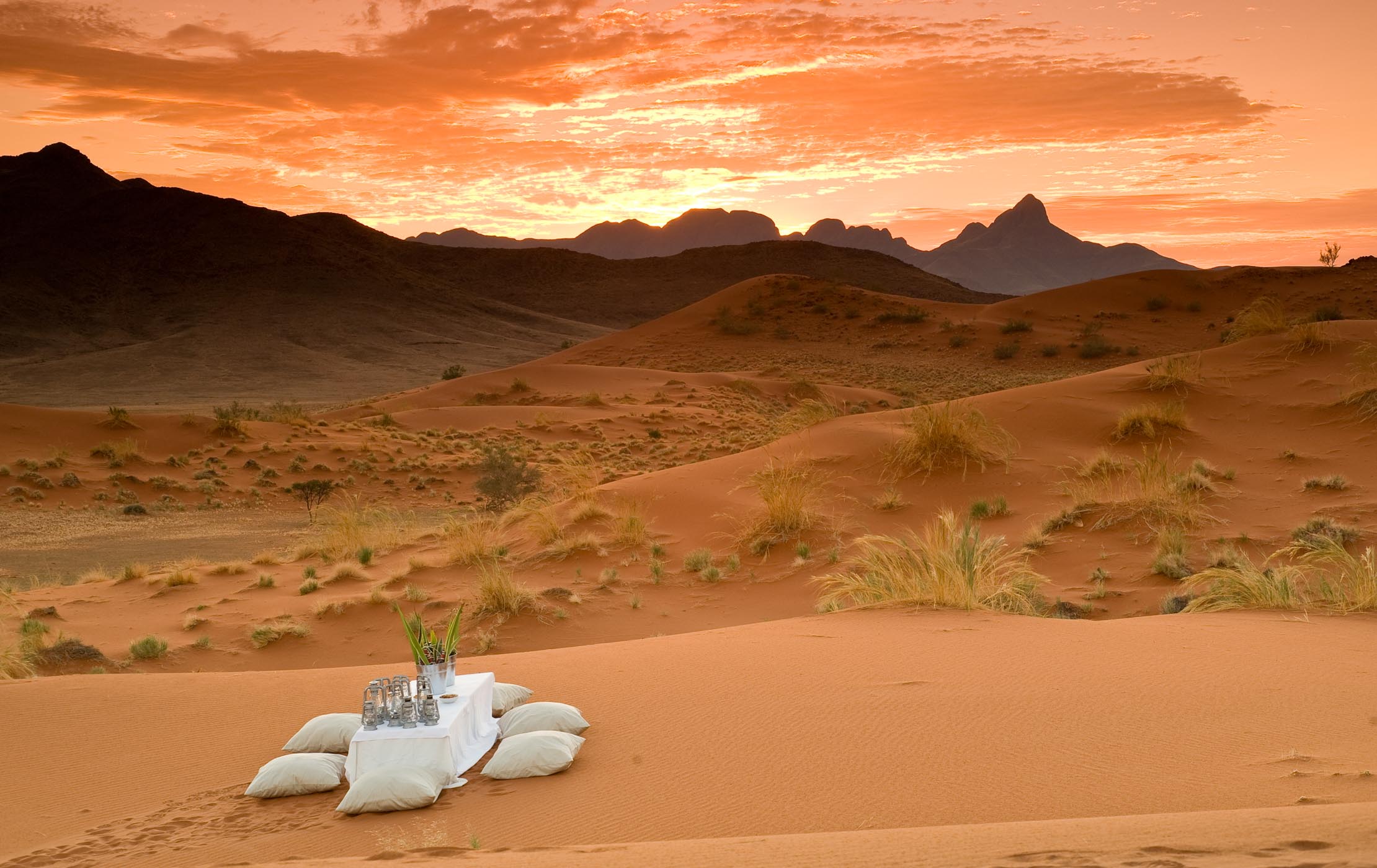
Planning a family safari? Our expert guide covers essential packing tips for clothing, footwear, health, and kids\
'''A family safari in Africa is a trip of a lifetime, creating shared memories that will last forever. But before you can witness the Great Migration in Tanzania's Serengeti or track gorillas in the misty mountains of Uganda, you need to pack. Packing for a family, especially for a destination as unique as a safari, can feel daunting. With strict luggage limits on small bush planes and a wide range of activities, every item in your bag counts. This guide provides practical, field-tested packing tips to ensure your family is comfortable, safe, and prepared for every adventure, from dusty game drives in Kenya's Maasai Mara to relaxing evenings at a lodge in Botswana's Okavango Delta. Smart packing is the first step toward a seamless and unforgettable family safari experience. ## Essential Clothing for the Whole Family ### Lightweight Layers for Changing Temperatures African climates can be surprisingly varied. Early morning game drives are often chilly, while midday can be quite hot. The key to comfort is layering. Pack lightweight, breathable fabrics that can be easily added or removed. Think long-sleeved shirts, t-shirts, and a fleece or warm jacket for everyone in the family. For children, this is especially important to keep them comfortable and happy throughout the day. Convertible pants that zip off into shorts are a great space-saving option for both kids and adults. ### Neutral Colors and What to Avoid When it comes to safari clothing, color matters. Opt for neutral, earthy tones like khaki, olive, brown, and beige. These colors help you blend in with the landscape, which is crucial for not disturbing wildlife and getting the best viewing opportunities. Bright colors, on the other hand, can scare animals away. It is also wise to avoid dark blue and black clothing, as these colors are known to attract tsetse flies in certain regions. White clothing is also impractical as it will get dirty very quickly on dusty safari trails. ### Sun Protection: Hats, Sunglasses, and Sunscreen The African sun is strong, and you will be spending a lot of time outdoors. Sun protection is non-negotiable for the entire family. A wide-brimmed hat is essential for protecting the face, neck, and ears. Make sure everyone, including the little ones, has a hat that fits well and won't easily blow off in an open safari vehicle. High-quality sunglasses with UV protection are also a must. Finally, pack a high-SPF, broad-spectrum sunscreen and apply it generously throughout the day. ## Footwear for Every Adventure ### Comfortable Walking Shoes for Game Drives and Bush Walks You will be doing a fair amount of walking, whether it's a guided bush walk or simply getting around the lodge. Comfortable, closed-toe walking shoes are essential. For most safaris, heavy hiking boots are not necessary unless your itinerary includes serious trekking, like a gorilla trek in Rwanda or Uganda. A good pair of trail running shoes or lightweight hiking shoes will suffice for most activities. Make sure everyone's shoes are well broken-in before you travel to avoid blisters. ### Sandals or Flip-Flops for Lodge Downtime After a long day of adventure, it's nice to give your feet a break. Pack a pair of sandals or flip-flops for relaxing at the lodge, by the pool, or in your tent. This is a small comfort that can make a big difference in the evenings. ## Health and Safety Essentials ### Personal First-Aid Kit While safari lodges and guides will have first-aid supplies, it's always a good idea to bring your own small kit with essentials for your family. This should include adhesive bandages, antiseptic wipes, pain relievers (for both adults and children), antihistamines for allergic reactions, and any personal medications. Having these items readily available can save you a lot of hassle. ### Insect Repellent and Bite Cream Mosquitoes and other insects are a reality in many safari destinations. A good quality insect repellent containing DEET is highly recommended, especially for use in the evenings and early mornings. For children, consult your pediatrician about the appropriate type of repellent. It's also a good idea to pack an anti-itch cream for any bites that do occur. ### Prescription Medications and Copies of Prescriptions If anyone in your family takes prescription medication, be sure to pack enough for the entire trip, plus a little extra in case of delays. Keep all medications in their original containers and carry them in your hand luggage. It is also a wise precaution to bring a copy of the prescriptions with you. ## Packing for the Kids ### Entertainment for Downtime and Travel While a safari is incredibly exciting, there will be downtime at the lodge between game drives and during travel days. Pack a few travel-friendly games, books, or a tablet with downloaded movies or shows to keep children entertained. A deck of cards can be a great way to spend an evening together as a family. ### Binoculars and a Wildlife Journal To help your children engage more deeply with the safari experience, consider packing a pair of child-friendly binoculars for them. This will help them get a closer look at the animals and feel like a real explorer. A wildlife journal and some colored pencils are also a great way for them to document their sightings and create a personal souvenir of their trip. ### Favorite Snacks and Comfort Items While safari lodges offer excellent food, having a few of your children's favorite snacks on hand can be a lifesaver during long drives or when they are feeling a bit homesick. A familiar comfort item, like a favorite stuffed animal or blanket, can also help younger children feel more secure in a new environment. ## Gadgets and Gear ### Cameras, Binoculars, and Charging Equipment A safari is a photographer's dream, so don't forget your camera. A DSLR with a good zoom lens will give you the best results, but even a good quality point-and-shoot or smartphone can capture amazing images. Binoculars are essential for everyone, not just the kids. They will allow you to see distant animals in detail and get a much richer wildlife viewing experience. Remember to pack extra batteries and memory cards, as well as all your charging equipment. ### Adapters and Power Banks Electrical outlets in Africa vary by country, so you will need a universal travel adapter. Most safari lodges have electricity, but it may only be available at certain times of the day. A portable power bank is a great investment to ensure your devices stay charged, especially if you are using your phone as a camera. ## Luggage and Weight Restrictions ### Soft-Sided Duffel Bags Many safari itineraries involve flights on small bush planes, which have strict luggage restrictions. Hard-sided suitcases are often not permitted because they are difficult to fit into the small luggage compartments of these aircraft. Soft-sided duffel bags are the required standard. They are more flexible and easier for the pilots to load. ### Understanding Weight Limits on Small Aircraft The weight limits on these small planes are typically between 15 and 20 kg (33 to 44 lbs) per person, and this includes both your checked bag and your hand luggage. This is not a lot of weight, which is why it is so important to pack smart and choose lightweight items. Be sure to check the specific weight restrictions for your safari itinerary and weigh your bags before you leave home to avoid any last-minute surprises at the airstrip. A well-packed bag is the foundation of a successful family safari. By focusing on these essential items and packing strategically, you can ensure your family is prepared for an incredible adventure. With the right gear, you can focus on what really matters: creating unforgettable memories together in the heart of the African wilderness. '''
Need Expert Safari Guidance?
Get expert advisory support from a firm founded by a former safari guide — with real operational knowledge across 9 African countries and full-journey accountability.
Related Planning Guides
Explore Related Topics
Recommended Reading
 Packing & Preparation
Ultimate Safari Packing List for Family Safaris
This is a dummy meta description for Ultimate Safari Packing List for Family Safaris.
 Safari Planning Guides
Safari Planning Guide for Family Travelers
Discover how to plan your dream safari with our expert guide on Safari Planning Guide for Family Travelers. Get tips on destinations, costs, and more.
 Safari Planning
Safari Itinerary Planning Tips
Learn how to plan the perfect African safari itinerary with our expert tips on choosing destinations, balancing travel time, and finding the best time to go.
 Safari Planning
Packing for a Safari Adventure
Packing for a safari? Our guide covers everything from the best luggage and clothing to essential gear and health precautions for your African adventure.
 Safari Travel Tips
Safari Packing Guide
Master your safari packing with our expert checklist. Learn what to wear, essential gear to bring, and what to leave behind for your African adventure.
 Family Safaris
Family-Friendly Safari Lodges
Planning a family safari? Our guide to family-friendly safari lodges helps you choose the best accommodation, with tips on safety, activities, and dining.