
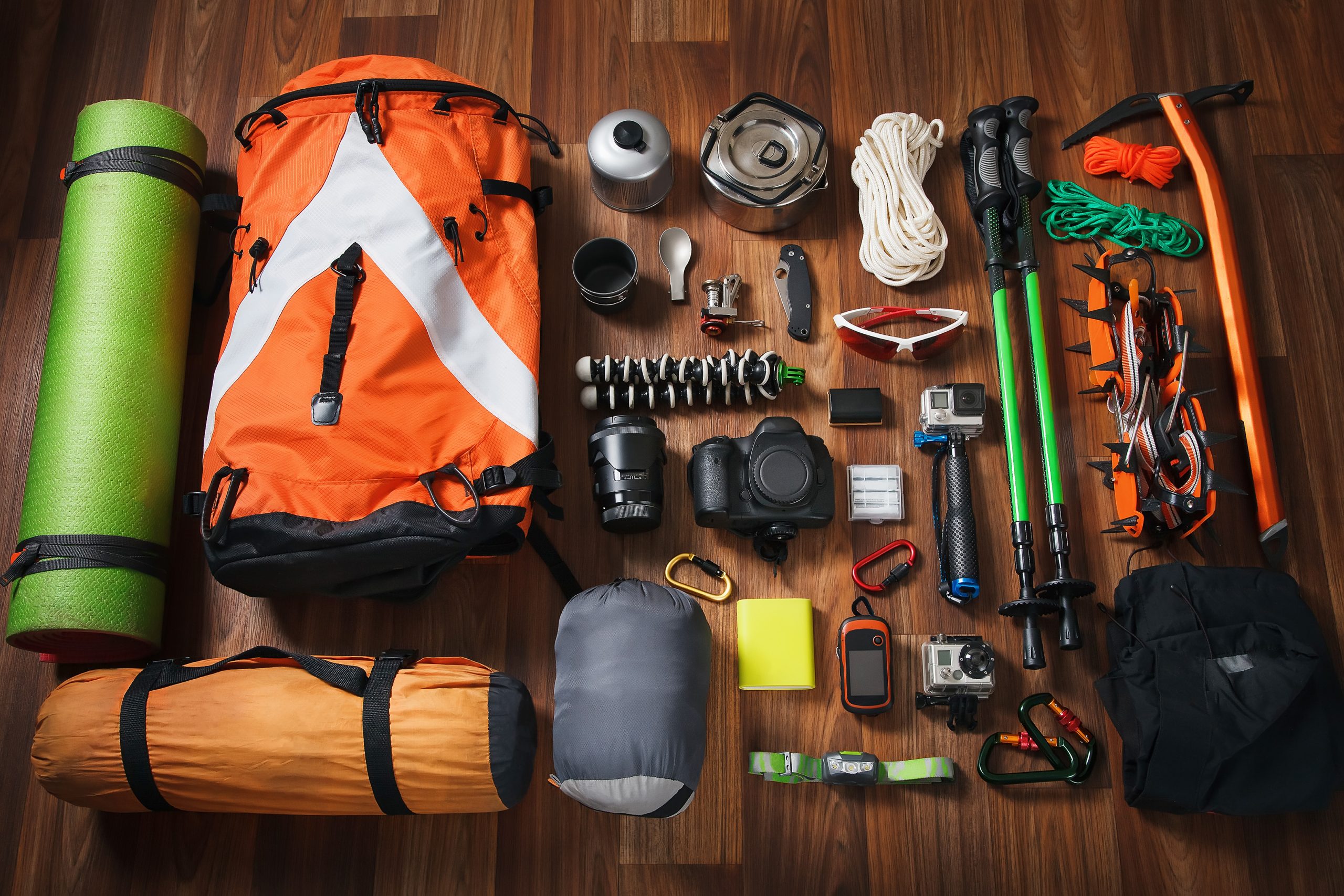
Learn all about Safari Altitude Preparation for Mountain Destinations in this comprehensive guide.
Understanding the Climate and Terrain in Africa
When packing for a safari in Africa, it's essential to consider the local climate and terrain. Africa has a diverse landscape, from vast plains to dense forests. Temperatures can fluctuate significantly, with warm days and cool evenings. Lightweight, breathable fabrics are your best friend. For more on planning your trip, see our destination guide for Africa.
Essential Clothing Items
Neutral-colored clothing is highly recommended to blend in with the environment and avoid startling the wildlife. Think khaki, olive, and brown. You'll want to pack a mix of short-sleeved shirts and long-sleeved shirts for sun protection. A lightweight waterproof jacket is also a must, as rain showers can be unpredictable. For personalized packing advice, consider consulting with one of our safari operators.
Still researching? Let us help.
Our advisory team has planned safaris across 9 African countries. We can turn your research into a real plan.
Talk to an AdvisorFootwear for All Activities
Comfortable, broken-in walking shoes are non-negotiable. Whether you're on a walking safari or just exploring your lodge, you'll be on your feet a lot. A pair of sandals or flip-flops is also great for relaxing at the lodge. If you're planning any strenuous hikes, be sure to bring appropriate hiking boots. Our safari cost calculator can help you budget for any specialized gear you may need to purchase.
Sun and Insect Protection
A wide-brimmed hat, sunglasses, and high-SPF sunscreen are crucial for protecting yourself from the African sun. Insect repellent is also a must, especially in the evenings. Look for a repellent containing DEET for the most effective protection against mosquitoes and other biting insects. For more health and safety tips, visit our knowledge base.
Evening and Lodge Attire
Evenings on safari can be a mix of casual and smart-casual. Most lodges have a relaxed dress code, but it's always a good idea to pack a slightly nicer outfit for dinner. A pashmina or wrap is perfect for adding a touch of warmth and style. Before you book, be sure to research safari operators in Africa to understand the specific dress codes at their lodges.
Done Reading? Let's Build Your Safari.
Skip the guesswork. Work with an advisor who has been on the ground across East and Southern Africa.
Plan With UsUnderstanding Altitude Sickness: What Travelers Need to Know
Altitude sickness, also known as Acute Mountain Sickness (AMS), is a condition that can affect travelers who ascend to high altitudes too quickly. It occurs because the body doesn't have enough time to adjust to the lower oxygen levels in the air. Symptoms can range from mild to life-threatening and typically appear within 6 to 24 hours of reaching a high-altitude location.
Mild Symptoms:
- Headache
- Dizziness
- Nausea or vomiting
- Fatigue and weakness
- Shortness of breath
- Difficulty sleeping
Moderate to Severe Symptoms:
- A severe, persistent headache that doesn't respond to pain relievers
- Worsening shortness of breath, even at rest
- A persistent cough, which may produce a pink, frothy substance
- Confusion, disorientation, or difficulty with coordination (ataxia)
- A feeling of tightness in the chest
It is crucial to recognize these symptoms early. If you or someone in your group begins to show signs of moderate to severe AMS, the only effective treatment is to descend to a lower altitude immediately. For more in-depth health and safety information, our knowledge center is an excellent resource.
Key High-Altitude Safari Destinations in Africa
While many classic safari destinations are at moderate elevations, several iconic African landscapes will take you to altitudes where preparation is essential.
| Destination | Country | Typical Altitude Range | Key Attraction | |-----------------------------|---------------|-------------------------------|---------------------------------| | Mount Kilimanjaro | Tanzania | 1,970m to 5,895m (6,460ft to 19,341ft) | Summiting Africa's highest peak | | Mount Kenya | Kenya | 2,500m to 5,199m (8,200ft to 17,057ft) | Climbing and high-altitude trekking | | Simien Mountains | Ethiopia | 3,000m to 4,550m (9,840ft to 14,930ft) | Unique wildlife and landscapes | | Drakensberg Mountains | South Africa | 2,000m to 3,482m (6,560ft to 11,424ft) | Hiking and ancient rock art |
> Expert Insight: When planning a trip that includes these destinations, especially a climb like Kilimanjaro, it's not just about the summit day. You will be spending multiple days at altitudes where AMS is a real risk. Your itinerary must be designed with acclimatization as a top priority. Our safari operators are trained to build itineraries that balance adventure with safety.
Practical Acclimatization Strategies for Travelers
Proper acclimatization is the most effective way to prevent altitude sickness. The golden rule is to ascend slowly and give your body time to adapt.
1. Gradual Ascent: Don't plan an itinerary that involves flying directly from a low-altitude location to a high-altitude one and beginning strenuous activity immediately. If possible, spend at least one or two nights at an intermediate altitude (around 2,500m or 8,200ft) before ascending further.
2. The "Climb High, Sleep Low" Principle: This is a core strategy used by mountaineers. During the day, you can trek to a higher altitude, but you should return to a lower elevation to sleep. This stimulates acclimatization while allowing your body to recover in a more oxygen-rich environment.
3. Stay Hydrated and Eat Well: Dehydration can mimic and worsen the symptoms of AMS. Aim to drink at least 3-4 liters of water per day. High-carbohydrate diets can also help your body cope with the lower oxygen levels. Avoid heavy, fatty meals that are harder to digest.
4. Avoid Alcohol and Tobacco: Alcohol, tobacco, and sleeping pills can depress your respiratory system, which makes it harder for your body to acclimatize. It's best to avoid them entirely for the first few days at altitude and during any high-altitude trek.
Medical Consultation and Prophylactic Medication
Before embarking on any high-altitude journey, a consultation with your doctor is essential. They can assess your personal health risks and discuss preventive medications.
The most common medication prescribed for altitude sickness is Acetazolamide (Diamox). It works by acidifying the blood, which stimulates breathing and helps your body acclimatize more quickly. It is typically taken a day or two before you begin your ascent and continued for the first few days at altitude. However, it has side effects, including tingling in the hands and feet and increased urination, so it's not suitable for everyone.
> Traveler's Tip: Never take any medication for altitude sickness without first consulting a healthcare professional. They can provide personalized advice based on your medical history and travel plans. When you are ready to plan your safari, be sure to factor in a pre-trip medical check-up.
What to Do if You Experience Symptoms
If you start to feel unwell at altitude, don't ignore it. The most important steps are to:
- Stop Ascending: Do not go any higher until your symptoms have completely resolved.
- Communicate: Immediately inform your guide about your symptoms, no matter how mild they seem. They are trained to recognize the signs of AMS and will know what to do.
- Descend if Necessary: If your symptoms are moderate or worsen, the only cure is to descend to a lower altitude. A descent of just 300-500 meters (1,000-1,600 feet) can make a significant difference.
Your safety is the top priority. A reputable safari operator will always prioritize a traveler's well-being over reaching a summit or sticking to a rigid schedule. You can use our cost calculator to get an idea of how different itinerary lengths, including extra acclimatization days, might affect your budget.
Need Expert Safari Guidance?
Get expert advisory support from a firm founded by a former safari guide — with real operational knowledge across 9 African countries and full-journey accountability.
Related Planning Guides
Recommended Reading
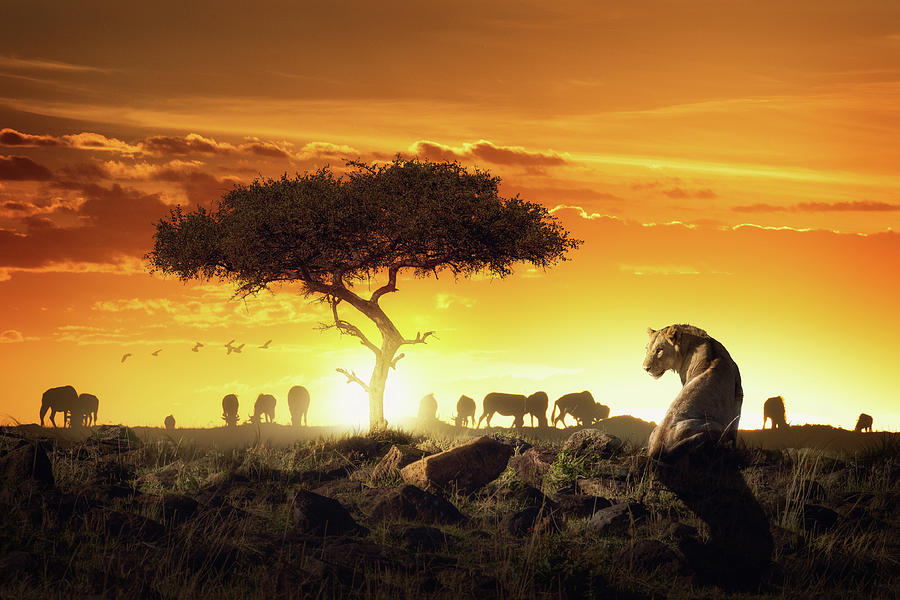 Travel Logistics
Safari Altitude Sickness at Mountain Destinations
Learn about safari altitude sickness at mountain destinations in this comprehensive safari guide.
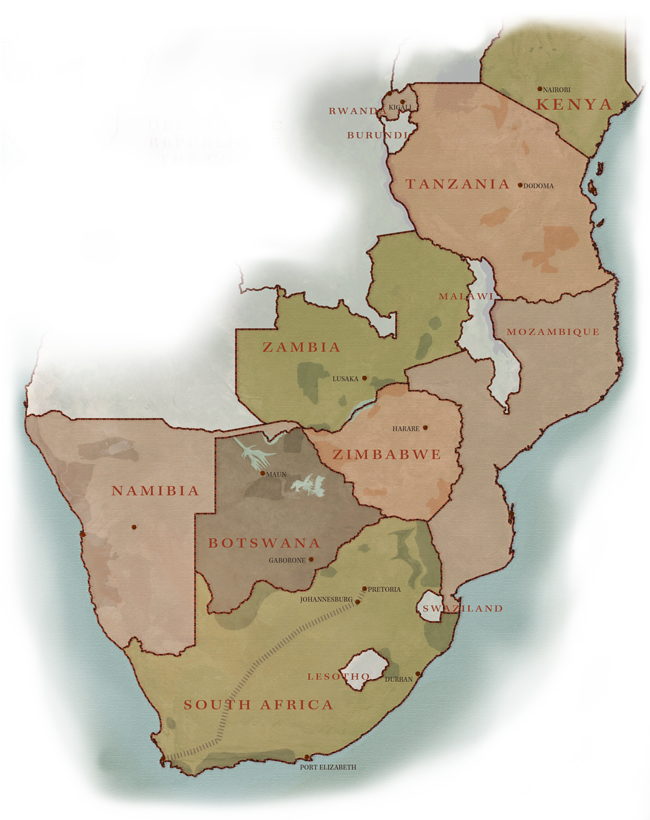 Packing & Preparation
Mountain Safari Fitness Preparation
Learn all about Mountain Safari Fitness Preparation in this comprehensive guide.
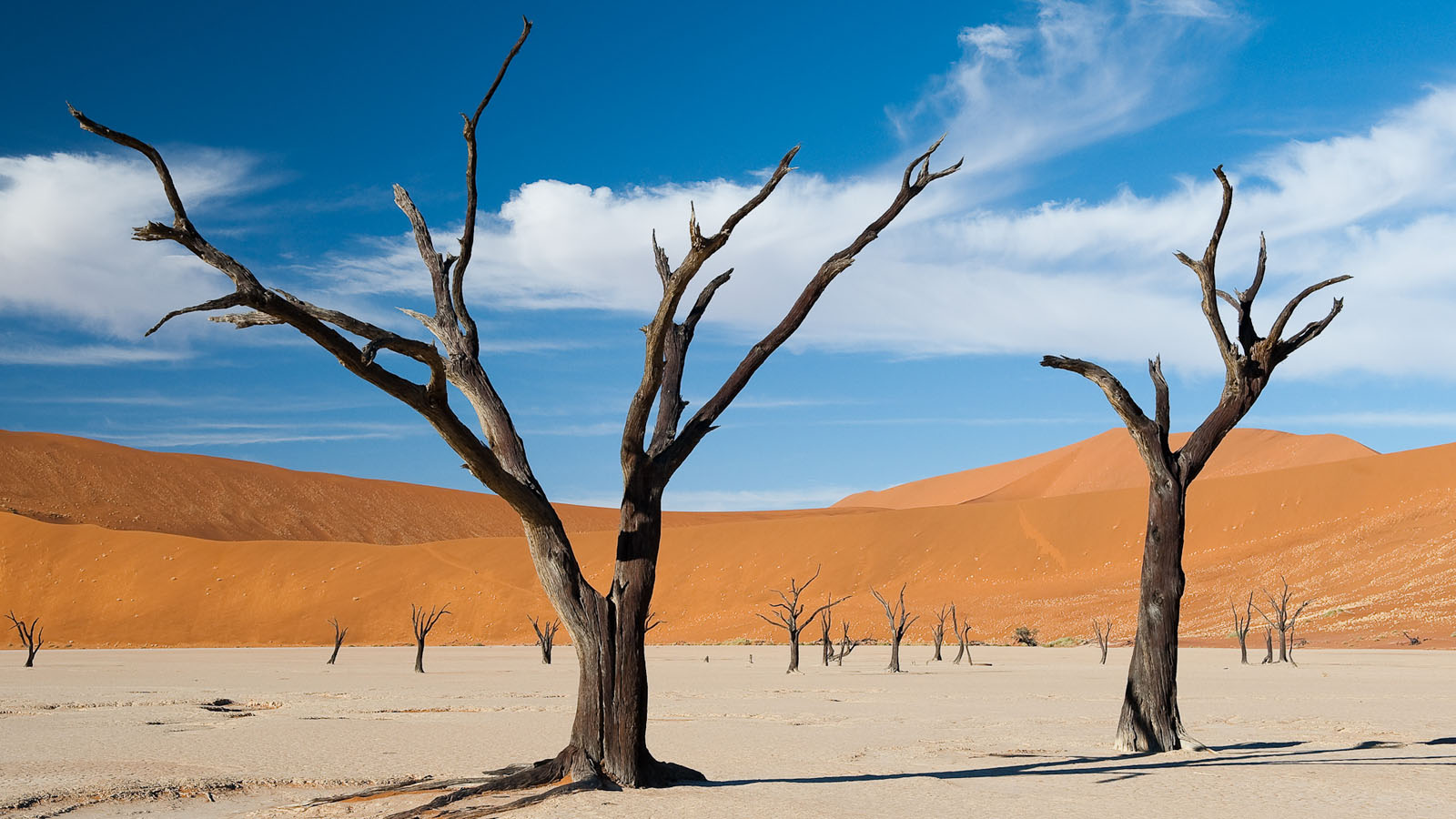 Destination Guides
Best Safari Destinations for Mountain Wildlife
Your complete guide to Best Safari Destinations for Mountain Wildlife. Find the best destinations, planning tips, and more for your next safari adventure.
 Packing & Preparation
Safari Fitness Preparation Guide
Learn all about Safari Fitness Preparation Guide in this comprehensive guide.
 Packing & Preparation
Walking Safari Fitness Preparation
Learn all about Walking Safari Fitness Preparation in this comprehensive guide.
 Safari Comparison Articles
Mountain Safari vs Plains Safari
An in-depth comparison of Mountain Safari vs Plains Safari to help you choose the perfect safari experience. Explore the pros, cons, and key differences to make