
Running out of fuel on safari is not an option. Our guide to fuel availability by country will help you plan your refueling stops and avoid getting stranded.
Fueling Your African Adventure
Fuel availability is a critical consideration for any self-drive safari. While fuel stations are plentiful in major towns and cities, they can be few and far between in remote areas and national parks. Running out of fuel in the middle of the African bush is a situation you want to avoid at all costs. Our safari operators can help you plan your route and identify refueling points along the way.
Fuel Availability in Popular Safari Destinations
In countries like South Africa and Namibia, the fuel station network is extensive, and you are unlikely to have any issues finding fuel. However, in other countries, such as Botswana and Zambia, fuel stations can be more spread out, and it's essential to plan your journey carefully. It is always a good idea to fill up your tank whenever you have the opportunity, even if you think you have enough to reach your next destination. For detailed information on fuel availability in specific destinations, visit our destination guides.
Still researching? Let us help.
Our advisory team has planned safaris across 9 African countries. We can turn your research into a real plan.
Talk to an AdvisorTips for Managing Fuel on Safari
When planning a self-drive safari, it's a good idea to carry a jerry can with extra fuel, especially if you are venturing into very remote areas. It is also important to be aware of the fuel consumption of your vehicle and to factor this into your planning. For a comprehensive guide to planning a self-drive safari, including tips on fuel management, visit our knowledge center. To help you budget for your trip, including the cost of fuel, use our cost calculator.
Case Study: Fuel Planning for a Namibian Self-Drive
Namibia is a prime destination for self-drive safaris, but its vast distances demand careful fuel management. Let's consider a classic route: Windhoek to Etosha National Park, then to the Skeleton Coast via Damaraland, and south to Sossusvlei before returning to Windhoek. A reliable 4x4, like a Toyota Hilux with a long-range tank (around 140 liters), is recommended.
Your first leg from Windhoek to Okaukuejo in Etosha (approx. 430 km) is straightforward, with fuel available in towns like Otjiwarongo. Inside Etosha, major camps like Okaukuejo, Halali, and Namutoni have fuel, but it's wise to top up at each opportunity. The real challenge begins when heading west into remote Damaraland. A drive from Etosha to Palmwag (approx. 250 km) will consume significant fuel. From there, reaching the Skeleton Coast and then heading south to Swakopmund involves vast, isolated stretches. It is critical to refuel in Palmwag or Khorixas, as there are virtually no options until you reach the coast. Similarly, the journey from Swakopmund to Sesriem (the gateway to Sossusvlei) is about 350 km through the Namib-Naukluft National Park, with the only fuel stop being the small outpost of Solitaire. Running out of fuel here could mean a long, costly wait for assistance.
Fuel Logistics in Remote Parks: Botswana and Tanzania
In countries like Botswana, the concept of 'remote' takes on a new meaning. When traversing from Maun to Kasane through the Savuti region of Chobe National Park, there are no fuel stations for over 400 kilometers of deep sand tracks, which can increase fuel consumption by 30-50%. For this leg, carrying at least two 20-liter jerry cans is not just recommended; it's a necessity. Always ensure your rental vehicle is equipped with a long-range fuel tank.
In Northern Tanzania, while the popular safari circuit (Tarangire, Ngorongoro, Serengeti) is well-trodden, fuel planning is still key. The last reliable town for fuel before entering the Ngorongoro Conservation Area and Serengeti is Karatu. While some remote lodges and campsites may offer fuel in an emergency, they charge a significant premium, and availability is not guaranteed. A full tank from Karatu is essential before heading into the Serengeti for several days of game drives, as covering the vast plains in search of wildlife can quickly deplete your reserves.
Done Reading? Let's Build Your Safari.
Skip the guesswork. Work with an advisor who has been on the ground across East and Southern Africa.
Plan With UsNavigating Fuel Logistics in Kenya Amidst Supply Chain Disruptions
Kenya has long been a reliable destination for self-drive safaris, with a well-established fuel station network along its primary tourist circuits. However, recent geopolitical events in the Middle East have introduced a new layer of complexity. As of early 2026, Kenya is experiencing intermittent fuel shortages, with some fuel retailers, particularly independent stations, running low on supplies. This situation is dynamic, but it underscores the need for heightened vigilance in fuel planning.
When traveling through popular routes, such as Nairobi to the Maasai Mara or Amboseli, it is now more critical than ever to refuel at every opportunity, prioritizing major brands like Shell, Total, and Rubis in larger towns (Narok, Amboseli). Do not assume that smaller stations on the route will have consistent stock. For those venturing into more remote northern regions like Samburu or Turkana, a long-range fuel tank and carrying at least 40 liters of spare fuel in jerry cans is no longer a recommendation but a near necessity. Always check with your rental company for the latest on-the-ground reports and consider hiring a driver-guide from our operator directory who will have local knowledge of reliable refueling points.
Fueling Your Ugandan Self-Drive Adventure
Uganda presents a mixed landscape for fuel availability. While major towns like Kampala, Entebbe, and Jinja have an abundance of modern fuel stations (Shell and Total are again the most reliable), the situation becomes more challenging as you venture into the national parks. The journey to the remote and spectacular Kidepo Valley National Park, for instance, requires careful planning. The last major town to reliably refuel is Gulu or Kitgum. From there, it is a long and dusty drive, and you must be self-sufficient. A standard 4x4 vehicle's tank will likely not be enough for the return trip plus extensive game drives within the park. Carrying a minimum of two 20-liter jerry cans is essential.
For the popular southwestern circuit, including Bwindi Impenetrable Forest and Queen Elizabeth National Park, fuel is more regularly available in towns like Mbarara and Kabale. However, the mountainous terrain and winding roads can increase fuel consumption, so it's wise to keep your tank topped up. When gorilla trekking in Bwindi, you may be driving to different trailheads, so having ample fuel provides peace of mind. Our safari operators can help you craft an itinerary that builds in logical and safe refueling stops.
Fuel Strategy for Zimbabwe's Wild Frontiers
Zimbabwe offers some of Africa's most authentic and wild safari experiences, but its economic climate necessitates a different approach to fuel logistics. Fuel availability can be unpredictable, and supply is not always guaranteed, even in larger towns. The most critical rule for a Zimbabwe self-drive is to carry sufficient US dollars in cash to pay for fuel. While some larger stations in Harare and Victoria Falls may accept credit cards, this is not the norm, and you should never rely on it.
For expeditions into Hwange National Park or the UNESCO World Heritage Site of Mana Pools, you are entirely on your own. There are no fuel stations within these vast wilderness areas. You must be completely self-sufficient. This means a long-range fuel tank is mandatory, and you should carry enough spare fuel for your entire stay, plus a reserve for emergencies. When planning a trip from Victoria Falls to Hwange, for example, you must fill up in Victoria Falls and calculate your consumption for the entire duration of your park visit. Given the sandy tracks in Hwange, which increase consumption, overestimating your needs is the only safe strategy.
Safari Fuel Logistics: A Country Comparison
| Country | Fuel Availability | Recommended Vehicle | Jerry Cans | Payment Methods | Key Consideration | | :--- | :--- | :--- | :--- | :--- | :--- | | Kenya | Good, but recent shortages | 4x4 with good range | 1-2 (40L) for remote areas | Cash (KES) & Cards | Refuel at every major town; current supply is volatile. | | Uganda | Good in south, sparse in north | 4x4 (e.g., Land Cruiser) | 2 (40L) for Kidepo | Cash (UGX) & Cards | Plan meticulously for northern routes like Kidepo. | | Zimbabwe | Unpredictable | 4x4 with long-range tank | Mandatory (40-60L+) | USD Cash Only | Be entirely self-sufficient for parks like Hwange/Mana Pools. | | Tanzania | Good on northern circuit | 4x4 with good range | 1 (20L) recommended | Cash (TZS) & Cards | Karatu is the last major fuel stop before Serengeti/Ngorongoro. | | Botswana | Very remote in parks | 4x4 with long-range tank | Mandatory (40-60L+) | Cash (BWP) & Cards | Deep sand tracks significantly increase fuel consumption. | | Namibia | Generally excellent | 4x4 with long-range tank | 1 (20L) for peace of mind | Cash (NAD) & Cards | Vast distances between stations in areas like Damaraland. | | South Africa | Excellent | Standard 2WD/4x4 | Not usually required | Cash (ZAR) & Cards | Most extensive and reliable fuel network. |
Need Expert Safari Guidance?
Get expert advisory support from a firm founded by a former safari guide — with real operational knowledge across 9 African countries and full-journey accountability.
Related Planning Guides
Recommended Reading
 Travel Logistics
Safari Passport Requirements by Country
Learn about safari passport requirements by country and how it can impact your safari experience. Get expert advice and start planning your dream safari today.
 Travel Logistics
Safari Credit Card Acceptance by Country
Planning to use your credit card on safari? Our guide breaks down credit card acceptance rates by country, helping you prepare for a seamless financial experience.
 Travel Logistics
Safari Driving Rules by Country
Planning a self-drive safari? Our guide to driving rules by country will help you navigate the roads of Africa safely and legally.
 Packing & Preparation
Safari Adapter and Plug Guide by Country
Learn all about Safari Adapter and Plug Guide by Country in this comprehensive guide.
 Safari Cost Guides
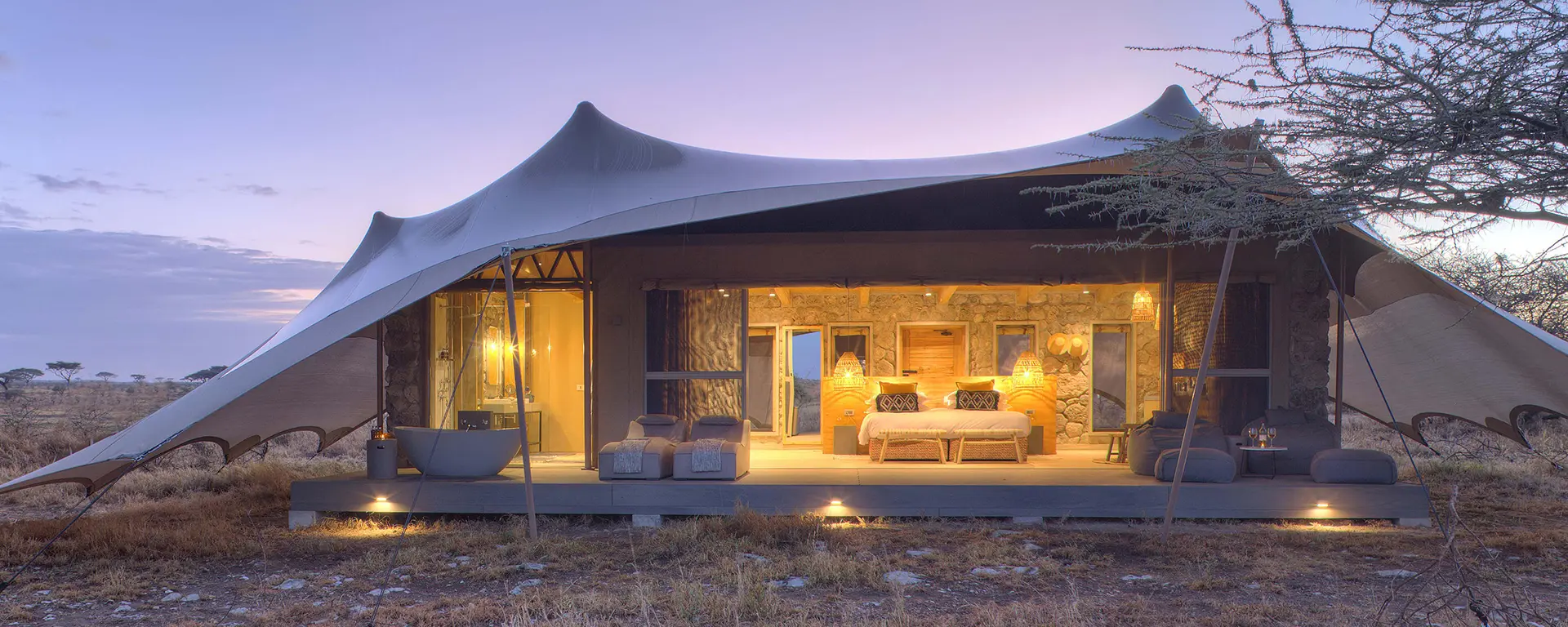
Safari Lodge Costs by Country Comparison
Planning a safari? Learn about safari lodge costs by country comparison. Get expert advice and insights from Safari Intelligence to plan your perfect trip.
 Safari Cost Guides
Safari Camp Costs by Country Comparison
Planning a safari? Learn about safari camp costs by country comparison. Get expert advice and insights from Safari Intelligence to plan your perfect trip.