
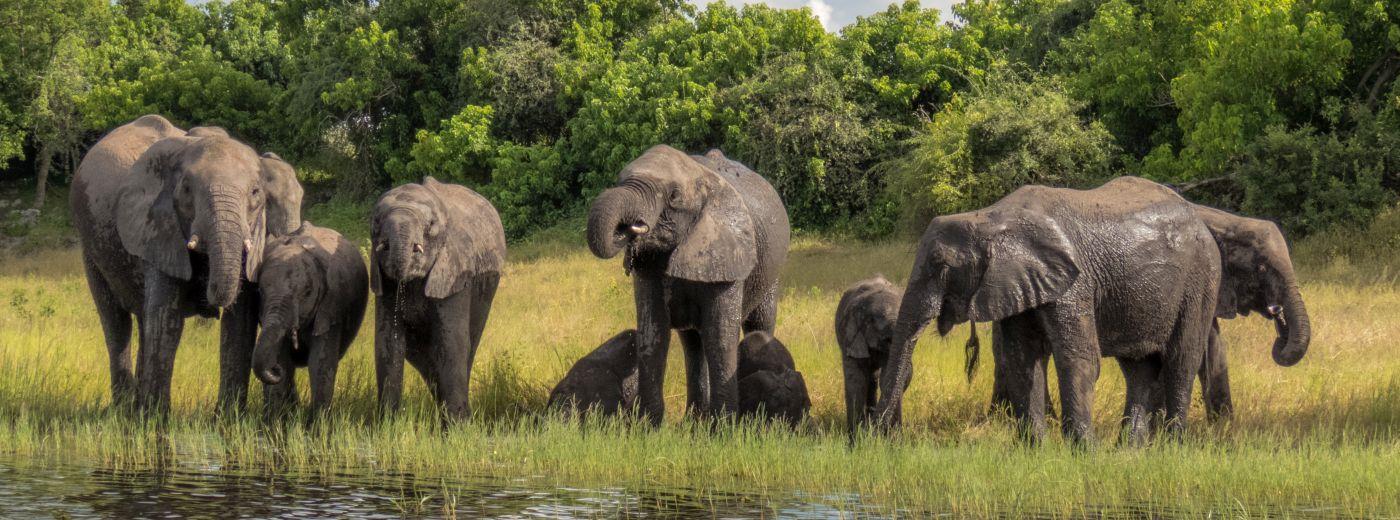
Planning a self-drive safari? Our guide to driving rules by country will help you navigate the roads of Africa safely and legally.
Understanding Local Driving Laws
A self-drive safari is an incredibly rewarding experience, but it's crucial to be aware of the local driving rules and regulations. These can vary significantly from one country to another, and a lack of knowledge can lead to fines or even accidents. Before you get behind the wheel, take the time to research the specific driving laws of the destinations you plan to visit. Our safari operators can also provide you with a summary of the key driving rules for your chosen itinerary.
International Driving Permit (IDP)
Whether or not you need an International Driving Permit (IDP) depends on the country you are visiting and your country of origin. In many African countries, a valid driver's license from your home country is sufficient, especially if it is in English. However, it is always a good idea to have an IDP as a supplementary form of identification. An IDP translates your driver's license into several languages and is recognized worldwide. For more information on the specific requirements for each country, visit our knowledge center.
Still researching? Let us help.
Our advisory team has planned safaris across 9 African countries. We can turn your research into a real plan.
Talk to an AdvisorKey Driving Rules to Remember
While driving rules vary, there are some general principles that apply to most safari destinations. These include driving on the left-hand side of the road, adhering to the speed limits, and not driving off-road in national parks unless on a designated track. It is also important to be aware of the wildlife on the roads and to always give them the right of way. To help you budget for your self-drive safari, including the cost of permits and park fees, use our cost calculator.
Case Study: The Cost of Off-Road Driving in the Serengeti
A common temptation for self-drivers is to venture off the designated tracks to get a closer look at wildlife. However, this is strictly forbidden in most national parks and can lead to severe penalties. For instance, in Tanzania's Serengeti National Park, park authorities are vigilant about enforcing this rule to protect the fragile ecosystem. A self-driving tourist was recently fined over $500 USD for leaving the main road to follow a cheetah hunt. Not only did this result in a significant financial penalty, but it also disturbed the natural behavior of the animals and damaged the grasslands. This example serves as a stark reminder that park rules are in place for a reason. Always stay on the marked roads, no matter how tempting it is to get a few feet closer. The best wildlife sightings often come to those who are patient and respectful of the environment.
Navigating Border Crossings on a Self-Drive Safari
For the adventurous traveler planning a multi-country safari, understanding the logistics of border crossings is essential. Crossing from South Africa into Namibia or from Botswana into Zambia requires more than just a valid passport. You will need specific documentation for your rental vehicle, including a letter of authority from the rental company permitting cross-border travel and the vehicle's original registration papers.
Rental companies will charge a fee for providing these documents and a cross-border permit, which can range from $50 to $150 USD. At the border itself, you should be prepared to pay additional fees, such as road taxes or a temporary import permit (TIP). For example, crossing from Botswana to Zambia at the Kazungula Bridge involves a ferry crossing (though a new bridge is now operational) and multiple fees that can add up to over $100 USD. Always have a sufficient amount of local currency or US dollars on hand, as credit card facilities are not always available. Planning for these crossings in advance will ensure a smoother and more enjoyable journey.
Done Reading? Let's Build Your Safari.
Skip the guesswork. Work with an advisor who has been on the ground across East and Southern Africa.
Plan With UsCountry-Specific Driving Regulations for Self-Drive Safaris
While the general rules of the road provide a good foundation, a successful self-drive safari requires understanding the specific nuances of each country's driving laws and road culture. Major safari destinations like South Africa, Namibia, and Botswana have well-established infrastructure for self-drivers, but each comes with its own set of regulations and common hazards. Being prepared for these country-specific conditions is key to a safe and seamless adventure. Below, we break down the essential driving rules and tips for these top self-drive destinations.
Driving in South Africa
South Africa is often a starting point for regional self-drive trips and boasts some of the best road infrastructure on the continent. You must drive on the left-hand side of the road.
- Speed Limits: General speed limits are 120 km/h on national highways, 100 km/h on secondary (rural) roads, and 60 km/h in urban areas. Inside national parks like the Kruger, limits are much lower—typically 50 km/h on tarred roads and 40 km/h on gravel. Speed cameras are common, especially around towns.
- Documentation: A valid driver's license in English is accepted. If your license is not in English, you must carry a certified translation or an International Driving Permit (IDP). Always have your license and the vehicle's registration papers with you.
- Key Regulations: Seatbelts are mandatory for all passengers. Using a handheld mobile phone while driving is strictly illegal. It is also a legal requirement to carry at least one red warning triangle. While not mandatory for standard cars, carrying a small fire extinguisher is highly recommended.
- Park-Specific Rules (Kruger National Park): Gate opening and closing times are strictly enforced and vary seasonally. Arriving late at your rest camp can result in a fine. You are not permitted to exit your vehicle except in designated areas like picnic spots and rest camps. Driving off-road is forbidden and will incur heavy penalties.
Driving in Namibia
Namibia is the quintessential self-drive destination, known for its vast, open landscapes and extensive network of gravel roads. Driving is on the left-hand side.
- Speed Limits: The national speed limit is 100 km/h on tarred roads and often 80 km/h on gravel roads, though it is highly advisable to drive slower (60-70 km/h) on gravel to maintain control. In towns, the limit is 60 km/h.
- Road Conditions: The primary challenge in Namibia is the prevalence of gravel roads. They can be in excellent condition or badly corrugated with loose stones. Tire punctures are very common, and it is standard practice for rental companies to provide vehicles with two spare tires. Check your tire pressure regularly.
- Key Regulations: It is a legal requirement to keep your headlights on at all times, even during the day. Be extremely cautious of dust clouds from other vehicles, which can reduce visibility to zero in an instant. Always slow down when approaching oncoming traffic on gravel roads to reduce the risk of stones cracking a windscreen.
- Park-Specific Rules (Etosha National Park): The speed limit within Etosha is a strict 60 km/h. This is for the safety of both wildlife and visitors. Driving before sunrise or after sunset is not permitted; all visitors must be at a designated rest camp or outside the park gates during these hours. For expert help planning a route through Namibia's challenging and rewarding road network, contact our safari operators.
Driving in Botswana
Botswana offers a wilder, more challenging self-drive experience, particularly in the northern regions like the Okavango Delta and Chobe National Park. Driving is on the left-hand side.
- Road Conditions: While major arteries are tarred, the routes to and within prime wildlife areas are often deep, sandy tracks that require a 4x4 vehicle and confident off-road driving skills. It is not uncommon for tracks to become flooded during the wet season (November to April).
- Key Regulations: Botswana has a zero-tolerance policy for driving under the influence of alcohol. Veterinary fences, designed to control the movement of livestock and prevent the spread of diseases like foot-and-mouth, are common. You must stop and your vehicle may be inspected. It is illegal to transport raw meat, and sometimes other animal or plant products, across these checkpoints.
- Wildlife Hazards: Botswana's parks are largely unfenced, meaning you can encounter large animals like elephants and giraffes on any road, including main tarred highways. This is especially true between Nata and Kasane. Avoid driving at night at all costs, as this is when wildlife is most active and hardest to see.
- Park-Specific Rules (Moremi Game Reserve): Most of Moremi is accessible only by 4x4. You must be entirely self-sufficient, carrying your own water, food, fuel, and recovery gear. Booking campsites well in advance (often a year or more) is mandatory. You can find trusted Botswana-based operators in our operator directory who can assist with vehicle rental and campsite bookings.
Need Expert Safari Guidance?
Get expert advisory support from a firm founded by a former safari guide — with real operational knowledge across 9 African countries and full-journey accountability.
Related Planning Guides
Recommended Reading
 Travel Logistics
Safari Passport Requirements by Country
Learn about safari passport requirements by country and how it can impact your safari experience. Get expert advice and start planning your dream safari today.
 Travel Logistics
Safari Credit Card Acceptance by Country
Planning to use your credit card on safari? Our guide breaks down credit card acceptance rates by country, helping you prepare for a seamless financial experience.
 Travel Logistics
Safari Fuel Availability by Country
Running out of fuel on safari is not an option. Our guide to fuel availability by country will help you plan your refueling stops and avoid getting stranded.
 Safari Comparison Articles
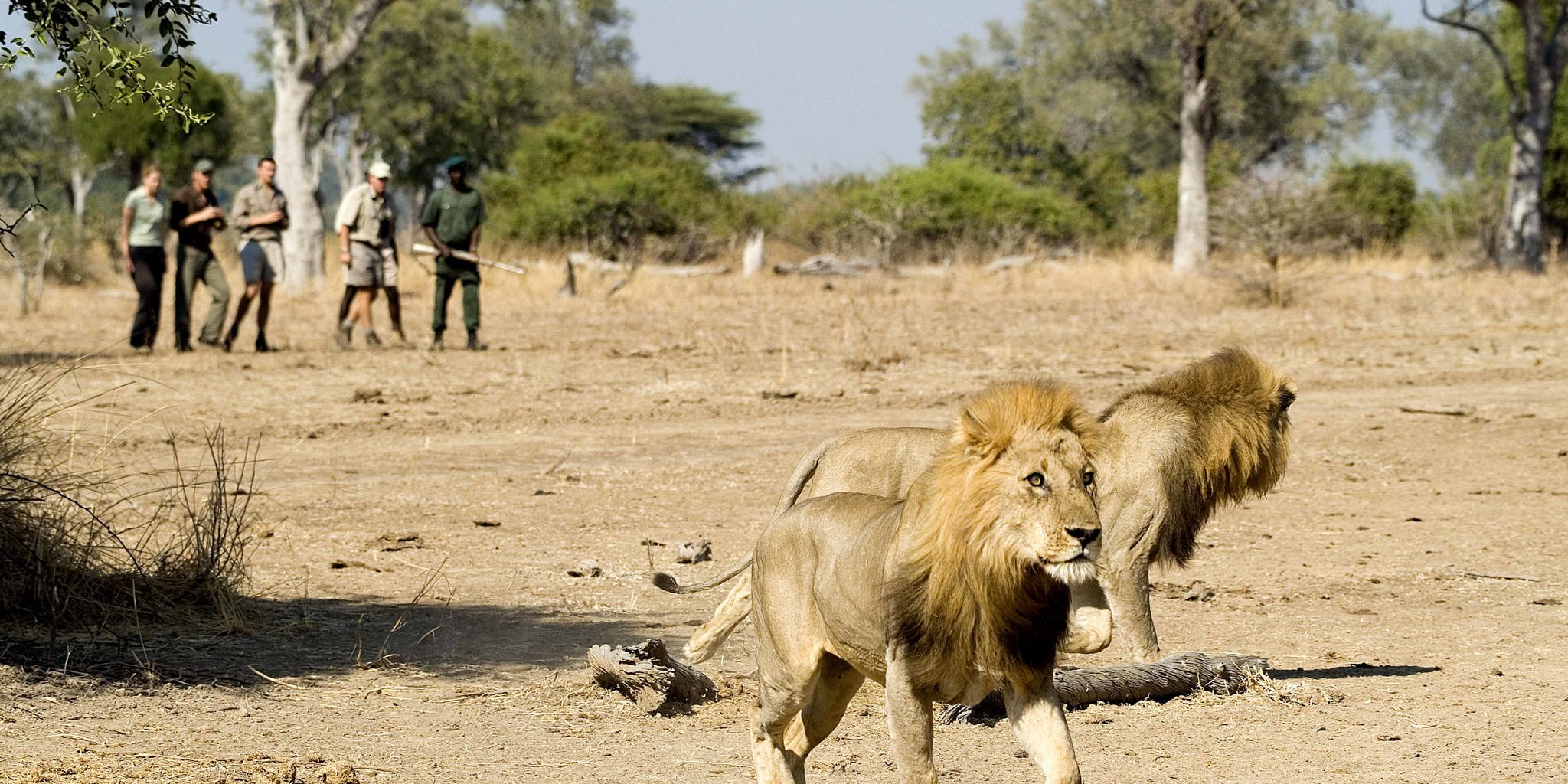
Walking Safari vs Driving Safari Comparison
An in-depth comparison of Walking Safari vs Driving Safari Comparison to help you choose the perfect safari experience. Explore the pros, cons, and key differen
 Safari Comparison Articles
Zambia Walking Safari vs Driving Safari
Discover the thrill of a Zambian walking safari versus a classic driving safari. This guide compares the experiences in parks like South Luangwa and the Lower Zambezi to help you choose.
 Packing & Preparation
Safari Adapter and Plug Guide by Country
Learn all about Safari Adapter and Plug Guide by Country in this comprehensive guide.