
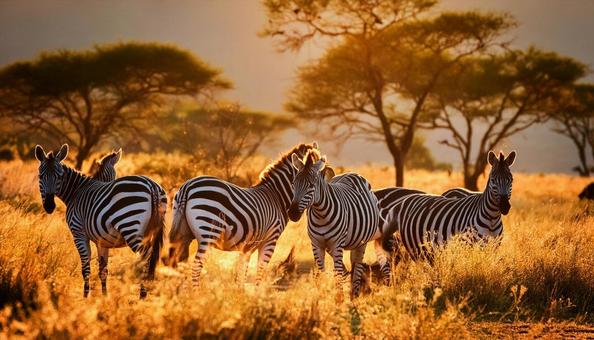
Enjoying the delicious food is a highlight of any safari. Our guide to food safety and hygiene will help you eat well and stay healthy on your trip.
About Safari Food Safety and Hygiene
This in-depth guide explores safari food safety and hygiene, providing essential information for anyone planning an African safari. Understanding this topic thoroughly will help you make informed decisions and have a more rewarding safari experience. Africa's safari industry continues to evolve, and staying informed about the latest developments ensures you get the best possible experience.
Why This Matters for Your Safari
Safari Food Safety and Hygiene is an important consideration for safari travelers. Whether you're a first-time visitor or a returning enthusiast, understanding the nuances of this topic can significantly impact your trip. From choosing the right destinations to selecting appropriate operators, every decision builds on foundational knowledge. Our safari operators can provide personalized guidance based on your specific needs.
Still researching? Let us help.
Our advisory team has planned safaris across 9 African countries. We can turn your research into a real plan.
Talk to an AdvisorKey Insights and Recommendations
Based on extensive industry experience and traveler feedback, several key insights emerge. First, research is your best investment, as the more you know before booking, the better your experience will be. Second, flexibility in timing and destinations often leads to better value and fewer crowds. Third, working with experienced professionals, whether guides, operators, or advisors, consistently produces superior outcomes. Explore our knowledge center for more detailed articles on related topics.
Practical Applications
Putting this knowledge into practice starts with your planning process. Begin by identifying your priorities, whether that's specific wildlife encounters, landscape preferences, or cultural experiences. Then use resources like our destination guides, cost calculator, and operator directory to build an itinerary that aligns with your goals. Don't rush the planning process, as a well-planned safari is almost always more rewarding than a hastily arranged one.
Further Reading
To deepen your understanding, explore related articles in our knowledge center. Each guide is written by safari industry professionals with firsthand experience across Africa's top destinations. For personalized advice, our safari planning guidey team is available to answer your questions and help refine your plans.
Done Reading? Let's Build Your Safari.
Skip the guesswork. Work with an advisor who has been on the ground across East and Southern Africa.
Plan With UsWater Purity and Consumption on Safari
One of the most common concerns for travelers visiting Africa is the safety of the drinking water. While it's wise to be cautious, understanding the nuances of water sources on safari can help you stay hydrated and healthy. In nearly all reputable safari lodges and camps, tap water is not intended for drinking. Instead, establishments provide complimentary bottled or filtered water in your room and during meals.
High-end safari operators invest heavily in sophisticated water filtration systems, often using methods like reverse osmosis and UV sterilization to provide safe, potable water. This water is used for cooking, washing salads and vegetables, and making ice. Many lodges are moving away from single-use plastic bottles and instead offer filtered water from dispensers. They will typically provide a reusable bottle or encourage you to bring your own.
> Expert Insight: Always confirm with the lodge staff which water sources are safe for drinking. As a rule of thumb, if it's not bottled or from a clearly marked filtered water dispenser, avoid it. This includes ice in your drinks. Reputable lodges will only use purified water for their ice, but it's a valid question to ask when you arrive.
When on game drives, your safari vehicle will be stocked with bottled water or have a cooler with safe drinking water. Staying hydrated is critical in the African heat, so don't be shy about consumption. For personalized advice on what to expect in specific destinations, from the Okavango Delta to the Serengeti, our safari operators can provide detailed information based on your itinerary.
Food Handling and Preparation Standards in Safari Lodges
Safari lodges and camps catering to international travelers adhere to stringent food safety and hygiene protocols, often mirroring the standards of high-end hotels worldwide. Kitchens are meticulously maintained, and staff are trained in safe food handling practices. Produce is typically sourced from trusted local suppliers or grown in the lodge's own garden, and it is thoroughly washed with purified water before preparation.
Meats and poultry are cooked to safe internal temperatures, and cross-contamination is carefully avoided. Buffet-style meals, a common feature on safari, are managed to ensure food is kept at appropriate temperatures—hot dishes are kept hot and cold dishes are kept cold. Staff are vigilant about replacing dishes and utensils to maintain hygiene.
> Traveler's Tip: If you have a sensitive stomach, you may want to stick to cooked vegetables and avoid raw salads, at least for the first few days of your trip, to allow your system to adjust. However, the vast majority of travelers experience no issues with the food at reputable lodges. For more destination-specific information, our destinations guides offer insights into what to expect.
It is this commitment to quality and safety that allows you to enjoy a wide variety of fresh, delicious meals in even the most remote wilderness locations. From gourmet multi-course dinners to bush breakfasts cooked over an open fire, the culinary experience is a highlight of the modern safari.
Navigating Dietary Restrictions and Allergies
One of the most impressive aspects of safari hospitality is the ability of remote lodges to cater to a wide range of dietary needs. Whether you are vegetarian, vegan, gluten-free, or have specific food allergies, safari kitchens are remarkably adept at accommodating special requests. The key is to communicate your needs clearly and well in advance.
When you book your trip, be sure to inform your safari planner or the lodge directly of any dietary restrictions. This information is passed on to the camp manager and head chef, who will then ensure that appropriate ingredients are sourced and separate meal preparations are made if necessary. It is not uncommon for a chef to personally meet with a guest upon arrival to discuss their needs and preferences for the duration of their stay.
> Expert Insight: For severe allergies, such as nuts or shellfish, it is wise to carry an epinephrine auto-injector (EpiPen) and any necessary antihistamines. While lodges are careful, the remote locations mean that immediate medical assistance is not always available. It is also helpful to learn a few key phrases in the local language to communicate your allergy, although English is widely spoken in the tourism industry.
From gluten-free bread baked fresh in the bush to creative and flavorful vegan entrees, you can expect to be well-fed. Don't let dietary concerns deter you from a safari adventure. With proper planning and communication, you can dine with confidence. To start the conversation about your specific needs, plan your safari with one of our expert advisors.
What to Do If You Get Sick
Despite all precautions, traveler's diarrhea and other minor stomach ailments can occasionally occur, often due to the simple stress of travel and exposure to a new environment rather than a specific foodborne illness. If you do fall ill, it's important to take immediate steps to manage the symptoms and prevent dehydration.
Most safari lodges and all guiding vehicles are equipped with a first-aid kit that includes basic remedies for stomach upset, such as oral rehydration salts (ORS), loperamide (Imodium), and mild pain relievers. Inform the lodge manager or your guide as soon as you feel unwell. They are experienced in handling such situations and can provide assistance and monitor your condition.
> Traveler's Tip: It is always a good idea to pack your own small medical kit with any over-the-counter medications you are comfortable using. Include oral rehydration salts, a probiotic, and any prescription medications you normally take. Discuss your travel plans with your doctor before you depart to get their recommendations.
In the rare event of a more serious illness, reputable safari operators have emergency protocols in place. This includes communication with doctors in nearby towns or cities and, if necessary, medical evacuation services. This is a key reason why comprehensive travel insurance with medical evacuation coverage is mandatory for any safari. For an estimate of what a well-planned, safe safari might cost, including insurance considerations, explore our cost calculator.
By understanding the robust safety measures in place and being prepared, you can focus on the incredible wildlife and landscapes of your African safari, confident that your health and well-being are in capable hands.
Need Expert Safari Guidance?
Get expert advisory support from a firm founded by a former safari guide — with real operational knowledge across 9 African countries and full-journey accountability.
Related Planning Guides
Recommended Reading
 Travel Logistics
Safari Road Transfer Safety Tips
Learn about safari road transfer safety tips and how it can impact your safari experience. Get expert advice and start planning your dream safari today.
 Travel Logistics
Safari Water and Drinking Safety
Staying hydrated on safari is crucial. Our guide to water and drinking safety will help you know what is safe to drink and what to avoid.
 Travel Logistics
Safari Swimming Pool Safety
Learn about safari swimming pool safety in this comprehensive safari guide.
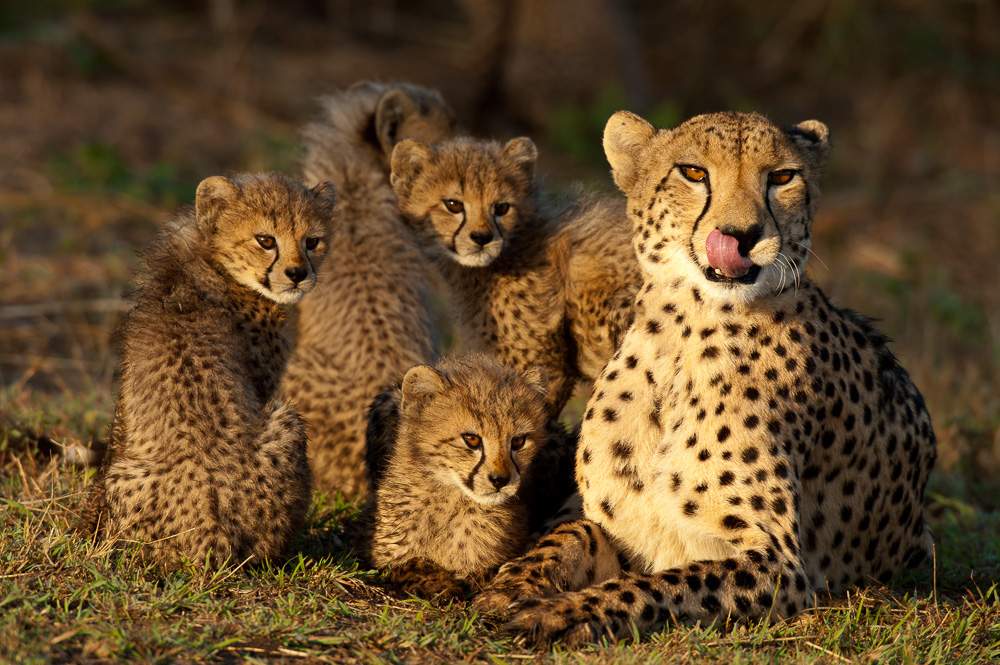 Country Guides
Tanzania Safari Health and Safety Overview
A comprehensive overview of health and safety considerations for a safari in Tanzania, including vaccinations, food and water safety, and wildlife encounters.
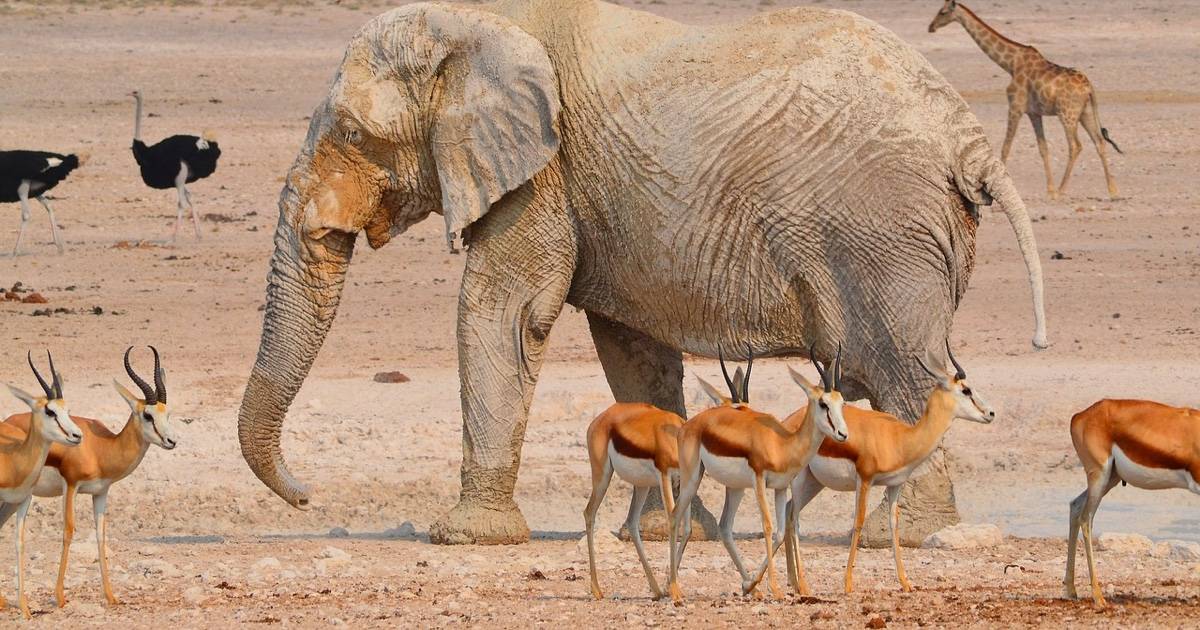 Country Guides
Kenya Safari Health and Safety Overview
An essential guide to health and safety for a Kenyan safari, covering everything from required vaccinations to wildlife etiquette and personal security.
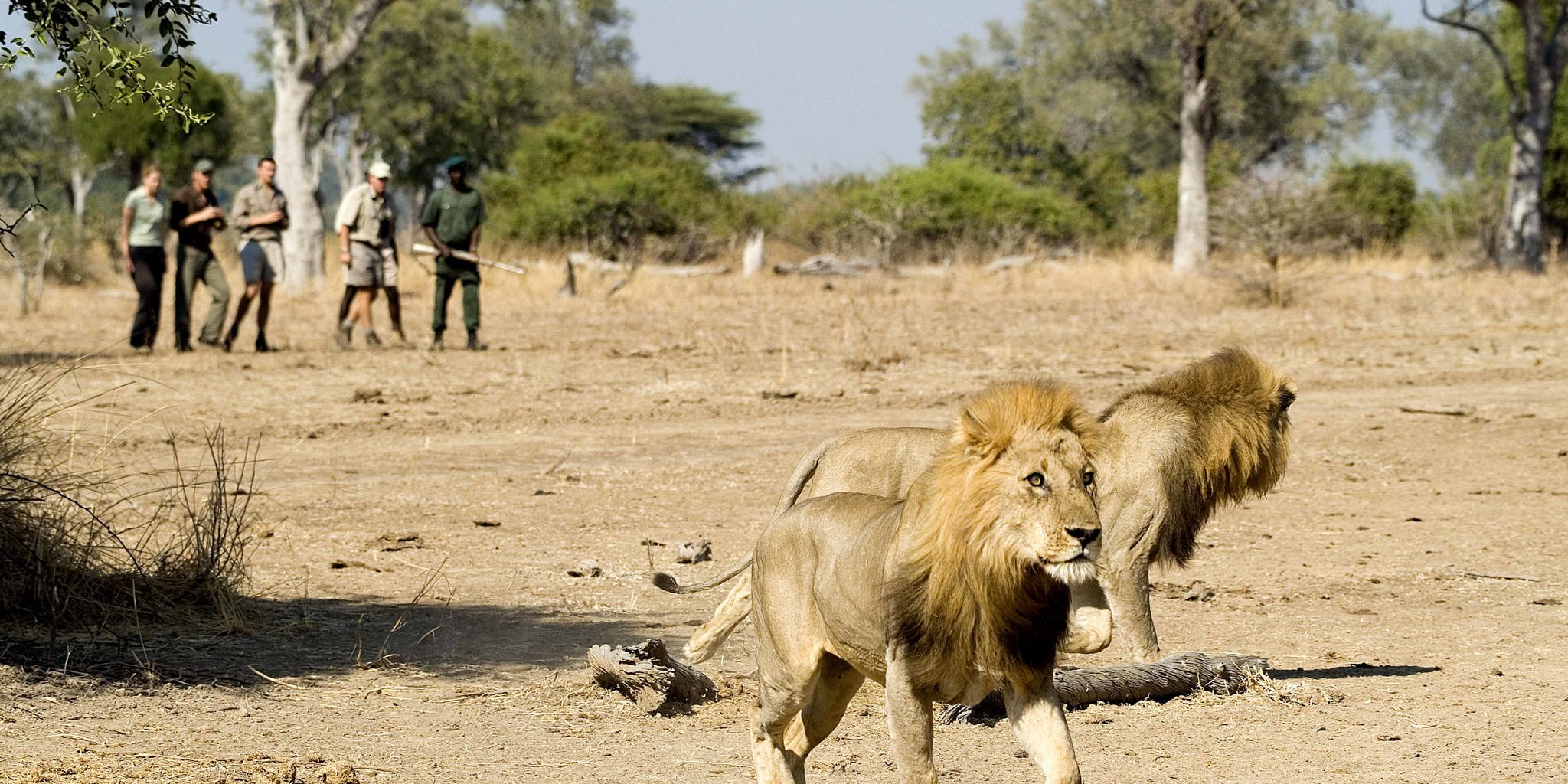 Country Guides
Botswana Safari Health and Safety Overview
A guide to staying healthy and safe on a Botswana safari, from malaria prevention and vaccinations to wildlife encounters and personal security.