
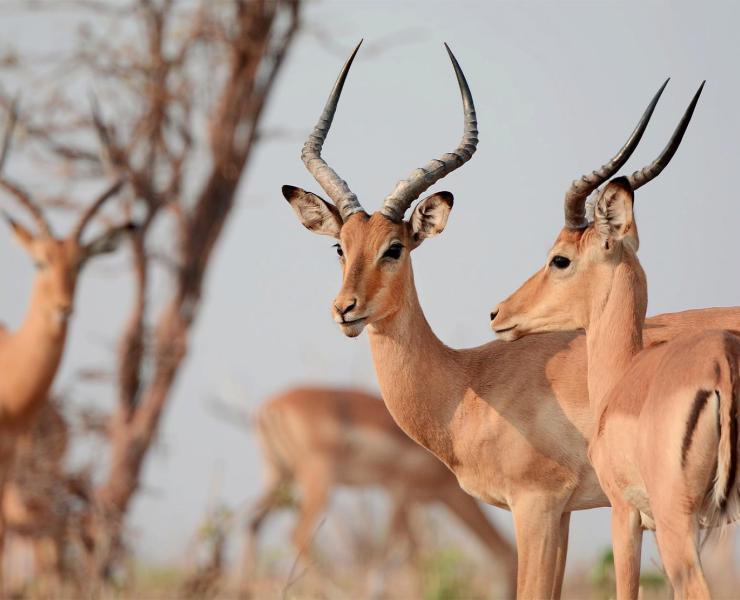
Planning a safari? Learn about cost of safari conservation levies. Get expert advice and insights from Safari Intelligence to plan your perfect trip.
Understanding Cost of Safari Conservation Levies
Safari costs can vary dramatically depending on destination, accommodation level, season, and trip duration. Cost of Safari Conservation Levies breaks down the financial aspects of safari travel so you can plan a trip that fits your budget without sacrificing quality. Knowledge is power when it comes to safari budgeting.
Price Ranges and What to Expect
African safaris range from budget-friendly camping experiences at $150-250 per person per day to ultra-luxury lodges exceeding $2,000 per person per day. Mid-range options typically fall between $400-800 per person per day and offer excellent value with comfortable accommodations and quality guiding. Understanding what's included in these prices is crucial, as most safari rates are fully inclusive of meals, activities, and park fees. Use our cost calculator for personalized estimates.
Still researching? Let us help.
Our advisory team has planned safaris across 9 African countries. We can turn your research into a real plan.
Talk to an AdvisorHidden Costs to Watch For
Beyond the headline safari price, several additional costs can catch travelers off guard. International flights, travel insurance, visa fees, vaccinations, tips for guides and camp staff, and personal purchases all add up. Internal charter flights between camps can also be significant. Budget an additional 15-25% above your core safari cost for these extras. Our detailed safari planning guides help you account for every expense.
How to Get Better Value
Several strategies can help you get more safari for your money. Traveling during shoulder season (just before or after peak season) offers good wildlife viewing at lower prices. Combining popular and lesser-known destinations can reduce costs while maintaining quality. Group departures are typically cheaper than private safaris. And booking well in advance often secures better rates at premium lodges.
Budgeting Tools and Resources
Our cost calculator provides detailed estimates based on your specific preferences. You can also browse our operator directory to compare pricing across different companies and destinations. For personalized budget advice, connect with one of our safari operators who can help optimize your itinerary for the best value.
Done Reading? Let's Build Your Safari.
Skip the guesswork. Work with an advisor who has been on the ground across East and Southern Africa.
Plan With UsA Deeper Dive into Conservation Levy Structures
While the concept of a conservation levy is straightforward, the application varies significantly across different destinations and types of protected areas. Understanding these nuances is key to appreciating the full scope of your contribution. Levies are not a one-size-fits-all fee; they are a complex tapestry of charges designed to address specific conservation and community needs.
National Park Fees: These are the most common type of levy, charged on a per-person, per-day basis for entry into national parks and reserves. For instance, in Tanzania, you can expect to pay between $60 and $70 per person per day for entry into the Serengeti National Park. In Kenya, the fees for the Maasai Mara National Reserve are around $80 per person per day. These fees are set by government bodies like the Tanzania National Parks Authority (TANAPA) or the Kenya Wildlife Service (KWS) and are a direct contribution to the operational costs of these vast ecosystems.
Private Conservancy Fees: Many of our clients opt for safaris in private conservancies, which are parcels of land bordering national parks that are leased from local communities. These conservancies offer exclusive wildlife viewing experiences with fewer crowds. In addition to the daily park fee (if the conservancy is part of a larger park ecosystem), you will also pay a conservancy fee. This fee, which can range from $100 to $200 per person per day, goes directly to the local landowners—often Maasai or Samburu communities—providing them with a sustainable income and a powerful incentive to protect wildlife. A prime example is the Mara North Conservancy in Kenya, where your fees support not only wildlife conservation but also community projects like schools and healthcare clinics.
Community Levies and Bed Night Fees: Some lodges and camps, particularly those located in community-owned lands, charge an additional community levy or a "bed night" fee. This is a small, nightly charge per guest that is funneled directly into community development projects. For example, a lodge in a private concession in Botswana might add a $25 per person, per night community development levy to your bill. This transparent model ensures that the benefits of tourism are shared directly with the people who are most impacted by wildlife conservation.
> Traveler's Tip: When planning your safari, ask your safari planning guide about the specific levy structure of the lodges and parks on your itinerary. A clear understanding of where your money is going can make your journey even more meaningful.
Where Does the Money Go? A Breakdown of Levy-Funded Initiatives
It's one thing to pay a fee, but it's another to know the tangible impact of your contribution. Conservation levies are the financial engine driving a wide array of critical initiatives that protect Africa's natural heritage. When you pay these fees, you are directly investing in the future of the continent's wildlife and wild spaces.
Anti-Poaching and Wildlife Security: A significant portion of levy revenue is allocated to anti-poaching efforts. This includes funding for ranger salaries, training, and equipment—from boots and uniforms to sophisticated technology like GPS trackers, night-vision goggles, and drones. In reserves like South Africa's Kruger National Park, these funds are essential in the fight against rhino and elephant poaching. Your contribution helps to ensure that there are dedicated teams on the ground, 24/7, to protect vulnerable species from organized wildlife crime.
Wildlife Monitoring and Research: Conservation is a science. Levies support vital research and monitoring projects that track animal populations, migration patterns, and the overall health of the ecosystem. This data is crucial for making informed conservation decisions. For example, in Botswana's Okavango Delta, fees contribute to projects that monitor the wild dog population, helping researchers to understand their behavior and develop strategies to protect this endangered species. These efforts often involve collaring animals to track their movements, conducting aerial surveys, and analyzing genetic data.
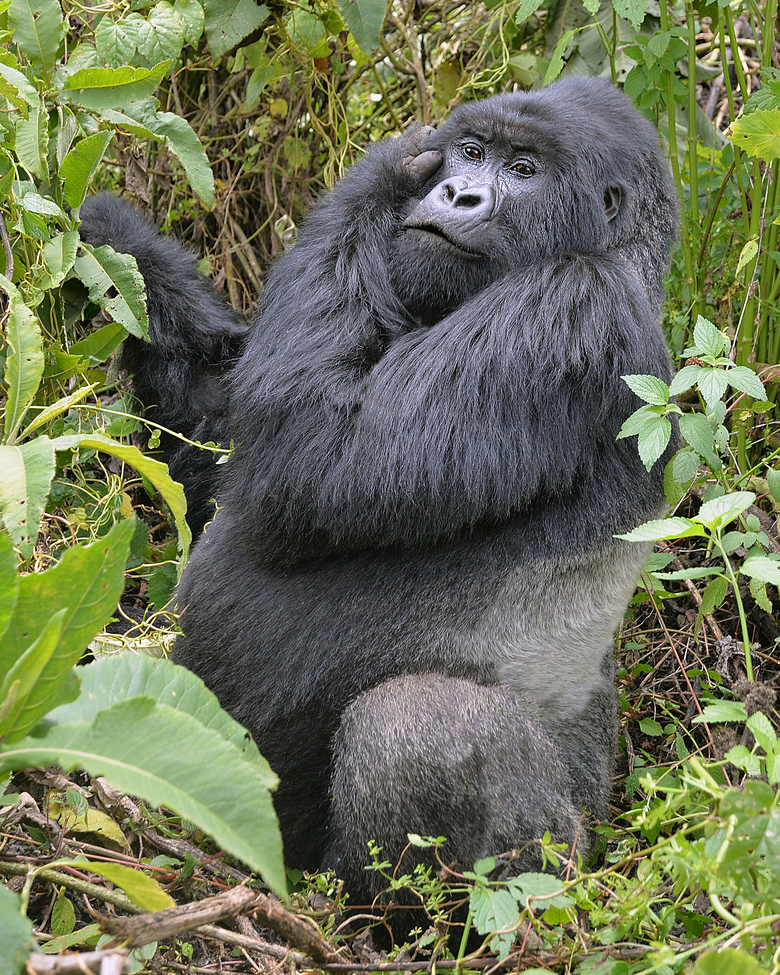
Habitat Restoration and Management: Healthy habitats are essential for thriving wildlife populations. Conservation levies fund projects aimed at restoring and maintaining the natural environment. This can include initiatives like reforestation, invasive species removal, and controlled burning programs that promote new growth and prevent devastating wildfires. In Rwanda, for example, a portion of the gorilla trekking permit fee is used to reforest areas around Volcanoes National Park, expanding the habitat for the critically endangered mountain gorilla.
Community Empowerment and Development: Modern conservation recognizes that local communities are the most important stewards of wildlife. A growing percentage of levy income is now being channeled into community-based programs that provide tangible benefits from tourism. This can include building schools and health clinics, providing clean water, and creating employment opportunities. By linking conservation with economic empowerment, these programs create a powerful incentive for communities to protect the wildlife on their land. This is a core principle of the conservancy model in Kenya and a key part of sustainable tourism across the continent.
> Expert Insight: The most effective conservation programs are those that integrate wildlife protection with community development. When you choose a safari that supports these integrated models, you are not only helping to protect animals but also empowering the people who live alongside them. This is the future of sustainable travel. For more on this, explore our destinations and connect with our safari operators to learn how to make your trip a force for good.
Transparency and Accountability: Ensuring Your Contribution Counts
As a discerning traveler, you have the right to know that your conservation levy payments are being used effectively and ethically. The safari industry is built on trust, and transparency is the cornerstone of that trust. A reputable safari operator or advisory service will be open about the fees they collect and the conservation partners they support.
How to Verify Legitimacy:
- Ask for a Breakdown: Don't hesitate to ask your tour operator for a detailed breakdown of all costs, including park fees, conservancy fees, and any community levies. A transparent operator will have no problem providing this information. You can also cross-reference the park fees with the official websites of national park authorities like KWS in Kenya or SANParks in South Africa.
- Inquire About Conservation Partners: Ask which specific conservation projects or community initiatives are supported by your trip. Reputable companies are proud of their partnerships and will be eager to share details about the work being done on the ground. Look for long-term, established relationships rather than vague promises.
- Look for Certifications: Several independent organizations certify tourism businesses for their commitment to sustainability and fair trade practices. Look for certifications from organizations like Fair Trade Tourism, The Long Run, or B Corp. These certifications indicate that a company has undergone a rigorous vetting process and meets high standards for environmental and social responsibility.
Red Flags to Watch For:
- Vague or Evasive Answers: If an operator is unwilling to provide clear answers about where your money goes, consider it a red flag.
- Unusually Low Prices: While everyone loves a good deal, exceptionally low safari prices may indicate that corners are being cut. This could mean that the operator is not paying proper park fees or is not contributing fairly to local communities.
- Lack of Online Presence: A professional and ethical operator will have a clear online presence that details their conservation philosophy and partnerships. If you can't find this information, proceed with caution.
> Expert Insight: The most powerful tool you have is your choice. By selecting operators who are transparent and deeply committed to conservation, you are casting a vote for a more sustainable and ethical tourism industry. Our safari operators are experts at vetting operators and can guide you to partners who align with your values. Start the conversation today by visiting our plan your safari page.
By taking these extra steps, you can travel with the confidence that your journey is making a positive and lasting impact on the people and wildlife of Africa. Your safari becomes more than just a vacation; it becomes a meaningful investment in the future of our planet's most iconic wild places.
Need Expert Safari Guidance?
Get expert advisory support from a firm founded by a former safari guide — with real operational knowledge across 9 African countries and full-journey accountability.
Related Planning Guides
Recommended Reading
 Safari Cost Guides
How Much Does a Tanzania Safari Cost in 2026
Planning a safari? Learn about how much does a tanzania safari cost in 2026. Get expert advice and insights from Safari Intelligence to plan your perfect trip.
 Safari Cost Guides
How Much Does a Kenya Safari Cost in 2026
Planning a safari? Learn about how much does a kenya safari cost in 2026. Get expert advice and insights from Safari Intelligence to plan your perfect trip.
 Safari Cost Guides
How Much Does a Botswana Safari Cost in 2026
Planning a safari? Learn about how much does a botswana safari cost in 2026. Get expert advice and insights from Safari Intelligence to plan your perfect trip.
 Safari Advisor Content
Safari Advisors and Conservation: How Expert Guidance Supports Ethical Tourism
Discover how expert safari advisors promote ethical tourism by guiding travelers to conservation-focused lodges, supporting community initiatives, and ensuring responsible wildlife encounters.
 Safari Costs
Budget Safari vs Luxury Safari Costs
Discover the key cost differences between budget and luxury safaris, from accommodation and guiding to game drives and locations, to choose the right trip for you.
Additional Safari TopicsSafari Conservation Programs
Discover how your African safari directly supports wildlife conservation, from funding anti-poaching units to empowering local communities. Learn how to travel with purpose.