
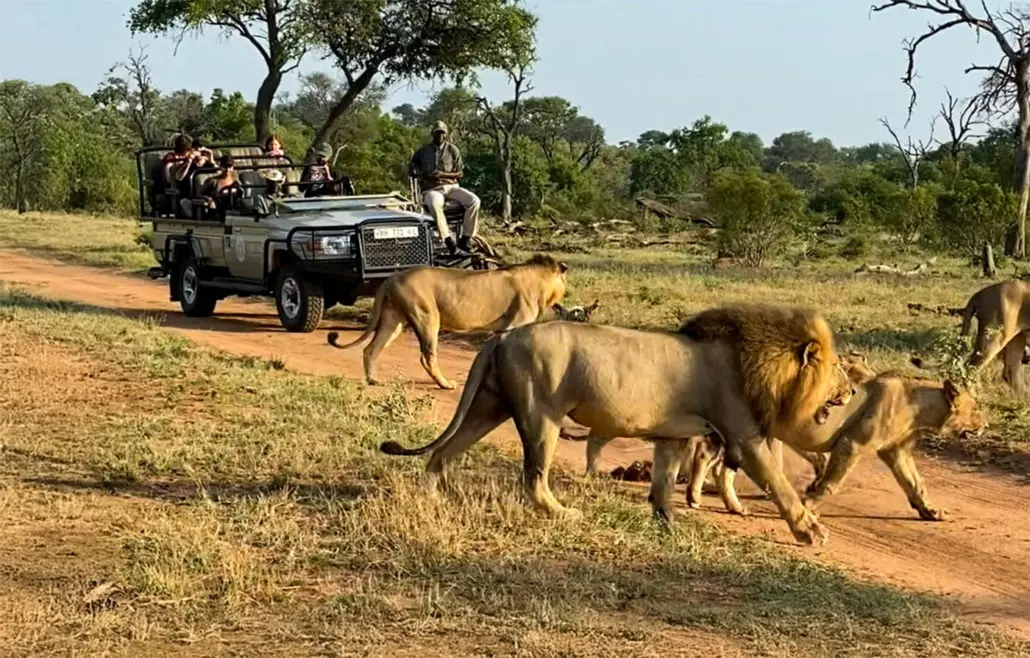
Learn about future trends in safari operations and how it can impact your safari experience. Get expert advice and start planning your dream safari today.
Future Trends in Safari Operations
This is the content for the article: Future Trends in Safari Operations.
This article is in the category: Safari Operator Articles.
Here are some internal links:
_The safari industry is undergoing a profound transformation, moving beyond traditional game drives to embrace a future defined by sustainability, technology, and deep, authentic connections with Africa’s wild places and its people. For the discerning traveler, this evolution means more meaningful, personalized, and impactful journeys. Here, we explore the key trends shaping modern safari operations and what they mean for your next adventure._
The Rise of Conservation-Led Safaris
The most significant trend is the shift from passive eco-tourism to active, conservation-led operations. The modern luxury safari is no longer just about observing wildlife; it’s about participating in its preservation. Leading operators are now conservation companies first and tourism companies second. Their business models are built on the premise that exceptional safari experiences can and must directly fund the protection of the ecosystems that make them possible.
This goes far beyond simply reducing a lodge’s carbon footprint or avoiding plastic straws. These operators are on the front lines of conservation, managing vast tracts of wilderness, funding anti-poaching units, and reintroducing endangered species. For example, companies like Great Plains Conservation, co-founded by renowned filmmakers Dereck and Beverly Joubert, use revenue from their camps in Kenya and Botswana to secure critical wildlife corridors through land leases with local communities. Similarly, Singita’s non-profit partners in Tanzania and South Africa manage sophisticated anti-poaching teams and extensive community partnership programs.
> Expert Insight: When vetting a safari operator, look for transparency and tangible impact. Do they publish annual conservation and community impact reports? Are they a certified B Corporation? Do they have a non-profit arm with a clear mission? These are indicators of a genuine commitment that goes beyond marketing buzzwords. A conversation with one of our safari operators can help you identify the true leaders in this space.
This model creates a powerful, self-sustaining loop: tourism provides the economic incentive for communities to protect wildlife, which in turn preserves the pristine landscapes that attract travelers. Your safari becomes a direct investment in the future of Africa’s wilderness.
Still researching? Let us help.
Our advisory team has planned safaris across 9 African countries. We can turn your research into a real plan.
Talk to an AdvisorTechnology and the Safari Experience
Technology is not about distracting from the wilderness but deepening the connection to it. Innovations are being thoughtfully integrated to enhance wildlife viewing, improve safety, and enrich the learning experience. The days of relying solely on crackly radios for wildlife sightings are numbered.
Key Technological Advancements:
- Advanced Tracking and Data: Researchers and guides are using GPS-collared animal data to better understand movement patterns and predict sightings. Apps like EarthRanger provide a real-time, integrated view of a protected area, combining data from ranger patrols, vehicle sensors, and animal trackers. This not only improves the chances of a spectacular sighting but also provides a powerful tool for anti-poaching and conservation management.
- Electric Safari Vehicles: The silent hum of an electric safari vehicle is a game-changer. It allows for closer, less intrusive wildlife encounters, where the only sounds are the crunch of tires on the dirt track and the calls of the wild. Furthermore, it represents a critical step in reducing the carbon footprint of safari operations. Pioneering camps in Zambia’s South Luangwa and Kenya’s Maasai Mara are leading the charge, with many more expected to convert their fleets.
- Digital Detox and Purposeful Connectivity: While many travelers seek a digital detox, high-speed internet in lodges is becoming standard. The trend, however, is to provide connectivity in private rooms while keeping common areas Wi-Fi-free to encourage social interaction and a connection with the environment. This allows guests to share their experiences or attend to urgent matters without sacrificing the immersive nature of the safari.
> Traveler's Tip: Ask your safari operator about their use of technology. Do they have electric vehicles? Do they contribute data to conservation research projects? Choosing an operator that invests in forward-thinking technology often correlates with a higher quality, more responsible experience. Explore our destinations page to see which parks are at the forefront of these trends.
Hyper-Personalization and Exclusive-Use Experiences
The modern safari traveler is seeking more than a one-size-fits-all itinerary. The future of safari operations lies in crafting highly personalized journeys tailored to individual interests, whether that’s primate tracking, bird photography, or family-friendly activities. This trend is moving away from rigid schedules and toward flexible, private experiences.
Exclusive-use villas, private mobile camps, and sole-use concessions are becoming the gold standard for luxury travel. These options offer unparalleled privacy, flexibility, and a deeper immersion in the wilderness. Imagine a private chef preparing your meals over a campfire in a remote corner of the Serengeti, or having a dedicated guide and vehicle for your family, allowing you to spend as long as you wish observing a leopard cub without pressure from other guests.
This level of personalization extends to the activities themselves. Operators are offering specialized experiences such as:
- Habituation Experiences: Spend time with researchers habituating gorilla or chimpanzee families, offering a rare glimpse into their world.
- Specialist-Guided Safaris: Travel with a renowned wildlife photographer, a leading conservationist, or an expert tracker who can unlock a deeper level of understanding and skill.
- Heli-Safaris and Remote Exploration: Use helicopters to access untouched ecosystems, from the deserts of Namibia to the vast wetlands of the Okavango Delta, areas that are inaccessible by vehicle.
> Expert Insight: Planning a multi-generational family safari or a trip for a special occasion? An exclusive-use property is often the best value and provides the most memorable experience. Our safari operators specialize in matching groups with the perfect private safari option, handling all the complex logistics. You can start exploring costs with our cost calculator.
Authentic Community Engagement and Cultural Tourism
A growing number of travelers are seeking more than just wildlife; they want to connect with the people and cultures of Africa. The future of safari operations involves moving away from staged, superficial cultural visits toward authentic, respectful, and mutually beneficial community partnerships.
Leading operators are co-creating experiences with local communities, ensuring that tourism revenue directly supports education, healthcare, and sustainable enterprise. This creates a more meaningful exchange for both the traveler and the community. Instead of a brief village tour, you might spend an afternoon with a Maasai elder learning about medicinal plants, visit a local school supported by your lodge, or learn tracking skills from a Hadzabe hunter-gatherer.
These are not passive experiences. They are immersive opportunities to understand a different way of life and to see the direct, positive impact of your travel dollars. For example, lodges in Kenya’s northern rangelands are often owned in partnership with Samburu communities, providing a direct income stream that incentivizes conservation over other land uses like cattle grazing. In Botswana, some camps are 100% staffed by people from the local villages, providing careers and uplifting the entire community.
> Traveler's Tip: When considering cultural experiences, ask about the nature of the relationship between the operator and the community. Is it a partnership? Does the community have ownership or a significant voice in the tourism operations? A well-planned safari can be a powerful force for good, and our safari operators can guide you to operators who are getting it right.
Done Reading? Let's Build Your Safari.
Skip the guesswork. Work with an advisor who has been on the ground across East and Southern Africa.
Plan With UsThe Future is Now
The safari of the future is here. It is a journey that is more sustainable, more technologically advanced, more personalized, and more deeply connected to the people and wildlife of Africa. It is an experience that not only provides lifelong memories but also leaves a positive and lasting legacy.
By choosing to travel with forward-thinking operators, you are not just a tourist; you are a patron of conservation and a partner in community development. You are an active participant in a new, more hopeful chapter for Africa’s wild places.
Ready to experience the future of safari? Plan your safari with us and let our experts design a journey that aligns with your values and exceeds your expectations.
Need Expert Safari Guidance?
Get expert advisory support from a firm founded by a former safari guide — with real operational knowledge across 9 African countries and full-journey accountability.
Related Planning Guides
Recommended Reading
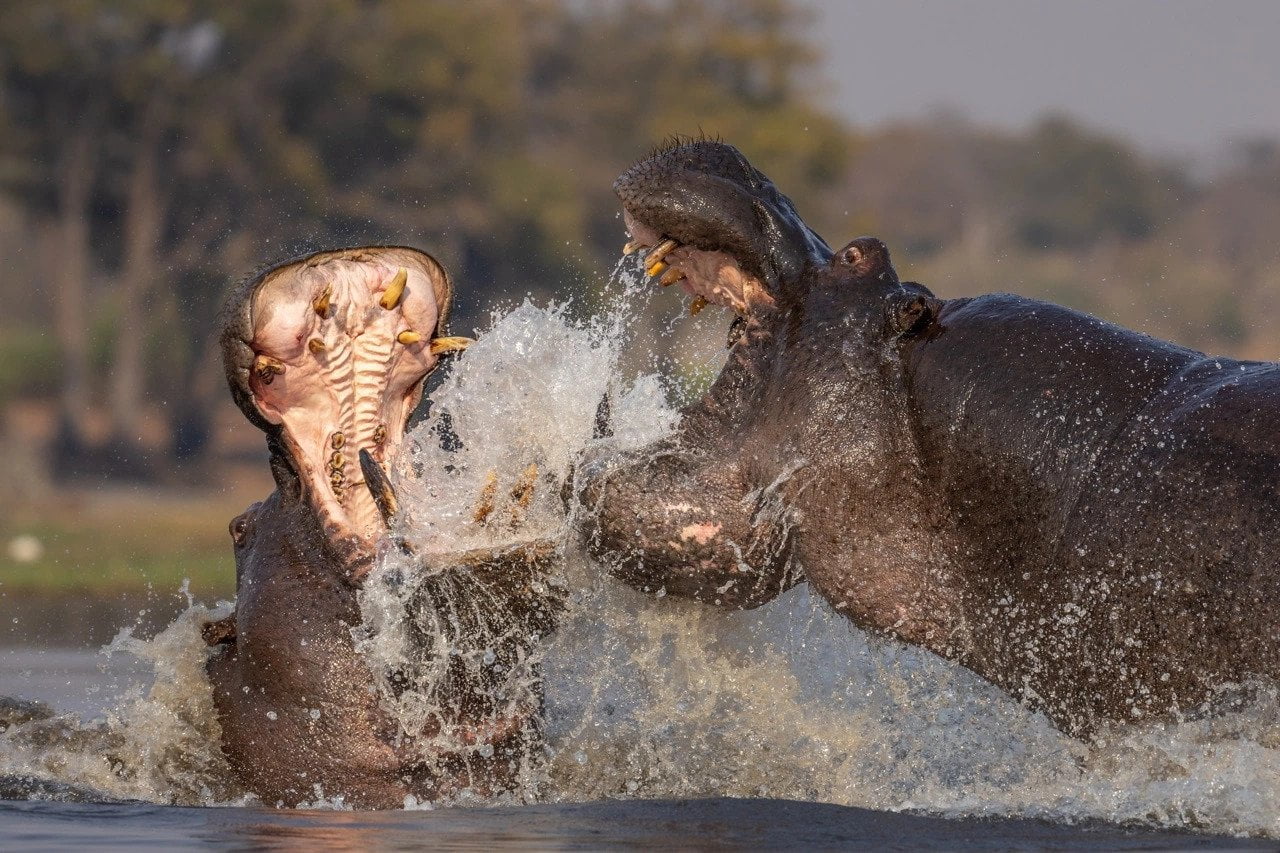 Safari Operator Articles
How Safari Operators Handle Low Season Operations
Learn about how safari operators handle low season operations and how it can impact your safari experience. Get expert advice and start planning your dream safari today.
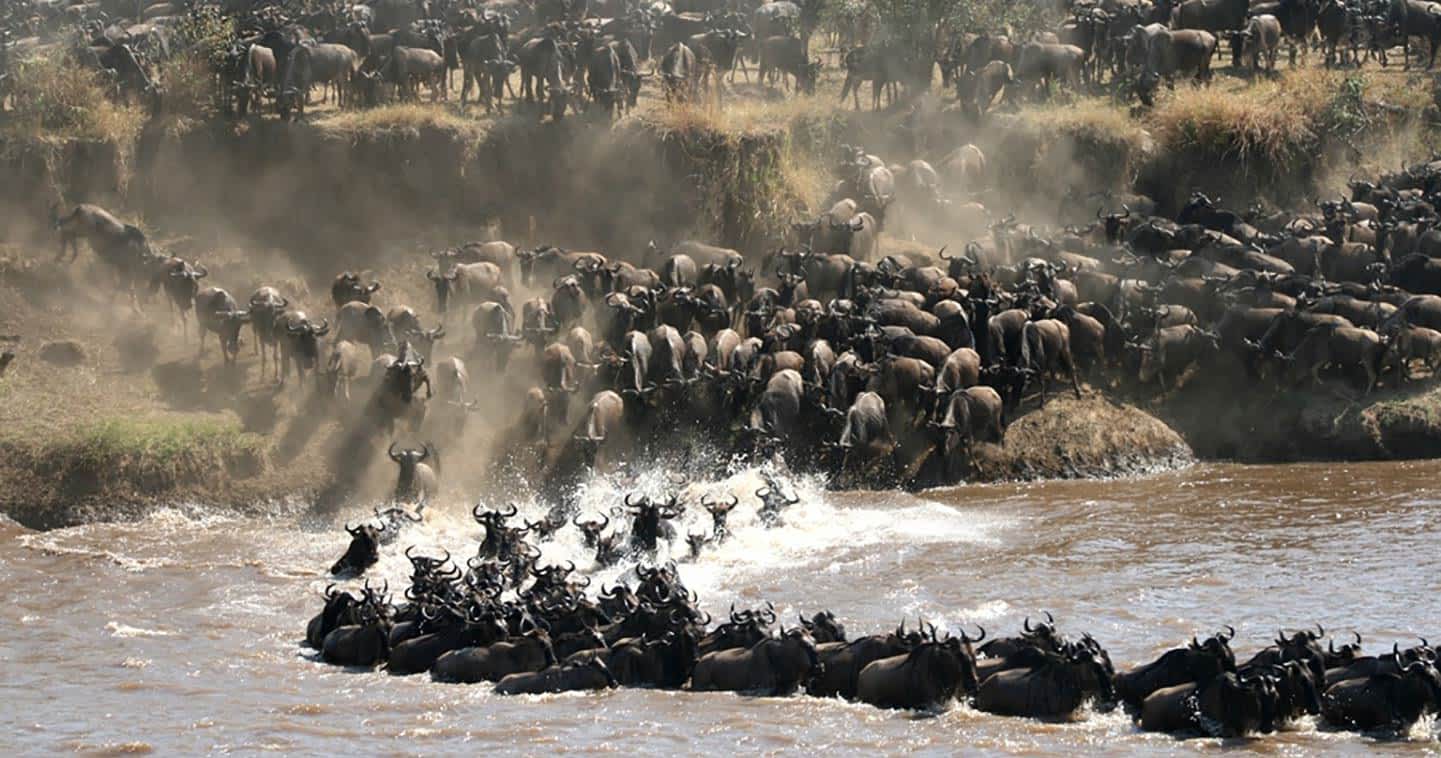 Safari Intelligence Insights
Future of Safari Tourism
Explore the future of safari tourism, from sustainable travel and tech-enhanced experiences to new luxury definitions. Plan your next adventure with insight.
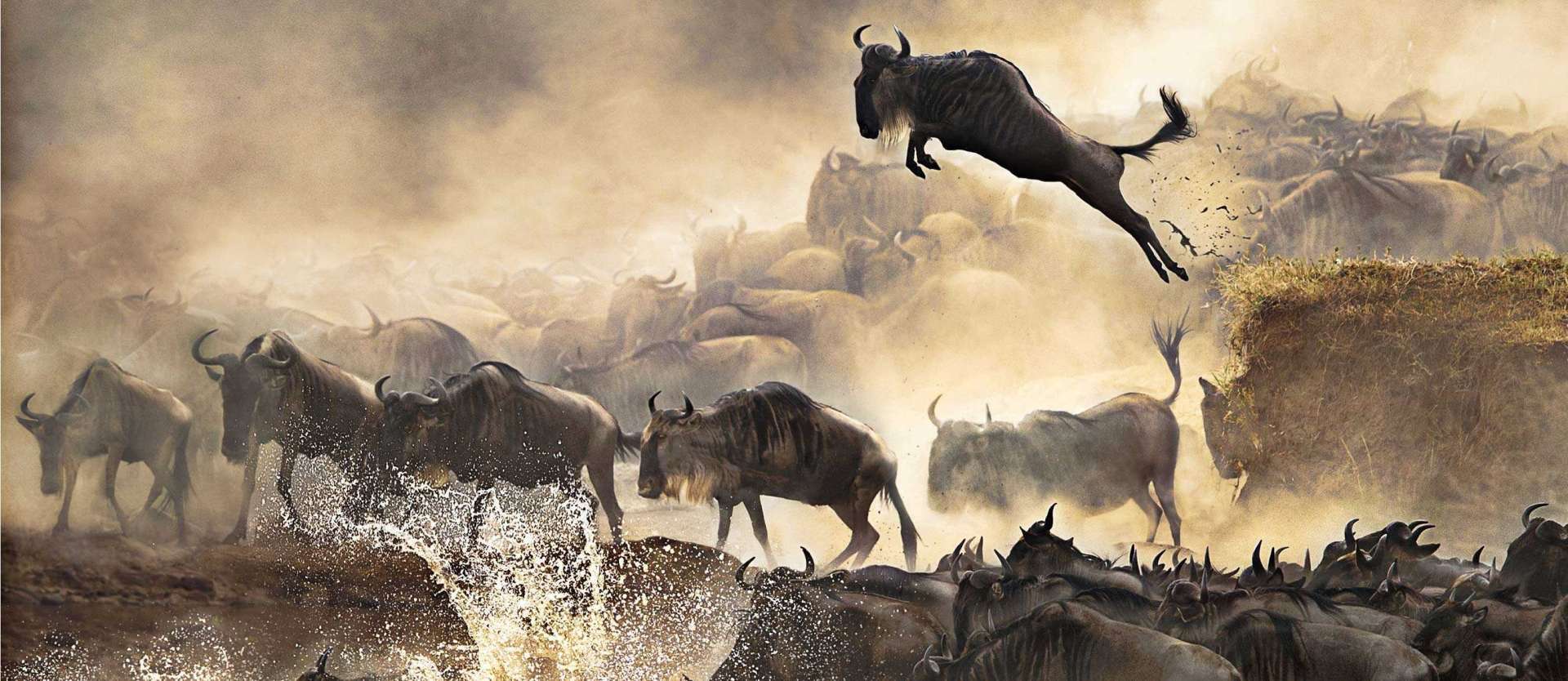 Luxury Safari Content
Luxury Safari Interior Design Trends
Discover the essentials of luxury safari interior design trends for an unforgettable African safari adventure.
 Safari Costs
Average Safari Cost Per Day
Learn about the average safari cost per day, from budget to luxury. This guide breaks down costs by country and what\
Safari Operator ArticlesInternational Safari Operators vs Local Safari Operators
A comparison of international and local safari operators to help you decide which is the right choice for your African safari.
 Safari Operator Articles
Large Safari Operators vs Small Safari Operators
A comparison of large and small safari operators to help you decide which is the right fit for your African safari adventure.