
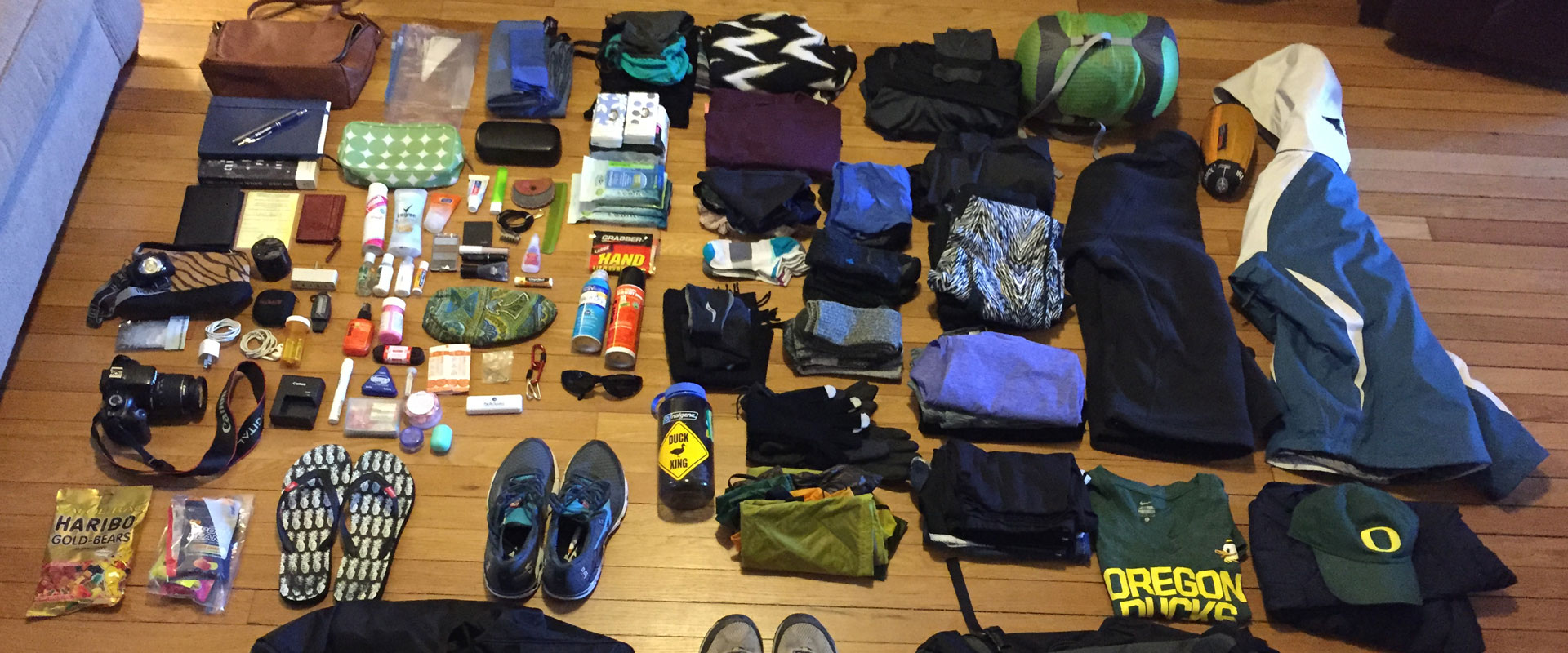
Learn all about Safari Clothing Colors and Why They Matter in this comprehensive guide.
Understanding the Climate and Terrain in Africa
When packing for a safari in Africa, it's essential to consider the local climate and terrain. Africa has a diverse landscape, from vast plains to dense forests. Temperatures can fluctuate significantly, with warm days and cool evenings. Lightweight, breathable fabrics are your best friend. For more on planning your trip, see our destination guide for Africa.
Essential Clothing Items
Neutral-colored clothing is highly recommended to blend in with the environment and avoid startling the wildlife. Think khaki, olive, and brown. You'll want to pack a mix of short-sleeved shirts and long-sleeved shirts for sun protection. A lightweight waterproof jacket is also a must, as rain showers can be unpredictable. For personalized packing advice, consider consulting with one of our safari operators.
Still researching? Let us help.
Our advisory team has planned safaris across 9 African countries. We can turn your research into a real plan.
Talk to an AdvisorFootwear for All Activities
Comfortable, broken-in walking shoes are non-negotiable. Whether you're on a walking safari or just exploring your lodge, you'll be on your feet a lot. A pair of sandals or flip-flops is also great for relaxing at the lodge. If you're planning any strenuous hikes, be sure to bring appropriate hiking boots. Our safari cost calculator can help you budget for any specialized gear you may need to purchase.
Sun and Insect Protection
A wide-brimmed hat, sunglasses, and high-SPF sunscreen are crucial for protecting yourself from the African sun. Insect repellent is also a must, especially in the evenings. Look for a repellent containing DEET for the most effective protection against mosquitoes and other biting insects. For more health and safety tips, visit our knowledge base.
Evening and Lodge Attire
Evenings on safari can be a mix of casual and smart-casual. Most lodges have a relaxed dress code, but it's always a good idea to pack a slightly nicer outfit for dinner. A pashmina or wrap is perfect for adding a touch of warmth and style. Before you book, be sure to research safari operators in Africa to understand the specific dress codes at their lodges.
Done Reading? Let's Build Your Safari.
Skip the guesswork. Work with an advisor who has been on the ground across East and Southern Africa.
Plan With UsThe Science of Color and Animal Vision
While the general rule is to stick to neutral, earthy tones, understanding the why behind this advice can make you a more conscious traveler. Animals perceive color very differently from humans. Most safari animals, especially herbivores like antelope, zebra, and wildebeest, are dichromats. This means they see a more limited range of colors, primarily in the blue and green-yellow spectrum. They lack the red-green cone that primates (including humans) possess.
What does this mean for your clothing? Bright colors, especially shades that contrast sharply with the natural environment, can appear as unnatural and alarming flashes to these animals. A bright pink or electric blue shirt doesn't just look out of place—it can signal "danger" or "unnatural predator" to a herd of impala, causing them to flee and ruining a potential sighting for everyone. Predators, on the other hand, often have better color vision than their prey, but their eyesight is primarily adapted for detecting movement and contrast, especially in low light. By wearing neutral tones, you blend into the background, reduce your visual footprint, and are less likely to be perceived as a threat.
> Expert Insight: Think of your clothing as camouflage, not in the military sense, but in the natural sense. Your goal is to merge with the landscape. Before your trip, you can learn more about animal behavior and safari best practices in our knowledge center.
Tsetse Flies and Color: A Deeper Dive
The advice to avoid blue and black clothing is particularly crucial in certain regions of East and Central Africa where tsetse flies are prevalent. These biting insects are not just a nuisance; they can transmit African trypanosomiasis, or sleeping sickness. But why are they so attracted to these specific colors?
Scientific research reveals it's linked to how they hunt. Tsetse flies are drawn to large, dark, moving objects, which they interpret as potential hosts—like a buffalo or a wildebeest. Black and dark blue create a strong, solid silhouette that mimics these animals. Furthermore, studies have shown that tsetse flies are attracted to polarized light, and dark surfaces reflect this type of light in a way that signals a potential blood meal. The iconic blue and black cloth traps you may see in tsetse-infested areas are designed to exploit this very behavior, luring flies to an insecticide-treated surface.
By wearing dark blue or black, you are essentially turning yourself into a moving tsetse fly target. While the risk of disease is low for most travelers, the bites are painful and can cause significant irritation. It is far better to stick with light neutrals to make yourself less visible and less attractive to these persistent pests.
Color Layering Strategies for All-Day Comfort
Game drives often start in the cool, pre-dawn hours, warm up significantly mid-day, and become chilly again after sunset. A smart layering strategy is key, and color plays a role here too.
- Early Morning: Start with a darker neutral base layer, like a brown or dark green long-sleeve shirt, and add a warmer fleece or jacket in a similar muted tone. The darker colors will absorb a little more warmth from the early morning sun.
- Mid-Day: As the sun climbs and temperatures rise, you can shed your outer layers. Your base layer should be a light neutral, like khaki, beige, or stone. These lighter colors are better at reflecting intense sunlight, helping to keep you cool.
- Evening: As the sun sets, the temperature can drop quickly. This is the time to add your mid-layer or jacket back on. Having a versatile pashmina or scarf is also an excellent idea for adjustable warmth.
This layering approach ensures you are comfortable throughout the day and appropriately colored for optimal wildlife viewing. For personalized packing lists based on your destination and time of year, connect with one of our safari operators.
Beyond Clothing: The Color of Your Gear
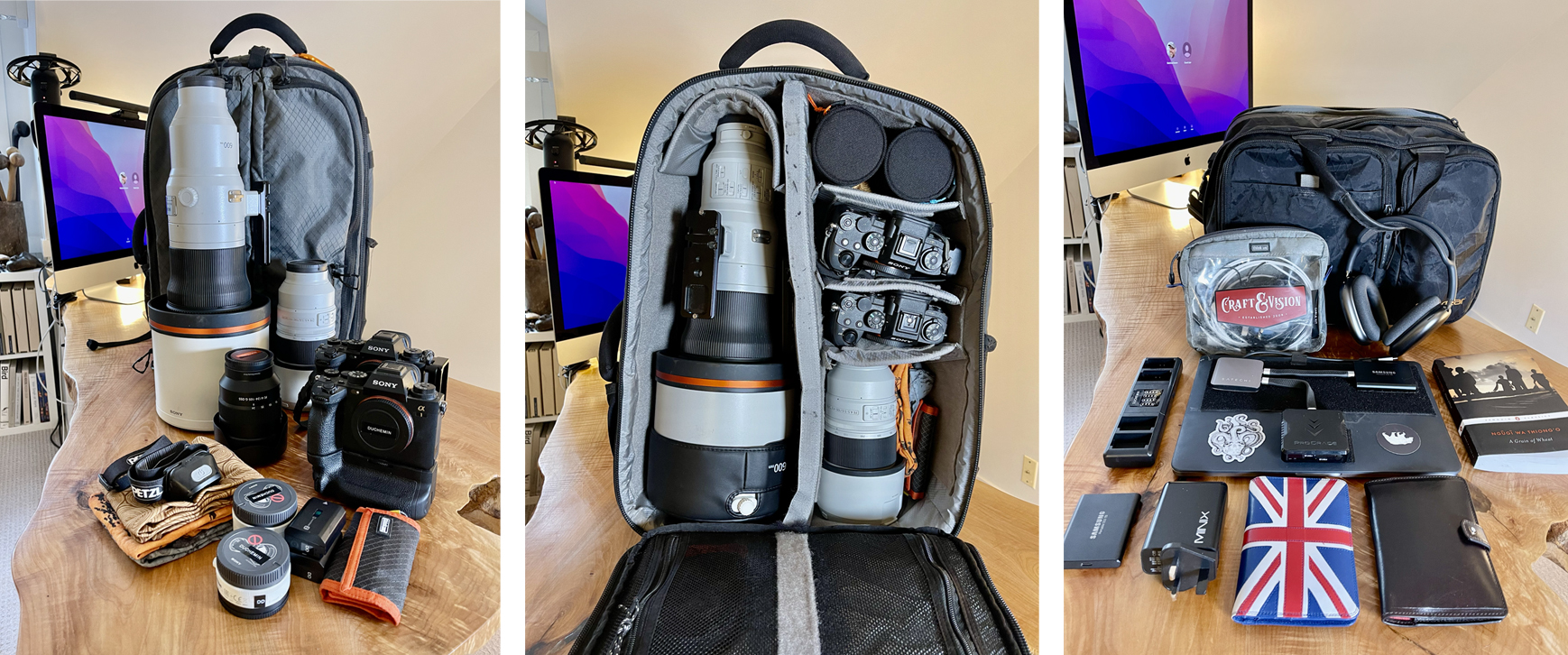
Your choice of color should extend beyond your wardrobe to your daypack, camera bag, and other equipment. A brightly colored backpack can be just as disruptive as a bright shirt. Opt for gear in the same neutral, earthy tones recommended for clothing. This ensures that when you step out of the vehicle for a bush walk or a sundowner, your gear doesn't make you stand out. It’s a small detail that contributes to a more immersive and respectful wildlife experience.
> Traveler's Tip: When purchasing a new daypack or camera bag for your safari, choose a brand that offers options in khaki, olive, or sand. Not only is it practical for your trip, but it will also look the part in your photos!
Color Guidelines for Specialized Activities
For most vehicle-based game drives, color choice is important. For specialized activities, it becomes critical.
- Walking Safaris: When you are on foot in the bush, you are no longer a passive observer in a vehicle; you are a participant in the ecosystem. Blending in is paramount for both your safety and the quality of the experience. Bright colors are strictly forbidden by guides. Here, greens and browns that match the specific environment are your best allies.
- Canoeing or Boating Safaris: On the water, you are often exposed and highly visible. Muted colors are still essential. Avoid white, which can be startling to birds and animals along the riverbanks. Blue is also best avoided due to its association with tsetse flies, which can be present near waterways.
- Gorilla and Chimp Trekking: For primate trekking, the rules are similar. You want to be as unobtrusive as possible. Neutral, earthy tones will help you blend into the forest environment and minimize your disturbance of these incredible animals. Before embarking on such a specialized trip, it's wise to consult our plan your safari guide for detailed preparation advice.
By thoughtfully considering your color choices for every aspect of your safari, you show respect for the wildlife and enhance the quality of your adventure. It's a simple yet powerful way to be a more conscious and responsible traveler.
Need Expert Safari Guidance?
Get expert advisory support from a firm founded by a former safari guide — with real operational knowledge across 9 African countries and full-journey accountability.
Related Planning Guides
Recommended Reading
 Safari Cost Guides
Safari Clothing and Gear Budget
Planning a safari? Learn about safari clothing and gear budget. Get expert advice and insights from Safari Intelligence to plan your perfect trip.
 Packing & Preparation
Safari Footwear Guide
Learn all about Safari Footwear Guide in this comprehensive guide.
 Packing & Preparation
Safari Hat and Sun Protection Guide
Learn all about Safari Hat and Sun Protection Guide in this comprehensive guide.
 Packing & Preparation
Safari Sunscreen and Skincare Guide
Learn all about Safari Sunscreen and Skincare Guide in this comprehensive guide.
 Safari Planning
Step-by-Step Guide to Planning an African Safari
Learn how to plan your first African safari with our step-by-step guide. We cover everything from choosing a destination to booking your trip and packing.
 Safari Planning
Private Safari vs Group Safari
Learn the key differences between private and group safaris to decide which is right for you. This guide compares flexibility, cost, and experience.