
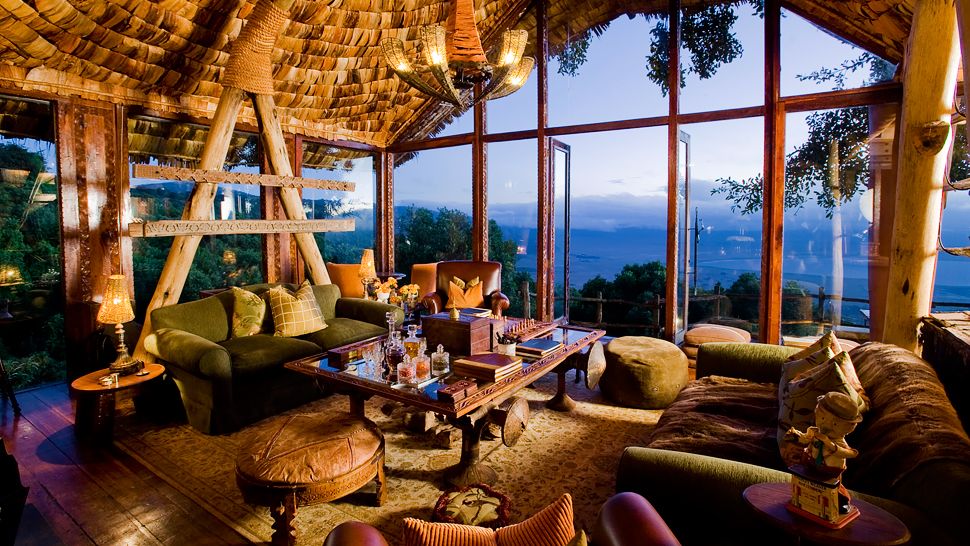
Planning a safari? Learn about safari clothing and gear budget. Get expert advice and insights from Safari Intelligence to plan your perfect trip.
What to Wear on Safari
When packing for a safari, it is best to choose neutral-colored clothing, such as khaki, green, and brown. Avoid bright colors and white, as they can distract the animals. Layering is key, as temperatures can vary significantly throughout the day. A warm fleece or jacket is essential for early morning and evening game drives. Our knowledge center has a detailed packing guide.
Budgeting for Safari Clothing
You do not need to spend a fortune on a new wardrobe for your safari. You may already have suitable items in your closet. If you do need to buy some new clothes, look for lightweight, breathable fabrics. A good sun hat, comfortable walking shoes, and a swimsuit are also recommended. You can budget around $100-$300 for any new clothing you might need. Our safari operators can provide a packing list.
Still researching? Let us help.
Our advisory team has planned safaris across 9 African countries. We can turn your research into a real plan.
Talk to an AdvisorEssential Gear to Budget For
In addition to clothing, you will need to budget for some essential gear. This includes a good pair of binoculars, a camera, and any necessary accessories. You will also need to purchase sunscreen, insect repellent, and any personal medications. For a comprehensive list of what to pack and a budget worksheet, use our cost calculator.
A Detailed Look at Your Safari Clothing Budget
While a broad estimate of $100-$300 for clothing is a good starting point, a more detailed breakdown can help you refine your budget based on your needs and preferences. The cost of your safari wardrobe will depend on whether you are starting from scratch or can use existing items, and whether you prefer high-performance technical fabrics or more budget-friendly options.
Here’s a sample breakdown of potential costs for key clothing items:
| Clothing Item | Budget-Friendly (per item) | Mid-Range (per item) | Premium/Technical (per item) | | :--- | :--- | :--- | :--- | | Long-Sleeved Shirts (x3) | $20 - $40 | $50 - $80 | $90 - $130 | | Convertible Safari Pants (x2) | $30 - $50 | $60 - $100 | $110 - $180 | | Fleece or Mid-Layer Jacket | $40 - $60 | $70 - $120 | $130 - $250 | | Waterproof Rain Jacket | $50 - $80 | $90 - $150 | $160 - $400 | | Broken-in Walking Shoes | $60 - $100 | $110 - $170 | $180 - $300 | | Casual Evening Attire | $30 - $70 | $80 - $150 | $160+ |
> Traveler's Tip: You don't need to buy everything new. Check your existing wardrobe for items in neutral colors (khaki, olive, brown, beige). A few key purchases, like a good pair of convertible pants and a moisture-wicking shirt, can make a significant difference in your comfort.
Budgeting for Optics: Binoculars and Cameras
For many travelers, a safari is a once-in-a-lifetime experience, and capturing the moments is a high priority. Your budget for binoculars and camera gear can range from a few hundred to several thousand dollars. Our safari operators can offer personalized recommendations based on your interests.
Binocular Costs
A good pair of binoculars is non-negotiable for a quality safari experience. They bring distant animals into sharp focus and allow you to appreciate subtle details you would otherwise miss.
- Entry-Level ($100 - $250): Brands like Nikon, Celestron, and Bushnell offer excellent entry-level binoculars. Look for 8x42 or 10x42 specifications, which offer a great balance of magnification and field of view.
- Mid-Range ($300 - $700): This range includes higher-quality optics from brands like Vortex, and Zeiss's Terra ED line. You'll notice better low-light performance and image clarity.
- Premium ($800 - $2,500+): Top-tier brands like Swarovski, Leica, and high-end Zeiss models offer unparalleled brightness, clarity, and durability. For avid birders or wildlife enthusiasts, this is a worthy investment.
Camera Gear Budget
Your camera budget will depend on your photography goals. While a modern smartphone can take surprisingly good photos, a dedicated camera with a zoom lens is essential for high-quality wildlife shots.
- Point-and-Shoot with Superzoom ($400 - $800): A great all-in-one solution. Models from Panasonic (Lumix) and Sony (Cyber-shot) offer powerful zoom lenses in a compact body.
- Mirrorless or DSLR with Kit Lenses ($700 - $1,500): An entry-level interchangeable lens camera provides more creative control. The kit lenses are a good starting point, but you may want to rent or buy a dedicated telephoto lens (300mm or more) for better reach.
- Advanced Hobbyist/Professional ($2,000 - $7,000+): This budget allows for a full-frame camera body and high-quality telephoto zoom lenses (e.g., 100-400mm or 200-600mm). This is for serious photographers who want professional-level results.
> Expert Insight: Consider renting a high-powered telephoto lens for your trip. It allows you to use professional-grade equipment for a fraction of the purchase price. It's a fantastic way to get incredible shots without a massive upfront investment.
Done Reading? Let's Build Your Safari.
Skip the guesswork. Work with an advisor who has been on the ground across East and Southern Africa.
Plan With UsLuggage and Packing Accessories
Your luggage is a critical piece of gear, especially with the strict weight and size limits on small bush planes used to travel between destinations. Most internal flights require soft-sided duffel bags without wheels or a rigid frame, with a weight limit of 15-20 kg (33-44 lbs) per person, including camera gear and carry-ons.
- Safari Duffel Bag ($80 - $250): Invest in a durable, water-resistant duffel bag. Brands like The North Face, Patagonia, and Filson are popular choices.
- Packing Cubes ($20 - $50): These are essential for organizing your duffel and compressing clothing to save space.
- Dry Bag ($15 - $40): A small dry bag is invaluable for protecting your camera, phone, and passport from dust and unexpected rain during game drives.
Miscellaneous and Personal Items Budget
Finally, don't forget to budget for smaller but equally important items. These can add up, so it's wise to account for them in your cost calculator.
- Medical & First-Aid ($50 - $150): This includes prescription medications, a personal first-aid kit with basics like pain relievers and antiseptic wipes, high-SPF sunscreen (30-50+), and effective insect repellent containing DEET or Picaridin.
- Power & Electronics ($40 - $100): A universal travel adapter and a portable power bank are essential for keeping your devices charged in lodges where power may be limited to certain hours.
- Headlamp or Flashlight ($20 - $50): Crucial for navigating your tent or lodge after dark.
By planning your clothing and gear budget with this level of detail, you can ensure you are well-prepared for an incredible adventure. For a complete packing list and to start building your custom safari itinerary, plan your safari with one of our expert advisors.
Need Expert Safari Guidance?
Get expert advisory support from a firm founded by a former safari guide — with real operational knowledge across 9 African countries and full-journey accountability.
Related Planning Guides
Recommended Reading
 Safari Cost Guides
How to Budget for a 5-Day Safari
Planning a safari? Learn about how to budget for a 5-day safari. Get expert advice and insights from Safari Intelligence to plan your perfect trip.
 Safari Cost Guides
How to Budget for a 7-Day Safari
Planning a safari? Learn about how to budget for a 7-day safari. Get expert advice and insights from Safari Intelligence to plan your perfect trip.
 Safari Cost Guides
How to Budget for a 10-Day Safari
Planning a safari? Learn about how to budget for a 10-day safari. Get expert advice and insights from Safari Intelligence to plan your perfect trip.
 Safari Costs
Budget Safari vs Luxury Safari Costs
Discover the key cost differences between budget and luxury safaris, from accommodation and guiding to game drives and locations, to choose the right trip for you.
 Safari Planning Guides
Safari Planning Guide for Budget Travelers
Discover how to plan your dream safari with our expert guide on Safari Planning Guide for Budget Travelers. Get tips on destinations, costs, and more.
 Safari Comparison Articles
Budget Safari vs Mid-Range Safari
An in-depth comparison of Budget Safari vs Mid-Range Safari to help you choose the perfect safari experience. Explore the pros, cons, and key differences to mak