
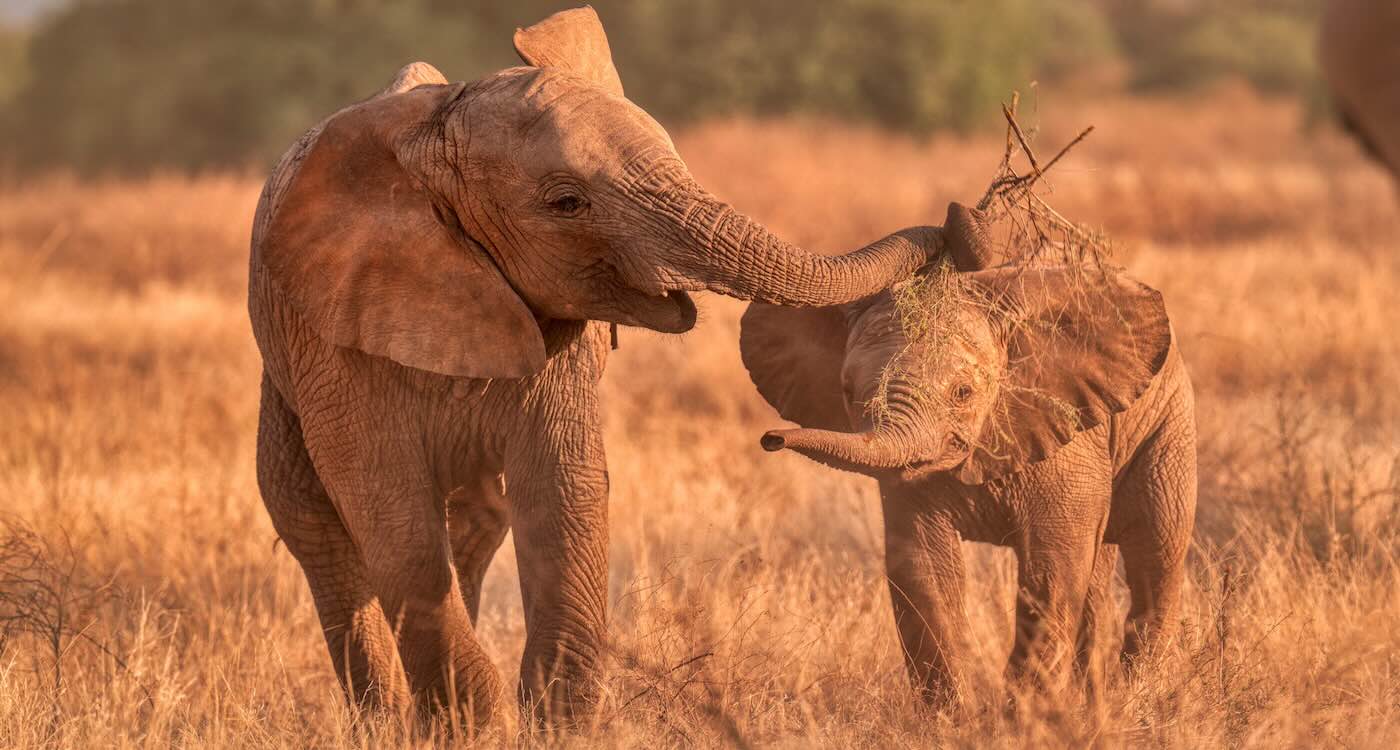
Arriving at a safari lodge is an exciting moment. Our guide to check-in and check-out procedures will help you start and end your stay on a smooth note.
About Safari Check-In and Check-Out Procedures
This in-depth guide explores safari check-in and check-out procedures, providing essential information for anyone planning an African safari. Understanding this topic thoroughly will help you make informed decisions and have a more rewarding safari experience. Africa's safari industry continues to evolve, and staying informed about the latest developments ensures you get the best possible experience.
Why This Matters for Your Safari
Safari Check-In and Check-Out Procedures is an important consideration for safari travelers. Whether you're a first-time visitor or a returning enthusiast, understanding the nuances of this topic can significantly impact your trip. From choosing the right destinations to selecting appropriate operators, every decision builds on foundational knowledge. Our safari operators can provide personalized guidance based on your specific needs.
Still researching? Let us help.
Our advisory team has planned safaris across 9 African countries. We can turn your research into a real plan.
Talk to an AdvisorKey Insights and Recommendations
Based on extensive industry experience and traveler feedback, several key insights emerge. First, research is your best investment, as the more you know before booking, the better your experience will be. Second, flexibility in timing and destinations often leads to better value and fewer crowds. Third, working with experienced professionals, whether guides, operators, or advisors, consistently produces superior outcomes. Explore our knowledge center for more detailed articles on related topics.
Practical Applications
Putting this knowledge into practice starts with your planning process. Begin by identifying your priorities, whether that's specific wildlife encounters, landscape preferences, or cultural experiences. Then use resources like our destination guides, cost calculator, and operator directory to build an itinerary that aligns with your goals. Don't rush the planning process, as a well-planned safari is almost always more rewarding than a hastily arranged one.
Further Reading
To deepen your understanding, explore related articles in our knowledge center. Each guide is written by safari industry professionals with firsthand experience across Africa's top destinations. For personalized advice, our safari planning guidey team is available to answer your questions and help refine your plans.
Done Reading? Let's Build Your Safari.
Skip the guesswork. Work with an advisor who has been on the ground across East and Southern Africa.
Plan With UsThe Anatomy of a Safari Lodge Check-In
Your arrival at a safari lodge marks the official beginning of your immersive bush experience. While every camp has its unique charm, the check-in process follows a well-established pattern designed for comfort, safety, and efficiency. Understanding this flow ensures you can settle in smoothly and start your adventure without a hitch.
Upon arrival, whether by safari vehicle or a light aircraft transfer, you will be warmly greeted by the camp’s management team or your assigned host. Expect a refreshing welcome drink—perhaps a cool, fruit-infused iced tea or fresh juice—and a chilled towel to wipe away the dust from your journey. This is not just a pleasantry; it’s a moment to decompress and transition from travel mode to safari time.
Next, you will be escorted to the main lounge or reception area. Here, the camp manager will provide a comprehensive orientation. This briefing is crucial and typically covers:
- Camp Layout: A map or overview of the property, pointing out the dining area, lounge, bar, swimming pool, and your accommodation.
- Meal Times: The schedule for breakfast, lunch, and dinner, which often revolves around game drive timings.
- Activity Schedule: Confirmation of your game drive times, meeting points, and your assigned guide.
- Safety Protocols: Essential rules for living alongside wildlife, such as not walking unaccompanied after dark and how to use the provided radio or whistle for emergencies.
> Expert Insight: Pay close attention during the safety briefing. These guidelines are born from decades of experience in managing the interface between humans and wild animals. Understanding the rules is fundamental to a safe and enjoyable stay.
Finally, you will complete the necessary registration paperwork. This usually involves filling out a guest information card and providing your passport for verification. Having your travel documents and booking confirmation handy will expedite this process. Your luggage will be taken directly to your room by the camp staff, allowing you to relax and absorb the initial briefing without encumbrance.
In-Room Briefing and Settling In
After the main orientation, a staff member will escort you to your tent or room, providing a more detailed, in-room briefing. This is your opportunity to ask specific questions about your accommodation. The staff will demonstrate how to operate key features of your room, which may include:
- Lighting and Power: Many safari lodges, especially those in remote areas, run on generators or solar power. You will be informed about the hours of electricity availability and where to charge your devices. Power is often available in the central lounge area 24/7, even if it's limited in the rooms overnight.
- Bathroom Facilities: An explanation of the plumbing, including how to use the shower (which may have a solar-heated water system) and any water conservation policies.
- Safety Features: A demonstration of the in-room radio system for contacting management, the location of the emergency air horn or whistle, and how to properly secure your tent or room zippers and locks.
- Amenities: Information on the provided amenities, such as insect repellent, filtered drinking water, and laundry services.
Take a few moments to unpack and organize your belongings. Designate a charging station for your electronics and lay out your safari clothes for your first game drive. This helps create a sense of order and ensures you are ready for the adventures ahead. For more tips on what to bring, our guide on packing for a safari offers a comprehensive checklist.
The Art of a Seamless Safari Check-Out
Just as with check-in, the check-out process at a safari lodge is a structured affair designed to ensure a smooth and timely departure. On the evening before you leave, the camp manager will typically discuss your departure schedule with you, confirming your transfer times and any onward travel arrangements.
Your final morning will proceed as usual, often with a morning game drive followed by breakfast. After your meal, you will be expected to settle any outstanding bills. Your folio will include charges for any extras not covered in your pre-paid package, such as:
- Premium wines, spirits, and cocktails
- Spa treatments or optional extra activities
- Souvenirs purchased from the gift shop
- Staff gratuities, if you choose to add them to your bill
> Traveler's Tip: It is wise to keep a running tab of your expenses throughout your stay to avoid any surprises at check-out. Most lodges accept major credit cards, but it is always a good idea to have some cash (USD is widely accepted) on hand, especially for tips.
Speaking of gratuities, check-out is the appropriate time to handle tipping. Many lodges have a communal staff tip box at reception, where you can leave a contribution that will be distributed among the entire team (excluding guides). Your personal guide and tracker are usually tipped separately. For detailed guidance on this topic, consult our safari tipping guide.
Once your bill is settled, the staff will collect your luggage from your room and load it onto your transfer vehicle. There is usually time for a final farewell and a last-minute photo with the team that made your stay memorable. Ensure you have all your personal belongings, including passports, phones, and chargers, before you depart. A final check of your room's safe is always a good practice.
By understanding these procedures, you can navigate your arrival and departure with ease, allowing you to focus on what truly matters: the incredible wildlife and landscapes of Africa. For personalized help in selecting the right lodges for your trip, our safari operators are ready to assist.
Need Expert Safari Guidance?
Get expert advisory support from a firm founded by a former safari guide — with real operational knowledge across 9 African countries and full-journey accountability.
Related Planning Guides
Recommended Reading
 Safari Operator Articles
How to Check Safari Operator Insurance
A guide to understanding and verifying the insurance coverage of a safari operator to ensure you are protected in case of an emergency.
 Travel Logistics
Safari Border Crossing Procedures
Learn about safari border crossing procedures and how it can impact your safari experience. Get expert advice and start planning your dream safari today.
 Travel Logistics
Safari Emergency Evacuation Procedures
Your safety is the top priority on safari. Our guide to emergency evacuation procedures will give you peace of mind in the unlikely event of an emergency.
 Travel Logistics
Safari Allergic Reaction Procedures
An allergic reaction can be scary, especially on safari. Our guide to allergic reaction procedures will help you know what to do in an emergency.
 Safari Safety
Emergency Procedures on Safari
Learn about safari emergency procedures, from medical situations to vehicle breakdowns, and see how expert guides and operators keep you safe in the African bush.
 Safari Planning Guides
How to Choose Between a Lodge Safari and Camping Safari
Discover how to plan your dream safari with our expert guide on How to Choose Between a Lodge Safari and Camping Safari. Get tips on destinations, costs, and more.