
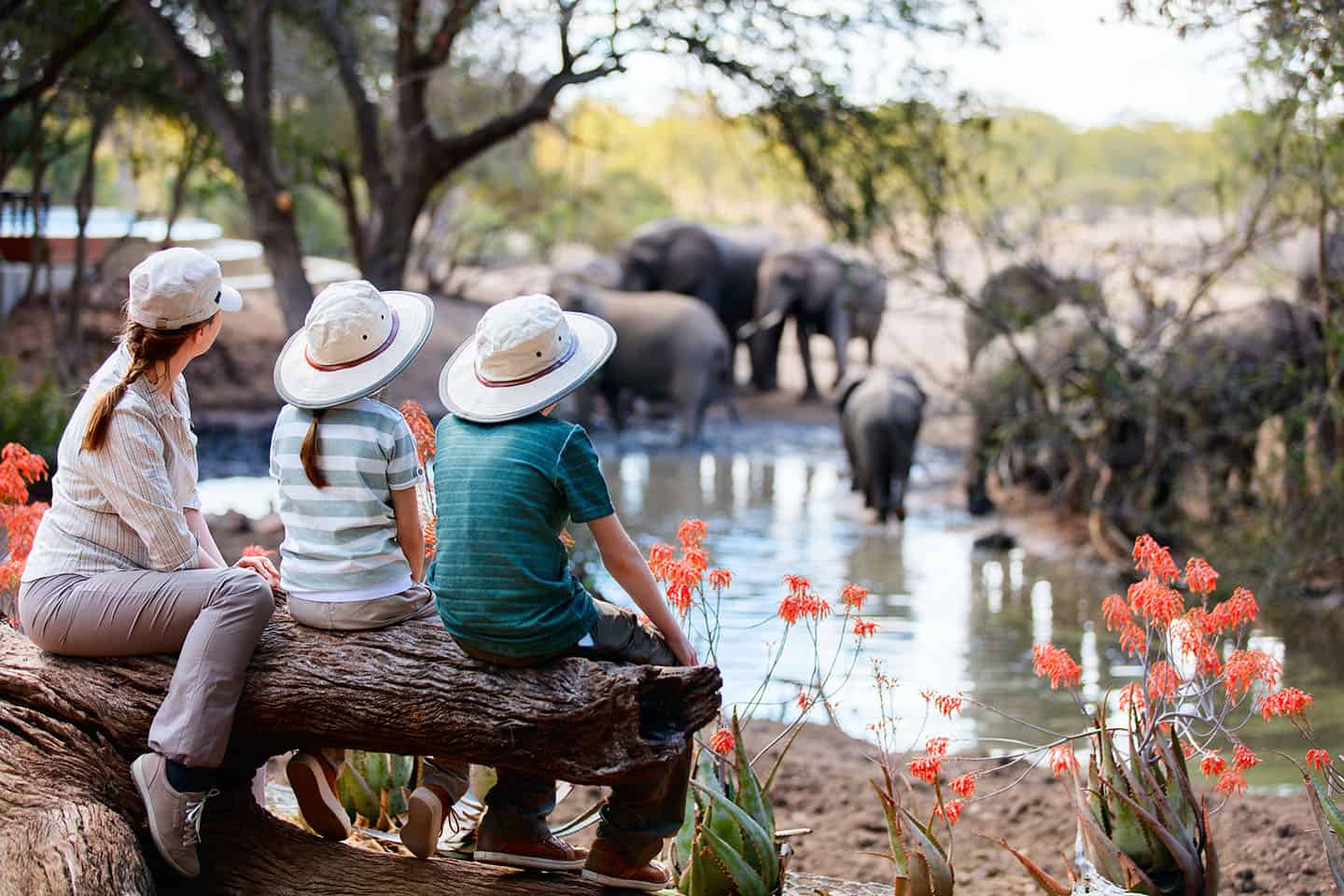
Learn about safari emergency procedures, from medical situations to vehicle breakdowns, and see how expert guides and operators keep you safe in the African bush.
''' While an African safari is one of the most exciting and memorable travel experiences you can have, it's also an adventure into remote and wild environments. The vast, unfenced landscapes of the Serengeti, the dense jungles of Bwindi Impenetrable Forest, and the waterways of the Okavango Delta are what make a safari so special, but they also require a unique approach to safety. While emergencies are rare, reputable safari operators have well-established procedures to handle unexpected situations. Understanding these protocols can give you peace of mind and help you respond appropriately if an issue arises, allowing you to focus on the incredible wildlife and scenery around you.
The Role of Your Safari Guide: Your First Line of Defense
Your safari guide is more than just a wildlife spotter and driver; they are your primary safety officer in the bush. Their training and experience are critical to preventing and managing emergencies. A professional guide is the single most important safety feature of any safari, and their expertise is what transforms a good trip into a great and safe one.
Your Guide's Training and Expertise
Professional safari guides in top destinations like Kenya, Tanzania, Botswana, and South Africa undergo rigorous training and certification. This education covers not only wildlife behavior, ecology, and local culture but also extensive safety and emergency protocols. Most certified guides are trained in advanced first aid, often to a wilderness first responder standard. They know how to handle common medical issues, from treating cuts and insect bites to stabilizing a more serious injury until further help arrives. Furthermore, they are skilled mechanics, capable of diagnosing and fixing most common vehicle issues right there in the bush, ensuring a minor breakdown doesn't become a major incident.
Communication is Key: Following Instructions
In any emergency, your guide is the leader. Their instructions are based on years of experience and a deep understanding of the environment. It is crucial to listen to them without question. If they tell you to stay in the vehicle, it is for a good reason. If they give you instructions during a wildlife encounter, following them precisely is the best way to ensure your safety. They are constantly assessing the situation, reading animal behavior, and making decisions to protect you. Trusting their judgment is a fundamental part of safari safety.
Medical Emergencies and First Aid
Health and medical preparedness are key components of any safari plan. While serious medical emergencies are uncommon, knowing what to expect and how to prepare can make all the difference. From minor ailments to more significant issues, your safari operator and guide are equipped to be the first responders.
Common Health Issues on Safari
Most health issues on safari are minor. These can include dehydration, sunburn, insect bites, and stomach upsets from unfamiliar food or water. Your guide will have a first-aid kit to handle these common problems. However, it is always wise to bring your own small medical kit with personal medications, pain relievers, antihistamines, and any other items you regularly use. Before your trip, consult your doctor about necessary vaccinations and anti-malarial medication, particularly for destinations like Uganda and the coastal regions of Kenya and Tanzania.
What to Expect from Your Lodge and Operator
Every reputable safari lodge and operator has a clear emergency action plan. Lodges are typically equipped with more comprehensive medical kits and have staff trained in first aid. They are also in constant communication with their ground teams and local medical services. In the event of a more serious issue, your guide will immediately contact the lodge or head office via a two-way radio or satellite phone. From there, a clear chain of command is initiated to determine the best course of action, whether it involves a doctor visiting the camp or arranging for a medical evacuation.
The Importance of Travel Insurance and Medical Evacuation
Comprehensive travel insurance is non-negotiable for an African safari. Your policy must include coverage for medical emergencies and, most importantly, emergency medical evacuation. Services like the AMREF Flying Doctors in East Africa provide a critical lifeline, offering air ambulance services from remote bush airstrips to well-equipped hospitals in cities like Nairobi. When booking your safari, your operator will likely require proof of this insurance. It's a small price to pay for the assurance that you can be quickly and safely transported to a high-quality medical facility if needed.
Still researching? Let us help.
Our advisory team has planned safaris across 9 African countries. We can turn your research into a real plan.
Talk to an AdvisorVehicle Breakdowns and Delays
A common concern for travelers is the possibility of a vehicle breakdown in the middle of a national park, miles from the nearest lodge. While this can happen, it is rarely the dramatic, dangerous event people imagine. Safari operators have standardized procedures to handle these situations efficiently and safely.
How Safari Vehicles are Maintained
Safari vehicles, typically customized Toyota Land Cruisers or Land Rovers, are the workhorses of the industry. They are built to withstand rough terrain, but they still require constant maintenance. Reputable operators run their own workshops and employ teams of mechanics to service their fleet regularly. Before every safari, vehicles undergo a thorough inspection to check tires, engine performance, and safety equipment. This proactive approach minimizes the chances of a breakdown in the first place.
Standard Procedures for a Breakdown
If a breakdown does occur, your guide is trained to handle it. They will first attempt to diagnose and fix the problem themselves, as they can often resolve common mechanical issues. All guides have a direct line of communication with their base camp and the head office. If the vehicle cannot be repaired quickly, they will radio for a rescue vehicle to be dispatched immediately. Depending on your location in a park like the Serengeti or Maasai Mara, a backup vehicle can often reach you within an hour or two.
What to Do While You Wait
Your guide's primary concern during a breakdown is your safety. They will instruct you to stay inside the vehicle, which is the safest place to be. While you wait, this can be an unexpected opportunity for a unique safari experience. You might enjoy a quiet moment to observe the landscape, watch birds, or even spot wildlife that wanders by. Your guide will have emergency snacks and water on hand, ensuring you remain comfortable until the rescue vehicle arrives.
Wildlife Encounters and Safety
Observing Africa's magnificent wildlife up close is the heart of the safari experience. However, it's essential to remember that these are wild animals. Respecting their space and following established safety rules are crucial for ensuring that every encounter remains a positive one.
Understanding Animal Behavior
Your guide is an expert in animal behavior. They can read the subtle cues that indicate if an animal is stressed, agitated, or relaxed. They know when it is safe to approach and how close is too close. For example, they will never drive between a mother elephant and her calf or position the vehicle in a way that blocks an animal's path. By respecting these boundaries, guides ensure that wildlife sees the vehicle as a neutral part of the environment, allowing for incredible, close-up viewing without causing distress.
In Camp: Unfenced Lodges and Safety Rules
Many safari camps, particularly in prime wildlife areas like Botswana's Okavango Delta or Zambia's South Luangwa National Park, are unfenced to allow animals to move freely. This creates a wonderfully immersive experience, but it also requires strict adherence to safety rules. You will be instructed not to walk around the camp alone at night. Instead, a staff member or "askari" (guard) will escort you to and from your tent. This simple rule is one of the most important for ensuring your safety in a wild environment.
Communication and Getting Help
In the remote corners of Africa, you cannot rely on your cell phone. Safari operators use sophisticated communication systems to ensure they can always get help when needed. These systems are the backbone of their emergency response procedures.
Satellite Phones and Radio Systems
Every safari vehicle and lodge is equipped with a two-way, high-frequency radio system that allows for constant communication with the head office and other guides in the area. This network ensures that a guide can report an issue and coordinate a response instantly. For added redundancy, most guides and camp managers also carry satellite phones, which work anywhere on the planet and are not dependent on local infrastructure. This guarantees that, no matter how remote your location, a line of communication is always open.
In conclusion, while the idea of an emergency on safari can be daunting, the reality is that you are in incredibly capable hands. Reputable safari operators have built their businesses around safety, with highly trained guides, well-maintained equipment, and robust communication systems. By choosing a professional operator, investing in comprehensive travel insurance, and following the guidance of your expert guide, you can relax and immerse yourself in the magic of the African bush, confident that you are well-prepared for any eventuality. '''
Need Expert Safari Guidance?
Get expert advisory support from a firm founded by a former safari guide — with real operational knowledge across 9 African countries and full-journey accountability.
Related Planning Guides
Explore Related Topics
Recommended Reading
 Travel Logistics
Safari Emergency Evacuation Procedures
Your safety is the top priority on safari. Our guide to emergency evacuation procedures will give you peace of mind in the unlikely event of an emergency.
 Travel Logistics
Safari Dental Emergency Procedures
Learn about safari dental emergency procedures in this comprehensive safari guide.
 Travel Logistics
Safari Weather Emergency Procedures
A comprehensive guide to Safari Weather Emergency Procedures. Learn everything you need to know for your safari adventure.
 Packing & Preparation
Safari Emergency Contact Preparation
Learn all about Safari Emergency Contact Preparation in this comprehensive guide.
 Safari Advisor Content
The Role of a Safari Advisor in Emergency and Safety Planning
Discover the crucial role a safari advisor plays in your safety. Learn how they handle travel insurance, medical evacuations, and on-the-ground emergencies for a secure African safari.
 Safari Planning
Step-by-Step Guide to Planning an African Safari
Learn how to plan your first African safari with our step-by-step guide. We cover everything from choosing a destination to booking your trip and packing.