
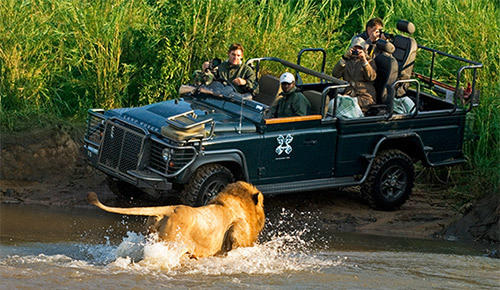
Learn about safari operator crisis management protocols and how it can impact your safari experience. Get expert advice and start planning your dream safari today.
Safari Operator Crisis Management Protocols
This is the content for the article: Safari Operator Crisis Management Protocols.
This article is in the category: Safari Operator Articles.
Here are some internal links:
Understanding the Unseen Safety Net: Crisis Management on Safari
A safari in Africa is an adventure of a lifetime, offering unparalleled access to wild landscapes and majestic animals. While the vast majority of trips are executed flawlessly, the remote and untamed nature of safari destinations means that unforeseen events can occur. This is where a safari operator's crisis management protocol becomes the most critical piece of equipment on your trip. It's an unseen safety net, meticulously planned and ready to be deployed at a moment's notice.
A world-class operator invests heavily in preparing for the unexpected. Their protocols are not just vague promises; they are detailed, drilled, and regularly updated procedures designed to handle everything from a minor vehicle issue to a serious medical emergency. Understanding what these protocols entail is a key part of vetting a potential operator and ensuring your peace of mind. For more information on vetting operators, visit our knowledge center.
Still researching? Let us help.
Our advisory team has planned safaris across 9 African countries. We can turn your research into a real plan.
Talk to an AdvisorCore Components of a Robust Crisis Management Plan
When you choose a safari partner, you are placing immense trust in their ability to manage risk. A professional operator’s crisis plan is a multi-faceted system. At Safari Intelligence, we believe transparency is paramount, and a quality operator should be willing to discuss these key areas.
1. Advanced Medical and First Aid Capabilities
The most immediate concern in any remote location is health and safety. Guides and camp staff in top-tier operations are often certified in advanced wilderness first aid, going far beyond basic training.
- Guide Training: Look for operators whose guides have certifications like Wilderness First Responder (WFR) or equivalent. This training is specifically designed for providing medical care in remote settings where definitive medical help may be hours or even days away.
- Medical Kits: Safari vehicles and lodges should be equipped with comprehensive trauma and medical kits. These kits contain more than just bandages; they include diagnostic tools, splinting materials, and medications for common ailments.
- Evacuation Procedures: Every reputable operator has a clear protocol for medical evacuations. This includes a partnership with a service like the AMREF Flying Doctors, which provides air ambulance services from remote bush airstrips to well-equipped hospitals in cities like Nairobi.
> Expert Insight: The AMREF Flying Doctors service is the gold standard for emergency medical evacuation in East Africa. Membership is often included by high-end operators or can be purchased with your travel insurance. It is a non-negotiable safety layer for any safari to a remote destination.
2. Communication: The Lifeline to Safety
In the vast wilderness areas where safaris take place, cell service is often non-existent. Reliable communication is not a luxury; it is a necessity.
- Satellite Phones: Every safari vehicle and camp should have a functional satellite phone. This is the primary tool for contacting the head office, medical services, or park authorities in an emergency.
- VHF/HF Radios: A radio network provides constant communication between vehicles, and between vehicles and the lodge or base camp. This is crucial for coordinating assistance for a vehicle breakdown or reporting a wildlife sighting that requires caution.
3. Vehicle and Equipment Redundancy
A vehicle breakdown can quickly turn from an inconvenience into a serious issue if not managed correctly. Professional operators mitigate this risk through meticulous maintenance and redundancy.
- Fleet Maintenance: Vehicles are serviced rigorously after every safari. This includes checking tires, suspension, engine, and all safety equipment.
- Onboard Equipment: Guides are trained mechanics capable of handling many common field repairs. Vehicles are equipped with high-lift jacks, spare tires, and a comprehensive tool kit.
- Backup Plans: If a vehicle is disabled, the protocol includes dispatching a rescue vehicle from a nearby lodge or town. The radio network is essential for coordinating this response swiftly.
> Traveler's Tip: When speaking with a potential operator, ask about the age and maintenance schedule of their vehicle fleet. A well-maintained vehicle is your first line of defense against getting stranded. Our safari operators can help you ask the right questions.
Common Scenarios and How Protocols Are Applied
Let's explore how these protocols work in practice across different scenarios.
Scenario 1: A Medical Event in a Remote Park
Imagine a guest experiences severe chest pains while on a game drive deep in the Serengeti. The guide immediately assesses the situation using their first-aid training. They use the satellite phone to contact the head office and the AMREF Flying Doctors, providing critical details about the patient's condition and their precise GPS location.
While waiting for the air ambulance, the guide administers oxygen and makes the guest comfortable. The head office coordinates with the national park authorities to clear the nearest airstrip. Within a few hours, the guest is airlifted to a cardiac-ready hospital in Nairobi. This seamless, rapid response is the hallmark of an effective crisis management plan.
Scenario 2: Security and Environmental Incidents
Crises are not always medical. They can involve unexpected security situations or natural events like flash floods or bushfires.
- Security: Operators maintain networks of local contacts to stay informed about any regional instability. Guides are trained in de-escalation and avoidance. The primary rule is always to remove guests from any potentially volatile situation.
- Natural Events: In the event of a fire or flood that threatens a camp or blocks a route, the communication network is used to redirect safari activities or, in extreme cases, evacuate a lodge. The operator's deep local knowledge of the terrain and alternative routes is invaluable.
How to Vet an Operator's Crisis Management Plan
Before you plan your safari, you have the right to ask detailed questions about safety. A transparent operator will welcome this conversation.
- Ask for their Protocol: Request a document or a detailed conversation outlining their safety and crisis management procedures.
- Inquire About Guide Training: What specific medical and mechanical certifications do their guides hold? How often is this training refreshed?
- Confirm Communication Equipment: Verify that all vehicles are equipped with both satellite phones and a radio network.
- Discuss Evacuation Membership: Do they include a subscription to a service like AMREF Flying Doctors? If not, they should strongly recommend you purchase it.
- Check Insurance and Liability: Ensure the operator carries comprehensive liability insurance.
Ultimately, a safari operator's approach to crisis management is a powerful indicator of their overall professionalism and commitment to guest welfare. By choosing an operator who invests in robust safety protocols, you are free to immerse yourself in the magic of the African bush, confident that you are in the safest possible hands.
Need Expert Safari Guidance?
Get expert advisory support from a firm founded by a former safari guide — with real operational knowledge across 9 African countries and full-journey accountability.
Related Planning Guides
Recommended Reading
 Safari Operator Articles
How to Choose a Safari Operator in Tanzania
Learn how to select the best safari operator in Tanzania for your dream trip to the Serengeti, Ngorongoro Crater, and other iconic parks.
 Safari Operator Articles
How to Choose a Safari Operator in Kenya
Discover how to choose the right safari operator in Kenya for an unforgettable experience in the Maasai Mara, Amboseli, and other famous reserves.
 Safari Operator Articles
How to Choose a Safari Operator in Botswana
Find out how to select the best safari operator in Botswana for an exclusive and pristine wildlife experience in the Okavango Delta and Chobe National Park.
 Safari Comparison Articles
Safari With International Operator vs Local Operator
An in-depth comparison of Safari With International Operator vs Local Operator to help you choose the perfect safari experience. Explore the pros, cons, and key
 Safari Planning
How to Choose a Safari Operator
Learn how to choose a reputable African safari operator with our expert guide. We cover vetting companies, questions to ask, and understanding safari costs.
 Safari Planning Guides
How to Verify Safari Operator Credentials
Discover how to plan your dream safari with our expert guide on How to Verify Safari Operator Credentials. Get tips on destinations, costs, and more.