
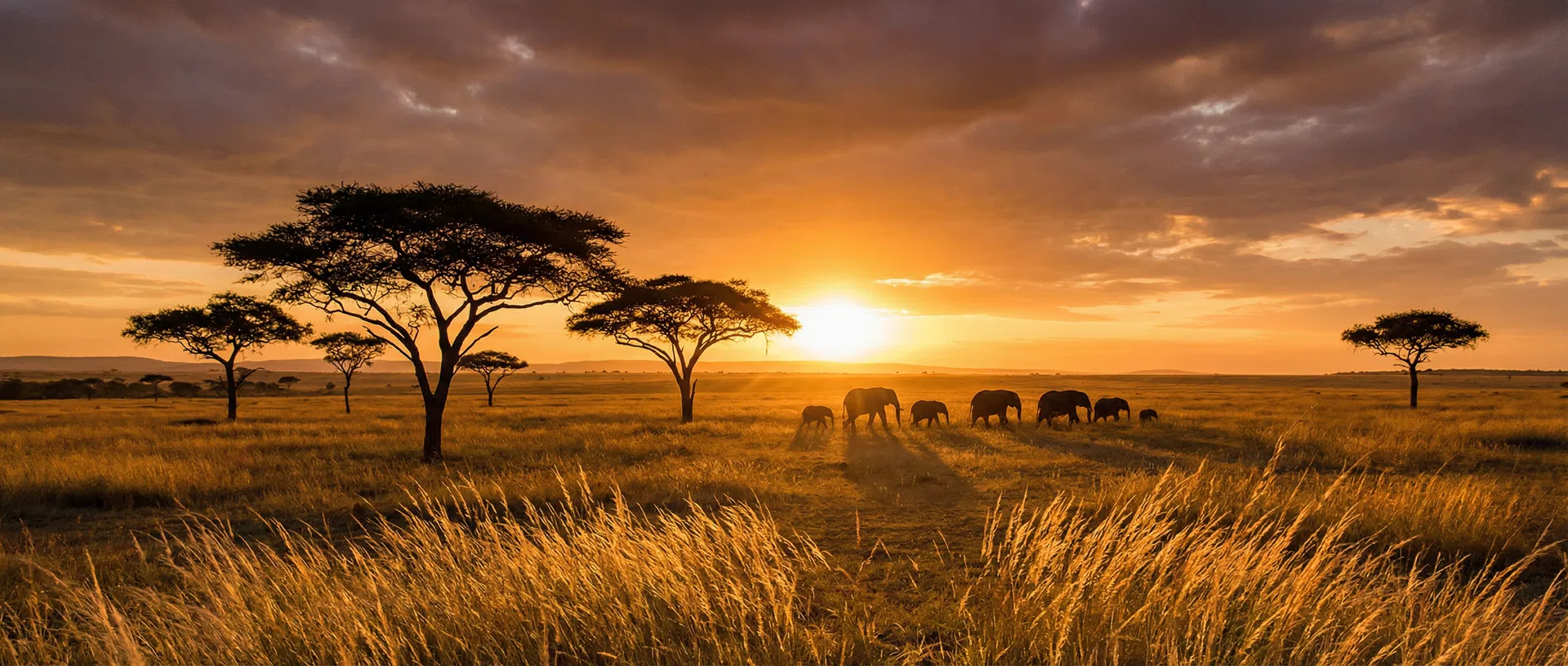
Learn about how to plan a safari for travelers with anxiety in this comprehensive safari guide covering key insights and practical advice.
Overview
Planning a safari involves many moving parts, and how to plan a safari for travelers with anxiety is one of the most important considerations. Whether you're a first-time visitor or a seasoned Africa traveler, this guide provides the practical knowledge you need to make informed decisions and create an unforgettable experience.
What You Need to Know
The nuances of how to plan a safari for travelers with anxiety become apparent when you consider the range of experiences available across Africa's safari destinations. From the iconic Serengeti to the remote wilderness of Zambia's South Luangwa, each location brings its own perspective to this topic. Consulting with experienced safari operators helps you understand which options best match your preferences and expectations.
Still researching? Let us help.
Our advisory team has planned safaris across 9 African countries. We can turn your research into a real plan.
Talk to an AdvisorPractical Considerations
The practical application of how to plan a safari for travelers with anxiety extends beyond the planning phase into the safari itself. Being well-informed allows you to make better decisions in real-time, whether that means choosing the right game drive timing, understanding animal behavior, or knowing when to ask your guide for more information. Preparation and knowledge transform a good safari into an extraordinary one. Start with our planning resources for a structured approach.
Expert Perspective
The safari industry's leading voices agree that how to plan a safari for travelers with anxiety is an area where knowledge truly makes a difference. As conservation challenges evolve and tourism patterns shift, staying informed helps travelers make choices that benefit both their experience and the destinations they visit. Browse our operator directory to connect with companies that share this commitment to informed, responsible travel.
Next Steps
Whether you're in the early stages of dreaming about an African safari or actively finalizing your plans, understanding how to plan a safari for travelers with anxiety contributes to a more rewarding experience. Use the resources available on Safari Intelligence, including our cost calculator, operator directory, and destination library, to build confidence in your planning decisions.
Done Reading? Let's Build Your Safari.
Skip the guesswork. Work with an advisor who has been on the ground across East and Southern Africa.
Plan With UsStructuring Your Safari to Minimize Anxiety
For travelers managing anxiety, the structure of a safari is as important as the destination itself. Opting for a private guided safari offers the most control and flexibility, allowing you to set the pace of your game drives, take breaks when needed, and avoid the social pressures of a group tour. This personalized approach means your guide is dedicated entirely to your comfort and interests. Consider a fly-in safari, which utilizes small aircraft to transfer between parks and lodges. This dramatically reduces time spent on bumpy, unpredictable roads, which can be a significant source of stress. Destinations like Botswana’s Okavango Delta and Kenya’s private conservancies adjacent to the Maasai Mara are exceptionally well-suited for this, offering seamless logistics and exclusive wildlife viewing away from crowds. Staying at smaller, owner-operated lodges or in these private conservancies ensures a more intimate and tranquil environment, with fewer guests and a higher staff-to-guest ratio, leading to more personalized attention.
A Case Study: A Low-Stress Tanzania Itinerary
To illustrate, let’s consider a 10-day itinerary designed for a traveler who expressed concerns about crowds and long travel days. The journey begins with two nights in Arusha at a quiet garden lodge, providing a gentle transition into the safari environment. From there, a short flight takes them to Tarangire National Park, staying at a camp in a less-visited southern section, such as Kuro Tarangire. This area is known for its stunning baobab landscapes and large elephant herds but sees a fraction of the visitors compared to the park's northern gate. Next, instead of a crowded lodge on the Ngorongoro Crater rim, the traveler stays at a property in the nearby Karatu highlands, like Gibbs Farm, allowing for a full-day crater tour that is planned to descend early, ahead of the peak rush. The safari culminates with a flight to a private concession in the northern Serengeti, such as the Lamai Wedge, which offers superb resident wildlife viewing year-round without the congestion associated with the Great Migration river crossings. This thoughtfully paced itinerary, combining strategic locations with low-impact travel, ensures an immersive wildlife experience while prioritizing peace of mind.
Choosing Destinations Known for Exclusivity and Calm
While the Tanzania itinerary mentioned provides an excellent template, other destinations are intrinsically designed to offer a more serene and exclusive experience, which can be a significant advantage for travelers managing anxiety. Botswana, for example, has built its entire tourism model on a high-cost, low-volume strategy. The world-renowned Okavango Delta is a mosaic of private concessions where visitor numbers are strictly limited. A lodge like Sanctuary Baines' Camp, with only six suites, ensures you are far from any crowds. Here, activities are tailored to you, and it's common to go on a game drive without seeing another vehicle. Similarly, the remote wilderness of Zambia’s South Luangwa National Park or the Lower Zambezi National Park offers incredible wildlife viewing in intimate, owner-operated bushcamps. These camps often focus on walking safaris, providing a quiet, ground-level connection to the bush that is both thrilling and deeply calming.
In Kenya, while the main Maasai Mara National Reserve can be busy, the surrounding private conservancies—such as the Mara North Conservancy or Laikipia Wilderness—offer a perfect solution. These areas are leased from local Maasai communities, and only guests of the few small camps within the conservancy are permitted to view wildlife there. This guarantees an exclusive experience with strict limits on vehicle numbers at sightings. You get the same incredible wildlife density as the main reserve but with a fraction of the visitors, plus the added benefits of off-road driving and night drives, which are not allowed in the national reserve.
Key Lodge Features for an Anxiety-Free Safari
Beyond location, the specific attributes of your accommodation play a crucial role in managing anxiety. When working with your safari operators, inquire about lodges that offer the following features:
- Small Scale: Look for properties with fewer than 10 rooms. This naturally leads to a quieter, more intimate atmosphere and more personalized service from the staff, who will quickly learn your preferences.
- Private Spaces: A room with a private veranda, deck, or plunge pool can be a sanctuary. It gives you a personal space to decompress, read, or simply watch wildlife from a distance without the pressure of social interaction.
- Flexible Dining: The communal dinner table is a safari tradition, but it can be a source of social anxiety for some. Inquire about lodges that offer flexible dining options, such as private tables, in-room dining, or a romantic bush dinner for just you and your partner.
- Dedicated Guides: Some high-end lodges or private safari options provide a dedicated guide and vehicle for the duration of your stay. This is the ultimate in flexibility, as you build a rapport with one person who understands your comfort levels and interests, allowing you to tailor each day's activities without compromise.
Proactive Communication: Your Most Powerful Tool
Clearly communicating your needs is fundamental to a successful safari, especially when managing anxiety. Your safari operator and guide are there to ensure you have a wonderful experience, but they are not mind-readers. During the planning process, be open with your safari operators. Explain your concerns, whether they relate to crowds, long drives, fear of certain animals, or the need for downtime. This information allows them to build the right itinerary from the ground up.
Once in Africa, have a brief, informal chat with your guide at the start of your safari. You can say something like, "I'm incredibly excited to be here. Just so you know, I sometimes find constant movement a bit overwhelming. I'd love to focus on quality sightings where we can really spend time observing, rather than rushing to see everything." This sets a collaborative tone and empowers your guide to create the best experience for you. If you feel overwhelmed on a game drive, don't hesitate to speak up. A simple, "Could we please just stop and switch off the engine for a few minutes?" can make all the difference.
Need Expert Safari Guidance?
Get expert advisory support from a firm founded by a former safari guide — with real operational knowledge across 9 African countries and full-journey accountability.
Related Planning Guides
Recommended Reading
 Safari Planning Guides
Safari Planning Guide for First-Time Travelers
Discover how to plan your dream safari with our expert guide on Safari Planning Guide for First-Time Travelers. Get tips on destinations, costs, and more.
 Safari Planning Guides
Safari Planning Guide for Returning Travelers
Discover how to plan your dream safari with our expert guide on Safari Planning Guide for Returning Travelers. Get tips on destinations, costs, and more.
 Safari Planning Guides
Safari Planning Guide for Luxury Travelers
Discover how to plan your dream safari with our expert guide on Safari Planning Guide for Luxury Travelers. Get tips on destinations, costs, and more.
 Safari Intelligence Insights
Safari Planning for Luxury Travelers
Plan the ultimate luxury safari with our expert guide. Discover top destinations, essential planning tips, and what defines a truly exclusive African adventure.
 Safari Travel Tips
Safari Travel Insurance Guide
Our comprehensive safari travel insurance guide explains why it\
 Packing & Preparation
Safari Travel Document Guide
Learn all about Safari Travel Document Guide in this comprehensive guide.