
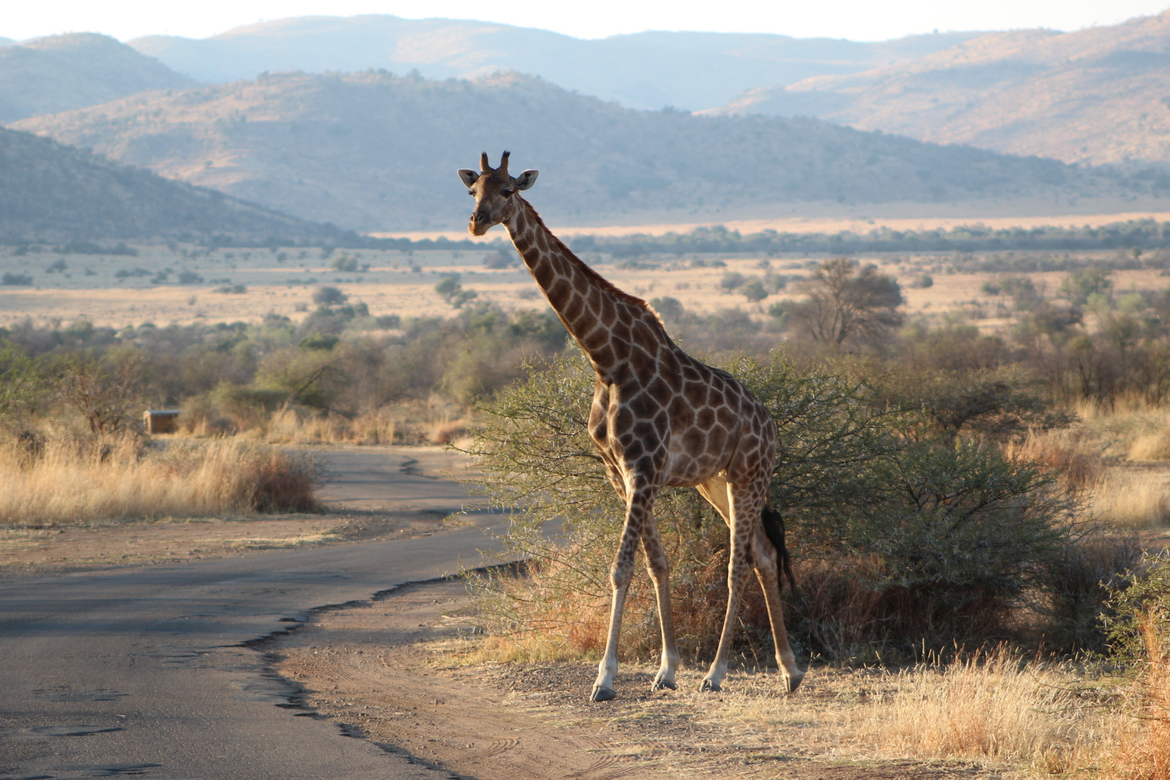
A 4x4 is essential for many safari destinations. Learn about the different types of 4x4s and what to look for when choosing a vehicle for your African adventure.
The Importance of a 4x4 on Safari
For many safari destinations, a 4x4 vehicle is not just a luxury, it's a necessity. The rugged terrain, sandy tracks, and river crossings found in many national parks and remote areas require a vehicle with high clearance and four-wheel drive. A 4x4 will give you the confidence to explore off-the-beaten-path destinations and access the best wildlife viewing areas. Our safari operators can help you determine if a 4x4 is necessary for your chosen itinerary.
Types of 4x4 Vehicles
There are many different types of 4x4 vehicles to choose from, each with its own strengths and weaknesses. Some of the most popular choices for safari include the Toyota Land Cruiser, the Land Rover Defender, and the Ford Ranger. When choosing a 4x4, it's important to consider factors such as reliability, fuel efficiency, and off-road capability. For a detailed comparison of the different 4x4 models, visit our knowledge center.
Still researching? Let us help.
Our advisory team has planned safaris across 9 African countries. We can turn your research into a real plan.
Talk to an AdvisorEssential 4x4 Features for Safari
In addition to four-wheel drive, there are several other features that are essential for a safari 4x4. These include a long-range fuel tank, a dual battery system, and all-terrain tires. A rooftop tent is also a popular option for self-drive safaris, as it provides a convenient and comfortable place to sleep. To learn more about the essential gear for a self-drive safari, visit our destinations page. And to get an idea of the cost of a fully equipped 4x4, use our cost calculator.
Deep Dive: Essential 4x4 Modifications for the Bush
While four-wheel drive is the non-negotiable foundation, a standard 4x4 off the showroom floor is rarely ready for the rigors of a true African safari. The modifications made to these vehicles are not for aesthetics; they are critical for safety, capability, and survival in remote environments. Let's explore the most important upgrades in detail.
The Lifeline: Long-Range Fuel Tanks
In the vast, unfenced wilderness of parks like Tanzania's Selous Game Reserve or Botswana's Central Kalahari Game Reserve, fuel stations are non-existent. A standard fuel tank might offer a range of 500-600 kilometers, but that's on paved roads. Once you venture onto sandy tracks or engage in low-range 4x4 driving to navigate difficult terrain, fuel consumption can increase by 30-50%. A long-range fuel tank, typically carrying 140 to 180 liters, is a lifeline. It allows you to explore remote corners of the parks for days at a time without the constant, pressing anxiety of running out of fuel. This extended range is the difference between a restricted, rushed safari and a deeply immersive wilderness experience.
> Expert Insight: When planning a self-drive safari in a remote area, always calculate your fuel needs conservatively. Factor in your vehicle's estimated consumption in off-road conditions, add the total distance for your planned game drives, and then add a 30% buffer for unexpected detours, getting stuck, or extended wildlife sightings. For guidance on planning complex routes, our safari operators can provide invaluable expertise.
Powering Your Expedition: The Dual Battery System
A modern safari vehicle runs more than just its engine. A crucial piece of equipment is the camp fridge/freezer, which keeps your food fresh and drinks cold. Add to that interior lights, charging ports for cameras and GPS units, and perhaps a winch. Powering these accessories from the vehicle's primary (starter) battery is a recipe for disaster. A dual battery system isolates the engine's battery from the 'house' battery used for accessories. This setup, managed by a smart solenoid or DC-to-DC charger, ensures that you can run your fridge overnight without any risk of draining the starter battery. You'll wake up to a cold drink and, more importantly, a vehicle that starts without fail.
Suspension and Tires: The Unsung Heroes
The single most significant upgrade for comfort and vehicle longevity is the suspension. Factory-installed suspension is designed for city tarmac and occasional gravel. It is not engineered to handle thousands of kilometers of punishing corrugated dirt roads, which can literally shake a standard vehicle to pieces. An aftermarket suspension system from reputable brands like Old Man Emu or Dobinsons includes heavy-duty springs and shock absorbers. This upgrade not only dramatically improves the ride quality but also enhances stability and load-carrying capacity, especially when the vehicle is fully kitted out with gear, water, and fuel.
Paired with the suspension are the tires. While aggressive mud-terrain tires look the part, high-quality All-Terrain (A/T) tires are the superior choice for most safari conditions. They provide an excellent balance of on-road quietness and off-road grip on gravel, rock, and sand. More importantly, they feature tougher sidewalls to resist punctures from sharp rocks and acacia thorns—a common safari hazard.
> Traveler's Tip: Always carry a quality tire pressure gauge and a portable air compressor. Lowering your tire pressure significantly increases the tire's footprint, providing better traction in soft sand and a smoother ride on rough corrugations. Remember to re-inflate them to the recommended pressure before driving at high speed on tarmac.
Open vs. Closed Vehicles: A Matter of Perspective
The debate between open-sided and closed-sided safari vehicles is a classic one, and the right choice depends on your priorities and destination.
Open-sided vehicles, common in Southern Africa (Botswana, Zambia, South Africa), offer an unparalleled, immersive photographic experience. With no windows and often a tiered seating arrangement, they provide unobstructed views and a feeling of being truly connected to the environment. However, they offer less protection from the elements—be it the midday sun, a sudden downpour, or the chill of an early morning game drive.
Closed-sided vehicles, like the ubiquitous Toyota Land Cruisers found in East Africa (Kenya, Tanzania, Uganda), feature large sliding windows and a pop-top roof hatch. While the windows create a slight barrier, the pop-top provides an excellent elevated vantage point for game viewing and photography. These vehicles offer superior protection from dust, rain, and the tsetse flies of woodlands like those in Tarangire National Park. For a comprehensive overview of what to expect in these regions, explore our destinations page.
Done Reading? Let's Build Your Safari.
Skip the guesswork. Work with an advisor who has been on the ground across East and Southern Africa.
Plan With UsRenting a 4x4 vs. a Guided Safari: Key Considerations
Deciding between a self-drive rental and a fully guided safari is a major decision point in your planning process.
A self-drive safari offers the ultimate in freedom and flexibility. You set your own schedule, follow your own interests, and have a profound sense of adventure. However, this path requires significant research, a high degree of self-sufficiency, and confidence in navigating remote areas. The cost of renting a fully equipped 4x4 can range from $150 to over $300 per day, depending on the vehicle, season, and level of equipment. You are also responsible for park fees, fuel, food, and campsite bookings. Our cost calculator can help you build a preliminary budget.
A guided safari, on the other hand, places all the logistical burdens in the hands of experts. Your guide is not just a driver; they are a trained naturalist who can spot camouflaged animals, interpret behavior, and share deep insights into the ecosystem. This option maximizes your game viewing time and educational experience. While it may seem more expensive upfront, it is often more inclusive, covering the vehicle, guide, accommodation, and meals.
Ultimately, the choice is personal. If you crave autonomy and have prior off-road experience, a self-drive adventure can be incredibly rewarding. If you want to maximize wildlife sightings and learn from a professional, a guided safari is the superior option. To discuss which approach best fits your vision, we invite you to plan your safari with one of our expert advisors.
Need Expert Safari Guidance?
Get expert advisory support from a firm founded by a former safari guide — with real operational knowledge across 9 African countries and full-journey accountability.
Related Planning Guides
Recommended Reading
 Travel Logistics
Safari Passport Requirements by Country
Learn about safari passport requirements by country and how it can impact your safari experience. Get expert advice and start planning your dream safari today.
 Safari Costs
Safari Vehicle and Guide Costs
Planning a safari? This guide breaks down safari vehicle and guide costs, covering private vs. shared options, vehicle types, and what to budget for your trip.
 Safari Safety
Safari Vehicle Safety Explained
Learn the essentials of safari vehicle safety, from vehicle design and guide expertise to choosing a safe operator for your African safari adventure.
 Safari Intelligence Insights
Safari Vehicle Safety Standards
Learn about safari vehicle safety standards, from vehicle types and modifications to driver expertise and regulations. Plan a safe and memorable African safari.
 Country Guides
South Africa Safari Entry Requirements and Visas
Your complete guide to South Africa Safari Entry Requirements and Visas. Find the best destinations, planning tips, and more for your next safari adventure.
 Safari Cost Guides
Safari Cost Comparison Private vs Shared Vehicle
Learn about safari cost comparison private vs shared vehicle in this comprehensive safari guide covering key insights and practical advice.