
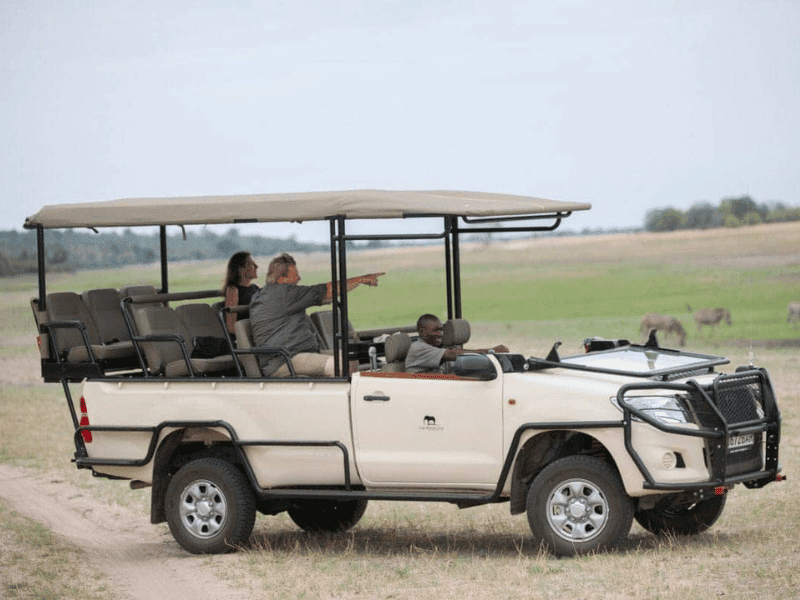
An in-depth comparison of Overland Safari vs Fly-In Safari to help you choose the perfect safari experience. Explore the pros, cons, and key differences to make
Overland Safari vs Fly-In Safari
Every safari destination in Africa has its own character, and overland safari vs fly-in safari varies accordingly. This guide helps you understand the nuances so you can make informed decisions for your specific itinerary.
Safety and Health Considerations
Health preparation is an essential component of overland safari vs fly-in safari. Consult with a travel medicine specialist at least six weeks before your departure to discuss vaccinations, malaria prophylaxis, and other health precautions specific to your destinations.
Travel insurance that specifically covers safari activities is strongly recommended. Standard travel insurance policies may not cover all the activities and situations you might encounter on an African safari. Ensure your policy covers medical evacuation, trip cancellation, and activity-specific risks.
Still researching? Let us help.
Our advisory team has planned safaris across 9 African countries. We can turn your research into a real plan.
Talk to an AdvisorUnderstanding the Fundamentals: Overland Safari vs Fly-In Safari
The foundation of overland safari vs fly-in safari begins with understanding the basic principles. Safari environments across Africa present unique conditions that differ significantly from what most travelers are accustomed to. In East Africa, the vast savannas of Kenya and Tanzania create one set of considerations, while the dense forests of Uganda and Rwanda present entirely different challenges. Southern African destinations like Botswana and South Africa add yet another dimension.
Experienced safari operators emphasize that preparation is the single most important factor in overland safari vs fly-in safari. This means doing your research well in advance, consulting with knowledgeable advisors, and being willing to adapt your plans based on current conditions. The best safari experiences come from travelers who approach their journey with both enthusiasm and informed flexibility.
Common Mistakes to Avoid: Overland Safari vs Fly-In Safari
Underestimating the importance of overland safari vs fly-in safari is perhaps the biggest mistake of all. Travelers who give this aspect of their safari proper attention consistently report more satisfying experiences than those who treat it as an afterthought.
Another common error is relying solely on online reviews without consulting experienced professionals. While traveler reviews provide valuable perspectives, they often lack the context and expertise that a qualified safari planning guide can offer. The best approach combines both sources of information.
Regional Considerations Across Africa: Overland Safari vs Fly-In Safari
Central and West African destinations, including Uganda, Rwanda, and the Congo, offer specialized experiences like gorilla trekking that bring their own set of requirements. These destinations often involve more challenging terrain and different logistical considerations compared to the classic savanna safari.
Southern Africa presents a different landscape for overland safari vs fly-in safari. Countries like Botswana, South Africa, Namibia, and Zimbabwe each have established infrastructure and practices that reflect their unique environments. The Okavango Delta, for instance, requires water-based considerations that land-based safaris in Kruger National Park do not.
East African safaris, particularly in Kenya and Tanzania, have their own distinct approach to overland safari vs fly-in safari. The Serengeti-Mara ecosystem, which hosts the Great Migration, requires specific planning considerations that differ from destinations like Amboseli or Ngorongoro. Understanding these regional differences is crucial for optimizing your experience.
Done Reading? Let's Build Your Safari.
Skip the guesswork. Work with an advisor who has been on the ground across East and Southern Africa.
Plan With UsPractical Planning Steps: Overland Safari vs Fly-In Safari
Step two involves researching your options thoroughly. Compare different destinations, operators, and approaches to overland safari vs fly-in safari. Read reviews from verified travelers, consult with safari operators, and cross-reference information from multiple sources.
Step one in addressing overland safari vs fly-in safari is to clearly define your priorities and expectations. Are you focused on specific wildlife sightings, cultural experiences, photography opportunities, or a combination? Your answer will shape every subsequent decision.
Step three is creating a detailed plan that accounts for all aspects of overland safari vs fly-in safari. This should include timelines, budgets, backup options, and contingency plans. The most successful safari travelers are those who plan thoroughly while remaining flexible enough to adapt to changing conditions.
Case Study: Tanzania’s Northern Circuit
To make the overland versus fly-in decision concrete, let’s compare two itineraries for Tanzania's popular Northern Circuit, which includes Tarangire, the Ngorongoro Crater, and the Serengeti.
An overland safari here typically spans 7-8 days, starting from Arusha in a private 4x4 Land Cruiser. You would drive approximately 2-3 hours to Tarangire National Park for game drives, then another 2 hours to the Ngorongoro Conservation Area. After exploring the crater, the journey continues to the Serengeti, a 3-4 hour drive. This approach allows you to witness the changing landscapes, from the baobab-studded plains of Tarangire to the vast Serengeti grasslands. It offers a true sense of expedition, connecting you to the country and its people. A mid-range overland safari of this nature might cost between $3,500 and $5,000 per person.
A fly-in safari, by contrast, prioritizes time and efficiency. From Arusha, you would take a 1-hour bush flight directly to an airstrip in the Serengeti, such as Seronera. Your guide from a nearby luxury camp, like &Beyond Serengeti Under Canvas or Asilia Dunia Camp, would meet you there. You would spend 3-4 days exploring the Serengeti's prime wildlife areas without long drives between parks. Afterwards, you could fly to another park or back to Arusha. This option is ideal for travelers on a tighter schedule or those seeking access to exclusive, remote camps. However, it comes at a premium, with costs often ranging from $7,000 to $12,000+ per person, and strict luggage limits (typically 15 kg in soft-sided bags) on light aircraft.
Making the Right Choice
Ultimately, the best choice depends on your priorities. If you value the journey, want to see the country up close, and are working with a moderate budget, an overland safari is an excellent choice. If you have limited time, prefer to maximize your stay in premier wildlife zones, and desire a higher level of luxury and exclusivity, a fly-in safari is likely the better fit. Both offer incredible, yet distinct, ways to experience the magic of Africa.
Related Resources
For more information on planning your safari, explore our destination guides, browse the safari operator directory, or connect with an experienced safari planning guide for personalized guidance.
Detailed Comparison: Overland vs. Fly-In Safari
To help you visualize the trade-offs, here is a direct comparison of the two safari styles across key decision-making factors. Understanding these differences is crucial for aligning your travel preferences with the right itinerary.
| Feature | Overland Safari | Fly-In Safari | | :--- | :--- | :--- | | Pace & Itinerary | Slower, more immersive journey. More time is spent traveling between locations, allowing you to witness the changing landscapes and local life. | Faster pace, maximizing time in core wildlife areas. Itineraries are highly efficient, minimizing ground travel time. | | Experience | Offers a ground-level perspective, a strong sense of expedition, and greater opportunities for cultural immersion and spontaneous stops. | Provides stunning aerial views of landscapes like the Okavango Delta, access to exclusive and remote concessions, and a feeling of privacy. | | Cost | Generally more budget-friendly. A mid-range 7-day overland safari often costs between $3,500 and $6,000 per person. | A premium option due to the cost of bush flights and often more luxurious camps. A 7-day fly-in safari typically starts from $7,000 and can exceed $15,000 per person. | | Luggage Allowance | More flexible. Most 4x4 safari vehicles can accommodate standard airline luggage allowances (e.g., up to 23 kg or 50 lbs per person). | Strict limits are enforced for light aircraft safety. Typically 15 kg (33 lbs) per person, packed in a soft-sided duffel bag with no wheels or rigid frames. | | Best For | First-time safari travelers, photographers who want to carry more gear, budget-conscious visitors, and those who value the journey as much as the destination. | Repeat safari travelers, visitors with limited time, honeymooners, and those seeking ultimate luxury, exclusivity, and access to pristine, remote wilderness. | | Classic Destination | Tanzania's Northern Circuit, connecting Tarangire, Ngorongoro Crater, and the Serengeti by road. | Botswana's Okavango Delta, where remote camps are primarily accessible by light aircraft from Maun. |
Case Study: Botswana's Okavango Delta & Linyanti
Botswana is the quintessential fly-in safari destination, designed around high-value, low-impact tourism that preserves its pristine wilderness. An overland approach is often impractical here due to vast distances, seasonal flooding, and a lack of road infrastructure in the Delta's core.
A typical 7-day luxury fly-in safari in Botswana might look like this: You arrive at Maun Airport (MUB), the primary gateway to the Delta. From there, you board a Cessna Caravan for a 30-minute flight to a private concession in the heart of the Okavango. You might spend 3 nights at a water-based camp like Vumbura Plains (approx. $2,500+ pp/night), where activities focus on mokoro (dugout canoe) excursions and motorboat safaris to see sitatunga antelope, crocodiles, and vast birdlife.
Next, you would take another short flight (around 25 minutes) to a land-based camp in the Linyanti Concession, such as DumaTau Camp (approx. $2,000+ pp/night). Here, the focus shifts to classic game drives in search of the region's famous elephant herds, lions, leopards, and endangered African wild dogs. After 3 nights, you would fly from the Linyanti back to Maun or connect to Kasane (BBK) for a visit to Victoria Falls. This seamless itinerary maximizes your time in two distinct, game-rich ecosystems, but the reliance on air travel and exclusive camps dictates a higher price point and strict luggage constraints.
Need Expert Safari Guidance?
Get expert advisory support from a firm founded by a former safari guide — with real operational knowledge across 9 African countries and full-journey accountability.
Related Planning Guides
Recommended Reading
 Safari Comparison Articles
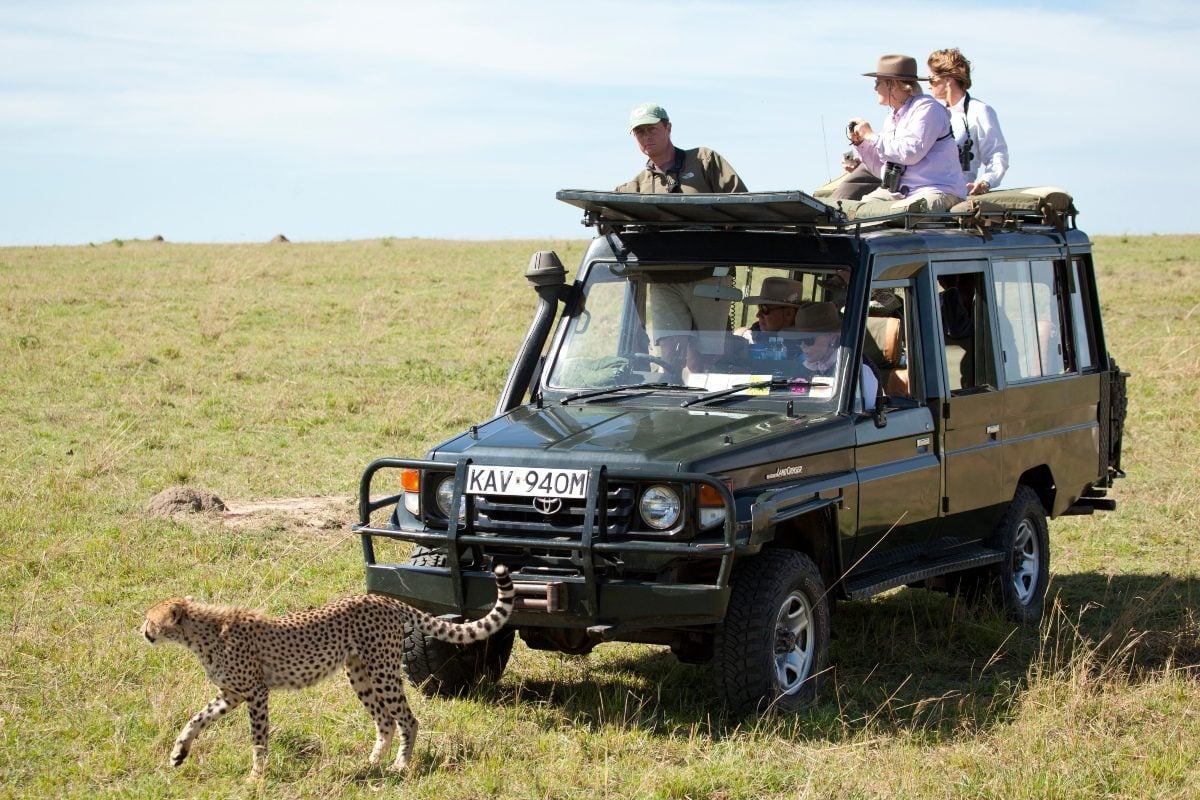
Boat Safari vs Land Safari Comparison
An in-depth comparison of Boat Safari vs Land Safari Comparison to help you choose the perfect safari experience. Explore the pros, cons, and key differences to
 Safari Comparison Articles
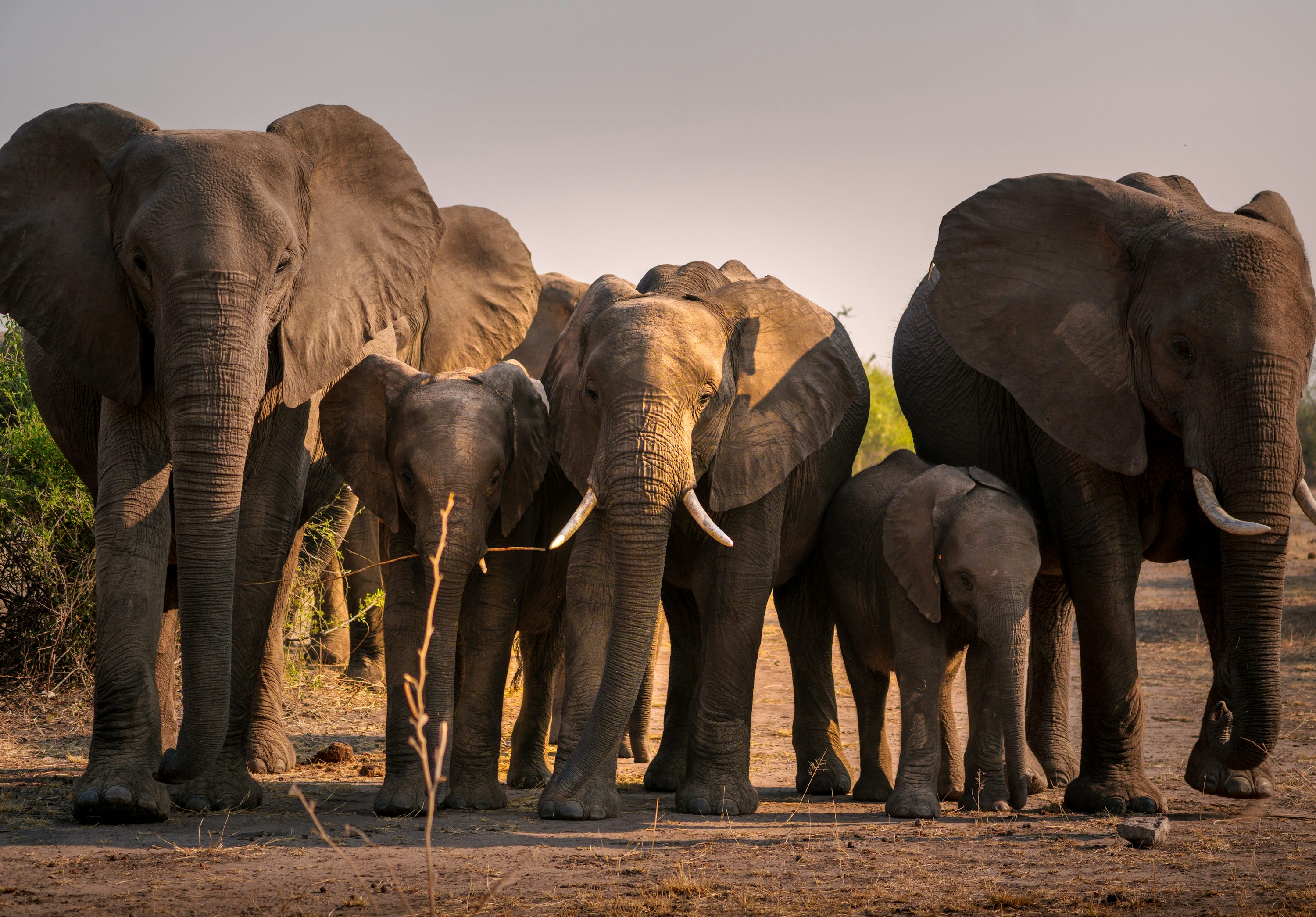
Wetland Safari vs Dry Land Safari
An in-depth comparison of Wetland Safari vs Dry Land Safari to help you choose the perfect safari experience. Explore the pros, cons, and key differences to mak
 Safari Comparison Articles
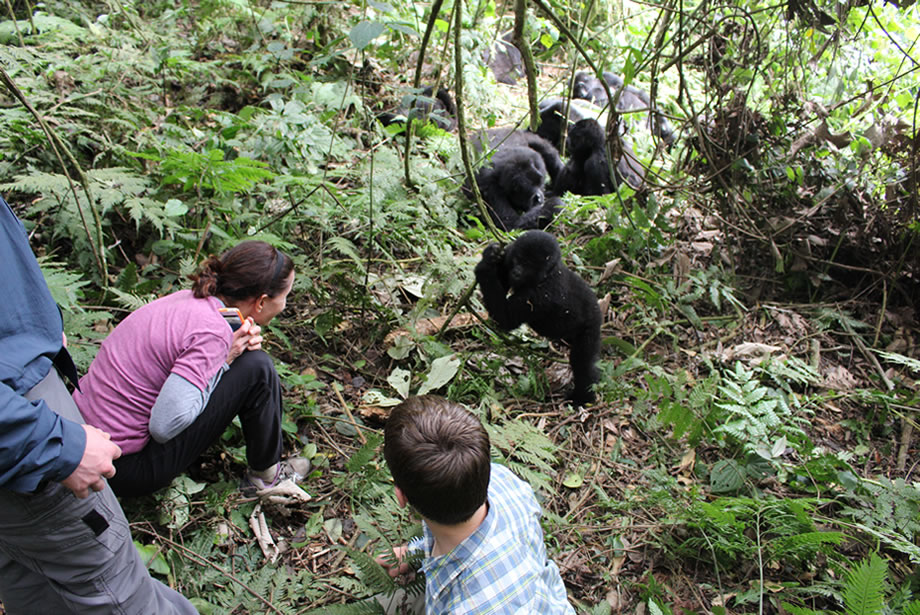
Marine Safari vs Land Safari
An in-depth comparison of Marine Safari vs Land Safari to help you choose the perfect safari experience. Explore the pros, cons, and key differences to make an
 Safari Cost Guides
Cost of a Fly-In Safari
Planning a safari? Learn about cost of a fly-in safari. Get expert advice and insights from Safari Intelligence to plan your perfect trip.
 Luxury Safaris
Fly-In Safaris Explained
Discover the world of fly-in safaris. Learn how flying between remote African parks maximizes wildlife viewing and provides exclusive access to pristine wilderness.
 Safari Cost Guides
Why Fly-In Safaris Cost More Than Driving Safaris
Learn about why fly-in safaris cost more than driving safaris in this comprehensive safari guide covering key insights and practical advice.