
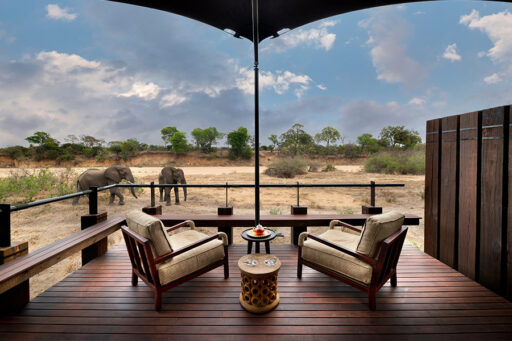
An in-depth comparison of Private Safari vs Shared Safari to help you choose the perfect safari experience. Explore the pros, cons, and key differences to make
Private Safari vs Shared Safari
Planning a safari involves many important decisions, and understanding private safari vs shared safari is one of the most critical. This comprehensive guide draws on years of field experience to help you navigate this aspect of safari travel with confidence.
Understanding the Fundamentals
The foundation of private safari vs shared safari begins with understanding the basic principles. Safari environments across Africa present unique conditions that differ significantly from what most travelers are accustomed to. In East Africa, the vast savannas of Kenya and Tanzania create one set of considerations, while the dense forests of Uganda and Rwanda present entirely different challenges. Southern African destinations like Botswana and South Africa add yet another dimension.
Experienced safari operators emphasize that preparation is the single most important factor in private safari vs shared safari. This means doing your research well in advance, consulting with knowledgeable advisors, and being willing to adapt your plans based on current conditions. The best safari experiences come from travelers who approach their journey with both enthusiasm and informed flexibility.
Still researching? Let us help.
Our advisory team has planned safaris across 9 African countries. We can turn your research into a real plan.
Talk to an AdvisorExpert Recommendations: Private Safari vs Shared Safari
Working with a qualified safari planning guide can significantly improve your experience with private safari vs shared safari. Advisors who have personal experience in your chosen destinations can provide insights that no guidebook or website can match. They understand the subtle differences between properties, the best times to visit specific areas, and how to structure an itinerary that maximizes your time.
Safari advisors consistently recommend starting your planning process at least six to twelve months before your intended travel dates. This lead time allows you to secure preferred accommodations, take advantage of early booking rates, and properly prepare for all aspects of private safari vs shared safari.
Budget considerations play an important role in private safari vs shared safari. While it is tempting to cut corners, experienced travelers consistently report that investing in quality where it matters most leads to significantly better outcomes. The key is knowing where to allocate your budget for maximum impact.
Safety and Health Considerations
Safety is paramount when it comes to private safari vs shared safari on safari. Reputable operators maintain strict safety protocols and employ experienced guides who are trained to handle a wide range of situations. Always verify that your chosen operator has proper licensing, insurance, and safety certifications.
Travel insurance that specifically covers safari activities is strongly recommended. Standard travel insurance policies may not cover all the activities and situations you might encounter on an African safari. Ensure your policy covers medical evacuation, trip cancellation, and activity-specific risks.
Common Mistakes to Avoid: Private Safari vs Shared Safari
Underestimating the importance of private safari vs shared safari is perhaps the biggest mistake of all. Travelers who give this aspect of their safari proper attention consistently report more satisfying experiences than those who treat it as an afterthought.
One of the most frequent mistakes travelers make with private safari vs shared safari is waiting too long to start planning. Popular safari destinations and lodges book up months in advance, especially during peak season. Last-minute planning often results in limited options and higher costs.
Another common error is relying solely on online reviews without consulting experienced professionals. While traveler reviews provide valuable perspectives, they often lack the context and expertise that a qualified safari planning guide can offer. The best approach combines both sources of information.
Done Reading? Let's Build Your Safari.
Skip the guesswork. Work with an advisor who has been on the ground across East and Southern Africa.
Plan With UsThe Core Differences: Vehicle, Guide, and Itinerary
A shared safari, often called a seat-in-vehicle safari, means you join a pre-scheduled tour with other travelers. Game drives are conducted in a shared vehicle (typically a 4x4 Land Cruiser or safari van) that accommodates 6-8 passengers. The itinerary is fixed, with set departure dates, routes, and lodge selections. Your guide is shared with the group, and their attention is divided among all passengers.
A private safari, by contrast, is exclusively for you and your travel party. You have a private vehicle and a dedicated professional guide for the entire duration of your trip. The most significant advantage here is flexibility. Your itinerary is fully customizable from the start, and even during the safari, you have the freedom to alter daily plans. If you develop a passion for birdwatching or want to spend an entire morning tracking a leopard, your guide can adapt the schedule to your interests.
Cost Implications: Understanding the Value
Shared safaris are the more budget-friendly option, as the costs of the vehicle, guide, and fuel are distributed among all passengers. This makes them an excellent choice for solo travelers or those on a tighter budget. However, the lower price comes with the trade-off of a less personalized experience.
Private safaris have a higher per-person cost because you are covering all the fixed expenses yourself. This premium buys you exclusivity, privacy, and unparalleled control over your adventure. For families with young children, photographers who need space and specific positioning for their equipment, or travelers with highly specific interests, the value of a private safari often outweighs the additional cost. For instance, a private safari might range from $700 to $1,500 per person per day, whereas a shared safari could be in the $400 to $800 range, depending on the level of accommodation.
A Real-World Example: The Serengeti Migration
Consider the scenario of witnessing the Great Wildebeest Migration in Tanzania's Serengeti National Park. On a shared safari, your vehicle will likely spend a few hours at a river crossing along with dozens of other vehicles, sticking to a strict schedule to return to the lodge for lunch.
On a private safari, your guide could use their network to find a more secluded crossing point away from the crowds. You could choose to take a packed lunch and spend the entire day observing the dramatic river crossings, waiting patiently for the perfect moment when a herd decides to brave the crocodile-infested waters. This level of patience and flexibility is often the difference between a fleeting glimpse and a truly profound wildlife encounter.
Related Resources
For more information on planning your safari, explore our destination guides, browse the safari operator directory, or connect with an experienced safari planning guide for personalized guidance.
Need Expert Safari Guidance?
Get expert advisory support from a firm founded by a former safari guide — with real operational knowledge across 9 African countries and full-journey accountability.
Related Planning Guides
Recommended Reading
 Safari Cost Guides
Safari Cost Comparison Private vs Shared Vehicle
Learn about safari cost comparison private vs shared vehicle in this comprehensive safari guide covering key insights and practical advice.
 Safari Comparison Articles
Private Conservancy vs National Park Safari
Learn about private conservancy vs national park safari in this comprehensive safari guide covering key insights and practical advice.
 Safari Planning
Private Safari vs Group Safari
Learn the key differences between private and group safaris to decide which is right for you. This guide compares flexibility, cost, and experience.
 Safari Costs
Private Safari Cost Guide
Discover the factors that influence private safari costs in Africa. This guide breaks down expenses for destinations like Tanzania, Kenya, and Botswana.
 Luxury Safaris
Private Luxury Safari Experiences
Discover the world of private luxury safaris. Our guide explains the benefits of exclusive-use properties, private guides, and tailor-made itineraries.
 Safari Cost Guides
Cost of a Private Safari Guide
Planning a safari? Learn about cost of a private safari guide. Get expert advice and insights from Safari Intelligence to plan your perfect trip.