
Compare the stark beauty and unique wildlife of the Namib Desert with the classic game viewing of Etosha National Park. This guide will help you plan your perfect Namibian adventure.
Namibia: A Land of Epic Landscapes
Namibia is a country of breathtaking landscapes, from the towering red dunes of the Namib Desert to the vast, wildlife-rich salt pan of Etosha National Park. A Namibian safari is as much about the scenery as it is about the wildlife. The choice between a desert-focused safari and a classic game viewing experience in Etosha depends on your interests and what you want to get out of your trip.
The Namib Desert: Dunes, Diamonds, and Desert-Adapted Wildlife
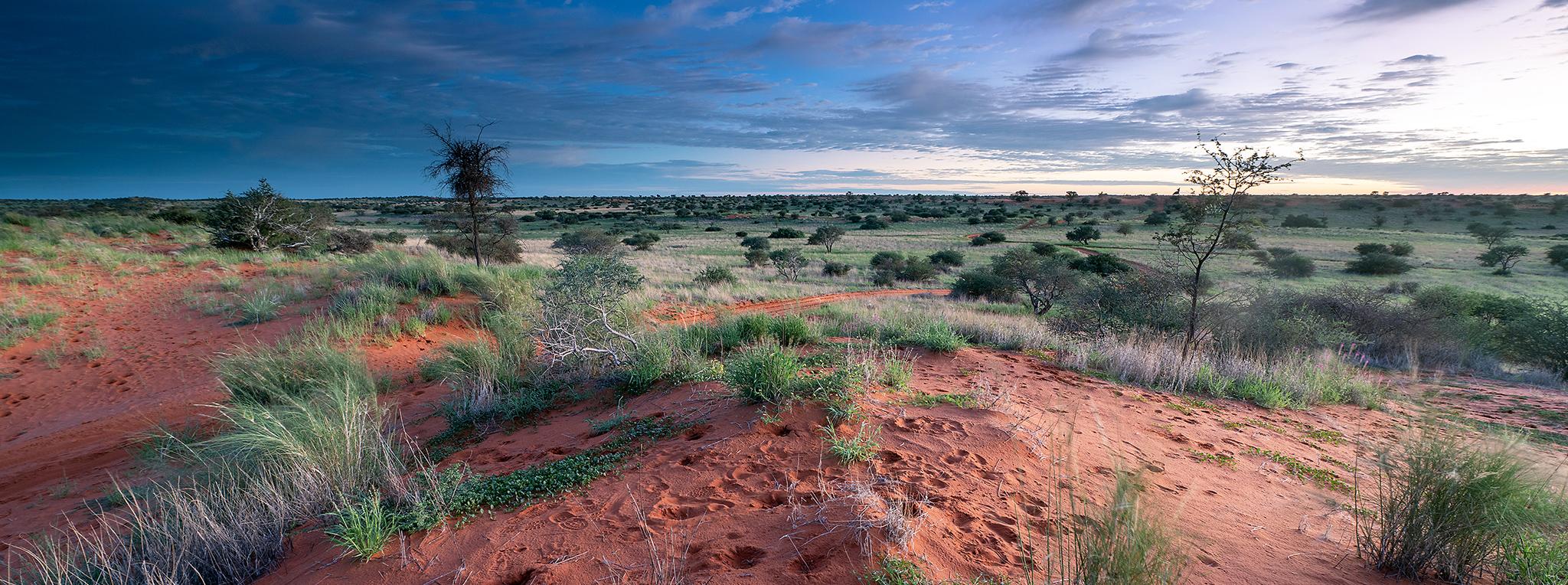
The Namib Desert, the oldest desert in the world, is a place of surreal beauty. The iconic dunes of Sossusvlei, with their fiery red sand, are a photographer's dream. Climbing Dune 45 or Big Daddy for sunrise is an unforgettable experience. The desert is also home to a surprising amount of wildlife, including desert-adapted elephants, rhinos, and the elusive brown hyena. The Skeleton Coast, where the desert meets the Atlantic Ocean, is a hauntingly beautiful landscape of shipwrecks and seal colonies. A desert safari in Namibia is a unique adventure that focuses on landscapes, solitude, and the incredible resilience of life in a harsh environment. Our safari operators can craft a bespoke desert itinerary for you.
Still researching? Let us help.
Our advisory team has planned safaris across 9 African countries. We can turn your research into a real plan.
Talk to an AdvisorEtosha National Park: A Wildlife Oasis
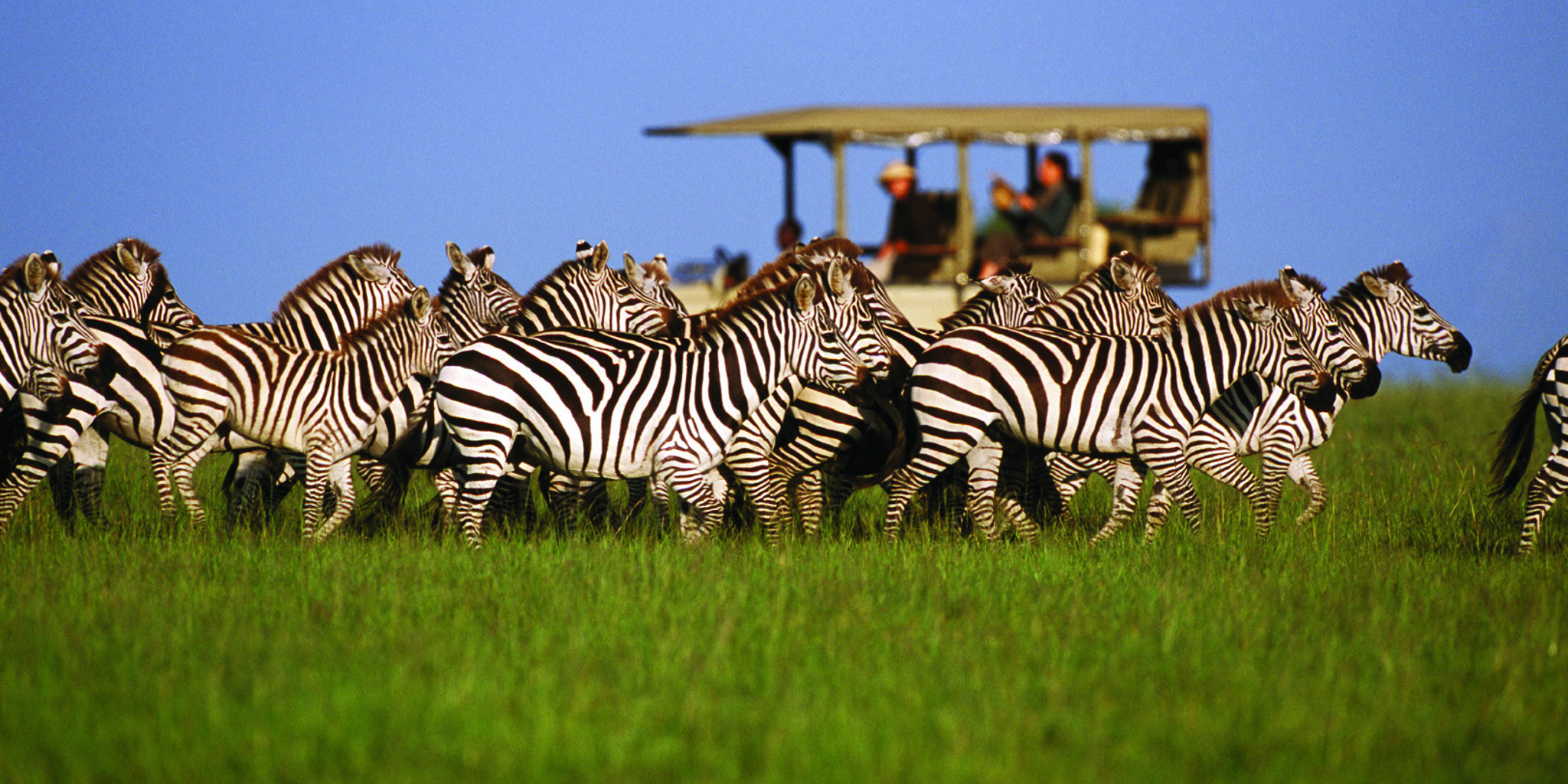
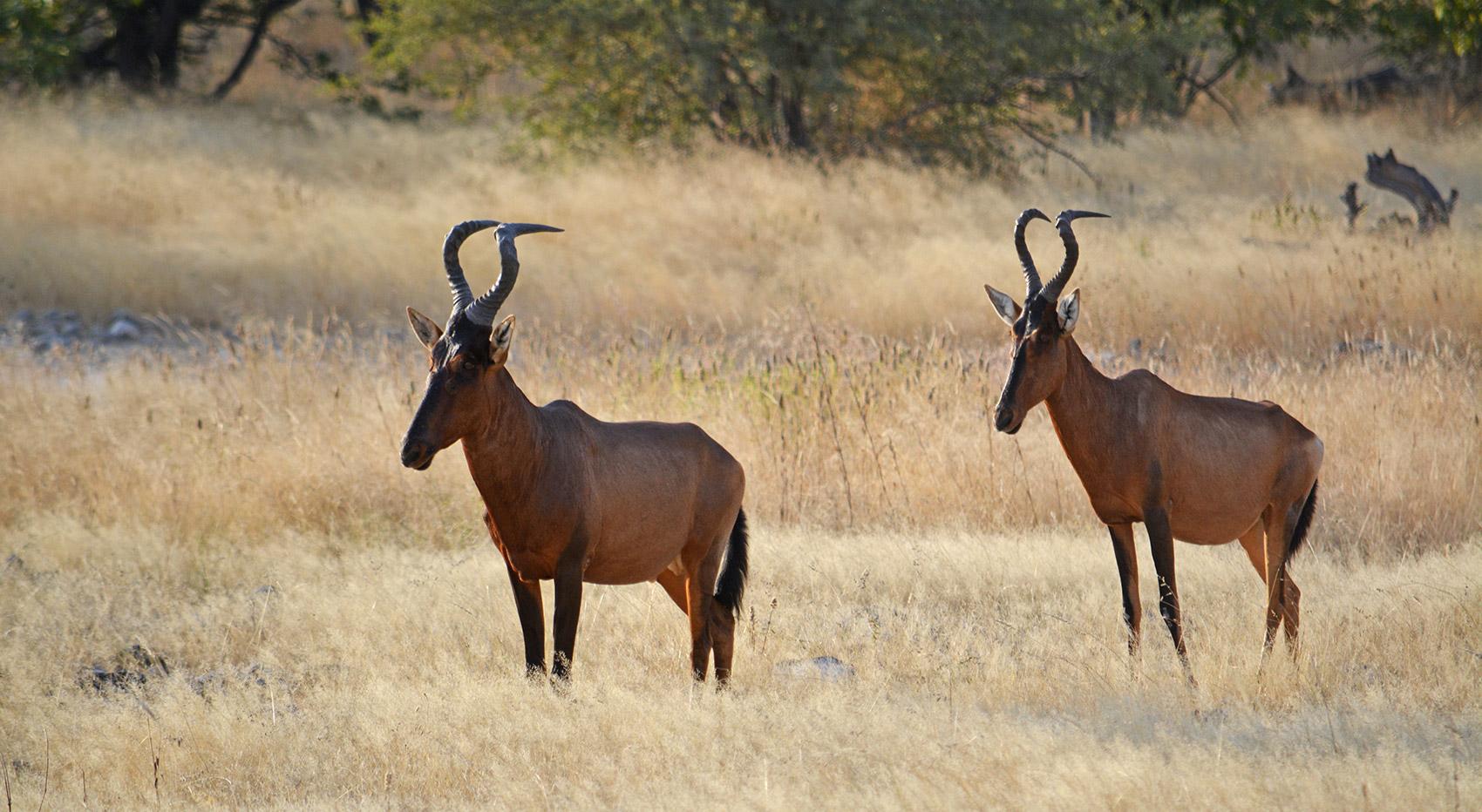
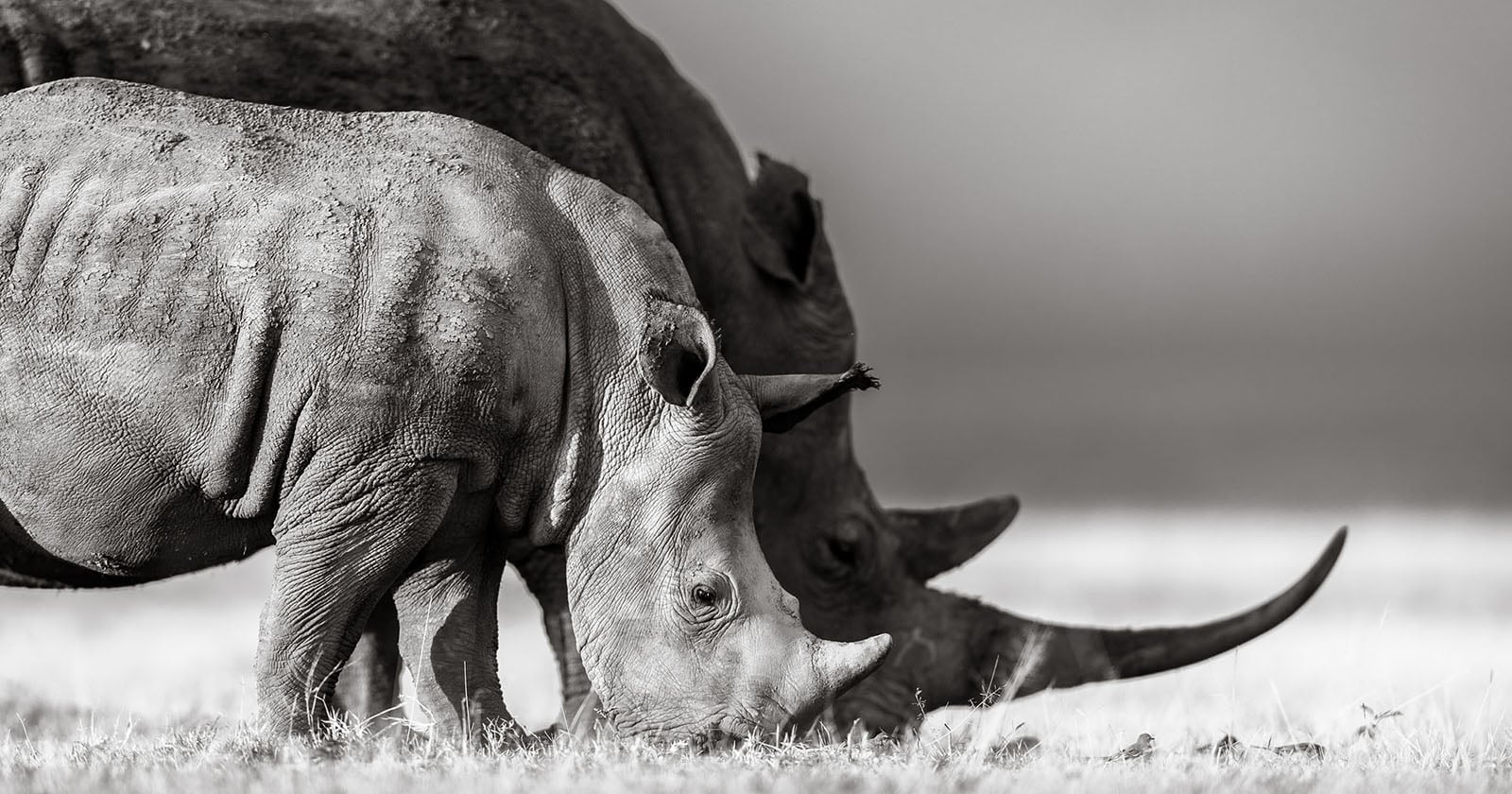
Etosha National Park is one of Africa's great game parks. Its defining feature is the Etosha Pan, a vast, shimmering salt pan that is visible from space. During the dry season, the park's waterholes attract a huge concentration of wildlife, making for incredible game viewing. You can expect to see large herds of elephants, zebras, and springboks, as well as predators like lions, leopards, and cheetahs. Etosha is also one of the best places in Africa to see the endangered black rhinoceros. The park has a number of floodlit waterholes at its rest camps, allowing you to watch wildlife come and go throughout the night. For an idea of costs, our safari cost calculator is a helpful resource.
Combining Desert and Wildlife
Most visitors to Namibia choose to combine the desert landscapes of the south with the wildlife of Etosha in the north. A typical Namibian road trip might start in Windhoek, head south to Sossusvlei and the Namib-Naukluft National Park, then travel up the Skeleton Coast before heading inland to Damaraland and Etosha. This classic route allows you to experience the full spectrum of Namibia's incredible diversity. For more itinerary ideas, check out our knowledge center.
What to Choose?
- For dramatic landscapes, photography, and a sense of adventure: Focus on the Namib Desert and the south.
- For classic game viewing and high concentrations of wildlife: Etosha National Park is a must-visit.
- For the complete Namibian experience: Embark on a road trip that combines both the desert and Etosha.
Done Reading? Let's Build Your Safari.
Skip the guesswork. Work with an advisor who has been on the ground across East and Southern Africa.
Plan With UsDeeper Dive: Crafting Your Ideal Namibian Itinerary
While the choice between desert landscapes and classic wildlife viewing seems stark, the true magic of Namibia lies in combining them. A well-planned itinerary allows you to witness the towering dunes of Sossusvlei, the rugged beauty of Damaraland, and the prolific wildlife of Etosha National Park. Here are a few sample itineraries to inspire your journey, which our safari operators can customize to your preferences.
The 10-Day Namibian Highlights
This popular route offers a taste of both worlds, ideal for first-time visitors.
- Days 1-3: Sossusvlei & Deadvlei: Arrive at Windhoek's Hosea Kutako International Airport (WDH) and transfer to the Namib-Naukluft National Park. Spend two full days exploring the iconic red dunes, climbing Dune 45 for sunrise, and photographing the ancient camel thorn trees of Deadvlei.
- Days 4-5: Swakopmund: Drive to the coastal town of Swakopmund, a hub of adventure activities. Options include quad biking on the dunes, sandboarding, or a marine cruise to see dolphins and seals.
- Days 6-7: Damaraland: Head inland to the rugged and beautiful Damaraland region. This is your best chance to track desert-adapted elephants and rhinos with an expert guide.
- Days 8-10: Etosha National Park: Conclude your trip in Etosha. Spend your days on game drives, visiting the park's many waterholes, where wildlife congregates in large numbers. Fly out from Windhoek.
> Expert Insight: For a more seamless journey, consider a one-way car rental, starting in Windhoek and dropping the vehicle at an airport near Etosha, or vice-versa. This minimizes backtracking and maximizes your time exploring.
Cost Considerations: Desert vs. Etosha
Your budget will be a significant factor in planning your Namibian safari. Here’s a general breakdown of what to expect. For a detailed estimate, use our cost calculator.
| Expense Category | Namib Desert Focus (per person/day) | Etosha National Park Focus (per person/day) | Notes | | --------------------- | ----------------------------------- | ------------------------------------------- | ------------------------------------------------------------------------------------------------------------------------------------------------------------------ | | Accommodation | $250 - $800+ | $200 - $600+ | Desert lodges, especially in Sossusvlei, are often more exclusive and command higher prices. Etosha has a wider range of options, including more affordable camps. | | Activities | $100 - $250 | $50 - $150 | Desert activities like hot air ballooning and guided dune walks are generally more expensive than standard game drives in Etosha. | | Transportation | $150 - $300 | $100 - $250 | A sturdy 4x4 is essential for the desert, leading to higher rental and fuel costs. A 2WD vehicle can be sufficient for Etosha, but a 4x4 is still recommended. |
Ultimately, a combined trip is often the most cost-effective way to experience both regions, as you can leverage the same vehicle rental and spread out the costs of long-distance travel. For more detailed budgeting advice, visit our knowledge center.
When to Go: A Tale of Two Seasons
Namibia is a year-round destination, but the best time to visit depends on your priorities.
For Etosha and Wildlife Viewing (Dry Season: May to October): This is the prime time for a classic safari. The dry conditions mean less vegetation and animals congregate around the waterholes, making them easier to spot. The weather is pleasant, with warm, sunny days and cool nights. However, this is also the peak tourist season, so expect higher prices and more crowds.
For the Namib Desert and Photography (Shoulder Seasons: April-May and September-October): During these months, the temperatures in the desert are more moderate, and the light is softer, which is ideal for photography. You'll also avoid the intense heat of the summer and the cold of the winter.
> Traveler's Tip: If you're planning a self-drive safari, be sure to book your accommodation and rental vehicle well in advance, especially if traveling during the peak season. Availability can be limited, and prices rise closer to the travel dates.
Packing for a Dual-Destination Trip
Packing for a trip that includes both the desert and a safari park requires some careful planning. Here are a few essentials:
- Layered Clothing: Temperatures can vary dramatically, from hot days in the desert to cool nights in Etosha. Pack lightweight, neutral-colored clothing that you can layer.
- Sun Protection: A wide-brimmed hat, sunglasses, and high-SPF sunscreen are non-negotiable.
- Good Footwear: You'll need sturdy, comfortable walking shoes for exploring the dunes and for any walking safaris.
- Camera Gear: Bring a good camera with a zoom lens to capture both the vast landscapes of the desert and the wildlife of Etosha. A dust cover for your camera is also a wise investment.
Ready to start planning your Namibian adventure? Plan your safari with one of our expert advisors today.
Need Expert Safari Guidance?
Get expert advisory support from a firm founded by a former safari guide — with real operational knowledge across 9 African countries and full-journey accountability.
Related Planning Guides
Recommended Reading
 Safari Comparison Articles
Etosha vs Kruger – Safari Comparison
Learn about etosha vs kruger – safari comparison in this comprehensive safari guide covering key insights and practical advice.
 Safari Comparison Articles
Guided Safari vs Self-Drive Safari in Namibia
An in-depth comparison of Guided Safari vs Self-Drive Safari in Namibia to help you choose the perfect safari experience. Explore the pros, cons, and key differ
 Safari Comparison Articles
Desert Safari vs Savanna Safari
An in-depth comparison of Desert Safari vs Savanna Safari to help you choose the perfect safari experience. Explore the pros, cons, and key differences to make
 Destination Guides
Complete Guide to Sossusvlei and Namib Desert
A complete guide to Complete Guide to Sossusvlei and Namib Desert. Learn about the wildlife, activities, and best time to visit this amazing destination.
 Safari Planning Guides
How to Plan a Safari for Desert Wildlife
Learn about how to plan a safari for desert wildlife in this comprehensive safari guide covering key insights and practical advice.
 Destination Guides
Best Safari Destinations for Desert Wildlife
Your complete guide to Best Safari Destinations for Desert Wildlife. Find the best destinations, planning tips, and more for your next safari adventure.