
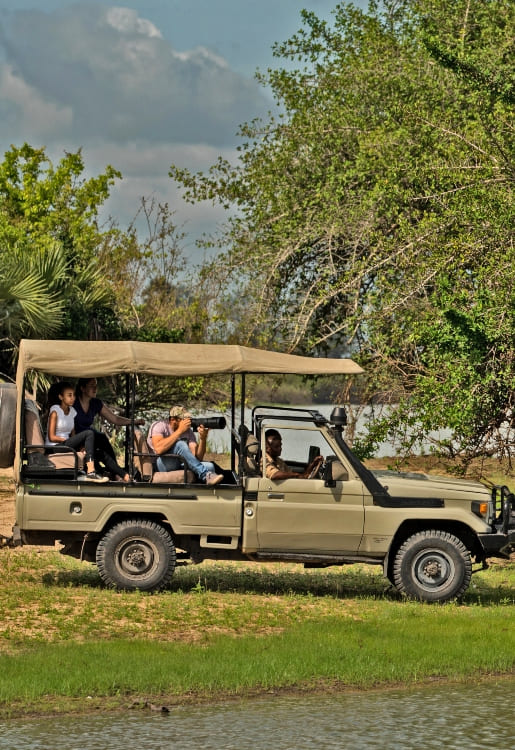
Learn about etosha vs kruger – safari comparison in this comprehensive safari guide covering key insights and practical advice.
Overview
When comparing safari options, etosha vs kruger – safari comparison is a question that many travelers wrestle with during the planning process. Each option offers distinct advantages, and the best choice depends on your priorities, travel style, and what you hope to experience. This detailed comparison examines the key differences to help you make an informed decision.
Detailed Analysis
When examining etosha vs kruger – safari comparison in detail, several important factors come into play. The geographic diversity of African safari destinations means that conditions, pricing, and experiences vary considerably from one region to another. East Africa's open savannas present different considerations than Southern Africa's bushveld or the rainforests of Central Africa. Our destination guides provide region-specific information to help you understand these differences and plan accordingly.
Still researching? Let us help.
Our advisory team has planned safaris across 9 African countries. We can turn your research into a real plan.
Talk to an AdvisorPractical Guidance
From a practical standpoint, etosha vs kruger – safari comparison requires attention to both the big picture and the fine details. Start by establishing your priorities and non-negotiables: what experiences are most important to you? What's your realistic budget range? Are there specific wildlife encounters or landscapes you're determined to see? Once you've clarified these fundamentals, use our cost calculator to model different scenarios and our operator directory to identify companies that specialize in your preferred type of experience.
Expert Insights
Industry professionals and experienced safari travelers consistently emphasize the importance of understanding etosha vs kruger – safari comparison before committing to a specific plan. The consensus among experts is that informed travelers not only have better experiences but also make more sustainable choices that benefit the destinations they visit. Our safari operators embody this philosophy, providing personalized guidance that goes well beyond generic travel advice.
Planning Your Next Steps
Whether you're in the early dreaming stages or actively finalizing your safari plans, the knowledge gained from understanding etosha vs kruger – safari comparison contributes to a more rewarding and stress-free experience. Use the resources available on Safari Intelligence, including our cost calculator, operator directory, and destination library, to build confidence in every planning decision you make.
_The following content is an expansion of an existing article and is intended to be appended to it._
Done Reading? Let's Build Your Safari.
Skip the guesswork. Work with an advisor who has been on the ground across East and Southern Africa.
Plan With UsThe Wildlife Experience: Beyond the Big Five
While both Etosha and Kruger offer incredible opportunities to see Africa's iconic wildlife, the viewing experience in each park is remarkably different. Kruger is renowned for its sheer density of animals. The park's lush environment supports large breeding herds of elephants, buffalo, and a variety of antelope species. The Sabi Sand Game Reserve, a private reserve bordering Kruger, is particularly famous for its leopard sightings. Here, the leopards are more habituated to vehicles, allowing for more intimate and prolonged viewing opportunities. You are also more likely to encounter packs of African wild dogs in Kruger, a critically endangered species that is a rare and rewarding sight.
Etosha, on the other hand, offers a more unique and dramatic wildlife viewing experience, especially during the dry season (May to October). The park is centered around the vast Etosha Pan, a saline desert that transforms into a shallow lake during the rainy season. In the dry season, the pan dries up, and the park's wildlife congregates around the numerous waterholes that dot the landscape. This concentration of animals provides almost guaranteed sightings. Etosha is also home to several desert-adapted species that you won't find in Kruger, such as the black-faced impala, the Hartmann's mountain zebra, and the majestic gemsbok (oryx). The floodlit waterholes at the park's main camps, such as Okaukuejo, offer a truly unique opportunity to watch nocturnal animals, including the critically endangered black rhino, come to drink after dark.
> Expert Insight: For photographers, the stark, white landscape of the Etosha Pan provides a dramatic and high-contrast backdrop for wildlife photography. The open plains also make it easier to spot animals from a distance. In Kruger, the dense bush can make wildlife photography more challenging, but it also offers the opportunity for more intimate, close-up shots.
Landscape and Scenery: A Tale of Two Terrains
The landscapes of Etosha and Kruger are as different as night and day, and each offers its own unique beauty. Kruger National Park is a classic African savanna landscape, with a mosaic of different ecosystems. The southern part of the park is characterized by rolling hills, open grasslands, and dense acacia woodlands. The central region is more open, with vast grassy plains that support large herds of grazers. The northern part of the park is more arid and is dominated by mopane woodlands. The park is also crisscrossed by several perennial rivers, including the Sabie, Crocodile, and Olifants rivers, which create lush riverine forests that are home to a variety of birdlife and animals.
Etosha National Park, in contrast, is a land of stark, wide-open spaces. The park is dominated by the enormous Etosha Pan, which covers almost a quarter of the park's total area. The landscape is mostly flat, with sparse vegetation consisting of salt-tolerant grasses, dwarf shrubs, and mopane woodlands. The sense of space is immense, and the shimmering mirages on the pan during the heat of the day create a surreal and otherworldly atmosphere. The waterholes, with their life-giving water, are oases of green in an otherwise arid landscape. The sunsets in Etosha are legendary, with the sky exploding in a riot of color over the vast, white pan.
Best Time to Visit: A Seasonal Guide
While both parks can be visited year-round, the best time to visit depends on your interests. The dry season (May to October in Etosha and April to September in Kruger) is generally considered the best time for wildlife viewing in both parks. During this time, the vegetation is sparse, and animals congregate around water sources, making them easier to spot. However, the dry season is also the most popular time to visit, so the parks can be crowded, and accommodation can be more expensive.
The wet season (November to April in Etosha and October to March in Kruger) is the "green season," when the parks are transformed into lush, green paradises. This is the best time for birdwatching, as migratory birds from Europe and Asia flock to the parks. It is also the time when many animals give birth, so you have a good chance of seeing baby animals. The wet season is also a great time for photography, as the landscapes are vibrant and the skies are often filled with dramatic clouds. However, the dense vegetation can make wildlife viewing more challenging, and some roads in the parks may be closed due to flooding.
> Traveler's Tip: If you want to avoid the crowds and enjoy lower prices, consider visiting during the shoulder seasons (April/May and September/October). You will still have excellent wildlife viewing opportunities, but with fewer people around.
Logistics and Accessibility: Getting There and Getting Around
Kruger National Park is one of the most accessible of Africa's major game parks. It is located in the northeastern corner of South Africa and can be easily reached by car from Johannesburg, which is about a four to five-hour drive away. There are also several airports near the park, including Kruger Mpumalanga International Airport (MQP) and Skukuza Airport (SZK), which have daily flights from Johannesburg and Cape Town. Once in the park, you can either self-drive or join a guided safari. The park has a well-maintained network of tarred and gravel roads, and the main camps offer a range of accommodation options, from luxury lodges to budget-friendly bungalows and campsites. For more information on planning your trip, visit our destinations page.
Etosha National Park is located in northern Namibia and is a bit more remote than Kruger. The main gateway to the park is the town of Tsumeb, which is about a four-hour drive from the capital city of Windhoek. Most visitors to Etosha are on a self-drive safari, as this gives you the flexibility to explore the park at your own pace. The park has a good network of gravel roads, but a 4x4 vehicle is recommended, especially during the wet season. Accommodation in and around the park ranges from luxury lodges to campsites. If you need help planning your Namibian safari, our safari operators are here to help.
Safari Activities and Costs: A Comparative Overview
The cost of a safari in Etosha and Kruger can vary widely depending on your style of travel, the time of year you visit, and the level of comfort you are looking for. In general, a self-drive safari is the most budget-friendly option in both parks. You can expect to pay around $50-$100 per person per day for park fees, camping or basic accommodation, and food. A mid-range safari, with accommodation in a comfortable lodge or chalet and guided game drives, will cost between $200 and $400 per person per day. For a luxury safari, with accommodation in a private lodge, gourmet meals, and exclusive game drives, you can expect to pay upwards of $500 per person per day. Our cost calculator can help you get a more accurate estimate for your trip.
In terms of activities, both parks offer guided game drives, night drives, and walking safaris. Kruger also offers a number of unique activities, such as the Lebombo Eco-Trail, a multi-day 4x4 adventure through the park's remote wilderness areas. In Etosha, the main activity is game viewing from your vehicle, but the floodlit waterholes at the main camps provide a unique opportunity to watch wildlife at night. For a truly immersive experience, consider a guided walking safari with an armed ranger. This is a great way to learn about the smaller creatures of the bush and to experience the thrill of tracking animals on foot. To start planning your safari, plan your safari with us today.
Beyond the Parks: Extending Your Safari Adventure
A safari to Etosha or Kruger can be easily combined with other attractions in Namibia and South Africa to create a more diverse and rewarding itinerary. In Namibia, a visit to Etosha can be combined with a trip to the dramatic landscapes of Damaraland, where you can track desert-adapted elephants and rhinos. You can also visit the Skeleton Coast, with its shipwrecks and massive seal colonies, or the towering sand dunes of Sossusvlei. For a cultural experience, you can visit a Himba village and learn about the traditional lifestyle of this semi-nomadic people.
In South Africa, a safari in Kruger can be combined with a visit to the spectacular Blyde River Canyon, one of the largest canyons in the world. You can also explore the scenic Panorama Route, with its waterfalls, viewpoints, and charming towns. For a change of pace, you can visit the vibrant city of Cape Town, with its iconic Table Mountain, beautiful beaches, and world-class wineries. Or, for a bit of history, you can visit the battlefields of KwaZulu-Natal, where some of the most important battles in South Africa's history were fought. Our knowledge center has more information on these and other destinations.
Need Expert Safari Guidance?
Get expert advisory support from a firm founded by a former safari guide — with real operational knowledge across 9 African countries and full-journey accountability.
Related Planning Guides
Recommended Reading
 Safari Comparison Articles
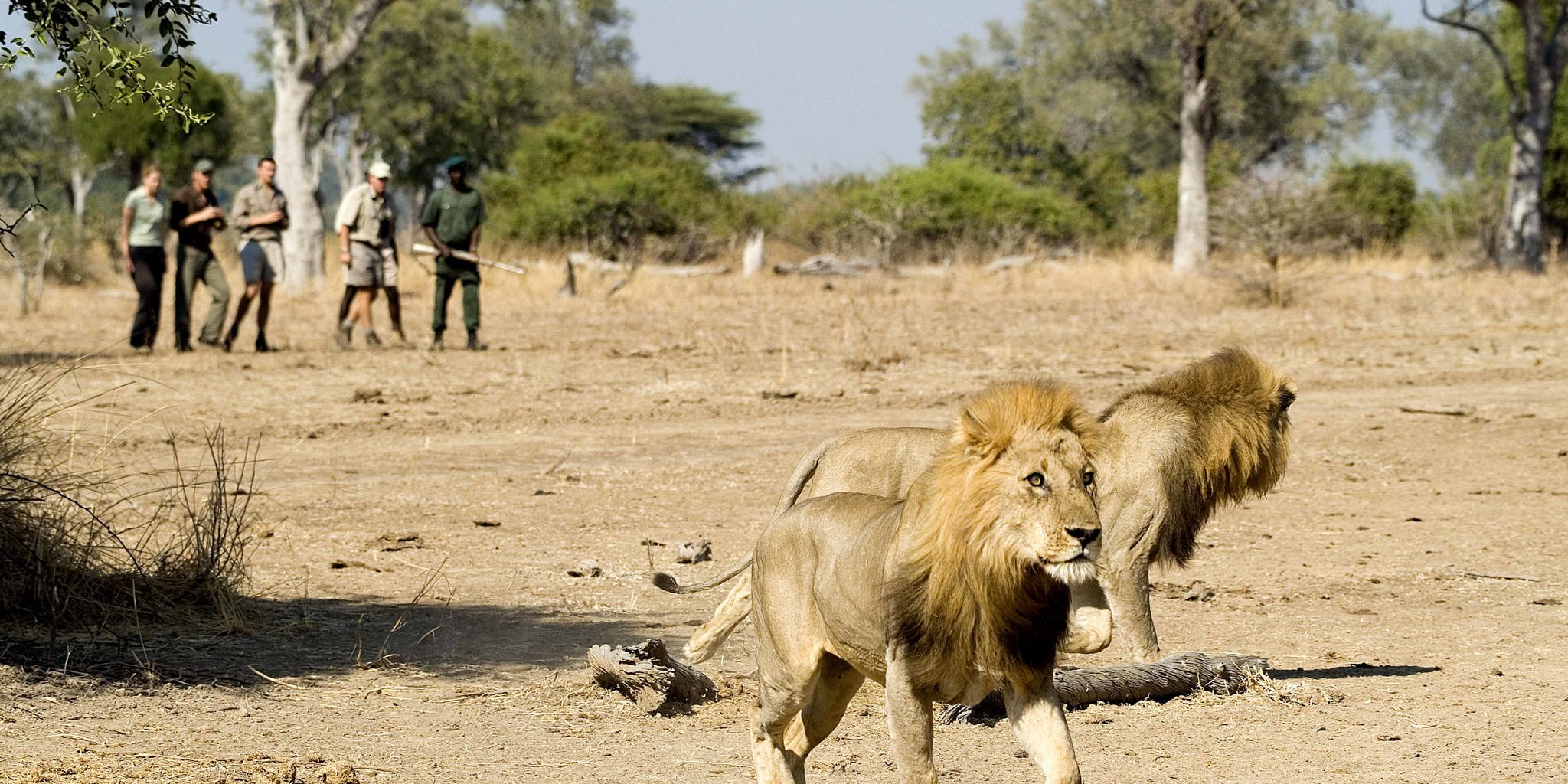
Walking Safari vs Driving Safari Comparison
An in-depth comparison of Walking Safari vs Driving Safari Comparison to help you choose the perfect safari experience. Explore the pros, cons, and key differen
 Safari Comparison Articles
Boat Safari vs Land Safari Comparison
An in-depth comparison of Boat Safari vs Land Safari Comparison to help you choose the perfect safari experience. Explore the pros, cons, and key differences to
 Safari Comparison Articles
Night Safari vs Day Safari Comparison
An in-depth comparison of Night Safari vs Day Safari Comparison to help you choose the perfect safari experience. Explore the pros, cons, and key differences to
 Safari Cost Guides
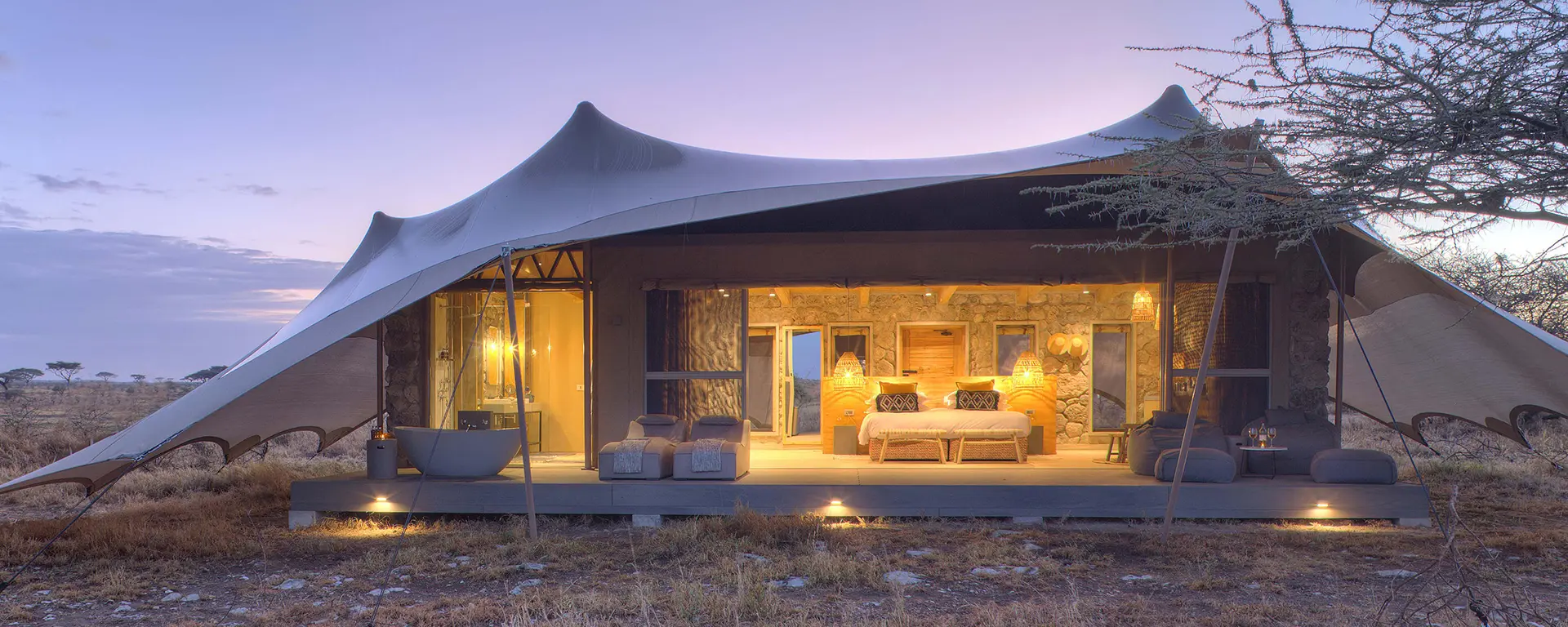
Safari Lodge Costs by Country Comparison
Planning a safari? Learn about safari lodge costs by country comparison. Get expert advice and insights from Safari Intelligence to plan your perfect trip.
 Safari Cost Guides
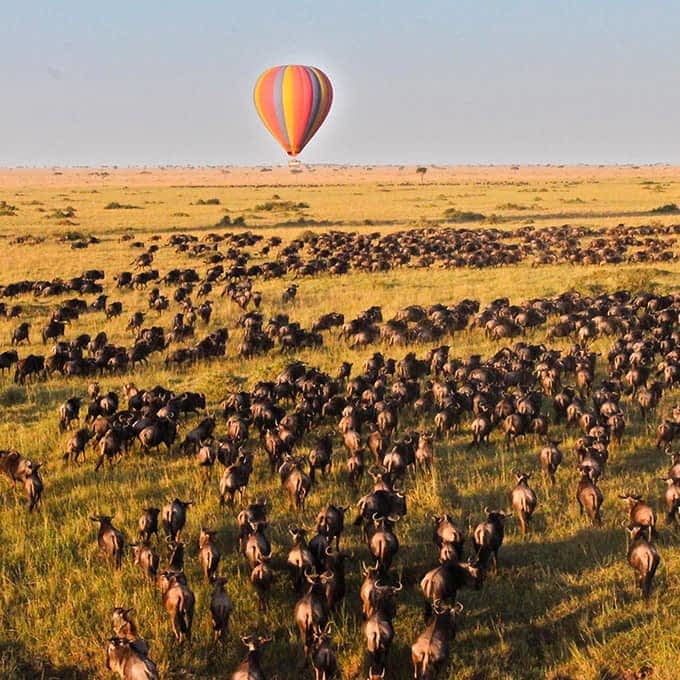
Safari Camp Costs by Country Comparison
Planning a safari? Learn about safari camp costs by country comparison. Get expert advice and insights from Safari Intelligence to plan your perfect trip.
 Safari Cost Guides
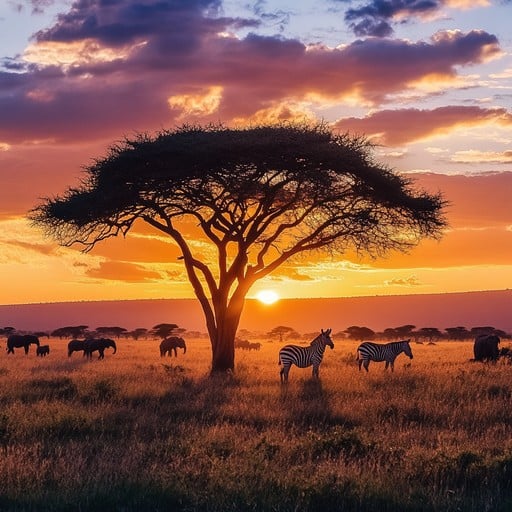
Safari Cost Comparison East Africa vs Southern Africa
Learn about safari cost comparison east africa vs southern africa in this comprehensive safari guide covering key insights and practical advice.