
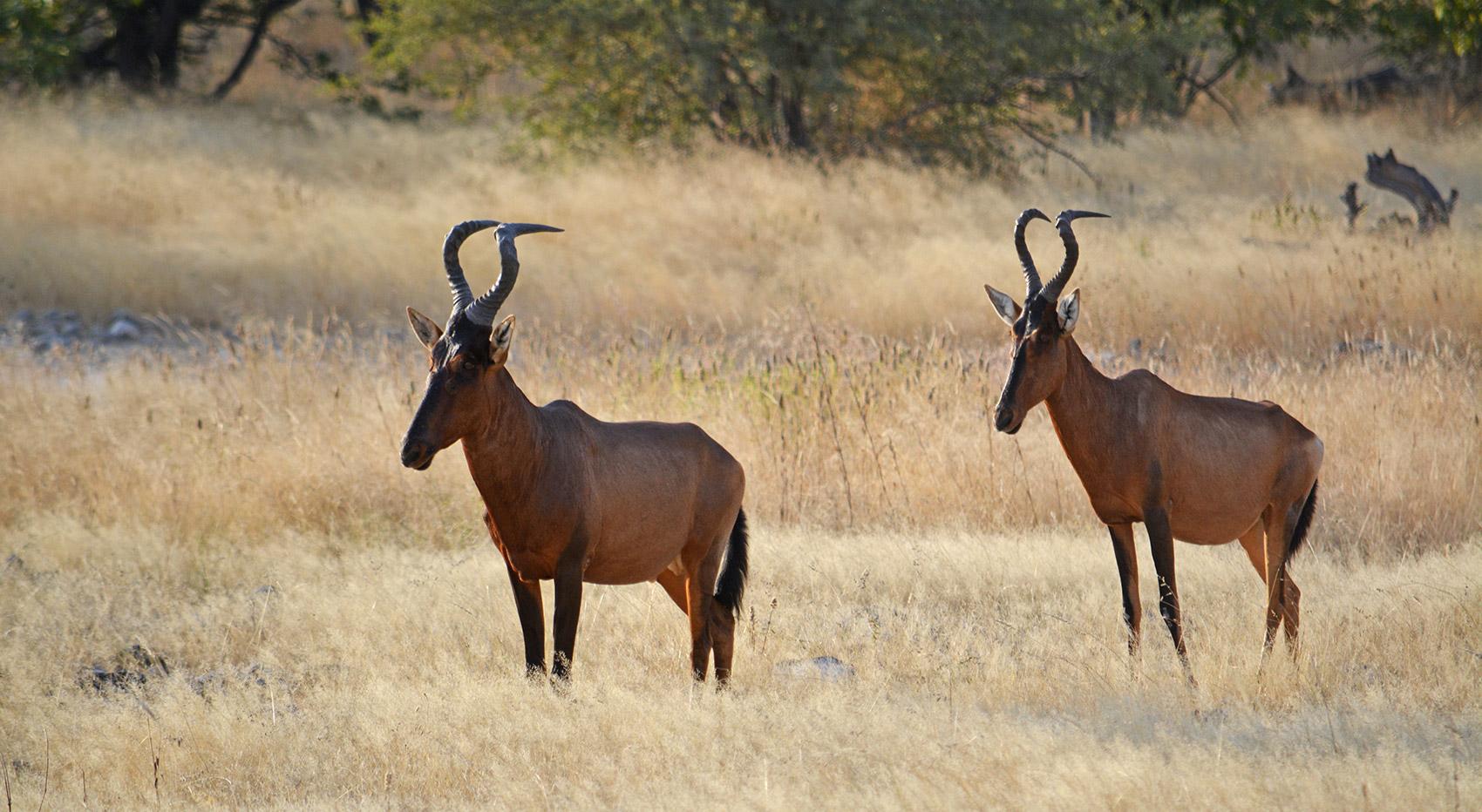
A complete guide to Complete Guide to Sossusvlei and Namib Desert. Learn about the wildlife, activities, and best time to visit this amazing destination.
Introduction to Complete Guide to Sossusvlei and Namib Desert
Exploring complete guide to sossusvlei and namib desert reveals the depth and complexity of African safari travel. Whether you're drawn to the vast savannas of East Africa or the lush waterways of Southern Africa, this knowledge will serve you well throughout your journey.
Key Details and Considerations
Several critical factors influence complete guide to sossusvlei and namib desert in the African safari context. Geographic location, time of year, and the specific activities you're interested in all play important roles. The diversity of Africa's safari destinations means that no two experiences are alike, and understanding these nuances helps you plan more effectively. Our destination guides provide detailed information for each region.
Still researching? Let us help.
Our advisory team has planned safaris across 9 African countries. We can turn your research into a real plan.
Talk to an AdvisorPractical Advice
When applying insights about complete guide to sossusvlei and namib desert to your safari planning, remember that the best experiences come from thoughtful preparation combined with openness to the unexpected. Africa has a way of surprising even the most seasoned travelers. Use our comprehensive planning resources to build a solid foundation, then trust your guides and the wilderness to deliver moments you'll never forget.
Expert Insights
The landscape of complete guide to sossusvlei and namib desert reflects broader trends in African tourism, including the growing emphasis on authentic experiences, wildlife conservation, and cultural exchange. Modern safari travelers are more informed and discerning than ever, seeking meaningful connections with the natural world rather than simply checking off a bucket list. Our knowledge center supports this approach with in-depth articles covering every aspect of safari travel.
Planning Your Next Steps
To wrap up, mastering complete guide to sossusvlei and namib desert is an investment that pays dividends throughout your safari journey. The more you understand about Africa's diverse ecosystems, wildlife, and tourism infrastructure, the better equipped you'll be to make decisions that lead to extraordinary experiences. Start your planning journey with our comprehensive knowledge center and connect with our team of experienced safari operators for personalized guidance.
Done Reading? Let's Build Your Safari.
Skip the guesswork. Work with an advisor who has been on the ground across East and Southern Africa.
Plan With UsThe Heart of the Namib: A Landscape Forged by Time
The Namib Desert, often cited as the world's oldest desert, is a place of stark beauty and profound geological history. At its heart lies Sossusvlei, a vast salt and clay pan that gives the region its name. The word "Sossusvlei" translates to "dead-end marsh," a fitting description for the place where the Tsauchab River, after a journey of hundreds of kilometers from the Naukluft Mountains, finally succumbs to the dry, sandy expanse of the Namib. In years of exceptional rainfall, a rare event, the pan fills with water, creating a breathtaking turquoise lake that reflects the surrounding red dunes. This ephemeral spectacle draws photographers and nature enthusiasts from around the globe, eager to witness a desert in bloom.
The iconic red dunes of Sossusvlei are some of the tallest in the world, with some, like the famous Big Daddy, reaching over 300 meters in height. Their striking color comes from the high concentration of iron in the sand, which oxidizes over time, essentially rusting. The age of the dunes can be inferred from their color; the brighter the red, the older the dune. These are not static landmarks; they are constantly reshaped by the wind, creating a dynamic and ever-changing landscape. Understanding this geological context transforms a visit from a simple sightseeing trip into a profound appreciation for the immense forces of nature that have shaped this land over millions of years. For a deeper dive into the geology of Namibia, our knowledge center offers detailed articles and resources.
Key Landmarks Beyond Deadvlei
While Deadvlei, with its skeletal camel thorn trees, is the most photographed landmark in Sossusvlei, the surrounding area is dotted with other equally captivating sites that should not be missed. Each offers a unique perspective on the scale and beauty of the Namib Desert.
Dune 45: The Sunrise Climb
Located 45 kilometers from the Sesriem Gate, Dune 45 is one of the most accessible of the great dunes. Its relative ease of access and iconic star shape make it the most climbed dune in Sossusvlei. The ascent, which takes about 30-45 minutes for a person of average fitness, is a rite of passage for many visitors. The reward for an early morning climb is a spectacular sunrise view, with the first rays of light setting the dunes ablaze in shades of orange, apricot, and deep red. The descent is much quicker and far more fun—running or sliding down the dune's steep face is an exhilarating experience.
Big Daddy: The Ultimate Challenge
For the more adventurous traveler, a climb up Big Daddy is a must. As the tallest dune in the Sossusvlei area, it presents a formidable challenge. The climb is strenuous, taking anywhere from 1.5 to 2.5 hours, but the panoramic views from the summit are unparalleled. From the top, you can see for miles across the sea of sand, with Deadvlei appearing as a small, white pan below. The effort is significant, but the sense of accomplishment and the breathtaking scenery make it a truly unforgettable experience. After conquering Big Daddy, a visit to Deadvlei is the perfect way to cool down and appreciate the stark beauty of the ancient trees.
Sesriem Canyon: A Geological Wonder
A short drive from the main gate, Sesriem Canyon offers a different perspective on the Namib's geology. Carved by the Tsauchab River over millions of years, the canyon is a narrow gorge, in places only a few meters wide and up to 30 meters deep. A walk through the canyon floor reveals layers of sedimentary rock, a testament to the region's long and varied geological history. In the dry season, permanent pools of water can be found in the deepest sections of the canyon, providing a vital water source for wildlife. A visit to Sesriem Canyon is a refreshing contrast to the open expanse of the dunes and a fascinating glimpse into the power of water in a desert landscape.
> Traveler's Tip: When climbing the dunes, it's best to start as early as possible to avoid the midday heat. Wear light, breathable clothing, a wide-brimmed hat, and sturdy, closed-toe shoes. The sand can be surprisingly hot, even in the early morning. Carry at least 1.5 liters of water per person.
The Surprising Wildlife of the Namib
At first glance, the Namib Desert may appear devoid of life, but it is home to a fascinating array of desert-adapted wildlife. These creatures have evolved remarkable strategies to survive in one of the world's most arid environments. The most iconic of these is the oryx, or gemsbok, Namibia's national animal. With their striking black-and-white facial markings and long, rapier-like horns, they are a symbol of the Namib's resilience. Oryx have a unique circulatory system that allows them to cool the blood flowing to their brain, enabling them to withstand the desert's extreme temperatures.
Other large mammals you might encounter include springbok and ostrich, often seen grazing on the sparse vegetation of the plains. Keep an eye out for smaller, more elusive creatures as well. The Namib is home to a variety of reptiles, including the sidewinder snake and the palmato gecko, which has webbed feet that allow it to "swim" through the sand. The desert is also a haven for unique insects, such as the fog-basking tenebrionid beetle, which climbs to the crest of the dunes in the early morning to collect moisture from the incoming fog.
While wildlife sightings are not as guaranteed as in a traditional safari destination like Etosha National Park, the experience of seeing life thrive in this harsh environment is incredibly rewarding. The best place to look for wildlife is in the riverbeds and grassy plains, where vegetation is more abundant. For personalized advice on planning a safari that includes both desert and savanna ecosystems, connect with our safari operators.
Planning Your Sossusvlei Adventure
A trip to Sossusvlei requires careful planning to make the most of your time in this remote and challenging environment. From choosing the right accommodation to understanding the park's logistics, a little preparation goes a long way.
Accommodation: Inside or Outside the Park?
One of the most important decisions you'll make is where to stay. There are a limited number of lodges located inside the Namib-Naukluft National Park, as well as a campsite at Sesriem. The primary advantage of staying inside the park is that you have access to the dunes an hour before sunrise and an hour after sunset, allowing you to experience the magical golden hours without the crowds. Lodges outside the park range from luxury desert retreats to more affordable guesthouses and campsites. While you'll have to adhere to the park's gate times, many of these lodges offer their own guided excursions into Sossusvlei.
Getting Around: Self-Drive or Guided Tour?
The road from Sesriem to the 2x4 car park is paved and suitable for all vehicles. However, the final five kilometers to Sossusvlei and Deadvlei are through thick sand, requiring a 4x4 vehicle. If you are self-driving and don't have a 4x4, you can park your car and take one of the NWR (Namibia Wildlife Resorts) shuttles. Alternatively, many visitors opt for a guided tour, either as part of a lodge package or a multi-day Namibian safari. A guided tour has the advantage of an experienced guide who can share insights into the area's geology, flora, and fauna, and handle all the driving, leaving you free to enjoy the scenery.
Understanding the Costs
A trip to Sossusvlei can be tailored to a range of budgets. Park entrance fees are charged per person and per vehicle per day. Accommodation costs vary widely, from budget-friendly campsites to exclusive luxury lodges. Activities such as guided drives, hot air ballooning, and scenic flights will add to the overall cost. To get a better understanding of how a Sossusvlei trip might fit into your overall safari budget, use our cost calculator or plan your safari with one of our expert advisors.
Need Expert Safari Guidance?
Get expert advisory support from a firm founded by a former safari guide — with real operational knowledge across 9 African countries and full-journey accountability.
Related Planning Guides
Recommended Reading
 Country Guides
Complete Safari Guide to Namibia
Your complete guide to Complete Safari Guide to Namibia. Find the best destinations, planning tips, and more for your next safari adventure.
 Destination Guides
Complete Guide to Mlilwane Wildlife Sanctuary Eswatini
Discover everything you need to know about Complete Guide to Mlilwane Wildlife Sanctuary Eswatini. From wildlife and landscapes to lodges and activities, this g
 Destination Guides
Complete Guide to Table Mountain National Park
A complete guide to Complete Guide to Table Mountain National Park. Learn about the wildlife, activities, and best time to visit this amazing destination.
 Destination Guides
Complete Guide to Garden Route Safari Options
A complete guide to Complete Guide to Garden Route Safari Options. Learn about the wildlife, activities, and best time to visit this amazing destination.
 Country Guides
Complete Safari Guide to Tanzania
Your complete guide to Complete Safari Guide to Tanzania. Find the best destinations, planning tips, and more for your next safari adventure.
 Country Guides
Complete Safari Guide to Kenya
Your complete guide to Complete Safari Guide to Kenya. Find the best destinations, planning tips, and more for your next safari adventure.