
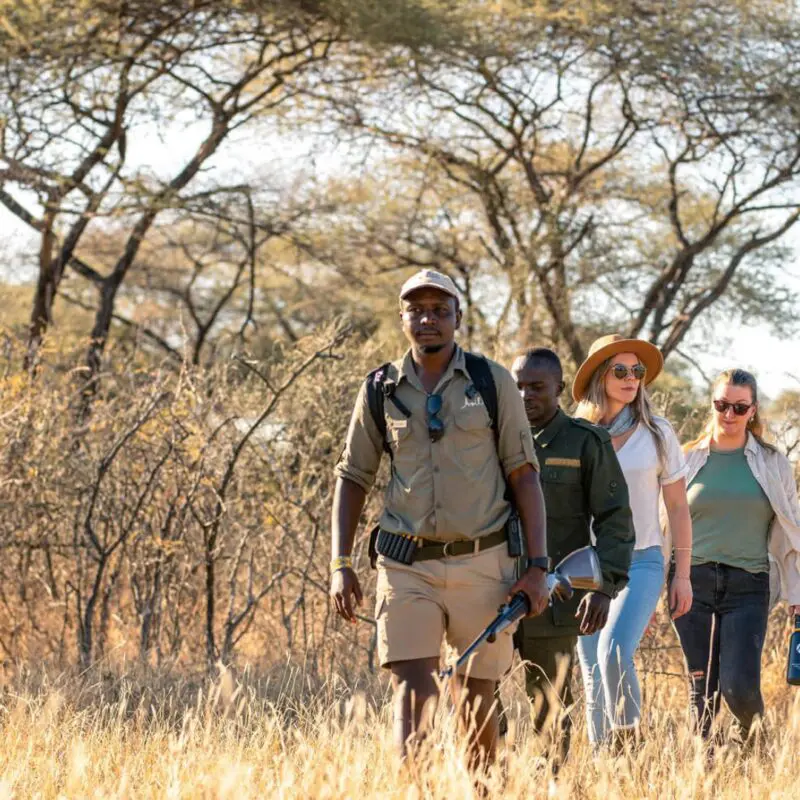
Your complete guide to Kenya Safari Infrastructure and Roads. Find the best destinations, planning tips, and more for your next safari adventure.
Kenya Safari Infrastructure and Roads
Understanding kenya safari infrastructure and roads can make the difference between a good safari and an extraordinary one. This guide combines insider knowledge with practical advice to ensure you are fully prepared.
Safety and Health Considerations: Kenya Safari Infrastructure and Roads
Safety is paramount when it comes to kenya safari infrastructure and roads on safari. Reputable operators maintain strict safety protocols and employ experienced guides who are trained to handle a wide range of situations. Always verify that your chosen operator has proper licensing, insurance, and safety certifications.
Travel insurance that specifically covers safari activities is strongly recommended. Standard travel insurance policies may not cover all the activities and situations you might encounter on an African safari. Ensure your policy covers medical evacuation, trip cancellation, and activity-specific risks.
Health preparation is an essential component of kenya safari infrastructure and roads. Consult with a travel medicine specialist at least six weeks before your departure to discuss vaccinations, malaria prophylaxis, and other health precautions specific to your destinations.
Still researching? Let us help.
Our advisory team has planned safaris across 9 African countries. We can turn your research into a real plan.
Talk to an AdvisorRegional Considerations Across Africa
East African safaris, particularly in Kenya and Tanzania, have their own distinct approach to kenya safari infrastructure and roads. The Serengeti-Mara ecosystem, which hosts the Great Migration, requires specific planning considerations that differ from destinations like Amboseli or Ngorongoro. Understanding these regional differences is crucial for optimizing your experience.
Central and West African destinations, including Uganda, Rwanda, and the Congo, offer specialized experiences like gorilla trekking that bring their own set of requirements. These destinations often involve more challenging terrain and different logistical considerations compared to the classic savanna safari.
Southern Africa presents a different landscape for kenya safari infrastructure and roads. Countries like Botswana, South Africa, Namibia, and Zimbabwe each have established infrastructure and practices that reflect their unique environments. The Okavango Delta, for instance, requires water-based considerations that land-based safaris in Kruger National Park do not.
Understanding the Fundamentals
Experienced safari operators emphasize that preparation is the single most important factor in kenya safari infrastructure and roads. This means doing your research well in advance, consulting with knowledgeable advisors, and being willing to adapt your plans based on current conditions. The best safari experiences come from travelers who approach their journey with both enthusiasm and informed flexibility.
The foundation of kenya safari infrastructure and roads begins with understanding the basic principles. Safari environments across Africa present unique conditions that differ significantly from what most travelers are accustomed to. In East Africa, the vast savannas of Kenya and Tanzania create one set of considerations, while the dense forests of Uganda and Rwanda present entirely different challenges. Southern African destinations like Botswana and South Africa add yet another dimension.
Seasonal Factors and Timing: Kenya Safari Infrastructure and Roads
Weather patterns across Africa are becoming less predictable due to climate change, which adds another layer of consideration to kenya safari infrastructure and roads. Working with operators who have current, on-the-ground knowledge of conditions is more important than ever.
Peak season brings excellent wildlife viewing but also higher prices and more crowded parks. Shoulder seasons offer a balance of good conditions and fewer crowds. Understanding how seasonal factors affect kenya safari infrastructure and roads helps you choose the optimal time for your specific priorities.
The timing of your safari significantly impacts kenya safari infrastructure and roads. Dry season months, typically June through October in most East African destinations, offer different conditions than the green season months of November through May. Each period has distinct advantages and considerations.
Done Reading? Let's Build Your Safari.
Skip the guesswork. Work with an advisor who has been on the ground across East and Southern Africa.
Plan With UsNavigating Kenya’s Safari Circuits: Roads vs. Air
While the main highways connecting major cities like Nairobi and Mombasa are generally paved and well-maintained, the journey into the heart of safari country presents a different picture. The roads leading to and within national parks and reserves are often unpaved, bumpy, and subject to seasonal conditions. During the long rains from April to June, these tracks can become muddy and challenging to navigate, making a sturdy 4x4 vehicle—such as a Toyota Land Cruiser or Land Rover—an absolute necessity.
To bypass the long hours on rough roads, Kenya has developed an excellent network of internal flights connecting Nairobi’s Wilson Airport to dozens of bush airstrips in major parks like the Maasai Mara, Amboseli, Samburu, and Laikipia. These “fly-in” safaris utilize reliable bush planes like the Cessna Caravan and offer a significant time-saving advantage, transforming a 6-hour drive into a 45-minute scenic flight. This option is particularly valuable for travelers on a tighter schedule or those who prefer to maximize their time in the parks rather than in transit.
A Practical Example: The Journey to the Maasai Mara
A classic road journey from Nairobi to the Maasai Mara National Reserve illustrates the trade-offs. The drive typically takes five to six hours, covering paved roads to the town of Narok. Along the way, you are treated to stunning views of the Great Rift Valley escarpment. However, the final stretch from Narok to the respective park gates (like Sekenani or Talek) is notoriously rough and dusty. While this drive offers a glimpse into local life and landscapes, it can be tiring.
In contrast, a fly-in safari to the Mara involves a short flight from Wilson Airport directly to an airstrip inside or near the reserve, such as Keekorok, Mara Serena, or Ol Kiombo. Upon landing, your camp’s guide and vehicle are waiting to begin your first game drive en route to the lodge. This seamless transition minimizes travel fatigue and maximizes your quality time with wildlife. While the cost is higher, the efficiency and comfort make it a preferred choice for many discerning travelers.
Related Resources
For more information on planning your safari, explore our destination guides, browse the safari operator directory, or connect with an experienced safari planning guide for personalized guidance.
The Two Hubs: Jomo Kenyatta vs. Wilson Airport
Your entry point into Kenya will almost certainly be Jomo Kenyatta International Airport (NBO), the primary international gateway located about 18 kilometers (11 miles) east of Nairobi’s central business district. This is where you will clear immigration and customs. However, the heart of Kenya’s safari aviation network beats at a much smaller, more historic airfield: Wilson Airport (WIL). Located just 6 kilometers (4 miles) south of the city center, Wilson is one of the busiest light aircraft hubs in Africa and the departure point for nearly all safari flights.
A typical transfer from JKIA to Wilson takes 45 to 90 minutes, depending on Nairobi's notorious traffic. Most safari operators will arrange this transfer for you. It is a crucial logistical step, as you transition from a large international jet to a much smaller, propeller-driven bush plane designed for remote airstrips.
Choosing Your Bush Carrier: Safarilink vs. AirKenya
Two main airlines dominate the fly-in safari circuit: Safarilink and AirKenya. Both are reputable and operate modern fleets of reliable aircraft, primarily Cessna Caravans, which are perfectly suited for bush landings. While their services are largely comparable, there are subtle differences.
- Safarilink has a slightly larger network, often serving more remote or exclusive conservancies. They are known for their efficiency and have a well-regarded lounge at Wilson Airport.
- AirKenya has a long-standing reputation and provides excellent service, flying to all major safari destinations. Their partnership with Kenya Airways can sometimes offer more seamless ticketing for international travelers.
In practice, your choice of airline will often be determined by your lodge's location and the flight schedule that best aligns with your itinerary. Your safari planning guide will handle these bookings, ensuring the most logical and efficient routing.
Cost-Benefit Analysis: Driving vs. Flying
Deciding whether to travel by road or air involves weighing cost, time, and comfort. While driving is more budget-friendly, flying offers unparalleled efficiency. Below is a practical comparison for a safari to the Maasai Mara.
| Feature | Driving Safari | Fly-In Safari | | :--- | :--- | :--- | | Travel Time | 5-7 hours each way | 45-60 minutes each way | | Estimated Cost | Lower (part of vehicle hire) | Higher ($200-$250 per person, one way) | | Comfort | Bumpy, dusty, and tiring | Smooth, comfortable, and scenic | | Experience | Glimpse of local life, Great Rift Valley views | Aerial views of the landscape, immediate wildlife viewing | | Best For | Budget-conscious travelers, longer itineraries | Time-sensitive travelers, luxury focus, families with children |
Road Conditions in Key Parks
While a 4x4 is standard, road quality varies significantly between parks.
- Amboseli National Park: The roads here are notoriously dusty, composed of fine volcanic soil. During the dry season, this creates a fine powder that covers everything. After rains, it can become a thick, challenging mud.
- Samburu National Reserve: The journey to Samburu from Nairobi is long (6-7 hours), but the roads within the reserve are generally manageable. The heat and arid conditions are the main factors here.
- Laikipia Plateau: As a region of private conservancies, road maintenance is often better than in national parks. However, the vastness of the area means significant driving times between different points of interest.
Understanding these specific conditions helps set realistic expectations for your time on the ground. A knowledgeable guide is indispensable, navigating these tracks with an expertise that ensures both safety and prime wildlife viewing opportunities. For more detailed information on specific parks, see our destination guides.
Need Expert Safari Guidance?
Get expert advisory support from a firm founded by a former safari guide — with real operational knowledge across 9 African countries and full-journey accountability.
Related Planning Guides
Recommended Reading
 Country Guides
Tanzania Safari Infrastructure and Roads
Your complete guide to Tanzania Safari Infrastructure and Roads. Find the best destinations, planning tips, and more for your next safari adventure.
 Country Guides
Botswana Safari Infrastructure and Roads
Your complete guide to Botswana Safari Infrastructure and Roads. Find the best destinations, planning tips, and more for your next safari adventure.
 Country Guides
South Africa Safari Infrastructure and Roads
An overview of the road conditions and infrastructure in South Africa for safari travelers, including major highways, rural roads, and national park access.
 Safari Planning Guides
How to Plan a Short 3-Day Safari in Kenya
Discover how to plan your dream safari with our expert guide on How to Plan a Short 3-Day Safari in Kenya. Get tips on destinations, costs, and more.
 Safari Cost Guides
How Much Does a Kenya Safari Cost in 2026
Planning a safari? Learn about how much does a kenya safari cost in 2026. Get expert advice and insights from Safari Intelligence to plan your perfect trip.
 Safari Comparison Articles
Tanzania vs Kenya – Which Country Is Better for Safari
Learn about tanzania vs kenya – which country is better for safari in this comprehensive safari guide covering key insights and practical advice.