

Learn about how to plan a safari with dietary restrictions in this comprehensive safari guide covering key insights and practical advice.
Overview
Planning a safari involves many moving parts, and how to plan a safari with dietary restrictions is one of the most important considerations. Whether you're a first-time visitor or a seasoned Africa traveler, this guide provides the practical knowledge you need to make informed decisions and create an unforgettable experience.
What You Need to Know
When exploring how to plan a safari with dietary restrictions in depth, several factors deserve attention. The geographic diversity of Africa means that conditions, availability, and experiences vary significantly from one region to another. East Africa's open savannas offer a different context than Southern Africa's bushveld or Central Africa's rainforests. Our destination guides provide region-specific information to help you navigate these differences.
Still researching? Let us help.
Our advisory team has planned safaris across 9 African countries. We can turn your research into a real plan.
Talk to an AdvisorPractical Considerations
From a practical standpoint, how to plan a safari with dietary restrictions requires attention to both the big picture and the small details. Start by establishing your priorities: what matters most to you on safari? Is it the wildlife, the landscape, the cultural experience, or the level of comfort? Once you've clarified your goals, use our cost calculator to understand the financial implications and our operator directory to find companies that specialize in your preferred type of experience.
Expert Perspective
The safari industry's leading voices agree that how to plan a safari with dietary restrictions is an area where knowledge truly makes a difference. As conservation challenges evolve and tourism patterns shift, staying informed helps travelers make choices that benefit both their experience and the destinations they visit. Browse our operator directory to connect with companies that share this commitment to informed, responsible travel.
Next Steps
Whether you're in the early stages of dreaming about an African safari or actively finalizing your plans, understanding how to plan a safari with dietary restrictions contributes to a more rewarding experience. Use the resources available on Safari Intelligence, including our cost calculator, operator directory, and destination library, to build confidence in your planning decisions.
Done Reading? Let's Build Your Safari.
Skip the guesswork. Work with an advisor who has been on the ground across East and Southern Africa.
Plan With UsCommon Dietary Needs on Safari
Safari lodges and camps have become increasingly adept at catering to a wide range of dietary needs. With advance notice, most establishments can accommodate common restrictions, including:
- Vegetarian and Vegan: Plant-based diets are widely understood. Chefs can prepare creative and flavorful vegetarian and vegan meals, drawing from an abundance of fresh, local produce.
- Gluten-Free and Celiac: Gluten-free travelers can be well-catered for, with many lodges offering gluten-free bread, pasta, and other alternatives. However, it is crucial to communicate the severity of a gluten allergy, especially for those with celiac disease, to prevent cross-contamination.
- Dairy-Free and Lactose Intolerance: Dairy-free milk alternatives like soy, almond, or rice milk are often available. Chefs can also prepare dishes without butter, cheese, or other dairy products.
- Nut Allergies: Nut allergies are taken very seriously. By informing your safari operator and the lodge staff, you can ensure that your meals are prepared in a nut-free environment.
- Religious Dietary Laws: Halal and kosher requirements can often be accommodated, particularly at larger, more established lodges. However, this may require more lead time and potentially an additional cost to source certified ingredients.
> Expert Insight: When communicating your dietary needs, be as specific as possible. Instead of simply saying "I don't eat meat," clarify if you eat fish or eggs. If you have a severe allergy, describe the potential reaction to ensure the kitchen staff fully understands the importance of your request.
Communicating Your Dietary Needs: A Step-by-Step Guide
Effective communication is the cornerstone of a successful culinary experience on safari. Follow these steps to ensure your dietary needs are met:
- Inform Your Safari Planning Guide at the Time of Booking: This is the most critical step. Provide your safari planning guide with detailed information about your dietary restrictions, including any allergies, intolerances, or preferences. This information will be passed on to all the lodges and camps in your itinerary.
- Reiterate Your Needs Before You Travel: A week or two before your departure, send a reminder to your safari planning guide to reconfirm that all accommodations have acknowledged your dietary requirements.
- Speak to the Lodge Manager or Chef Upon Arrival: When you arrive at each new lodge, take a moment to introduce yourself to the manager or head chef. This personal touch helps build rapport and allows you to discuss your needs directly.
- Carry a Dietary Restriction Card: Consider carrying a small, laminated card that clearly outlines your dietary needs in English and, if possible, Swahili. This can be a helpful tool for communicating with kitchen staff who may not be fluent in English.
What to Expect from Safari Cuisine
Safari cuisine is often a highlight of the experience, featuring a blend of international and local flavors. Meals are typically served communally, providing a wonderful opportunity to share stories with fellow travelers.
- Breakfast: A typical safari breakfast includes a continental buffet with fresh fruit, yogurt, pastries, and cereals, as well as a cooked-to-order menu with eggs, bacon, and sausage.
- Lunch: Lunch is often a light and refreshing affair, with salads, sandwiches, and quiches. Some lodges may offer a buffet with a variety of hot and cold dishes.
- Dinner: Dinner is usually a three-course meal, with a starter, a main course, and a dessert. Main courses often feature grilled meats, fish, or poultry, accompanied by fresh vegetables and starches.
> Traveler's Tip: Don't be afraid to try the local specialties! Many lodges incorporate traditional African dishes into their menus, offering a unique and delicious culinary experience. Ask your guide or the lodge staff for their recommendations.
Planning Your Safari with Confidence
Planning a safari with dietary restrictions doesn't have to be a source of stress. By working with a knowledgeable safari planning guide and communicating your needs clearly, you can enjoy a safe and delicious culinary journey through the African bush. For more information on planning your dream safari, explore our destinations and knowledge center, or use our cost calculator to get a sense of what your adventure might cost. When you're ready, plan your safari with us and let our experts handle all the details.
Need Expert Safari Guidance?
Get expert advisory support from a firm founded by a former safari guide — with real operational knowledge across 9 African countries and full-journey accountability.
Related Planning Guides
Recommended Reading
 Safari Planning Guides
Safari Planning Guide for First-Time Travelers
Discover how to plan your dream safari with our expert guide on Safari Planning Guide for First-Time Travelers. Get tips on destinations, costs, and more.
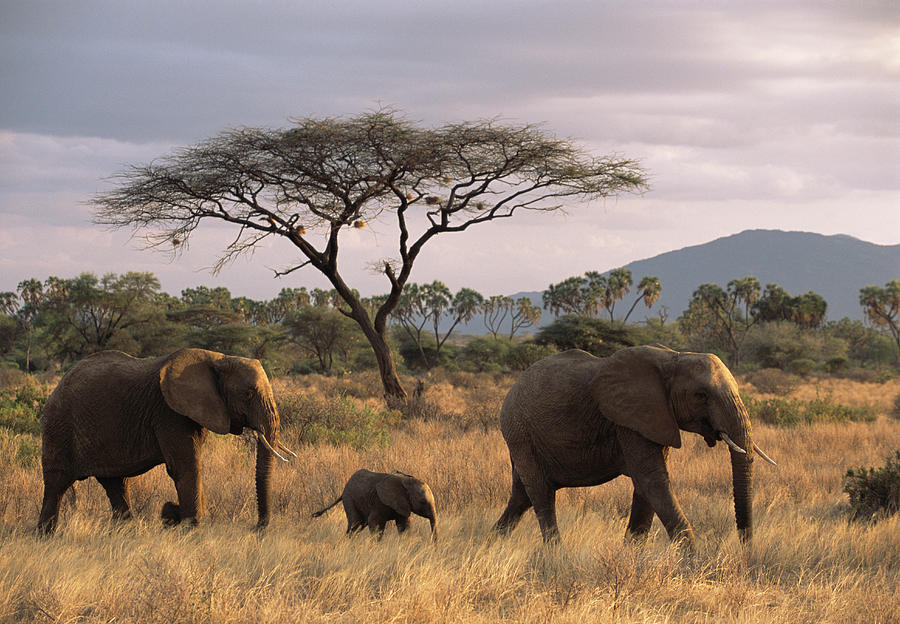 Safari Planning Guides
Safari Planning Guide for Returning Travelers
Discover how to plan your dream safari with our expert guide on Safari Planning Guide for Returning Travelers. Get tips on destinations, costs, and more.
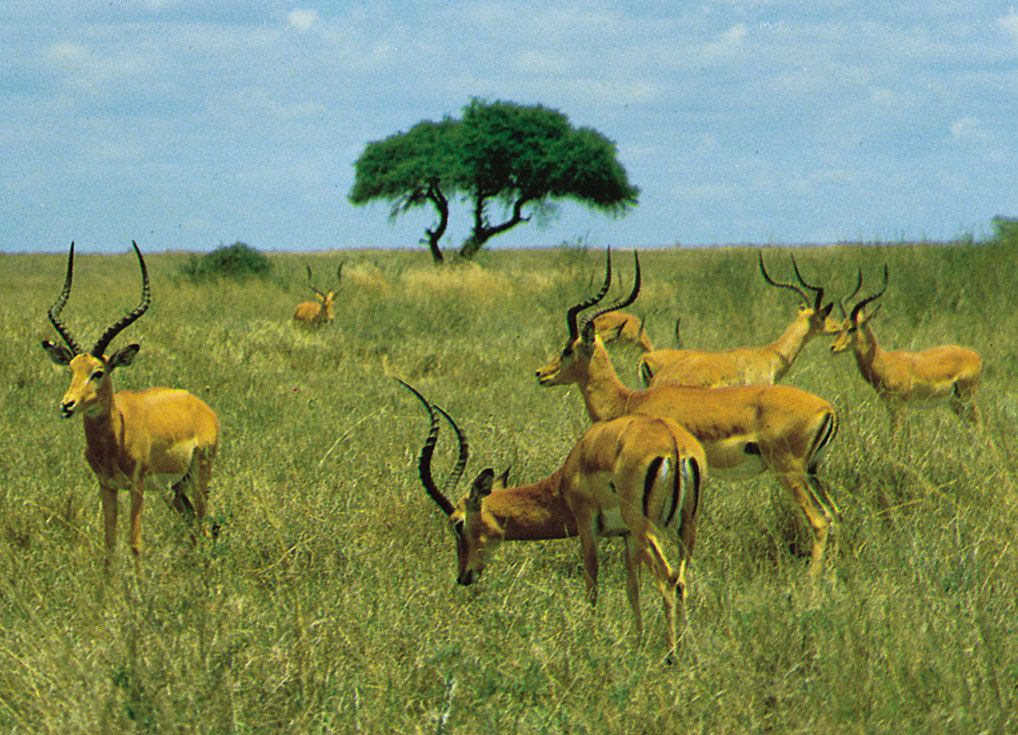 Safari Planning Guides
Safari Planning Guide for Luxury Travelers
Discover how to plan your dream safari with our expert guide on Safari Planning Guide for Luxury Travelers. Get tips on destinations, costs, and more.
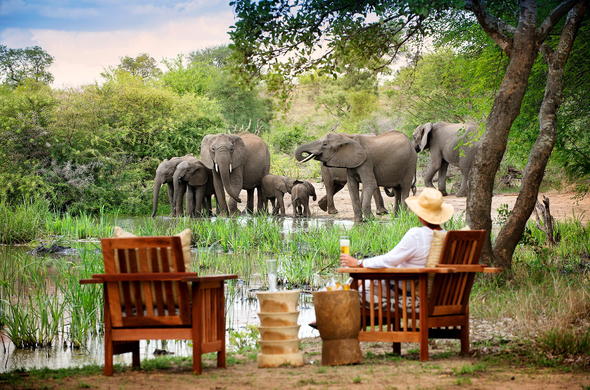 Safari Planning
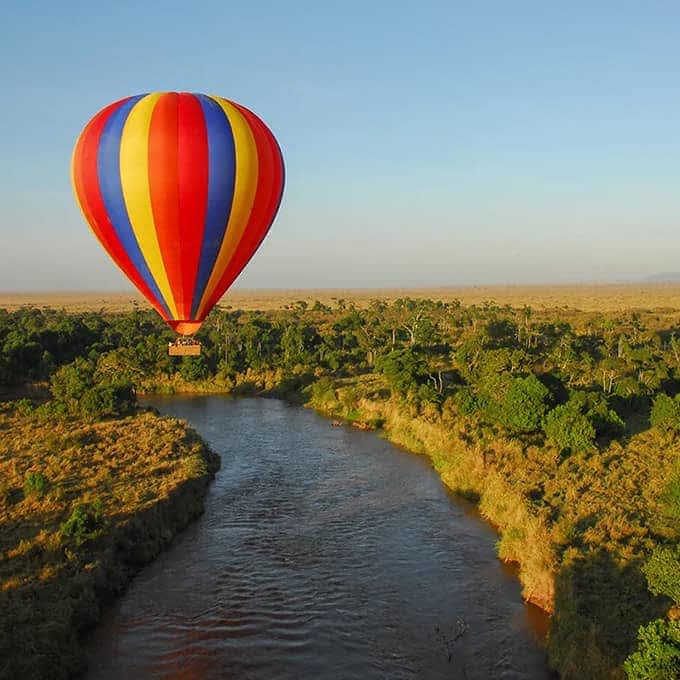
Step-by-Step Guide to Planning an African Safari
Learn how to plan your first African safari with our step-by-step guide. We cover everything from choosing a destination to booking your trip and packing.
 Family Safaris
Safari Age Restrictions Explained
Planning a family safari? Our guide to safari age restrictions explains the rules for game drives, walking safaris, and gorilla trekking in Africa.
 Packing & Preparation
Safari Luggage Weight Restrictions
Learn all about Safari Luggage Weight Restrictions in this comprehensive guide.