
Learn about how to plan a safari with allergies in this comprehensive safari guide covering key insights and practical advice.
Overview
Planning a safari involves many moving parts, and how to plan a safari with allergies is one of the most important considerations. Whether you're a first-time visitor or a seasoned Africa traveler, this guide provides the practical knowledge you need to make informed decisions and create an unforgettable experience.
What You Need to Know
A deeper look at how to plan a safari with allergies reveals important connections to other aspects of safari planning. Your choice of destination, timing, accommodation, and activities all influence each other, creating a web of decisions that benefit from expert guidance. Our knowledge center covers these interconnected topics comprehensively.
Still researching? Let us help.
Our advisory team has planned safaris across 9 African countries. We can turn your research into a real plan.
Talk to an AdvisorPractical Considerations
The practical application of how to plan a safari with allergies extends beyond the planning phase into the safari itself. Being well-informed allows you to make better decisions in real-time, whether that means choosing the right game drive timing, understanding animal behavior, or knowing when to ask your guide for more information. Preparation and knowledge transform a good safari into an extraordinary one. Start with our planning resources for a structured approach.
Expert Perspective
The safari industry's leading voices agree that how to plan a safari with allergies is an area where knowledge truly makes a difference. As conservation challenges evolve and tourism patterns shift, staying informed helps travelers make choices that benefit both their experience and the destinations they visit. Browse our operator directory to connect with companies that share this commitment to informed, responsible travel.
Next Steps
As you continue planning your African safari, keep how to plan a safari with allergies in mind as an important piece of the puzzle. The more you understand about the various aspects of safari travel, the better positioned you'll be to create an experience that exceeds your expectations. Explore our destinations, browse the knowledge center, and connect with our safari operators to take the next step in your journey.
Done Reading? Let's Build Your Safari.
Skip the guesswork. Work with an advisor who has been on the ground across East and Southern Africa.
Plan With UsCommon Allergens on Safari: A Deeper Dive
While the magic of the African bush is undeniable, it's also a new environment teeming with potential allergens. Understanding these specific triggers is the first step toward a comfortable and reaction-free safari. Beyond general dust and pollen, let's explore the nuances of what you might encounter.
Pollen: Seasonal and Regional Considerations
Many of Africa's iconic landscapes are defined by their unique flora, which can be a source of airborne allergens.
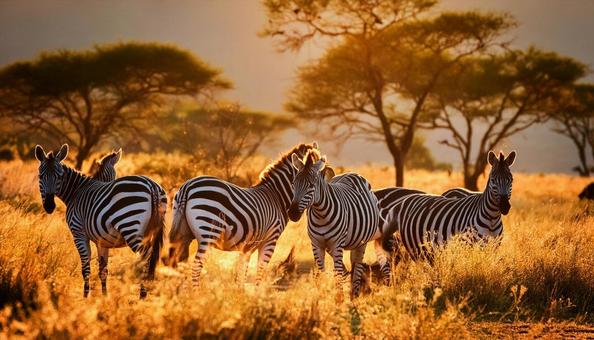
- Acacia Trees: Widespread across East and Southern Africa, particularly in the savannas of the Serengeti and Maasai Mara, acacia trees produce fine, yellow pollen, typically during the dry season (June to October).
- Sausage Trees (Kigelia africana): Found in riverine areas like Zambia's Luangwa Valley, these trees have large, bell-shaped flowers that release significant amounts of pollen, primarily during the late dry season and the start of the rains (September to November).
- Grasses: The vast grasslands of parks like Queen Elizabeth in Uganda or the Kalahari in Botswana produce immense amounts of pollen, especially after the rains begin, which can vary by region.
> Traveler's Tip: If you have a known pollen allergy, consider traveling during the peak of the dry season when pollen counts are generally at their lowest. Our safari operators can help you align your travel dates with lower-pollen periods in your chosen destinations.
Dust: More Than Just Dirt
Safari dust is a persistent reality, but its composition varies significantly, affecting its potential as an irritant.
- Volcanic Soil: The fine, grey dust of the Ngorongoro Conservation Area and parts of the Serengeti is volcanic in origin. It's incredibly light and can hang in the air for extended periods, making it highly pervasive.
- Kalahari Sand: The red sands of the Kalahari Desert, covering much of Botswana and Namibia, are heavier but can still be kicked up by wind and vehicles, creating a haze that can irritate respiratory passages.
Insect-Related Allergies
Beyond the annoyance of a buzzing mosquito, some insects can cause allergic reactions.
- Tsetse Flies: Found in specific woodland areas, such as Tarangire National Park in Tanzania and parts of the Okavango Delta. While their bite is painful, some individuals may experience a more significant allergic reaction with prolonged swelling, redness, and intense itching. Wearing neutral-colored clothing (avoiding blue and black) can help deter them.
- Mosquitoes: The primary concern is malaria, but allergic reactions to mosquito saliva are common. These can result in large, itchy welts known as "skeeter syndrome."
Proactive Food Allergy Management
For travelers with food allergies, clear communication is paramount. The remoteness of many safari camps means that immediate access to specialized medical care is limited, making prevention the best strategy. Fortunately, high-end safari lodges are exceptionally adept at managing dietary needs when given advance notice.
The Pre-Safari Communication Plan
- Initial Booking: Inform your safari operators of all food allergies, intolerances, and their severity right from the start. Be specific: "severe anaphylactic allergy to peanuts and tree nuts" is much more helpful than "nut allergy."
- Lodge Confirmation: We will pass this information to every lodge, camp, and transfer operator on your itinerary. The head chef will personally review your requirements before your arrival.
- Pre-Arrival Check-In: A week before your departure, we reconfirm these details with the camps. This ensures the kitchen is prepared and has sourced any necessary special ingredients.
- Arrival Briefing: Upon arrival at each new property, the camp manager or chef will typically meet with you to discuss your needs and review the menu. This is your opportunity to ask questions and reiterate the importance of avoiding cross-contamination.
> Expert Insight: Many safari kitchens are small and prepare everything from scratch. This is a significant advantage, as chefs have full control over ingredients, unlike in large resort kitchens that rely on pre-packaged foods. They can often bake gluten-free bread daily, create dairy-free sauces from scratch, and design entire menus around your specific needs.
Essential Medical Preparations
A conversation with your doctor or allergist is a non-negotiable part of your safari planning. Discuss the specifics of your trip, including the remote locations and activities.
Your Safari Medical Kit
Pack a dedicated, clearly-labeled medical kit that remains in your carry-on luggage at all times. Never place essential medications, especially EpiPens, in your checked baggage.
- Epinephrine Auto-Injectors (EpiPens): If you have a history of anaphylaxis, carry at least two auto-injectors. Check their expiration dates and ensure you have a letter from your doctor explaining their necessity.
- Antihistamines: Pack both non-drowsy (for daytime relief from pollen/dust) and drowsy formulas (to help you sleep if you have an itchy reaction).
- Topical Steroids: A hydrocortisone cream is invaluable for treating insect bites and localized skin reactions.
- Prescription Medications: Bring an ample supply of any regular prescription medications, along with copies of the prescriptions themselves.
- Allergy Action Plan: Carry a written document detailing your allergies, your typical reactions, and the step-by-step treatment protocol. Give a copy to your safari guide and any travel companions.
Planning a safari with allergies requires diligence, but it should not be a barrier to experiencing the wonders of Africa. With careful preparation and clear communication, you can focus on the incredible wildlife and landscapes with peace of mind. To start crafting your personalized and allergy-safe journey, plan your safari with our expert team.
Need Expert Safari Guidance?
Get expert advisory support from a firm founded by a former safari guide — with real operational knowledge across 9 African countries and full-journey accountability.
Related Planning Guides
Recommended Reading
 Safari Planning Guides
Safari Planning Guide for First-Time Travelers
Discover how to plan your dream safari with our expert guide on Safari Planning Guide for First-Time Travelers. Get tips on destinations, costs, and more.
 Safari Planning Guides
Safari Planning Guide for Returning Travelers
Discover how to plan your dream safari with our expert guide on Safari Planning Guide for Returning Travelers. Get tips on destinations, costs, and more.
 Safari Planning Guides
Safari Planning Guide for Luxury Travelers
Discover how to plan your dream safari with our expert guide on Safari Planning Guide for Luxury Travelers. Get tips on destinations, costs, and more.
 Safari Planning
Step-by-Step Guide to Planning an African Safari
Learn how to plan your first African safari with our step-by-step guide. We cover everything from choosing a destination to booking your trip and packing.
 Safari Planning
How to Plan Your First African Safari
Learn how to plan your first African safari with expert tips on destinations, timing, costs, and choosing the right operator.
 Safari Planning
Safari Planning Timeline – When to Book Your Trip
Learn the ideal safari planning timeline for booking your African adventure. Our guide covers when to book for the best lodges, prices, and experiences.