
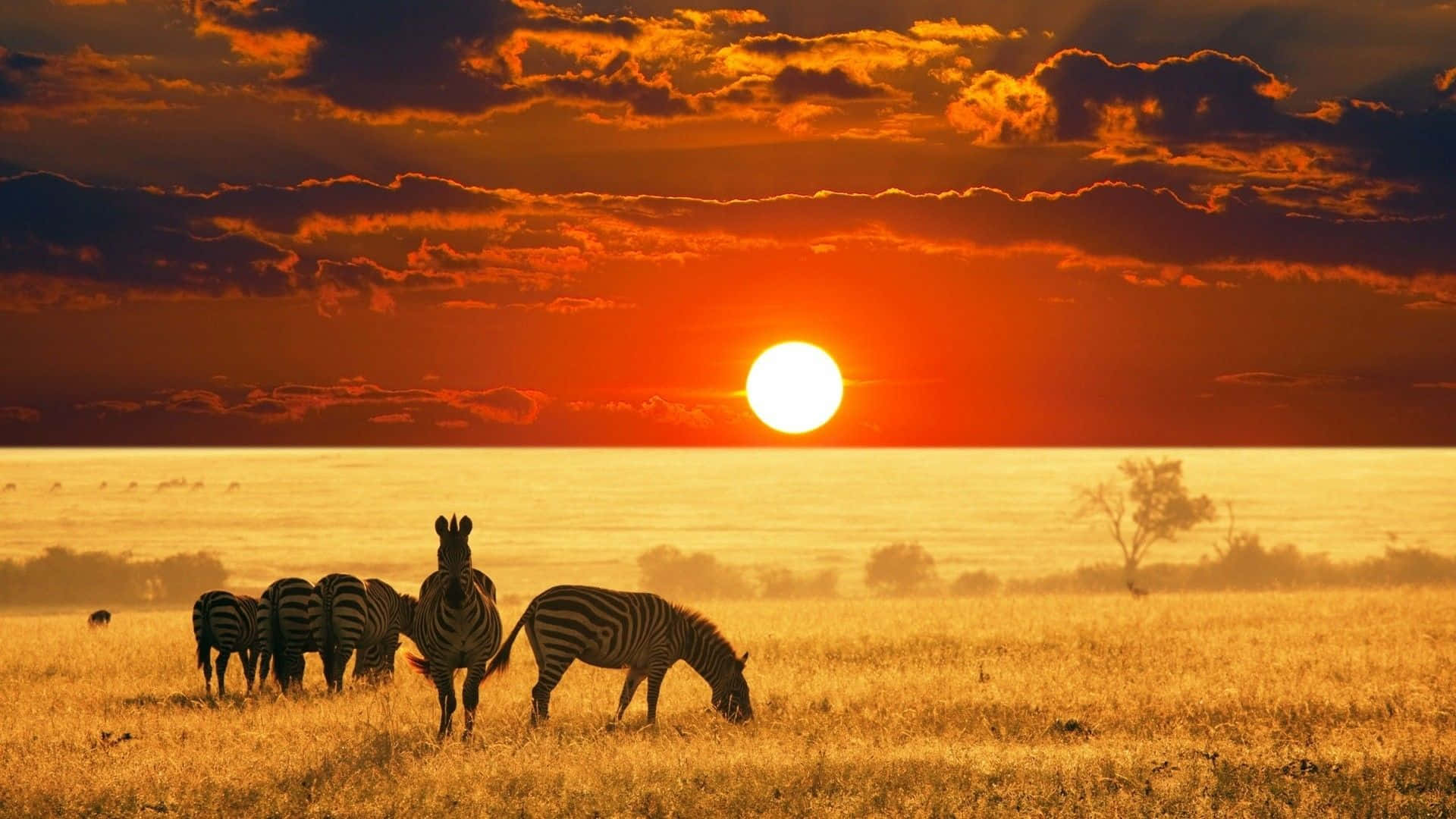
Learn all about Safari Luggage Weight Restrictions in this comprehensive guide.
Understanding the Climate and Terrain in Africa
When packing for a safari in Africa, it's essential to consider the local climate and terrain. Africa has a diverse landscape, from vast plains to dense forests. Temperatures can fluctuate significantly, with warm days and cool evenings. Lightweight, breathable fabrics are your best friend. For more on planning your trip, see our destination guide for Africa.
Essential Clothing Items
Neutral-colored clothing is highly recommended to blend in with the environment and avoid startling the wildlife. Think khaki, olive, and brown. You'll want to pack a mix of short-sleeved shirts and long-sleeved shirts for sun protection. A lightweight waterproof jacket is also a must, as rain showers can be unpredictable. For personalized packing advice, consider consulting with one of our safari operators.
Still researching? Let us help.
Our advisory team has planned safaris across 9 African countries. We can turn your research into a real plan.
Talk to an AdvisorFootwear for All Activities
Comfortable, broken-in walking shoes are non-negotiable. Whether you're on a walking safari or just exploring your lodge, you'll be on your feet a lot. A pair of sandals or flip-flops is also great for relaxing at the lodge. If you're planning any strenuous hikes, be sure to bring appropriate hiking boots. Our safari cost calculator can help you budget for any specialized gear you may need to purchase.
Sun and Insect Protection
A wide-brimmed hat, sunglasses, and high-SPF sunscreen are crucial for protecting yourself from the African sun. Insect repellent is also a must, especially in the evenings. Look for a repellent containing DEET for the most effective protection against mosquitoes and other biting insects. For more health and safety tips, visit our knowledge base.
Evening and Lodge Attire
Evenings on safari can be a mix of casual and smart-casual. Most lodges have a relaxed dress code, but it's always a good idea to pack a slightly nicer outfit for dinner. A pashmina or wrap is perfect for adding a touch of warmth and style. Before you book, be sure to research safari operators in Africa to understand the specific dress codes at their lodges.
Done Reading? Let's Build Your Safari.
Skip the guesswork. Work with an advisor who has been on the ground across East and Southern Africa.
Plan With UsWhy Luggage Restrictions Are So Strict in Safari Destinations
Many travelers assume the strict luggage rules are simply a matter of limited space on small aircraft. While that is a primary factor, the reality is more complex and rooted in the unique logistics of remote safari operations. Understanding the "why" behind the weight and size limits can help you pack more effectively and avoid stressful last-minute surprises.
The most significant factor is the type of aircraft used to access remote lodges and camps. Airlines like SafariLink in Kenya and Coastal Aviation in Tanzania primarily use light aircraft such as the Cessna Grand Caravan. These planes are ideal for landing on the short, unpaved, and often rugged airstrips found in national parks and conservancies. These airstrips lack the infrastructure of commercial airports, and the aircraft have strict weight and balance requirements for safe takeoff and landing. An extra 10 kilograms per passenger can dramatically alter the aircraft's performance, especially in the hot conditions common in Africa.
Furthermore, the luggage pods on these aircraft are small and irregularly shaped. This is why soft-sided bags, like duffels, are mandatory. Hard-shell suitcases or bags with rigid frames simply cannot be squeezed into the available space. Even bags with wheels can be problematic if the frame is too inflexible.
> Expert Insight: It's not just about the flight. Once you land, your luggage will be transported in a safari vehicle, often a Toyota Land Cruiser or Land Rover. Space is at a premium, and your bag will likely be stored on the roof rack or in the back. A soft, pliable bag is far easier for your driver-guide to pack and secure, especially when sharing the vehicle with other guests.
Regional Variations and Specific Limits
While the general rule is a soft-sided duffel bag weighing between 15-20 kg (33-44 lbs), the exact restrictions can vary by country and even by the specific internal airline. It is crucial to check the rules for your exact itinerary with one of our safari operators before you travel.
| Region/Country | Typical Weight Limit (including hand luggage) | Bag Type & Notes | | :--- | :--- | :--- | | East Africa (Kenya, Tanzania) | 15 kg (33 lbs) | Soft-sided bag with no wheels. Dimensions are often specified, typically around 60cm x 30cm x 25cm. | | Southern Africa (Botswana, Zambia, Zimbabwe) | 20 kg (44 lbs) | Soft-sided bag. Some operators in Botswana are extremely strict due to the very small planes used for accessing Okavango Delta camps. | | South Africa | 20 kg (44 lbs) | More flexibility on some routes, especially to larger airports like Skukuza (Kruger), but internal camp-to-camp flights will have stricter limits. |
Case Study: The Cost of an Oversized Bag
A couple traveling to Botswana's Okavango Delta arrived at the Maun airport with stylish hard-shell suitcases, each weighing 23 kg. They were informed by the charter airline that their bags would not fit on the plane. They were given two choices: repack into duffel bags purchased at the airport shop and leave a significant portion of their belongings behind, or pay for a private charter flight at a cost of over $1,500 to transport their luggage. This unexpected expense and stressful situation could have been easily avoided by adhering to the packing guidelines provided.
Smart Strategies for Packing Within the Limits
Meeting the luggage restrictions doesn't mean you have to compromise on comfort. It simply requires strategic packing.
- Choose the Right Bag: The ideal safari bag is a durable, waterproof, soft-sided duffel bag without wheels or a rigid frame. Brands like The North Face, Patagonia, and Filson offer excellent options.
- Use Packing Cubes: These small organizers are a game-changer. They allow you to compartmentalize your clothing and compress them to save space, making it easier to find what you need without unpacking your entire bag.
- Leverage Lodge Laundry Services: Nearly all safari lodges and camps offer laundry services, which are often complimentary or available for a small fee. This is the single most effective way to reduce the amount of clothing you need to pack. Plan to have your clothes laundered every 2-3 days.
- Wear Your Heaviest Items: Travel in your heaviest and bulkiest items, such as hiking boots, a fleece jacket, and a hat. This keeps them out of your main luggage, saving precious kilograms.
> Traveler's Tip: Pack a small, collapsible daypack in your main duffel. You can use it for your camera, binoculars, and water bottle during game drives, and it can double as your carry-on for internal flights.
Handling Special Equipment: Cameras and Medical Devices
For photographers carrying extensive camera gear or travelers with essential medical equipment, the standard luggage limits can be a concern. The key is to communicate your needs well in advance.
Most internal airlines will allow you to purchase an extra seat for your equipment. This is a common practice for professional photographers and ensures your delicate gear travels safely in the cabin with you. The cost is simply the price of one more passenger on that flight segment. This must be arranged at the time of booking, so be sure to discuss your needs with your safari planner. For more guidance on planning your trip, visit our plan your safari page.
Need Expert Safari Guidance?
Get expert advisory support from a firm founded by a former safari guide — with real operational knowledge across 9 African countries and full-journey accountability.
Related Planning Guides
Recommended Reading
 Travel Logistics
Safari Luggage Restrictions for Light Aircraft
Flying on a small bush plane is a quintessential safari experience. Our guide to luggage restrictions for light aircraft will help you pack smart and avoid any issues.
 Travel Logistics
Safari Luggage Restrictions for Charter Flights
Charter flights offer flexibility and convenience, but they also have luggage restrictions. Learn what you need to know before you book a charter flight for your safari.
 Family Safaris
Safari Age Restrictions Explained
Planning a family safari? Our guide to safari age restrictions explains the rules for game drives, walking safaris, and gorilla trekking in Africa.
 Safari Travel Tips
Safari Luggage Tips
Master the art of safari packing with our expert guide. Learn what to bring, what to leave behind, and why soft-sided luggage is essential for your African adventure.
Safari Planning GuidesHow to Plan a Safari With Dietary Restrictions
Learn about how to plan a safari with dietary restrictions in this comprehensive safari guide covering key insights and practical advice.
 Travel Logistics
Safari Luggage Storage Options
Don\