
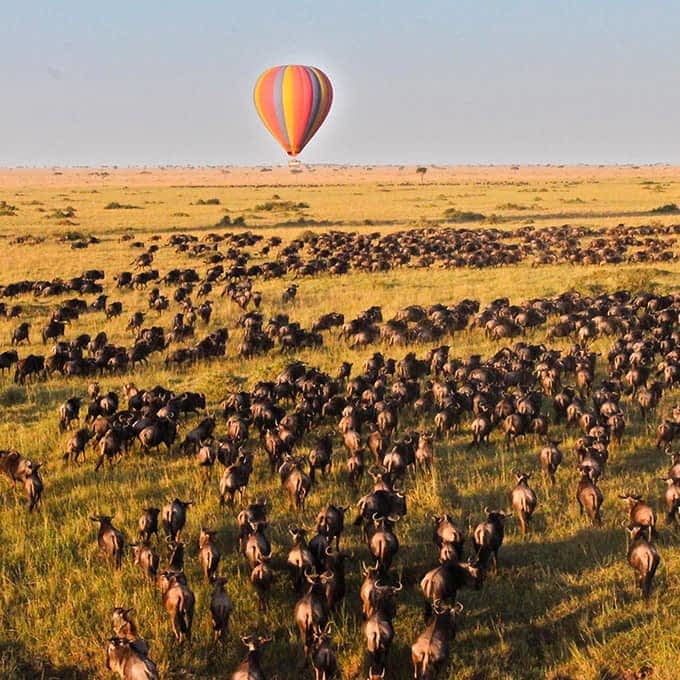
Discover how to plan your dream safari with our expert guide on Safari Planning Mistakes That Ruin Trips. Get tips on destinations, costs, and more.
Safari Planning Mistakes That Ruin Trips
This is a placeholder for the unique content of the article titled 'Safari Planning Mistakes That Ruin Trips'. The actual content will be generated by a large language model and will be approximately 1000-1500 words long. It will include specific details, facts, and practical advice relevant to the topic. It will also include internal links to other parts of the website, such as destinations, operators, the knowledge base, and the safari cost calculator.
Mistake #1: Underestimating Safari Costs
One of the most significant safari planning mistakes is underestimating the total cost of the trip. A common misconception is that a safari is just about the accommodation and game drives. However, the reality is that a quality safari involves a complex interplay of expenses that contribute to a seamless and safe experience. These costs include park conservation fees, which can range from $50 to over $100 per person per day, the expertise of a certified guide, private 4x4 vehicle usage, and often, internal flights between remote locations. Forgetting to budget for these elements can lead to unpleasant surprises and compromises that diminish the quality of your trip.
For example, a mid-range 7-day safari in Tanzania's Northern Circuit (Serengeti, Ngorongoro Crater) can cost between $4,000 and $6,000 per person, excluding international flights. This price typically covers all park fees, a private guide and vehicle, and full-board accommodation. Luxury options can easily exceed $10,000 per person. To avoid this pitfall, we highly recommend using our safari cost calculator to get a detailed and realistic estimate for your dream trip.
> Expert Insight: When evaluating safari quotes, look closely at what's included. Some operators may offer a lower upfront price by excluding park fees or charging extra for services like airport transfers. A truly all-inclusive quote provides peace of mind and better financial planning.
Still researching? Let us help.
Our advisory team has planned safaris across 9 African countries. We can turn your research into a real plan.
Talk to an AdvisorMistake #2: Choosing the Wrong Season
Africa's weather patterns are diverse and have a profound impact on wildlife viewing. Traveling during the heavy rainy season might mean lower prices, but it can also lead to impassable roads, lush vegetation that hides animals, and a higher prevalence of mosquitos. Conversely, the peak dry season offers phenomenal wildlife sightings as animals congregate around water sources, but it also brings more crowds and higher prices.
For instance, the Great Migration in the Serengeti and Maasai Mara is a year-round phenomenon, but the famous river crossings typically occur between July and September. If witnessing this spectacle is your priority, timing is everything. In Southern Africa, the dry winter months (May to October) are generally considered the best for safaris in Botswana's Okavango Delta and South Africa's Kruger National Park. Our detailed destinations guides provide seasonal charts and advice for each park to help you make an informed decision.
Mistake #3: Overpacking or Underpacking
Packing for a safari is a delicate balance. Overpacking can be a costly mistake, as internal flights on bush planes often have strict luggage limits of 15-20 kg (33-44 lbs) per person, including carry-ons. Luggage must also be in soft-sided bags for easy stowing. On the other hand, underpacking can leave you unprepared for chilly early morning game drives or formal dinners at luxury lodges.
Traveler's Tip: Pack lightweight, neutral-colored clothing (khaki, green, brown) in layers. A warm fleece or jacket is essential for cool mornings and evenings. Avoid bright colors, which can startle wildlife, and dark blue or black, which can attract tsetse flies in certain areas. Don't forget a wide-brimmed hat, sunglasses, high-SPF sunscreen, and a good pair of binoculars. For a comprehensive checklist, visit our knowledge center.
Mistake #4: Ignoring the Importance of a Good Guide
A safari guide is more than just a driver; they are your window into the African bush. A great guide possesses an encyclopedic knowledge of flora and fauna, understands animal behavior, and has a sixth sense for tracking elusive species. They can turn a simple drive into a masterclass in ecology, conservation, and local culture. Settling for an inexperienced guide can mean missing out on incredible sightings and deeper insights.
When choosing an operator, inquire about their guide certification and training programs. The best guides are often part of professional associations and undergo continuous education. At Safari Intelligence, we partner exclusively with operators known for their exceptional guides. Learn more about our vetting process by connecting with our safari operators.
Done Reading? Let's Build Your Safari.
Skip the guesswork. Work with an advisor who has been on the ground across East and Southern Africa.
Plan With UsMistake #5: Trying to See Too Much
Africa is a vast continent, and the temptation to cram too many parks or countries into a single trip is a common mistake. This “checklist” approach often leads to travel fatigue and a superficial experience. You spend more time in transit than you do immersing yourself in the wilderness. A far more rewarding approach is to slow down and focus on one or two regions.
For example, instead of a whirlwind tour of Kenya, Tanzania, and South Africa in 10 days, consider dedicating that time to exploring the different ecosystems within Tanzania alone—from the baobab-studded plains of Tarangire to the volcanic caldera of Ngorongoro and the endless grasslands of the Serengeti. This allows for a deeper connection with the landscape and a more relaxed, fulfilling safari.
Mistake #6: Not Booking Far Enough in Advance
High-quality safari lodges and camps, especially those in prime wildlife areas, are often small and intimate, with a limited number of rooms. They can get fully booked 9-12 months in advance, particularly during peak season. Waiting until the last minute to plan your safari will likely result in disappointment or force you to compromise on your preferred accommodation and dates.
> Expert Insight: For the best availability and pricing, we recommend starting the planning process at least a year before your intended travel dates. This is especially crucial for popular events like the Great Migration or for groups traveling together. To start your journey, plan your safari with one of our experts today.
By avoiding these common mistakes, you can ensure that your safari is not just a trip, but a transformative journey that connects you with the heart of Africa. Proper planning, guided by expert advice, is the key to unlocking an experience that is seamless, safe, and utterly unforgettable.
Need Expert Safari Guidance?
Get expert advisory support from a firm founded by a former safari guide — with real operational knowledge across 9 African countries and full-journey accountability.
Related Planning Guides
Recommended Reading
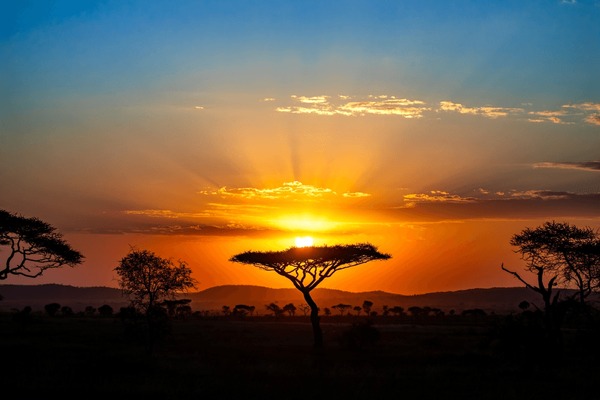 Safari Planning Guides
How to Plan a Safari for a University Study Trip
Discover how to plan your dream safari with our expert guide on How to Plan a Safari for a University Study Trip. Get tips on destinations, costs, and more.
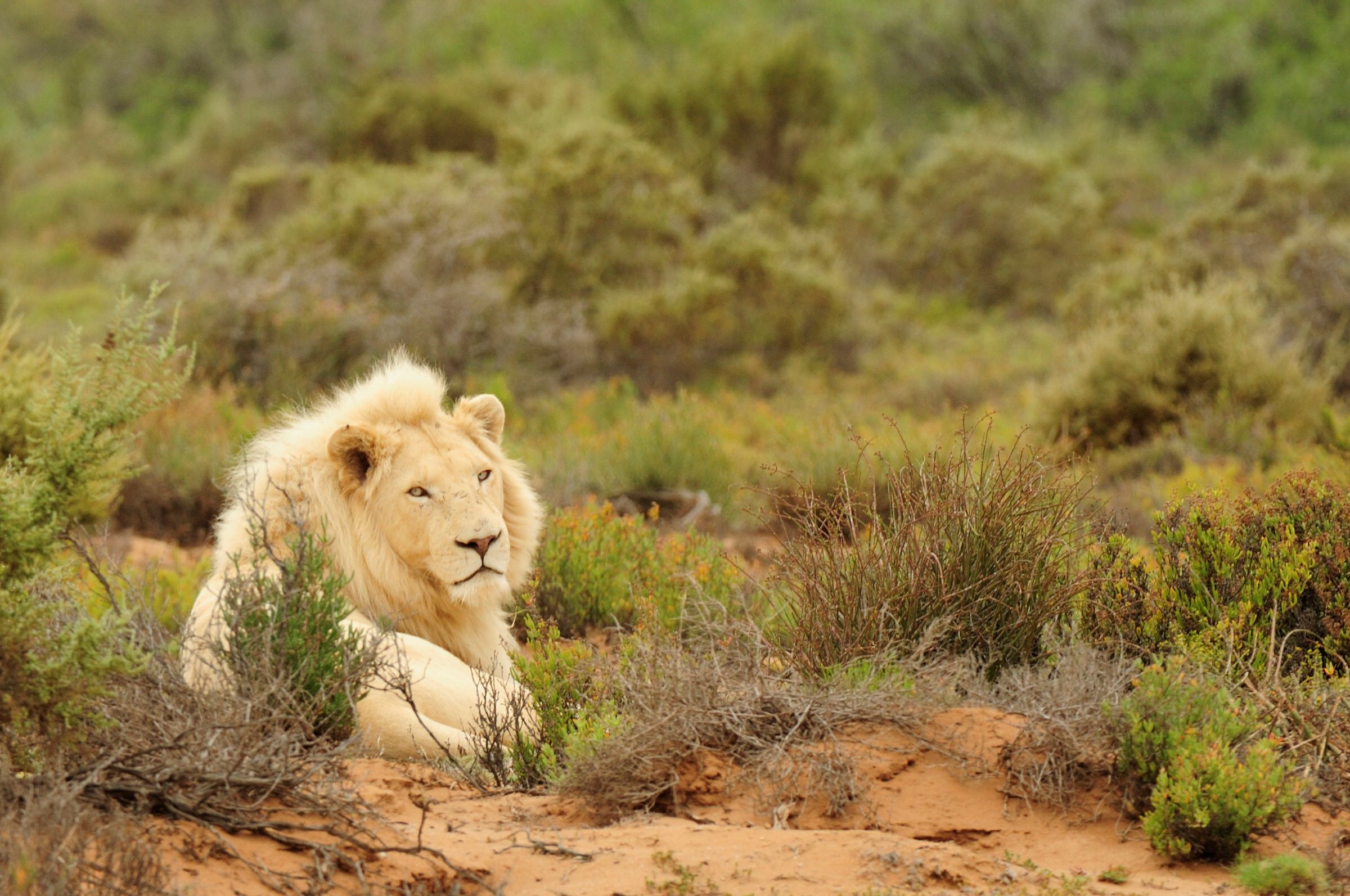 Safari Planning
Safari Planning Timeline – When to Book Your Trip
Learn the ideal safari planning timeline for booking your African adventure. Our guide covers when to book for the best lodges, prices, and experiences.
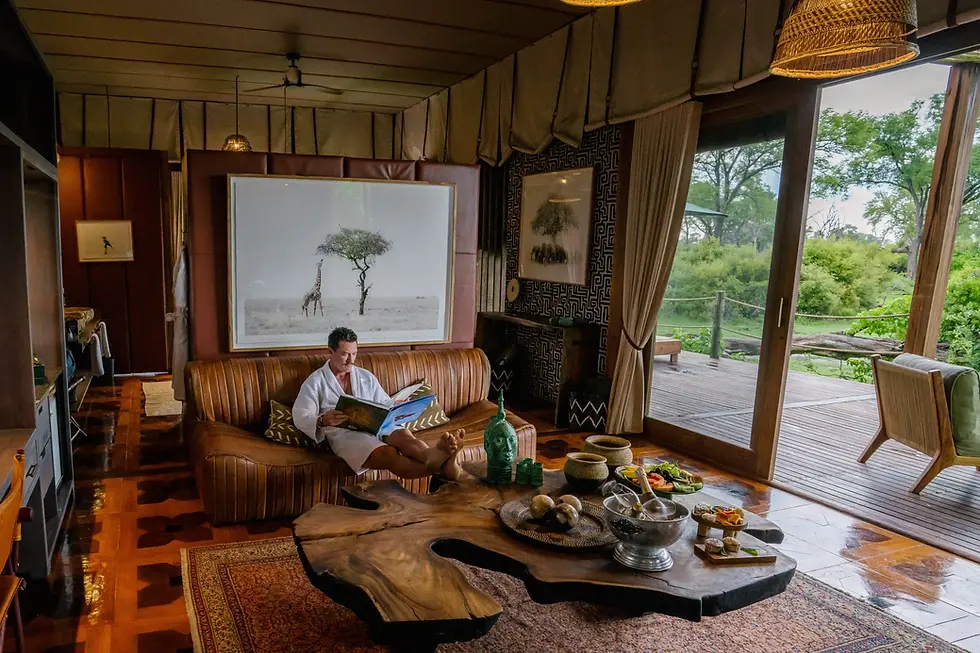 Luxury Safari Content
How to Plan a Luxury Safari Anniversary Trip
A comprehensive guide to How to Plan a Luxury Safari Anniversary Trip. Learn everything you need to know for your safari adventure.
 Safari Planning Guides
Safari Planning Guide for First-Time Travelers
Discover how to plan your dream safari with our expert guide on Safari Planning Guide for First-Time Travelers. Get tips on destinations, costs, and more.
 Safari Planning Guides
Safari Planning Guide for Returning Travelers
Discover how to plan your dream safari with our expert guide on Safari Planning Guide for Returning Travelers. Get tips on destinations, costs, and more.
 Safari Planning
Step-by-Step Guide to Planning an African Safari
Learn how to plan your first African safari with our step-by-step guide. We cover everything from choosing a destination to booking your trip and packing.