
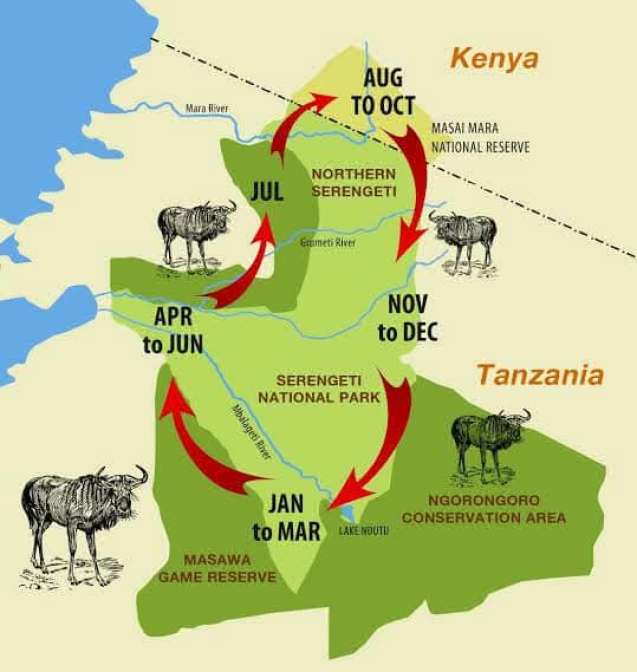
Learn about how to get group safari discounts in this comprehensive safari guide covering key insights and practical advice.
Overview
Understanding the financial aspects of how to get group safari discounts is essential for planning a safari that delivers exceptional value. Safari costs vary significantly based on destination, season, accommodation level, and the specific activities included. This guide breaks down the key cost factors and provides practical budgeting advice to help you plan wisely.
Detailed Analysis
A thorough analysis of how to get group safari discounts reveals nuances that many travelers overlook during initial planning. The safari industry encompasses a wide range of options, from budget-friendly camping safaris to ultra-luxury private conservancy experiences. Each tier offers its own set of advantages and trade-offs. Working with experienced safari operators can help you navigate these options and find the sweet spot that matches your expectations and budget.
Still researching? Let us help.
Our advisory team has planned safaris across 9 African countries. We can turn your research into a real plan.
Talk to an AdvisorPractical Guidance
Putting your understanding of how to get group safari discounts into practice means taking concrete, well-sequenced steps. Begin with thorough research using reliable sources, then compare multiple options before committing. Don't rush the decision-making process, as the best safari experiences are built on careful preparation and realistic expectations. Our team of safari operators can review your plans and offer suggestions based on years of experience in African travel.
Expert Insights
Leading safari guides and travel professionals agree that how to get group safari discounts is an area where knowledge creates meaningful advantages. As the industry evolves and traveler expectations shift, staying informed helps you identify genuine value and avoid common pitfalls. Browse our operator directory to connect with companies that demonstrate transparency, quality, and commitment to responsible tourism.
Planning Your Next Steps
As you continue planning your African safari, keep the insights from how to get group safari discounts in mind as valuable reference points. The more thoroughly you understand the various dimensions of safari travel, the better positioned you'll be to create an experience that exceeds your expectations. Explore our destinations, browse the knowledge center, and connect with our safari operators to take the next confident step in your journey.
Done Reading? Let's Build Your Safari.
Skip the guesswork. Work with an advisor who has been on the ground across East and Southern Africa.
Plan With UsUnderstanding Group Discount Structures
Safari operators and lodges structure group discounts to incentivize larger bookings, which guarantee occupancy and simplify logistics. While there is no universal standard, discounts are typically tiered based on the number of full-paying guests. Understanding these tiers is the first step in maximizing your savings.
| Group Size (Full-Paying Adults) | Typical Discount Range (Per Person) | | :--- | :--- | | 6-8 Guests | 5% - 7% | | 9-12 Guests | 8% - 12% | | 13+ Guests | 12% - 15%+ |
Note: These percentages are illustrative and can vary significantly based on the operator, season, and destination. The discount is usually applied to the per-person sharing rate for accommodation and ground logistics.
> Expert Insight: Some safari operators offer a "group leader" incentive. For example, for every 10 or 15 paying guests, one person (the leader) travels for free or at a 50% discount. This is common for affinity groups, such as university alumni, photography clubs, or yoga retreats, where a designated organizer coordinates the members.
Key Factors That Influence Discount Levels
The percentage discount is not fixed; it's a dynamic figure influenced by several critical factors. Strategic planning around these elements can unlock more substantial savings.
1. Seasonality: The Low-Hanging Fruit
The most significant factor is seasonality. Safari destinations have high, shoulder, and low seasons, each with distinct pricing. Convincing a group to travel during the shoulder or low seasons can dramatically increase your negotiating power.
- High Season (e.g., June-September in East Africa): Demand is at its peak, and lodges are often fully booked. Discounts are minimal and hard to secure.
- Shoulder Season (e.g., April-May, November): With fewer tourists, operators are more willing to offer incentives to fill rooms and vehicles. This is often the sweet spot for balancing good weather, great wildlife viewing, and lower costs.
- Low/Green Season (e.g., March-April in some regions): This period sees the highest rainfall but also lush landscapes and newborn animals. Operators are most flexible, and group discounts can be at their highest.
2. Accommodation Style and Exclusivity
The type of lodging you choose plays a crucial role. Small, exclusive-use villas or boutique camps with only 4-6 rooms have less capacity and therefore less room for discounts. Larger lodges with 20+ rooms have more inventory and are better positioned to offer group rates.
Furthermore, booking a private, exclusive-use camp for a large group can sometimes be more cost-effective than booking multiple rooms in a larger shared lodge. This approach provides unparalleled privacy and a tailored experience, often with its own private guide and vehicle.
> Traveler's Tip: When planning for a group, ask your safari planning guide to compare the cost of booking a block of rooms in a larger lodge versus securing an exclusive-use property. The latter can provide a more intimate and often surprisingly affordable luxury experience.
3. Itinerary Length and Complexity
A longer, more streamlined itinerary gives operators more to work with. A 10-day safari staying at three properties from the same portfolio (e.g., Elewana Collection, Asilia Africa) is more likely to receive a better discount than a 7-day trip with lodges from three competing chains. Loyalty and volume are rewarded.
Structuring Your Group for a Seamless Booking Process
Organizing a group trip can be complex. A well-structured approach not only simplifies the process but also strengthens your position when negotiating discounts.
- Appoint a Single Group Leader: Designate one person as the primary point of contact for all communications with your safari planning guide and the operator. This prevents confusion and streamlines decision-making.
- Align on Priorities and Budget: Before requesting quotes, the group should agree on a realistic per-person budget, preferred travel dates, and "must-have" experiences. This clarity allows your advisor to build a viable itinerary from the start.
- Book Far in Advance: For groups of 8 or more, you should begin planning at least 12-18 months ahead. This is critical for securing availability at popular lodges and locking in rates before annual price increases.
- Flexibility is Key: Even a few days of flexibility in your travel window can open up opportunities for significant savings, especially if your dates can be shifted to the shoulder season.
Case Study: The Henderson Family Reunion Safari
Let's illustrate with a practical example. The Henderson family, a group of 14 adults and 4 children, wanted to plan a 10-day reunion safari in Tanzania.
- Initial Quote (Booking Individually): If each of the seven couples booked separately, the peak-season cost for a popular northern circuit itinerary would be approximately $9,500 per adult.
- Group Approach: By consolidating their booking and working with a safari planning guide, they implemented a group strategy:
- They shifted their travel dates from August to early June (shoulder season).
- They chose lodges from a single, well-regarded operator.
- Their advisor negotiated a group discount based on 14 paying adults.
The Result: The operator provided a 12% discount on the accommodation and ground handling, plus a 50% discount for the group leader (the grandfather organizing the trip). This brought the per-person cost down to approximately $8,200, a saving of $1,300 per person. The total group saving exceeded $18,000, enough to add a hot-air balloon excursion over the Serengeti for everyone.
This case study demonstrates that with strategic planning, the savings from group travel are not trivial; they can fundamentally enhance the quality and scope of your safari.
As you can see, securing a group discount is about more than just asking for one. It requires a strategic approach to timing, accommodation choices, and group coordination. For more tailored advice, we recommend using our safari cost calculator or connecting with our team to plan your safari.
Need Expert Safari Guidance?
Get expert advisory support from a firm founded by a former safari guide — with real operational knowledge across 9 African countries and full-journey accountability.
Related Planning Guides
Recommended Reading
 Safari Cost Guides
Cost of a Group Safari
Planning a safari? Learn about cost of a group safari. Get expert advice and insights from Safari Intelligence to plan your perfect trip.
 Safari Cost Guides
How to Find Safari Deals and Discounts
Learn about how to find safari deals and discounts in this comprehensive safari guide covering key insights and practical advice.
 Safari Cost Guides
How to Get Early Bird Safari Discounts
Learn about how to get early bird safari discounts in this comprehensive safari guide covering key insights and practical advice.
 Safari Comparison Articles
Small Group Safari vs Large Group Safari
An in-depth comparison of Small Group Safari vs Large Group Safari to help you choose the perfect safari experience. Explore the pros, cons, and key differences
 Safari Planning
Private Safari vs Group Safari
Learn the key differences between private and group safaris to decide which is right for you. This guide compares flexibility, cost, and experience.
 Safari Planning Guides
How to Plan a Safari for a Group of Friends
Discover how to plan your dream safari with our expert guide on How to Plan a Safari for a Group of Friends. Get tips on destinations, costs, and more.