
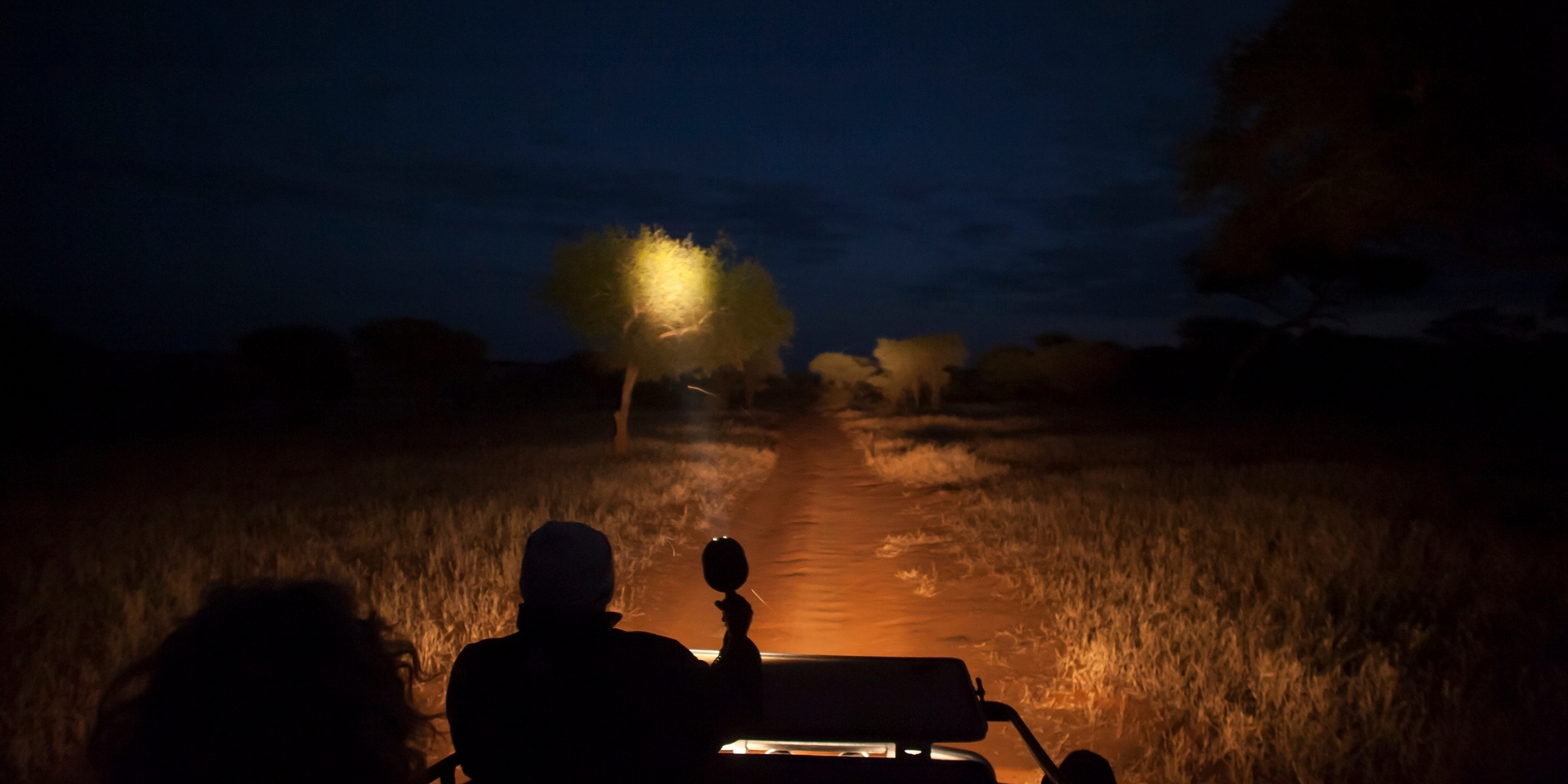
Learn about how safari operators set their prices in this comprehensive safari guide covering key insights and practical advice.
Overview
Understanding the financial aspects of how safari operators set their prices is essential for planning a safari that delivers exceptional value. Safari costs vary significantly based on destination, season, accommodation level, and the specific activities included. This guide breaks down the key cost factors and provides practical budgeting advice to help you plan wisely.
Detailed Analysis
When examining how safari operators set their prices in detail, several important factors come into play. The geographic diversity of African safari destinations means that conditions, pricing, and experiences vary considerably from one region to another. East Africa's open savannas present different considerations than Southern Africa's bushveld or the rainforests of Central Africa. Our destination guides provide region-specific information to help you understand these differences and plan accordingly.
Still researching? Let us help.
Our advisory team has planned safaris across 9 African countries. We can turn your research into a real plan.
Talk to an AdvisorPractical Guidance
From a practical standpoint, how safari operators set their prices requires attention to both the big picture and the fine details. Start by establishing your priorities and non-negotiables: what experiences are most important to you? What's your realistic budget range? Are there specific wildlife encounters or landscapes you're determined to see? Once you've clarified these fundamentals, use our cost calculator to model different scenarios and our operator directory to identify companies that specialize in your preferred type of experience.
Expert Insights
Leading safari guides and travel professionals agree that how safari operators set their prices is an area where knowledge creates meaningful advantages. As the industry evolves and traveler expectations shift, staying informed helps you identify genuine value and avoid common pitfalls. Browse our operator directory to connect with companies that demonstrate transparency, quality, and commitment to responsible tourism.
Planning Your Next Steps
Whether you're in the early dreaming stages or actively finalizing your safari plans, the knowledge gained from understanding how safari operators set their prices contributes to a more rewarding and stress-free experience. Use the resources available on Safari Intelligence, including our cost calculator, operator directory, and destination library, to build confidence in every planning decision you make.
Done Reading? Let's Build Your Safari.
Skip the guesswork. Work with an advisor who has been on the ground across East and Southern Africa.
Plan With UsThe Impact of Seasonality on Pricing
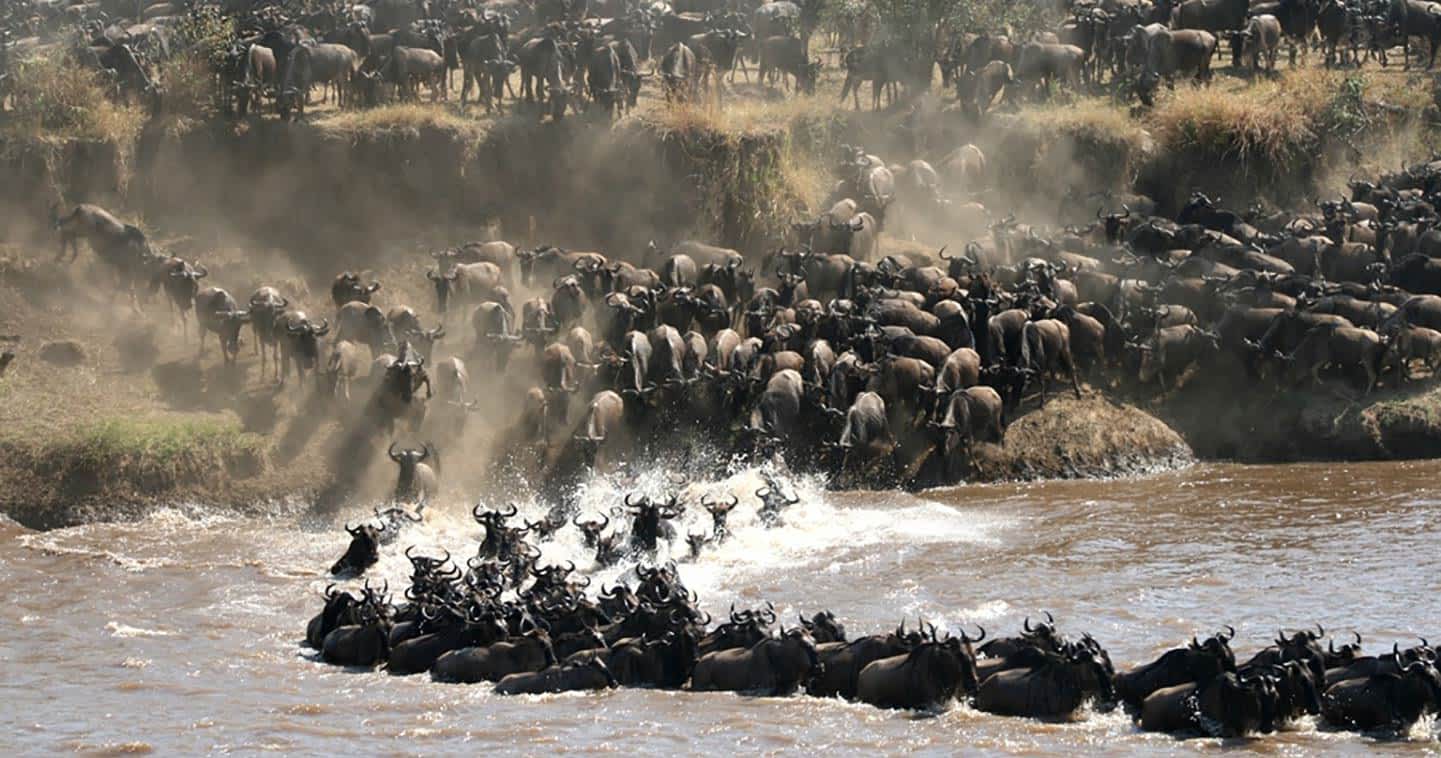
One of the most significant factors influencing safari pricing is seasonality. Prices are not static; they fluctuate based on demand, weather patterns, and wildlife movements. For example, a safari in Tanzania's Serengeti National Park during the peak season (June to October) will cost substantially more than the same itinerary during the green season (March to May). During these peak months, the weather is dry and pleasant, and the Great Migration's dramatic river crossings occur in the northern Serengeti, driving demand sky-high. A luxury tented camp might charge $2,000 per person per night.
Conversely, during the green season, the landscape is lush and beautiful, there are fewer tourists, and many animals are giving birth. While there's a higher chance of rain, the wildlife viewing remains excellent. That same luxury camp might lower its rate to $1,200 per person per night to attract travelers, representing a 40% reduction. Understanding these seasonal dynamics allows you to align your budget with your priorities—whether that's witnessing a specific event like the migration or enjoying a quieter, more affordable experience.
Case Study: Mid-Range vs. Luxury Botswana Safari
To illustrate how accommodation choices impact price, let's compare two hypothetical 7-day safaris to Botswana's Okavango Delta. Both itineraries include charter flights, guided activities, park fees, and all meals, but they use different tiers of camps.
- Mid-Range Itinerary: This option utilizes well-regarded camps like Moremi Crossing and Gunn's Camp. These camps offer comfortable tented accommodation, excellent guides, and access to prime wildlife areas. The estimated cost for this safari would be approximately $7,000 to $9,000 per person.
- Luxury Itinerary: This option features world-renowned luxury lodges such as Mombo Camp or Vumbura Plains. These properties offer unparalleled exclusivity, expansive private suites with plunge pools, gourmet dining, and access to private concessions with high concentrations of wildlife. The estimated cost for this safari would be $15,000 to $20,000+ per person.
The price difference reflects the level of exclusivity, service, and luxury. While both travelers will experience the magic of the Okavango Delta, the luxury option provides a more private and pampered experience, demonstrating how operators scale prices based on the tier of accommodation and service provided.
Breaking Down the Safari Bill: From Park Fees to Private Guides
Beyond accommodation and season, several other critical costs are built into a safari package. Understanding these line items is key to appreciating the value you receive. Safari operators don't just book a lodge; they assemble a complex logistical puzzle where every piece has a price.
Park, Concession, and Conservation Fees
A significant and non-negotiable portion of your safari cost goes directly to conservation and park management. These fees vary dramatically by country and type of reserve. For instance, a self-driving visitor to South Africa's Kruger National Park pays a daily conservation fee of around $30 USD per person. In contrast, the adjacent private reserves of the Sabi Sand Nature Reserve bundle their higher fees into the luxury lodge rates, which contribute to anti-poaching units and community projects.
In Tanzania, the fees are even more complex. A visit to the Ngorongoro Crater involves a daily conservation area fee of about $71 per person, plus a one-time crater service fee of nearly $300 per vehicle. These government-mandated fees are a fixed cost that operators must include, forming the baseline price of entry to these world-class wildlife areas. When comparing quotes, it's crucial to check if these fees are all-inclusive. Our destination guides provide detailed breakdowns of park fees for major safari countries.
The Logistics of Transportation
Getting to and around remote safari destinations is often one of the largest cost drivers. Operators choose from three main methods:
- Road Transfers: Using a 4x4 vehicle is the most economical option for shorter distances, such as traveling from Arusha, Tanzania, to nearby Tarangire National Park. However, for longer journeys, like reaching the northern Serengeti, road travel can consume an entire day.
- Scheduled Flights: Regional airlines like Auric Air in Tanzania or SafariLink in Kenya operate scheduled flights between major hubs and remote bush airstrips. A one-way flight from Arusha to the Serengeti might cost between $250 and $400 per person. This saves immense time and is the standard for many fly-in safaris.
- Private Charter Flights: For ultimate flexibility and access to the most secluded camps, a private charter is the pinnacle of safari travel. While it eliminates waiting and connects bespoke itineraries, the cost can run into thousands of dollars, significantly increasing the overall price.
The operator's choice of transport method directly reflects the safari's price point and efficiency. A fly-in safari to Botswana's Okavango Delta is inherently more expensive than a driving circuit in South Africa.
High-Value vs. Standard Activities
Standard game drives are included in nearly all safari packages, but specialized, high-value activities add considerable cost. A hot air balloon ride over the Maasai Mara at sunrise, for example, typically costs $500 to $600 per person. A guided bush walk offers a different perspective but may also come at a premium.
The most prominent example is gorilla trekking. A permit to see mountain gorillas in Uganda costs $800 per person, while in Rwanda, it is $1,500. This single, non-refundable fee is a direct cost passed on by the operator. Therefore, an itinerary that includes gorilla trekking will be substantially more expensive than one focused solely on savanna wildlife. When planning your trip, consider which bucket-list experiences are worth the added investment and consult with our safari operators to integrate them seamlessly.
Need Expert Safari Guidance?
Get expert advisory support from a firm founded by a former safari guide — with real operational knowledge across 9 African countries and full-journey accountability.
Related Planning Guides
Recommended Reading
 Safari Operator Articles
How Safari Operators Set Itineraries
An inside look at how safari operators design and plan itineraries to create a seamless and unforgettable African safari experience.
 Safari Cost Guides
Safari Cost Comparison International vs Local Operators
Learn about safari cost comparison international vs local operators in this comprehensive safari guide covering key insights and practical advice.
 Safari Cost Guides
How Fuel Prices Affect Safari Costs
Learn about how fuel prices affect safari costs in this comprehensive safari guide covering key insights and practical advice.
 Safari Operator Articles
International Safari Operators vs Local Safari Operators
A comparison of international and local safari operators to help you decide which is the right choice for your African safari.
 Safari Operator Articles
Large Safari Operators vs Small Safari Operators
A comparison of large and small safari operators to help you decide which is the right fit for your African safari adventure.
 Safari Comparison Articles
Safari With International Operator vs Local Operator
An in-depth comparison of Safari With International Operator vs Local Operator to help you choose the perfect safari experience. Explore the pros, cons, and key