

An inside look at how safari operators design and plan itineraries to create a seamless and unforgettable African safari experience.
The Art and Science of Itinerary Design
Creating a great safari itinerary is both an art and a science. It requires a deep understanding of the destinations, a keen sense of logistics, and a creative touch. Safari operators consider a variety of factors when designing an itinerary, including the time of year, the movement of wildlife, the interests of the traveler, and the budget. The goal is to create a journey that is both exciting and seamless, with a good balance of activities and relaxation. Our safari operators are masters of itinerary design.
Key Factors in Itinerary Planning
When planning an itinerary, safari operators consider several key factors. These include the travel time between destinations, the best time to visit for wildlife viewing, and the availability of accommodation. They also take into account the traveler's interests, whether they are a first-time visitor or a seasoned safari-goer. A good operator will work with you to create a customized itinerary that is tailored to your specific needs and preferences. For itinerary inspiration, visit our destinations page.
Still researching? Let us help.
Our advisory team has planned safaris across 9 African countries. We can turn your research into a real plan.
Talk to an AdvisorThe Role of Local Knowledge
Local knowledge is invaluable in safari itinerary planning. Experienced safari operators have a network of contacts on the ground, including guides, lodge managers, and conservationists. This allows them to stay up-to-date on the latest conditions, such as wildlife movements, road conditions, and weather patterns. This local knowledge enables them to make adjustments to the itinerary as needed to ensure the best possible experience for their clients. For more on planning, visit our knowledge center.
Balancing a Variety of Experiences
A great safari itinerary offers a variety of experiences. This can include a mix of game drives, walking safaris, boat trips, and cultural visits. It can also include a variety of landscapes, from open savannas to dense forests. By combining different activities and environments, a safari operator can create a more dynamic and engaging journey. Use our cost calculator to see how different activities can affect the price of your safari.
The Influence of Seasonal Rains and Animal Migrations
One of the most significant factors shaping a safari itinerary is seasonality. Expert operators design routes that align with weather patterns and the predictable, yet ever-moving, cycles of wildlife. The timing of the rainy seasons dictates everything from road accessibility to animal concentrations. For instance, the long rains in East Africa (typically April to May) can make some remote tracks in parks like the Serengeti or Maasai Mara impassable, while the green season that follows offers lush landscapes and fewer crowds—a trade-off a knowledgeable safari planning guide can help you navigate.
Nowhere is this more critical than with the Great Migration. An itinerary for a July safari in the Serengeti will look vastly different from one in February.
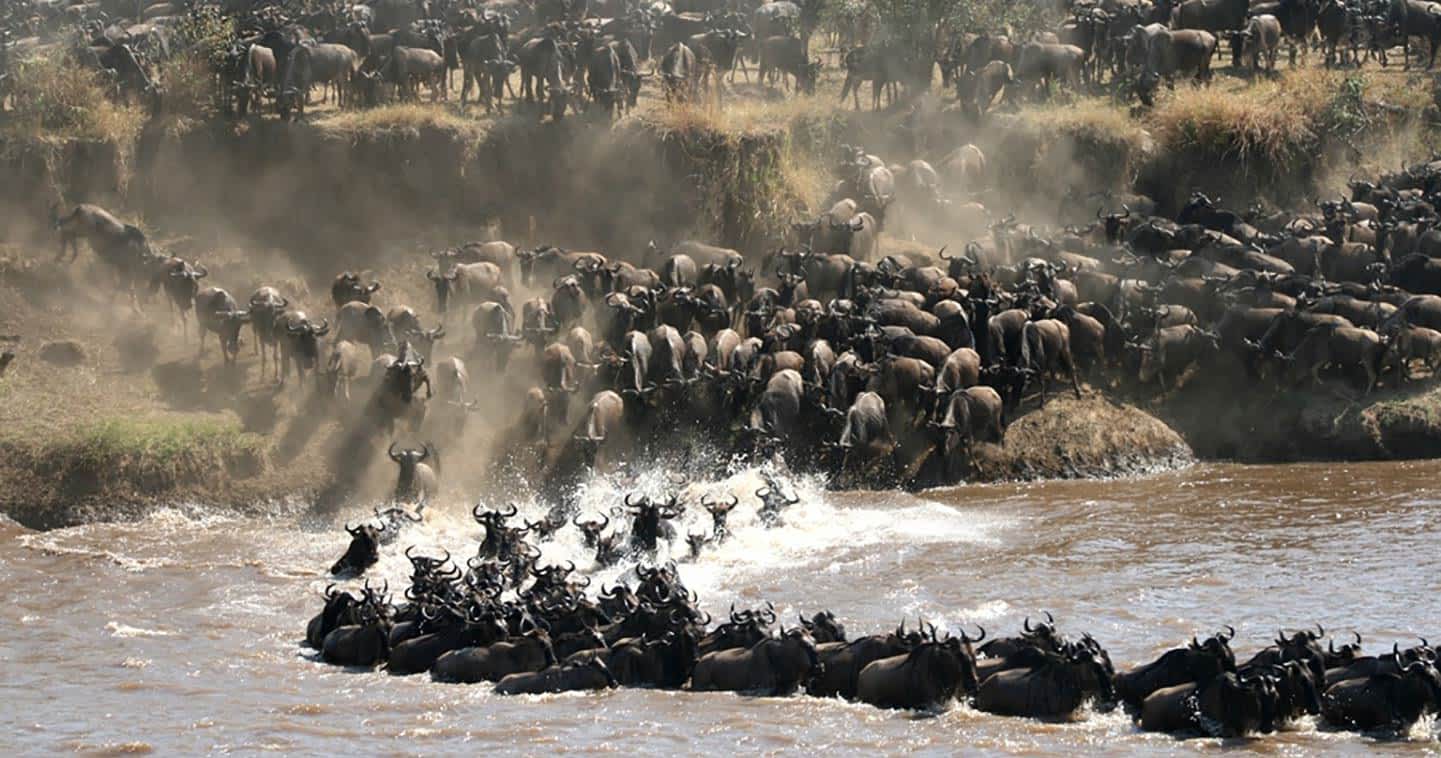
- July-September: The itinerary will focus on the northern Serengeti and the Maasai Mara in Kenya, positioning you to witness the dramatic Mara River crossings. Operators will book camps in the Kogatende or Lamai areas months, if not years, in advance.
- January-March: The focus shifts to the southern Serengeti and the Ndutu Conservation Area, where the wildebeest herds gather for calving season. This offers incredible predator action as lions, cheetahs, and hyenas are drawn to the vulnerable newborns.
A poorly planned itinerary might place you in the wrong part of this massive ecosystem at the wrong time, leading to long, fruitless drives. Understanding these seasonal movements is a hallmark of a truly experienced operator.
Traveler's Tip: Beyond the Great Migration
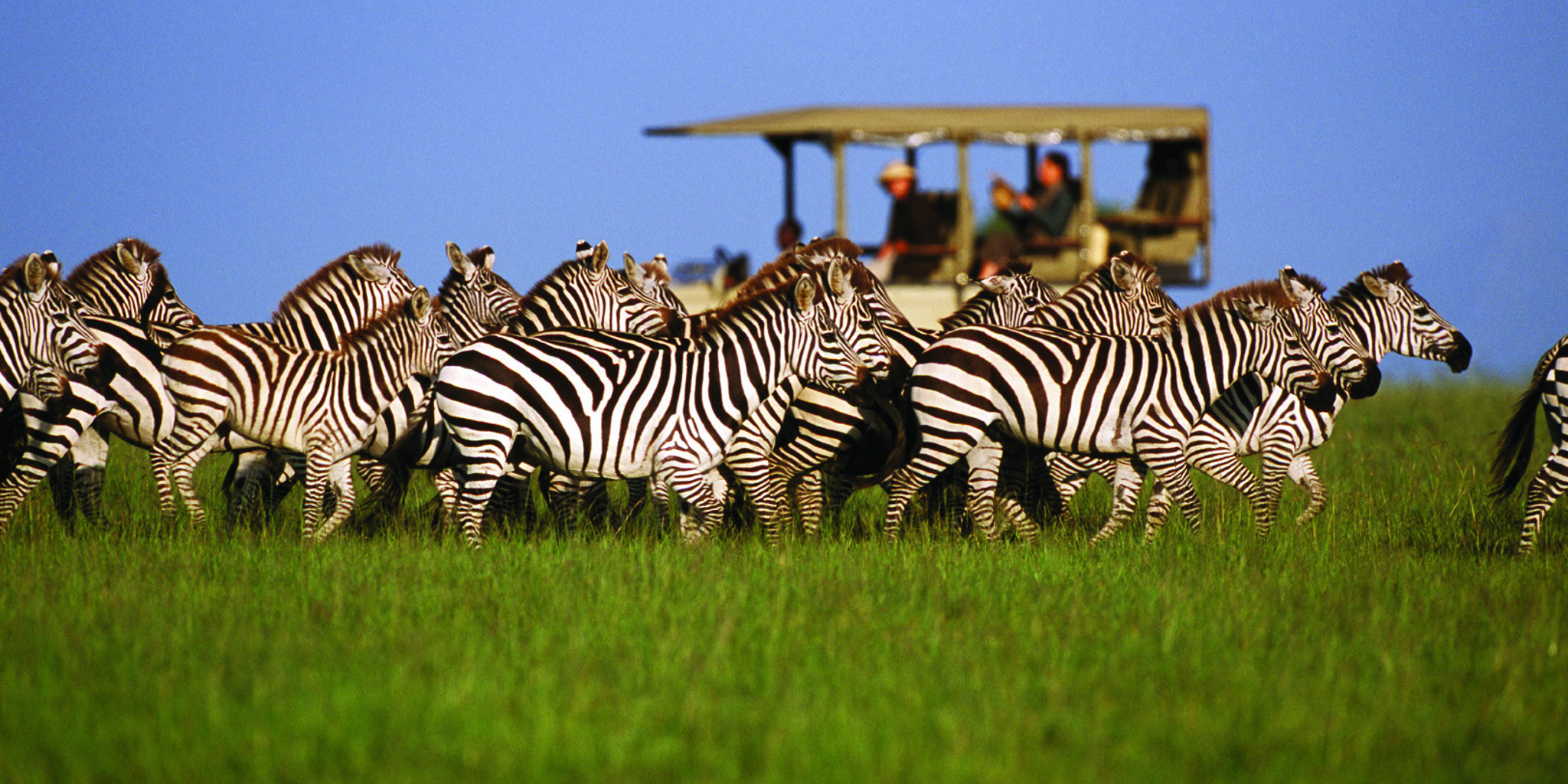
While the Serengeti migration is famous, other ecosystems have their own crucial seasonal movements. In Botswana, the zebra and elephant populations of Chobe National Park disperse during the wet season and congregate in enormous numbers along the Chobe River during the dry months (June to October). A savvy operator will build a dry-season itinerary around boat cruises and drives along the riverfront for spectacular viewing.
Done Reading? Let's Build Your Safari.
Skip the guesswork. Work with an advisor who has been on the ground across East and Southern Africa.
Plan With UsLogistical Realities: The Science of Time and Distance
A common mistake for first-time safari planners is underestimating the sheer size of Africa's national parks and the time it takes to travel between them. A well-crafted itinerary is built on a foundation of logistical realism. Operators must account for:
- Driving Times: A route that looks short on a map can be a full-day journey on unpaved roads. For example, the drive from the Ngorongoro Crater to the Central Serengeti is approximately 145 kilometers (90 miles), but it takes at least 3-4 hours without stops. An operator must factor in time for leisurely game viewing along the way, not just the point-A-to-point-B travel time.
- Park Gate Times: National parks have strict opening and closing times. Itineraries must be structured to ensure you enter before gates close and are settled at your lodge or camp before nightfall. This is a critical safety and regulatory constraint.
- Bush Flights: For itineraries covering vast distances, such as combining the Serengeti with parks in Southern Tanzania like Ruaha or Nyerere National Park, operators use small bush planes. These flights operate on set schedules and have strict luggage weight limits (typically 15kg/33lbs per person in soft-sided bags). The itinerary is therefore built around these flight schedules, dictating the order of parks and the timing of transfers.
An itinerary that promises too much in too little time is a red flag. It often leads to a rushed, "road-warrior" experience where you spend more time traveling than actually enjoying the wildlife. A better approach, often recommended by top safari operators, is to spend more time in fewer locations, allowing for deeper exploration.
Matching the Itinerary to the Traveler's Pace and Interests
Not all travelers are the same, and a one-size-fits-all itinerary rarely works. Operators who excel at crafting personalized journeys will invest time in understanding your specific interests.
- For the Avid Photographer: The itinerary might include lodges with specialized photography hides, private vehicles with dedicated guides who understand lighting and positioning, and more time allocated per sighting.
- For Families with Young Children: The pace will be slower, with shorter driving times and properties that offer family-friendly activities like guided nature walks, swimming pools, or cultural interactions with local communities. The focus will be on engagement and safety, perhaps avoiding areas with higher concentrations of dangerous game.
- For the Adventurous Trekker: The itinerary could incorporate multi-day walking safaris in Zambia’s South Luangwa National Park or chimpanzee trekking in Uganda’s Kibale Forest. These activities require a higher level of fitness and a different logistical approach than a vehicle-based safari.
This is where the value of a detailed conversation with a safari expert becomes clear. By discussing your priorities—be it luxury, adventure, relaxation, or ticking off the "Big Five"—the operator can select the right parks, lodges, and activities. This collaborative process is fundamental to designing a trip that feels right for you. For more ideas, explore our destinations page or the detailed articles in our knowledge center.
Expert Insight: The Financial Blueprint of an Itinerary
Ultimately, the budget is a primary driver of the final itinerary. The cost of a safari is largely determined by the level of accommodation, the mode of transport (driving vs. flying), and the exclusivity of the experience (private vs. shared tours).
- Value & Mid-Range: These itineraries often focus on one or two countries, utilize road transfers to connect parks, and feature a mix of comfortable lodges and permanent tented camps. They provide a fantastic and comprehensive safari experience.
- Luxury & Premier: These itineraries may span multiple countries, rely heavily on bush flights to maximize time on the ground, and feature stays at premier lodges or mobile camps that move with the wildlife. They often include exclusive-use vehicles and a higher degree of personalization.
An expert operator can work within your budget to maximize value. They might suggest traveling in the "shoulder season" (the months just outside of peak season) to get better rates without significantly compromising the wildlife experience. Or they might recommend a route that minimizes costly single-night stays and lengthy transfers. To get a clearer picture of how these factors interact, try our safari cost calculator or plan your safari with one of our planning guides.
Need Expert Safari Guidance?
Get expert advisory support from a firm founded by a former safari guide — with real operational knowledge across 9 African countries and full-journey accountability.
Related Planning Guides
Recommended Reading
 Safari Cost Guides
How Safari Operators Set Their Prices
Learn about how safari operators set their prices in this comprehensive safari guide covering key insights and practical advice.
 Safari Operator Articles
International Safari Operators vs Local Safari Operators
A comparison of international and local safari operators to help you decide which is the right choice for your African safari.
 Safari Operator Articles
Large Safari Operators vs Small Safari Operators
A comparison of large and small safari operators to help you decide which is the right fit for your African safari adventure.
 Safari Operator Articles
Specialist Safari Operators vs General Safari Operators
A comparison of specialist and general safari operators to help you choose the right type of operator for your specific interests.
 Safari Comparison Articles
Safari With International Operator vs Local Operator
An in-depth comparison of Safari With International Operator vs Local Operator to help you choose the perfect safari experience. Explore the pros, cons, and key
 Safari Planning
How to Choose a Safari Operator
Learn how to choose a reputable African safari operator with our expert guide. We cover vetting companies, questions to ask, and understanding safari costs.