

An in-depth comparison of Safari With International Operator vs Local Operator to help you choose the perfect safari experience. Explore the pros, cons, and key
Safari With International Operator vs Local Operator
One of the most common questions we receive from safari travelers relates to safari with international operator vs local operator. After helping hundreds of travelers plan their African adventures, we have compiled this detailed resource to address every aspect of this important topic.
Safety and Health Considerations: Safari With International Operator vs Local Operator
Travel insurance that specifically covers safari activities is strongly recommended. Standard travel insurance policies may not cover all the activities and situations you might encounter on an African safari. Ensure your policy covers medical evacuation, trip cancellation, and activity-specific risks.
Health preparation is an essential component of safari with international operator vs local operator. Consult with a travel medicine specialist at least six weeks before your departure to discuss vaccinations, malaria prophylaxis, and other health precautions specific to your destinations.
Safety is paramount when it comes to safari with international operator vs local operator on safari. Reputable operators maintain strict safety protocols and employ experienced guides who are trained to handle a wide range of situations. Always verify that your chosen operator has proper licensing, insurance, and safety certifications.
Still researching? Let us help.
Our advisory team has planned safaris across 9 African countries. We can turn your research into a real plan.
Talk to an AdvisorRegional Considerations Across Africa: Safari With International Operator vs Local Operator
Southern Africa presents a different landscape for safari with international operator vs local operator. Countries like Botswana, South Africa, Namibia, and Zimbabwe each have established infrastructure and practices that reflect their unique environments. The Okavango Delta, for instance, requires water-based considerations that land-based safaris in Kruger National Park do not.
Central and West African destinations, including Uganda, Rwanda, and the Congo, offer specialized experiences like gorilla trekking that bring their own set of requirements. These destinations often involve more challenging terrain and different logistical considerations compared to the classic savanna safari.
East African safaris, particularly in Kenya and Tanzania, have their own distinct approach to safari with international operator vs local operator. The Serengeti-Mara ecosystem, which hosts the Great Migration, requires specific planning considerations that differ from destinations like Amboseli or Ngorongoro. Understanding these regional differences is crucial for optimizing your experience.
Practical Planning Steps
Step one in addressing safari with international operator vs local operator is to clearly define your priorities and expectations. Are you focused on specific wildlife sightings, cultural experiences, photography opportunities, or a combination? Your answer will shape every subsequent decision.
Step two involves researching your options thoroughly. Compare different destinations, operators, and approaches to safari with international operator vs local operator. Read reviews from verified travelers, consult with safari operators, and cross-reference information from multiple sources.
Step three is creating a detailed plan that accounts for all aspects of safari with international operator vs local operator. This should include timelines, budgets, backup options, and contingency plans. The most successful safari travelers are those who plan thoroughly while remaining flexible enough to adapt to changing conditions.
Common Mistakes to Avoid: Safari With International Operator vs Local Operator
Another common error is relying solely on online reviews without consulting experienced professionals. While traveler reviews provide valuable perspectives, they often lack the context and expertise that a qualified safari planning guide can offer. The best approach combines both sources of information.
Underestimating the importance of safari with international operator vs local operator is perhaps the biggest mistake of all. Travelers who give this aspect of their safari proper attention consistently report more satisfying experiences than those who treat it as an afterthought.
Done Reading? Let's Build Your Safari.
Skip the guesswork. Work with an advisor who has been on the ground across East and Southern Africa.
Plan With UsUnderstanding the Fundamentals
The foundation of safari with international operator vs local operator begins with understanding the basic principles. Safari environments across Africa present unique conditions that differ significantly from what most travelers are accustomed to. In East Africa, the vast savannas of Kenya and Tanzania create one set of considerations, while the dense forests of Uganda and Rwanda present entirely different challenges. Southern African destinations like Botswana and South Africa add yet another dimension.
Experienced safari operators emphasize that preparation is the single most important factor in safari with international operator vs local operator. This means doing your research well in advance, consulting with knowledgeable advisors, and being willing to adapt your plans based on current conditions. The best safari experiences come from travelers who approach their journey with both enthusiasm and informed flexibility.
Cost vs. Value: A Deeper Dive
When comparing operators, it's crucial to look beyond the final price tag and analyze the value delivered. An international operator's quote is often all-inclusive, bundling flights, insurance, and high-end lodging, which provides convenience and a single point of contact. However, this can come with a significant markup. A local operator, on the other hand, provides a more itemized cost structure. For example, a 7-day mid-range safari in Tanzania's Northern Circuit might be quoted at $3,500 per person by a local operator, covering a private vehicle, guide, park fees, and specific lodges. A similar itinerary from an international operator could be priced at $5,000 or more, with the difference accounting for their overhead and marketing costs. Dissecting the quote helps you understand if you are paying for on-the-ground value or international administrative fees.
A Case Study: Booking a Serengeti Migration Safari
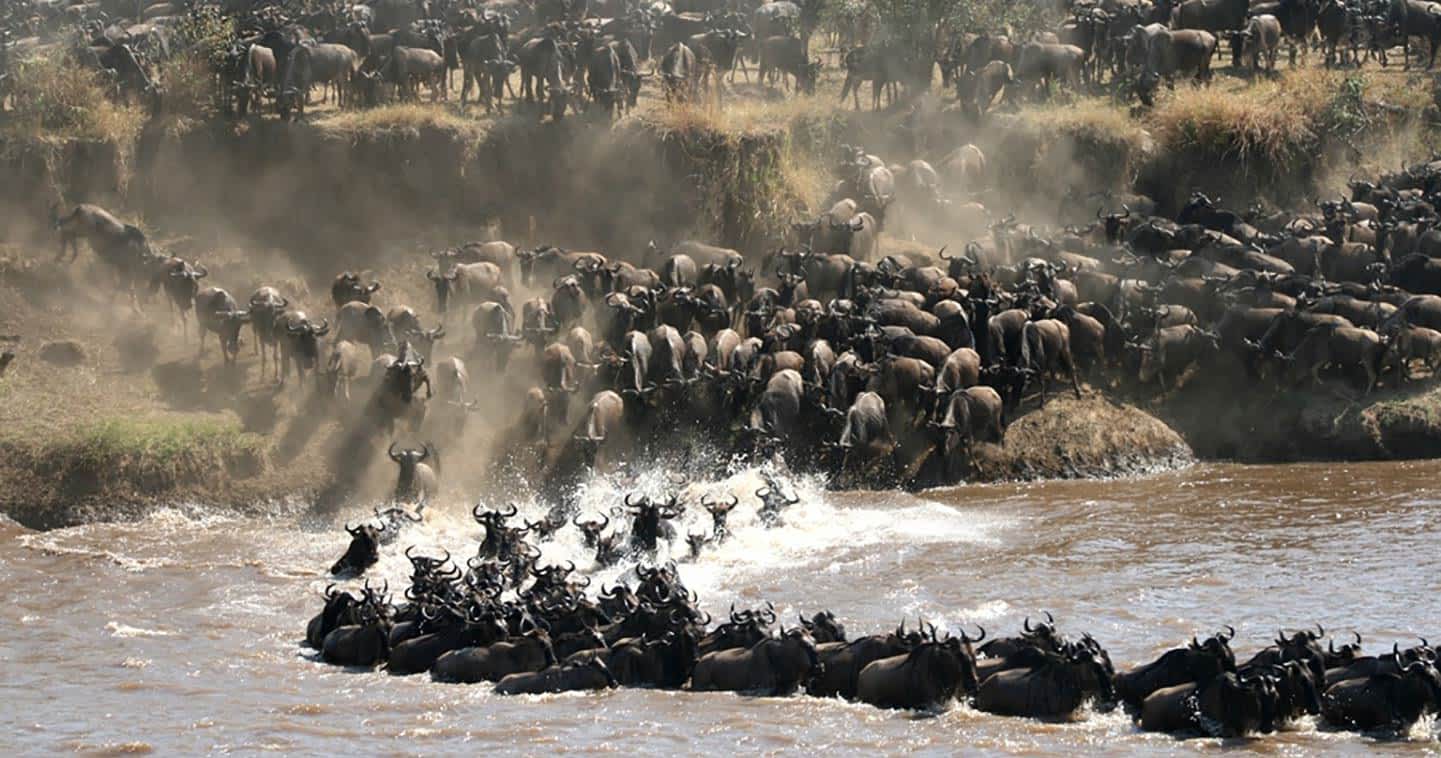
Consider the goal of witnessing the Great Migration in the Serengeti. Booking with a large international operator might secure you a spot in a well-known, large lodge like the Serena or Sopa on a pre-set itinerary. This path is straightforward and reliable. However, you may share your vehicle with other guests and follow a fixed schedule, potentially missing spontaneous wildlife encounters.
Alternatively, engaging a specialized local Tanzanian operator allows for a more tailored approach. You could book a smaller, more intimate mobile camp, such as those operated by Nomad Tanzania or Asilia Africa, which are strategically moved to follow the wildebeest herds. You can request a specific, highly-rated guide known for their tracking skills and deep knowledge of the ecosystem. This approach requires more direct involvement in the planning process but often results in a more exclusive and flexible safari, placing you in the heart of the action away from the crowds.
Related Resources
For more information on planning your safari, explore our destination guides, browse the safari operator directory, or connect with an experienced safari planning guide for personalized guidance.
Need Expert Safari Guidance?
Get expert advisory support from a firm founded by a former safari guide — with real operational knowledge across 9 African countries and full-journey accountability.
Related Planning Guides
Recommended Reading
 Safari Cost Guides
Safari Cost Comparison International vs Local Operators
Learn about safari cost comparison international vs local operators in this comprehensive safari guide covering key insights and practical advice.
 Safari Operator Articles
International Safari Operators vs Local Safari Operators
A comparison of international and local safari operators to help you decide which is the right choice for your African safari.
 Safari Operator Articles
How Safari Operators Support Local Communities
Discover how responsible safari operators can empower local communities and how you can choose an operator that makes a positive impact.
 Safari Planning
How to Choose a Safari Operator
Learn how to choose a reputable African safari operator with our expert guide. We cover vetting companies, questions to ask, and understanding safari costs.
 Safari Operator Articles
How to Choose a Safari Operator in Tanzania
Learn how to select the best safari operator in Tanzania for your dream trip to the Serengeti, Ngorongoro Crater, and other iconic parks.
 Safari Advisor Content
How a Safari Advisor Helps You Choose the Right Operator
Discover the essentials of how a safari advisor helps you choose the right operator for an unforgettable African safari adventure.