
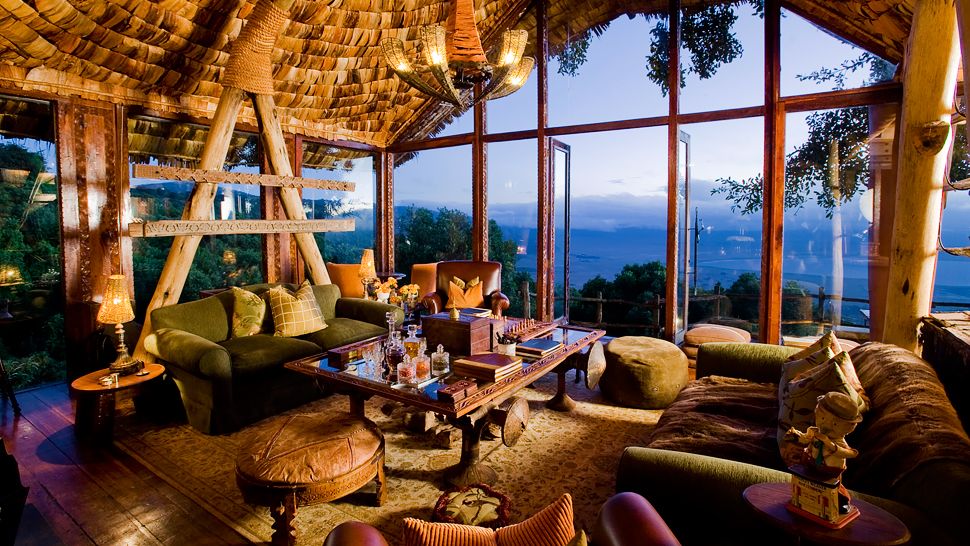
An inside look at the important partnership between safari operators and conservation groups and how they work together to protect Africa\
The Power of Partnership in Conservation
Conservation is a team effort. It requires the cooperation of a variety of stakeholders, including governments, communities, and the private sector. Safari operators can be powerful partners in conservation. They have a vested interest in protecting the wildlife and the wilderness areas that are the foundation of their business. Many operators have formed strong partnerships with conservation groups to support their work. Our safari operators can help you find operators that are committed to conservation.
How Operators Support Conservation Groups
Safari operators can support conservation groups in a variety of ways. They can provide financial support through donations and fundraising. They can provide logistical support by transporting researchers and anti-poaching patrols. And they can provide a platform for conservation groups to raise awareness and to educate travelers about their work. Some operators have even started their own conservation foundations. For more on this topic, visit our knowledge center.
Still researching? Let us help.
Our advisory team has planned safaris across 9 African countries. We can turn your research into a real plan.
Talk to an AdvisorThe Benefits of a Conservation Partnership
A conservation partnership can have many benefits for both the operator and the conservation group. It can provide the conservation group with a sustainable source of funding and a powerful ally in their work. It can provide the operator with a way to give back to the places they love and to differentiate themselves from their competitors. And it can provide the traveler with a more meaningful and impactful safari experience. For more destination ideas, explore our destinations page.
How to Find a Conservation-Focused Operator
When choosing a safari operator, look for one that has a demonstrated commitment to conservation. This can be seen in their marketing materials, their partnerships with conservation organizations, and their on-the-ground practices. Ask the operator about their conservation policies and how they support local conservation efforts. By choosing a conservation-focused operator, you can be sure that your safari is making a positive contribution to the future of Africa's wildlife. Use our cost calculator to see how your safari can support conservation.
_This article is part of our series on how to evaluate and select a high-quality safari outfitter. For a complete overview, start with our main guide on choosing [a safari operator](/knowledge/how-to-choose-a-safari-operator)._
Unpacking the Models of Conservation Partnership
When a safari operator claims to support conservation, it can mean many different things. The substance of these partnerships varies widely, from simple financial donations to deeply integrated, on-the-ground collaboration. Understanding these different models is the first step to verifying an operator's true commitment. Discerning travelers should look past the marketing slogans and inquire about the specific nature of the partnership.
Direct Financial Contributions and Levies
The most straightforward model is direct financial support. This often takes the form of a conservation levy, a small fee added to each traveler's invoice that is passed directly to a partner organization. For example, a lodge might add a $15 per person, per night levy that is donated to a local wildlife trust managing the surrounding conservancy. This model is transparent and provides a predictable revenue stream for conservation work. Operators may also make larger, annual donations from their profits or sponsor specific fundraising events. While valuable, it's important to ask for specifics. Which organization receives the funds? What percentage of the levy goes to administrative costs versus fieldwork? A reputable operator will have clear answers.
> Expert Insight: Ask your safari planning guide for a breakdown of all fees and levies associated with your trip. An experienced advisor can vet these partnerships and confirm that the funds are being used effectively on the ground.
Logistical and In-Kind Support
Beyond direct funding, operators are uniquely positioned to provide logistical support that is often more valuable than cash. Safari camps and lodges are located in remote wilderness areas, and their infrastructure can be a lifeline for conservationists. This in-kind support can include:
- Housing and meals for researchers studying wildlife behavior.
- Use of safari vehicles for anti-poaching patrols or wildlife collaring operations.
- Airstrip access and flight coordination for deploying vets or transporting equipment.
- Sharing intelligence from guides who act as extra eyes and ears in the bush, reporting signs of poaching or injured animals.
This type of integrated partnership demonstrates a deeper commitment than simply writing a check. It shows that conservation is woven into the operator's daily operations. For example, a guide who reports a snared giraffe to a veterinary unit, and then uses their vehicle to help the team locate the animal, is a powerful example of conservation in action.
Done Reading? Let's Build Your Safari.
Skip the guesswork. Work with an advisor who has been on the ground across East and Southern Africa.
Plan With UsThe Rise of Community Conservancies: A Win-Win Model
Perhaps the most impactful model of partnership is the community conservancy. In this structure, a safari operator leases land from a local community, often a Maasai or Samburu tribe, to create a private wildlife reserve. This is a powerful alternative to traditional national parks, offering a more exclusive safari experience while directly empowering the local people who own the land.
Here’s how it typically works:
- Land Lease Agreement: The operator pays the community a fixed annual fee for the exclusive tourism rights to the land. This provides a stable, predictable income for hundreds or even thousands of families.
- Employment and Training: The vast majority of staff—from guides and trackers to camp managers and chefs—are hired from the local community. This creates jobs and fosters valuable skills.
- Resource Management: The community agrees to set aside the land for wildlife, forgoing other uses like cattle grazing or farming in core areas. This reduces human-wildlife conflict and allows ecosystems to recover.
- Joint Governance: A board or council with representatives from both the operator and the community makes key decisions about land use, security, and resource management.
This model transforms the relationship between tourism and local people from one of potential conflict to one of mutual benefit. The wildlife, once seen as a threat to livestock, becomes a valuable asset worth protecting. The result is thriving wildlife populations outside of national park boundaries and economically empowered communities.
Case Study: The Northern Rangelands Trust (NRT) in Kenya
A prime example of this model at scale is the work of the [Northern Rangelands Trust](https://www.nrt-kenya.org/) in Kenya. NRT supports a network of dozens of community-owned conservancies across northern and coastal Kenya. Safari operators like Saruni and Tassia Lodge partner with these conservancies, bringing in vital tourism revenue that funds everything from ranger salaries to school bursaries and healthcare clinics. Travelers visiting these areas get a unique opportunity to see this conservation model up close and interact with the communities who are making it possible. It's a core part of planning a truly sustainable safari in Kenya.
Verifying the Partnership: Due Diligence for the Conscious Traveler
With conservation being a powerful marketing tool, it's crucial for travelers to look for evidence of a genuine commitment. Greenwashing—the practice of making misleading claims about environmental benefits—is a real concern in the travel industry. A truly conservation-focused operator will be transparent and proud to share the details of their work. Here are key questions to ask and red flags to watch out for when doing your research.
Questions to Ask Your Safari Operator or Advisor
When you plan your safari, don't be shy about digging into the details. A good operator will welcome your interest. Consider asking:
- "Which specific conservation organizations do you partner with?" Look for named, reputable partners like the African Wildlife Foundation, Tusk, or local entities like the NRT.
- "What is the nature of your support?" Is it financial, logistical, or both? Can they provide examples?
- "Do you have a formal conservation levy?" If so, how much is it, and can they confirm that 100% of it goes to the partner?
- "Can you share your most recent sustainability or impact report?" Many top-tier operators now produce annual reports detailing their conservation and community work.
- "How are local communities involved in your operations?" Look for answers that go beyond simple employment, touching on governance, land ownership, and benefit-sharing.
> Traveler's Tip: Pay attention to the quality of the answer. Vague responses like "we support local conservation" are a red flag. A committed operator will respond with specific names, figures, and stories. Your safari planning guide should be able to get these answers for you.
Red Flags to Watch For
- Lack of Specificity: Vague claims without named partners or projects.
- Overemphasis on "Eco-Friendly" Practices: While important, things like reducing plastic use or washing linens less frequently are standard operational efficiencies, not deep conservation work. True conservation involves protecting land, wildlife, and ecosystems.
- No Community Voice: If all the marketing materials feature foreign managers and the website has no mention of community partnerships, it could indicate an extractive rather than a collaborative model.
- Resistance to Questions: A defensive or evasive response to your inquiries is a major warning sign.
By performing this due diligence, you move from being a passive tourist to an active participant in the conservation economy. Your choice of operator is a vote for the kind of safari industry you want to support. Use the knowledge center to learn more about sustainable tourism practices.
Need Expert Safari Guidance?
Get expert advisory support from a firm founded by a former safari guide — with real operational knowledge across 9 African countries and full-journey accountability.
Related Planning Guides
Recommended Reading
 Safari Operator Articles
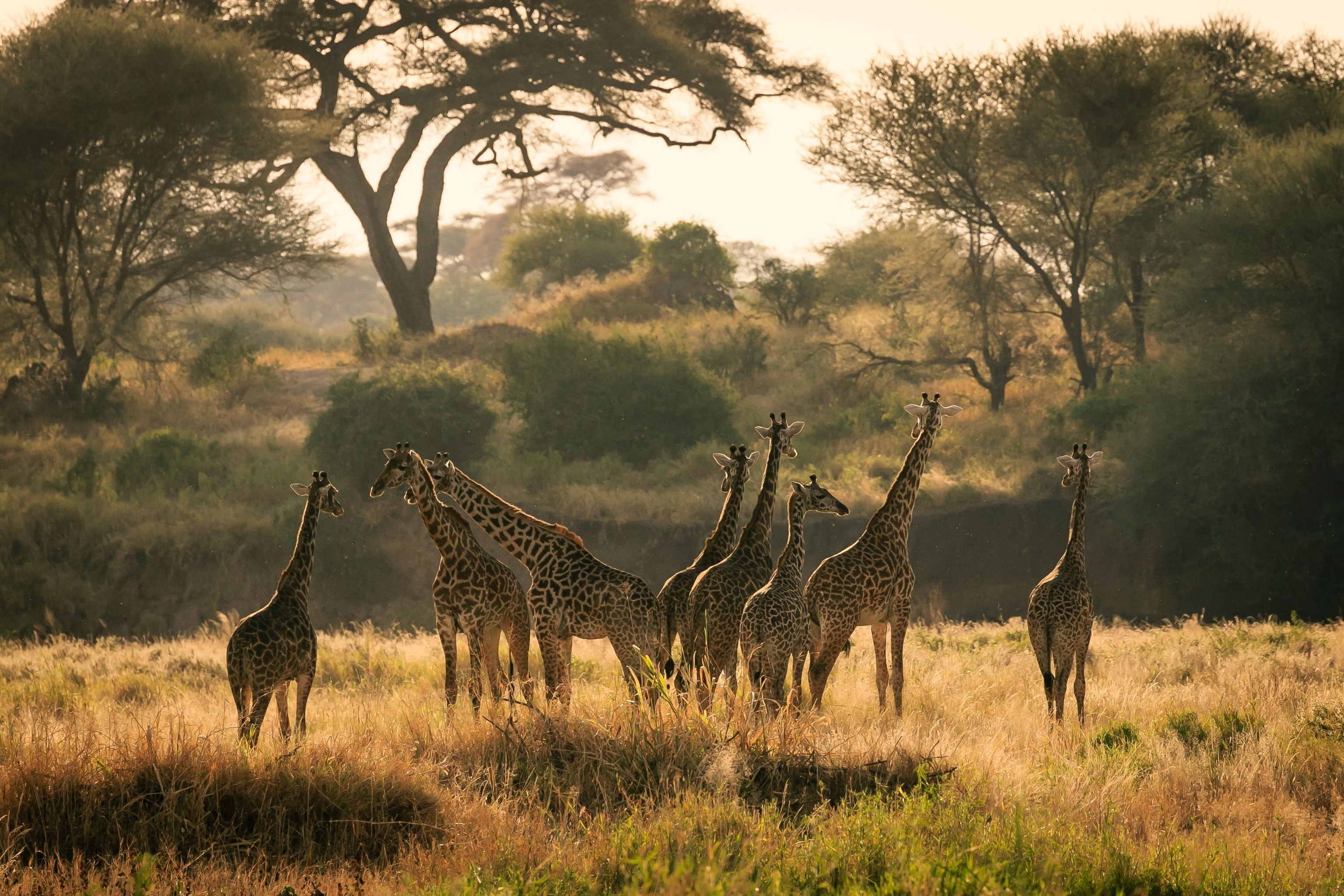
How Safari Operators Support Conservation
Learn how responsible safari operators contribute to wildlife conservation and how you can support their efforts.
 Safari Operator Articles
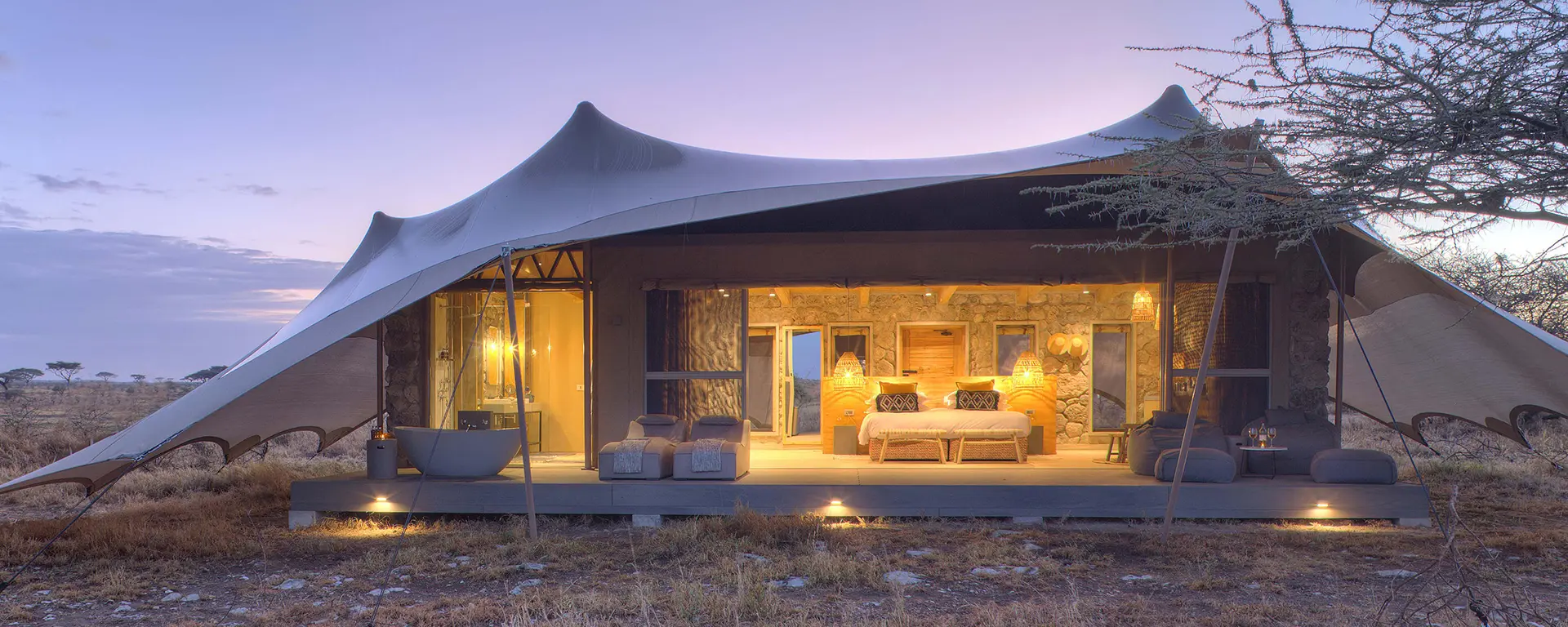
How Safari Operators Partner With Lodges
An inside look at the relationship between safari operators and lodges and how they work together to create a great safari experience.
 Safari Operator Articles
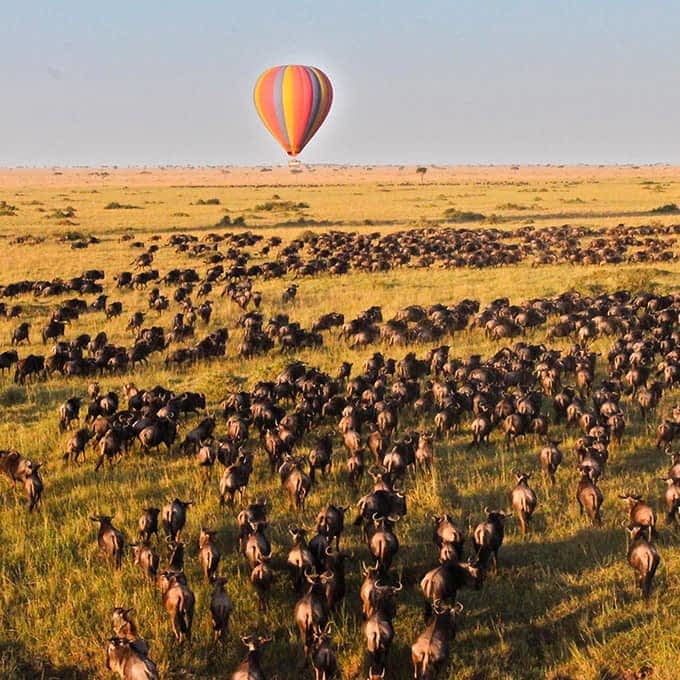
How Safari Operators Partner With Airlines
An explanation of the relationship between safari operators and airlines and how they work together to get you to your safari destination.
 Safari Comparison Articles
Small Group Safari vs Large Group Safari
An in-depth comparison of Small Group Safari vs Large Group Safari to help you choose the perfect safari experience. Explore the pros, cons, and key differences
 Safari Planning
Private Safari vs Group Safari
Learn the key differences between private and group safaris to decide which is right for you. This guide compares flexibility, cost, and experience.
 Safari Comparison Articles
Safari With International Operator vs Local Operator
An in-depth comparison of Safari With International Operator vs Local Operator to help you choose the perfect safari experience. Explore the pros, cons, and key