
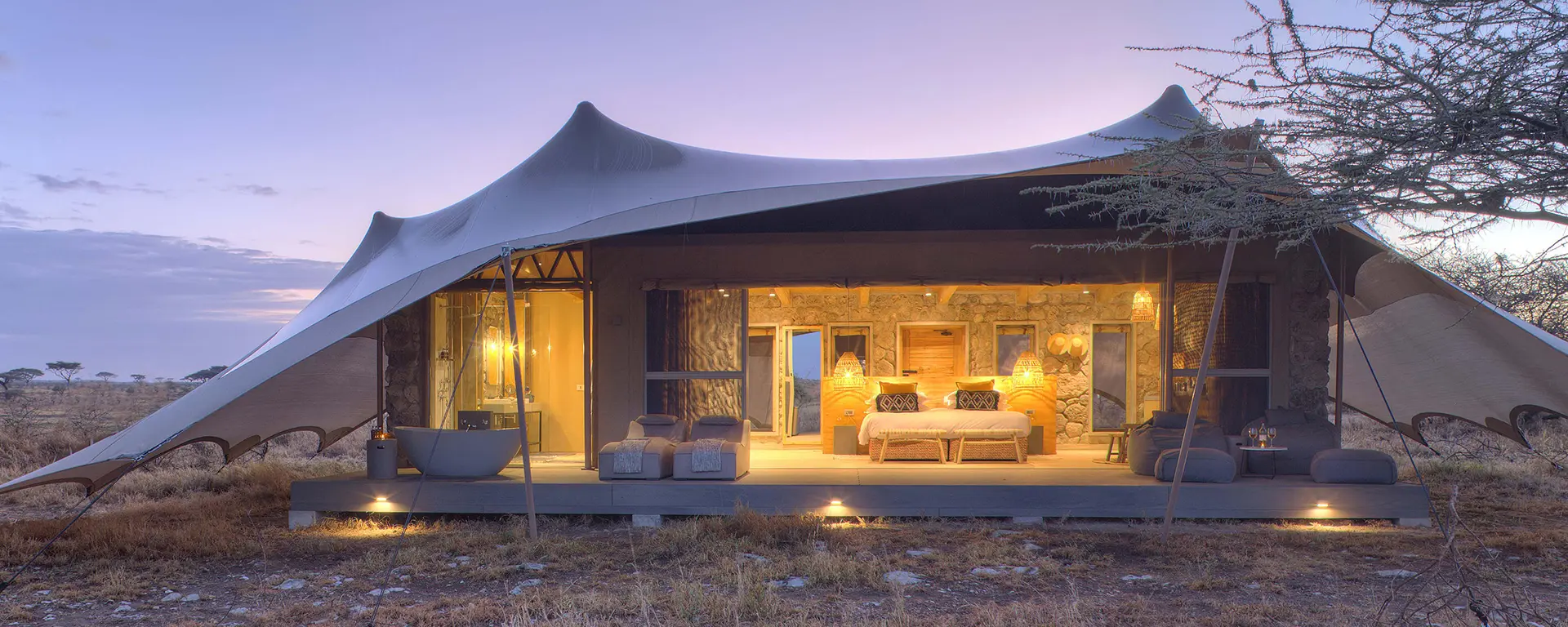
An inside look at the relationship between safari operators and lodges and how they work together to create a great safari experience.
The Symbiotic Relationship Between Operators and Lodges
Safari operators and lodges have a symbiotic relationship. They rely on each other to provide a great safari experience for their clients. The operator is responsible for bringing the clients to the lodge, and the lodge is responsible for providing them with a comfortable and enjoyable stay. A good relationship between an operator and a lodge is essential for a successful safari. Our safari operators can help you find operators with strong lodge partnerships.
How Operators Choose Their Lodge Partners
Safari operators are very selective about the lodges they partner with. They look for lodges that have a good reputation, that offer a high level of service, and that are located in prime wildlife viewing areas. They also look for lodges that share their values, such as a commitment to conservation and community development. An operator's choice of lodge partners is a reflection of their brand and their commitment to quality. For more on this topic, visit our knowledge center.
Still researching? Let us help.
Our advisory team has planned safaris across 9 African countries. We can turn your research into a real plan.
Talk to an AdvisorThe Benefits of a Strong Partnership
A strong partnership between an operator and a lodge can have many benefits for the traveler. It can lead to better rates, more flexible booking policies, and a higher level of service. It can also lead to a more seamless and enjoyable experience, as the operator and the lodge are working together as a team. When an operator has a strong relationship with a lodge, they can be confident that their clients will be well taken care of. For more destination ideas, explore our destinations page.
The Importance of a Site Inspection
A good safari operator will regularly visit the lodges they partner with to ensure that they are maintaining their standards. This is known as a site inspection. A site inspection is an opportunity for the operator to see the lodge firsthand, to meet the staff, and to experience the service. It is a way for the operator to ensure that the lodge is still a good fit for their clients. Use our cost calculator to compare the quality of different lodges.
Beyond the Handshake: Understanding Partnership Models
The relationship between a safari operator and a lodge is more complex than a simple booking arrangement. Several partnership models exist, each with its own implications for pricing, availability, and the overall quality of your safari. Understanding these models can help you appreciate the value a skilled safari planning guide brings to the table.
The most common arrangements include:
- Rack Rates: This is the standard, publicly advertised price for a room at a lodge. When an operator books on a rack rate basis, they are essentially acting as a travel agent, earning a commission from the lodge. This model is straightforward but may not always offer the best value or perks for the traveler.
- Net Rates: A more integrated partnership involves a confidential "net rate" agreement. The lodge provides the operator with a discounted, non-commissionable rate. The operator then adds their own margin to create the final price for the traveler. This model is prevalent among high-quality operators as it allows them to create custom packages and often provides more flexibility. The operator's reputation and volume of business are key to negotiating favorable net rates.
- Allocation-Based Agreements: For lodges in high-demand areas, such as the Serengeti or the Okavango Delta during peak season, operators may enter into allocation agreements. This means the operator pre-purchases a certain number of rooms for specific dates, guaranteeing availability for their clients. This is a significant financial commitment for the operator and a strong indicator of a deep, trusted partnership with the lodge.
> Expert Insight: An operator with allocation agreements can be a lifesaver when planning a last-minute safari or traveling during peak season. They have guaranteed access to rooms that may appear as "sold out" to the general public.
Done Reading? Let's Build Your Safari.
Skip the guesswork. Work with an advisor who has been on the ground across East and Southern Africa.
Plan With UsThe Lodge Portfolio: A Reflection of the Operator's Expertise
A safari operator's choice of lodge partners is a direct reflection of their brand, expertise, and target clientele. A well-curated lodge portfolio is a key differentiator and a sign of a top-tier operator. It's not just about offering luxury; it's about providing the right options for a traveler's specific interests and budget.
Consider these factors:
- Geographic Coverage: A reputable operator will have strong partnerships in a variety of destinations, from the iconic national parks to more remote, off-the-beaten-path conservancies. This allows them to design diverse itineraries that go beyond the standard tourist circuit.
- Diversity of Styles: The portfolio should include a range of lodge styles, from classic tented camps to contemporary boutique lodges and family-friendly properties. This ensures they can cater to different travel preferences, whether you're seeking a rustic adventure or a high-end luxury experience.
- Price Points: While some operators specialize in the ultra-luxury market, a good advisor will have options across different price points. This demonstrates a deep understanding of the market and an ability to deliver value, regardless of your budget. Our cost calculator can help you explore these options.
Case Study: The Power of a Strategic Partnership
Let's consider a hypothetical partnership between a forward-thinking safari operator and a new, eco-conscious lodge in a private conservancy bordering Tanzania's Ruaha National Park. Ruaha is known for its wild, untouched landscape and large elephant herds, but it receives fewer visitors than the more famous northern parks.
The operator sees the potential of this emerging destination and partners with the lodge from its inception. They commit to a significant room allocation, providing the lodge with a stable revenue stream. In return, the operator receives preferential rates and exclusive access for their clients.
The benefits of this partnership are threefold:
- For the Traveler: The operator can offer a unique, crowd-free safari experience with exceptional game viewing. Their clients get to explore a pristine wilderness area while enjoying the comforts of a top-quality lodge, often at a better value than in more saturated markets.
- For the Lodge: The partnership provides financial stability and a consistent flow of guests, allowing them to focus on conservation efforts and community development projects within the conservancy.
- For the Operator: The operator solidifies its reputation as an expert in East Africa, offering exclusive access to a unique product. This sets them apart from competitors who stick to the well-trodden paths of the Serengeti and Ngorongoro Crater.
This symbiotic relationship is the hallmark of a truly great safari operator. They don't just sell rooms; they build ecosystems that benefit travelers, lodges, and local communities alike.
What to Look for in an Operator's Lodge Network
When evaluating a safari operator, pay close attention to their lodge network. Here are a few indicators of a high-quality, well-vetted portfolio:
- A Mix of Well-Known and Boutique Properties: A good operator will have relationships with established, reputable lodge chains, but they will also feature smaller, independently-owned gems that offer a more intimate and authentic experience.
- Presence in Private Conservancies: Lodges located in private conservancies often provide a more exclusive safari experience with fewer crowds and greater flexibility for activities like night drives and walking safaris. An operator with strong partnerships in these areas can elevate your safari from good to extraordinary.
- Detailed Lodge Descriptions and High-Quality Imagery: The operator's website and marketing materials should provide in-depth information about each lodge, including its location, amenities, and unique selling points. This demonstrates a firsthand knowledge and a commitment to transparency.
> Traveler's Tip: Don't be afraid to ask an operator why they've chosen a particular lodge for your itinerary. A good advisor will be able to articulate the specific reasons, whether it's the quality of the guiding, the exceptional wildlife viewing, or the lodge's commitment to sustainability. For more guidance, visit our knowledge center.
By understanding the intricate partnerships that underpin the safari industry, you can make a more informed decision when you plan your safari. A great safari operator is more than just a booking agent; they are a trusted partner with the expertise and relationships to craft a truly unforgettable journey.
Need Expert Safari Guidance?
Get expert advisory support from a firm founded by a former safari guide — with real operational knowledge across 9 African countries and full-journey accountability.
Related Planning Guides
Recommended Reading
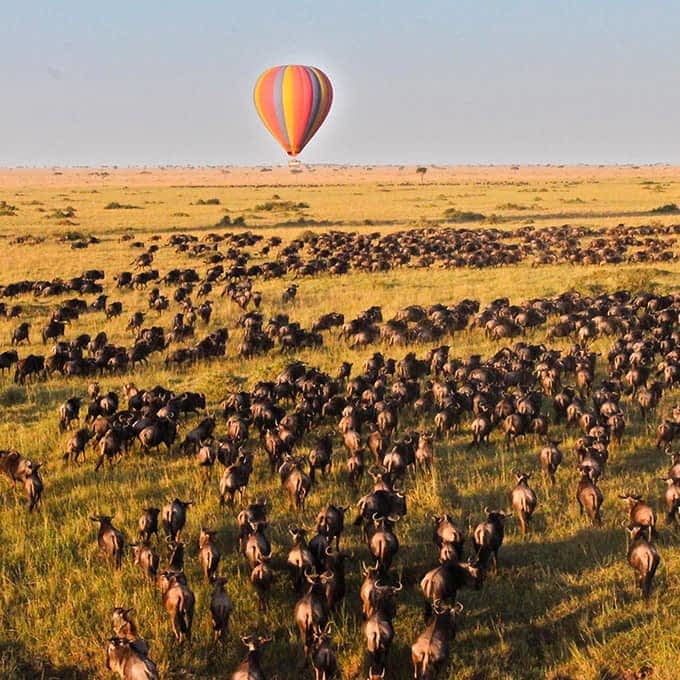 Safari Operator Articles
How Safari Operators Partner With Airlines
An explanation of the relationship between safari operators and airlines and how they work together to get you to your safari destination.
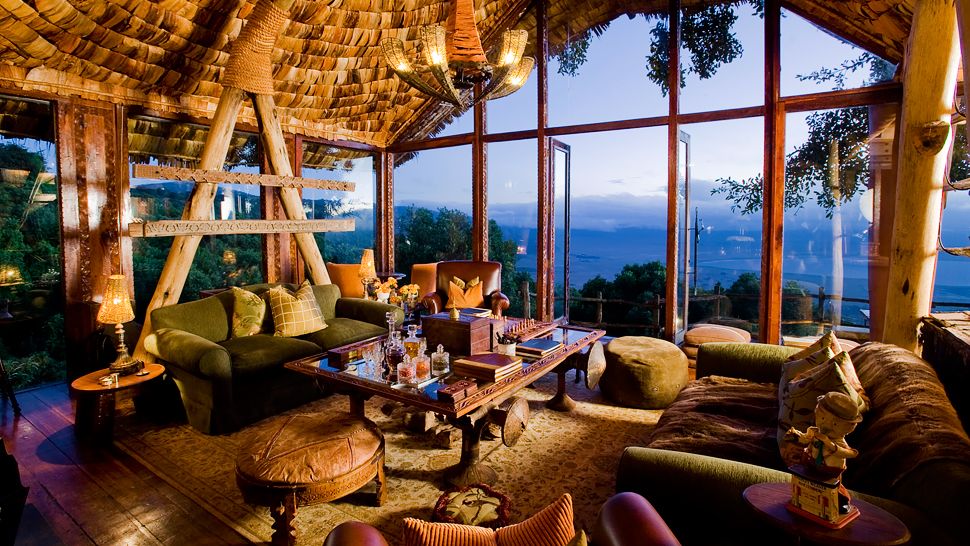 Safari Operator Articles
How Safari Operators Partner With Conservation Groups
An inside look at the important partnership between safari operators and conservation groups and how they work together to protect Africa\
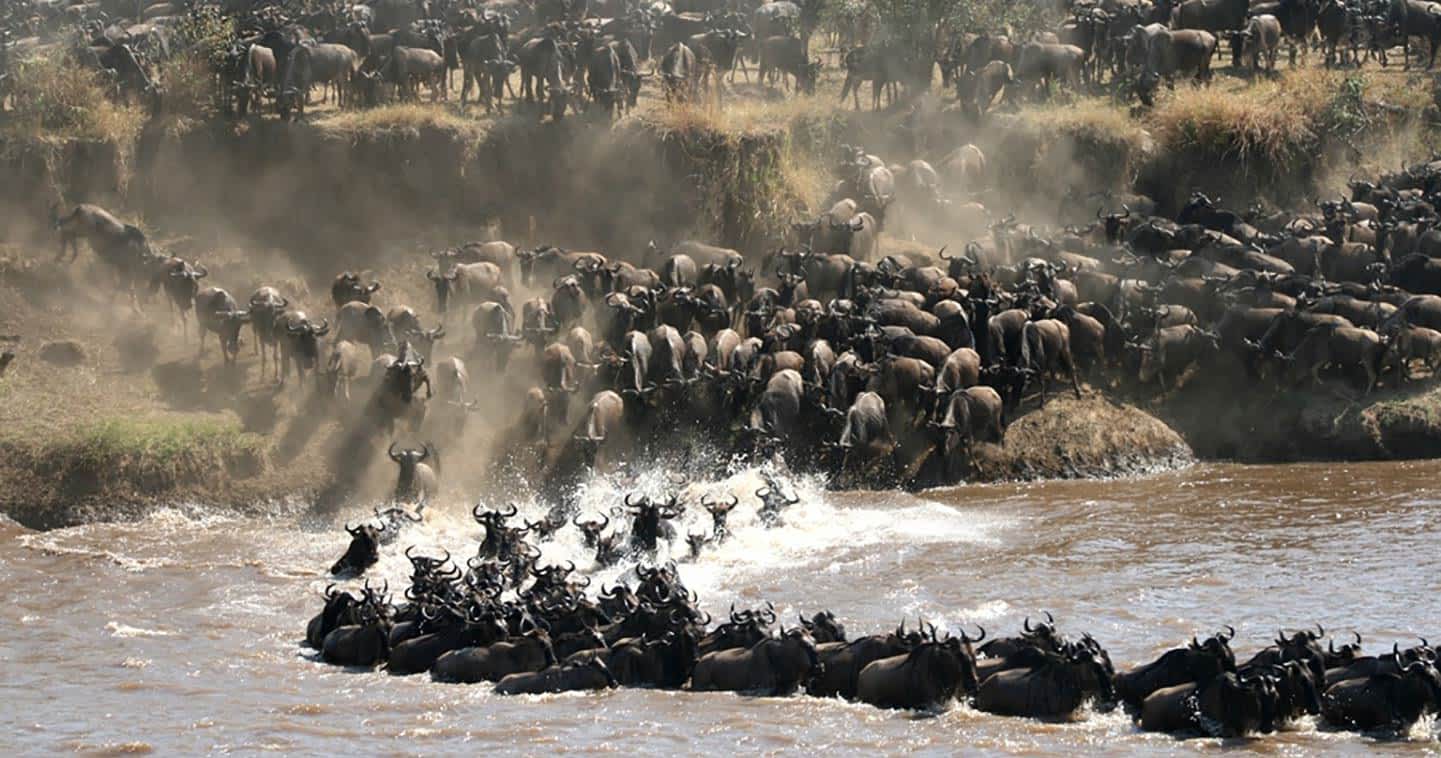 Safari Operator Articles
International Safari Operators vs Local Safari Operators
A comparison of international and local safari operators to help you decide which is the right choice for your African safari.
 Safari Planning Guides
How to Choose Between a Lodge Safari and Camping Safari
Discover how to plan your dream safari with our expert guide on How to Choose Between a Lodge Safari and Camping Safari. Get tips on destinations, costs, and more.
 Safari Comparison Articles
Lodge Safari vs Tented Camp Safari
An in-depth comparison of Lodge Safari vs Tented Camp Safari to help you choose the perfect safari experience. Explore the pros, cons, and key differences to ma
 Safari Comparison Articles
Safari With International Operator vs Local Operator
An in-depth comparison of Safari With International Operator vs Local Operator to help you choose the perfect safari experience. Explore the pros, cons, and key