
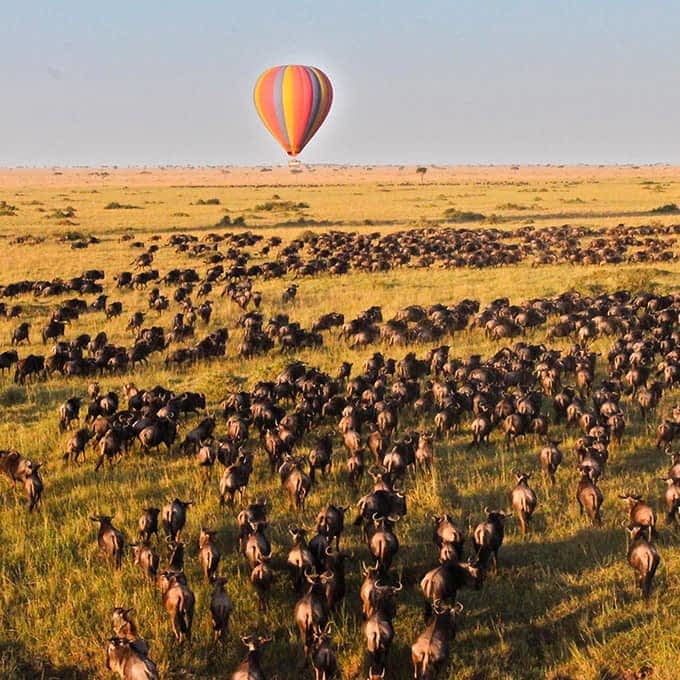
An explanation of the relationship between safari operators and airlines and how they work together to get you to your safari destination.
The Importance of Air Travel in Africa
Air travel is an essential part of many African safaris. It is often the only way to get to remote and wilderness areas. Safari operators work closely with a variety of airlines, from large international carriers to small bush plane operators, to get their clients to their destination safely and efficiently. Our safari operators can help you navigate the complexities of air travel in Africa.
How Operators Work With Airlines
Safari operators have a close working relationship with the airlines they use. They are in constant communication with the airlines to monitor flight schedules, to book tickets, and to handle any issues that may arise. They also have a deep understanding of the different airlines and their routes, which allows them to create the most efficient and cost-effective itinerary for their clients. For more on this topic, visit our knowledge center.
Still researching? Let us help.
Our advisory team has planned safaris across 9 African countries. We can turn your research into a real plan.
Talk to an AdvisorThe Benefits of Booking Your Flights Through Your Operator
There are several benefits to booking your flights through your safari operator. First, it can save you time and hassle. Your operator will handle all the bookings and will ensure that your flights align with your itinerary. Second, it can sometimes save you money. Your operator may have access to special fares that are not available to the general public. And third, it can provide you with an extra layer of security. If there is a problem with your flight, your operator will be there to help you resolve it. For more destination ideas, explore our destinations page.
The Importance of a Reputable Airline
A good safari operator will only work with reputable airlines that have a good safety record. They will not compromise on safety to save a few dollars. When choosing an operator, ask about the airlines they use and do your own research to ensure that you are comfortable with their choice. A reputable airline is an essential part of a safe and enjoyable safari. Use our cost calculator to compare the cost of flights from different airlines.
The Three Tiers of Safari Air Travel
Understanding how safari operators and airlines collaborate begins with recognizing that a comprehensive African safari often involves three distinct tiers of air travel. Managing the seamless integration of these flights is a core value a professional safari planning guide provides. Each tier has its own logistics, aircraft types, and booking complexities.
1. International Flights: This is your gateway to the African continent. Major hubs like Johannesburg (O.R. Tambo International Airport - JNB) in South Africa, Nairobi (Jomo Kenyatta International Airport - NBO) in Kenya, and Addis Ababa (Bole International Airport - ADD) in Ethiopia are the primary entry points. Operators partner with major global carriers such as Delta, United, KLM, Emirates, and Qatar Airways. The focus here is on securing competitive fares and convenient schedules that align with the start of your ground itinerary, minimizing layover times.
2. Regional Flights: Once in Africa, you'll often need to connect from the international hub to a smaller, regional airport closer to the safari circuit. Examples include flights from Johannesburg to Maun (MUB) in Botswana for access to the Okavango Delta, or from Nairobi to Kilimanjaro (JRO) in Tanzania. These routes are serviced by established regional airlines like Safarilink, AirKenya, or South African Airlink. Operators often hold block bookings on these key routes, giving them access to availability and pricing not always visible to the public.
3. Bush Flights (Charter Flights): The final and most exciting leg of your journey is the bush flight. These flights use small, robust aircraft like the Cessna Grand Caravan or Pilatus PC-12 to transport you from a regional airport directly to a remote airstrip in the heart of a national park or private reserve. This is where the true value of an operator's partnership shines. These flights operate on strict schedules and have severe luggage restrictions. An operator ensures your luggage meets the requirements and that your connection is guaranteed, even if your regional flight is slightly delayed.
> Expert Insight: The Bush Flight Luggage Challenge > Bush flights typically limit luggage to 15-20 kg (33-44 lbs) per person, packed in a soft-sided duffel bag with no wheels or rigid frames. This is for safety and is non-negotiable, as the bags must be manipulated to fit into the small aircraft's pod. A safari operator coordinates this from the moment you book, ensuring you are well-prepared and avoiding the stressful, costly scenario of having to repack or leave luggage behind at a remote airstrip.
Done Reading? Let's Build Your Safari.
Skip the guesswork. Work with an advisor who has been on the ground across East and Southern Africa.
Plan With UsUnpacking the Value: Beyond Just a Ticket
Booking flights through a trusted safari operator is less about the ticket itself and more about purchasing seamless logistics and peace of mind. The partnerships they cultivate with airlines provide a safety net that is nearly impossible to replicate when booking independently.
Coordinated Logistics and Transfers: Your operator manages the entire chain of travel. When your international flight lands, a representative is there to meet you. They ensure you connect with your regional flight and that your luggage is correctly transferred. In the event of a delay, they are your single point of contact, re-routing you and adjusting all downstream bookings, including lodge reservations and activity schedules. This integrated support system turns a potential travel disaster into a minor inconvenience.
Exclusive Fares and Seat Access: High-volume safari planning guidey firms are valuable partners for airlines. They commit to a significant number of seats far in advance, particularly on essential regional and bush flight routes. In return, airlines often provide them with preferential rates or access to inventory that is not available through public booking channels. This can be especially beneficial during peak season when flights sell out months in advance. While it may seem possible to find a cheaper flight online, it often doesn't account for the full logistical framework that an operator's fare includes.
Immediate Support During Disruptions: Imagine your flight from Arusha to a remote Serengeti airstrip is canceled due to sudden heavy rains. If you booked independently, you are now stranded. You face the daunting task of trying to rebook a flight, contacting your remote lodge (if you can even get a signal), and potentially forfeiting thousands of dollars in non-refundable accommodation.
When booked with a reputable advisor, the moment the airline cancels the flight, your operator is automatically notified. Their ground team immediately springs into action. They might arrange for a private vehicle transfer, a longer but effective solution. They will have already contacted your lodge to inform them of your new arrival time and rescheduled your game drives. Your safari continues with minimal disruption, all handled for you behind the scenes. For more complex itineraries, our safari operators can be an invaluable resource.
The Financial Equation: Cost vs. True Value
While it can be tempting to hunt for flight deals online, it's crucial to look beyond the initial ticket price and consider the total value proposition. The fee an operator includes for air travel management is a form of insurance against the immense logistical complexities of African travel.
Consider the hidden costs of self-booking:
- Time and Research: Hours spent trying to align flights across three different carriers.
- Financial Risk: A missed connection could mean losing non-refundable deposits on lodges and activities.
- Stress and Uncertainty: The anxiety of navigating unfamiliar airports and dealing with disruptions on your own.
Partnering with an operator aligns your entire journey under a single, accountable entity. Their expertise ensures that your investment in a dream safari is protected from start to finish. Before you book, we recommend exploring our knowledge center for more travel tips or using our cost calculator to budget for your trip. When you're ready, let us help you plan your safari with confidence.
Need Expert Safari Guidance?
Get expert advisory support from a firm founded by a former safari guide — with real operational knowledge across 9 African countries and full-journey accountability.
Related Planning Guides
Recommended Reading
 Safari Operator Articles
How Safari Operators Partner With Lodges
An inside look at the relationship between safari operators and lodges and how they work together to create a great safari experience.
 Safari Operator Articles
How Safari Operators Partner With Conservation Groups
An inside look at the important partnership between safari operators and conservation groups and how they work together to protect Africa\
 Safari Operator Articles
International Safari Operators vs Local Safari Operators
A comparison of international and local safari operators to help you decide which is the right choice for your African safari.
 Safari Comparison Articles
Safari With International Operator vs Local Operator
An in-depth comparison of Safari With International Operator vs Local Operator to help you choose the perfect safari experience. Explore the pros, cons, and key
 Safari Planning
How to Choose a Safari Operator
Learn how to choose a reputable African safari operator with our expert guide. We cover vetting companies, questions to ask, and understanding safari costs.
 Safari Intelligence Insights
How Safari Operators Work
Understand how safari operators work, from local DMCs to planners and lodges. Learn the roles of each and how to choose the right partners for your African safari.